
The Western Cape is so attractive that house prices are going through the roof


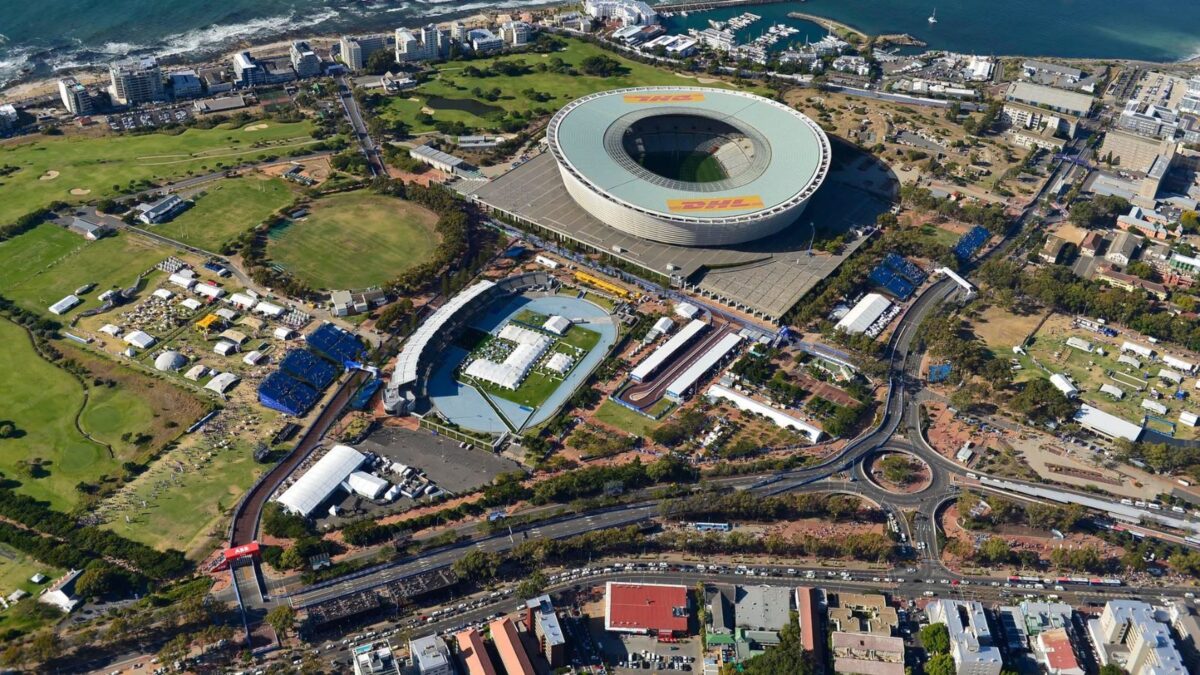
The Western Cape has seen a sharp rise in investor confidence. This is good news, but it has also led to such a rise in house prices that locals are unable to afford housing in the province.
Property costs in the province have risen dramatically in recent years, leading to a shortage of affordable homes.
In George, only 17% of houses are valued under R900,000, an affordable price for most young professionals.
Most Western Cape residents cannot afford to buy a house, with roughly 82% of households being priced out of the property market.
Economist John Loos spoke on Cape Talk about what has caused the ballooning costs in the Western Cape’s housing market.
He said the rising cost of housing is due to the Western Cape’s economic success, particularly in Cape Town.
Cape Town outperforms most other municipalities and was classified as highly financially stable by Ratings Afrika.
The metro was the only municipality in South Africa to achieve this rating, scoring 71 out of a possible 100 points in Ratings Afrika’s Municipal Financial Sustainability Index (MFSI).
The city’s economic growth has reduced the area’s unemployment rate, which is currently 19.8%.
This is significantly below South Africa’s average unemployment rate of 32.7% in the first three months of 2026.
Loos said these aspects have given investors confidence to pour capital into the area, including the property market.
The increased demand for housing drives up average property prices, as sellers can justify raising them.
Loos said another issue driving up property prices is the Western Cape’s land scarcity, particularly in Cape Town.
Cape Town is sandwiched between the ocean and the mountains, making it difficult for the city to expand outward to accommodate a growing population.
This means that the growing population has to compete for existing properties, creating a bidding war that drives up house prices.
In comparison, other metropolitan areas, such as Johannesburg, can expand outward onto cheaper land, creating affordable housing outside their CBDs.
The impact on the future
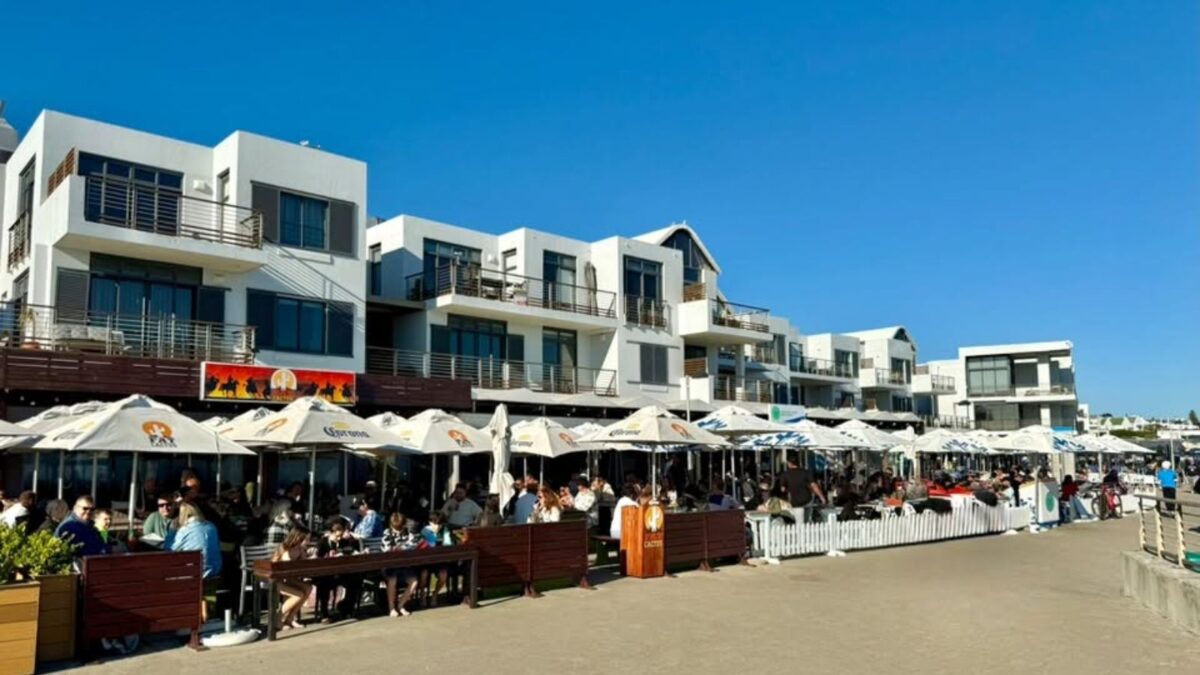
Loos said the rising property prices in Cape Town could affect the city’s well-being in the near future.
Young professionals who do not work in high-earning sectors, such as teachers and nurses, are increasingly being priced out of owning property in the city.
If this trend continues, these essential workers could be forced to move to more affordable areas and find work closer to home.
This would leave Cape Town with skills shortages in several key areas due to a lack of affordable properties for young professionals.
“You do find that expensive areas can run into shortages of certain skills because they can’t live there anymore, so they’ll move to other areas and look for jobs nearer to home,” Loos said.
He said that if Cape Town wants to avoid this scenario, the city’s salary scales need to be adjusted to reflect the current cost of living.
Currently, Johannesburg has a lower cost of living than Cape Town and offers higher salaries for young people in the workforce.
Loos said this trend would need to reverse over time to align with each city’s economic conditions.
He said a possible solution for the lack of affordable housing in Cape Town would be to promote economic growth in previously disadvantaged areas.
Many Cape Town residents are forced to travel long distances to work in the city while living in townships in the surrounding areas.
This creates a system which could see these residents look elsewhere for work, eating away at the city’s workforce.
Loos noted that Cape Town is not the only city facing this issue, and that economic growth needs to be promoted in township areas across the country.
“The solution lies in redesigning these cities so that more of the economy goes to where many people live,” he said.
He noted that this is not easy to implement, and is a complex challenge facing Cape Town and many other South African metros.









 Loading ...
The loudmouth, spineless, useless excuse for a human being is juxt doing the normal. Lying.