
No sign of President Cyril Ramaphosa’s promised plan to solve water problems


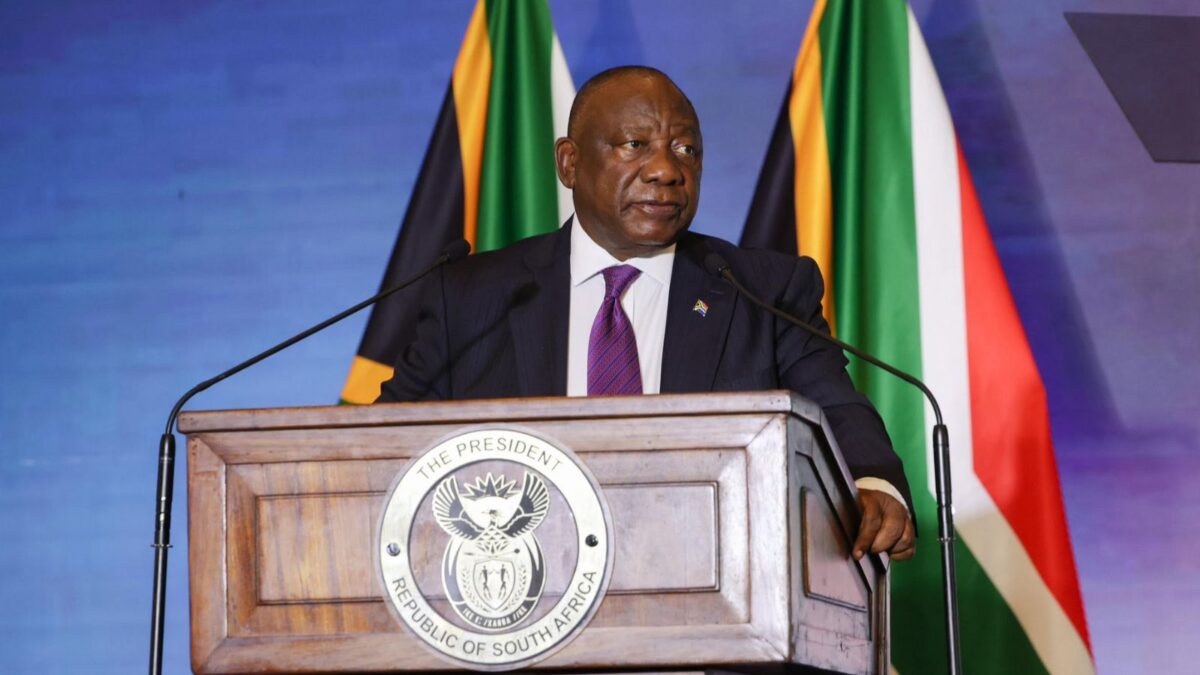
South Africa’s government has not adopted a plan to address the current water crisis, despite President Cyril Ramaphosa’s promises.
On 12 March 2026, Ramaphosa said a plan to address issues with the drinking water supply would be ready by the end of the month.
Many areas in South Africa do not have access to clean drinking water, relying on local water systems which may be polluted.
Rural areas are the worst affected, as municipalities struggle to build the infrastructure necessary to provide clean, flowing water.
Currently, the presidency lacks a water action plan to address the lack of safe drinking water in many parts of the country.
In addition to the lack of an action plan, National Assembly Speaker Thoko Didiza declined a request for a parliamentary debate on the matter.
This debate would give opposition parties a chance to voice their concerns about the current lack of plans to address the crisis.
Democratic Alliance (DA) parliamentarian Stephen Moore said the president had broken his promise to address the issue.
“South Africans were promised a Water Crisis Plan to end dry taps in March by the President,” he said.
“The President made a specific promise in Parliament, and Parliament must seek answers.”
The DA requested the parliamentary debate to discuss the long-term water supply issues in some areas of South Africa.
“Many people live with dry taps, dirty water flow, and long-term supply breakdowns at homes and businesses,” Moore said.
Ramaphosa did not respond to written questions from the DA, which demanded that he provide the following:
- The immediate publication of the National Water Crisis Action Plan and its current implementation status, in whatever form it may exist.
- A clear, dated programme setting out responsibilities, funding, targets and deadlines.
South Africa’s clean water crisis
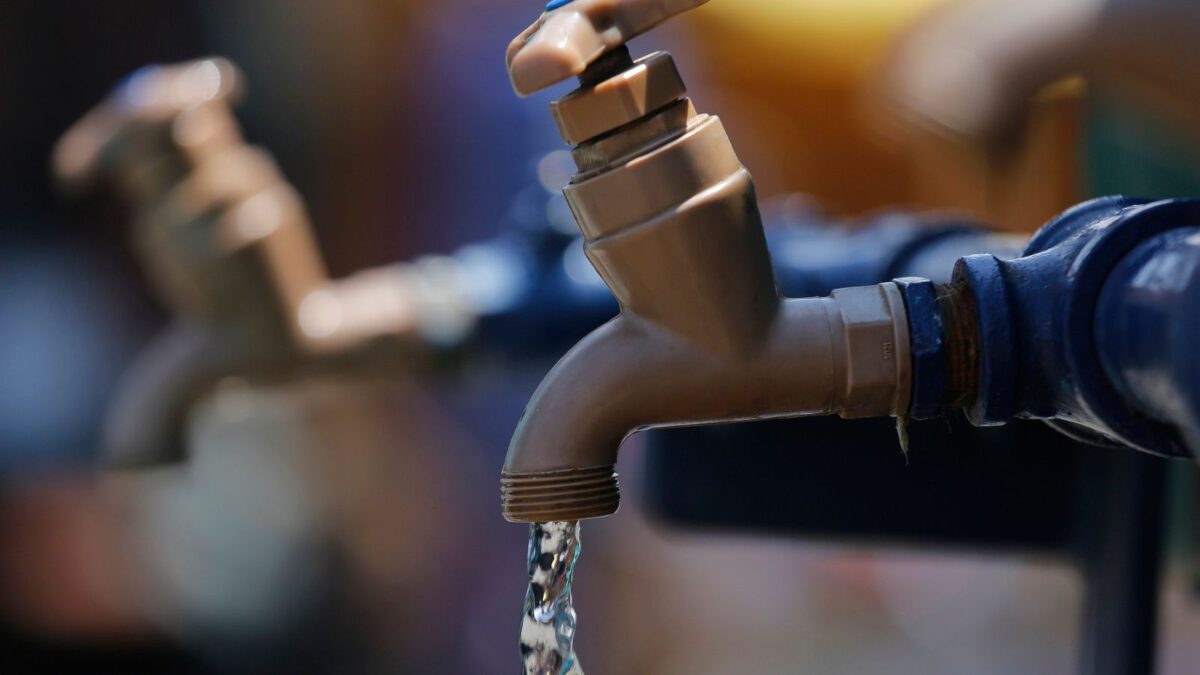
Access to clean drinking water is an issue in many parts of South Africa, including Nelson Mandela Bay.
Residents in some areas of the municipality say that tap water is often brown or cloudy, due to deteriorating infrastructure.
Other parts of the municipality sometimes go days without water, as local reservoirs struggle to meet residents’ supply demand.
These reservoirs are at critically low levels, and three reservoirs were reportedly empty in recent months.
This demonstrates a lack of the necessary infrastructure to supply drinking water to all residents in the area.
Parts of South Africa’s capital, Tshwane, also lack clean drinking water due to the reduced capacity of its treatment plants.
These wastewater treatment plants process raw sewage, making it safe to return to the surrounding environment.
With the capacity of these plants reduced, local water systems become polluted, creating harmful environments for surrounding communities.
They also reduce the effectiveness of water purification systems, which provide drinking water to Tshwane residents.
In areas such as Temba and Bronkhorstspruit, water quality consistently falls below legal safety standards.
This is due to pollution of Tshwane’s river systems by raw sewage entering the environment without treatment.
The lack of wastewater treatment also leads to pollution deep underground, posing significant safety risks for borehole users.
Farms and rural communities in South Africa often rely on boreholes for safe drinking water because they are too isolated to connect to municipal infrastructure.
Recent oversight visits to four wastewater treatment plants in Tshwane revealed that their capacities had been significantly reduced.
The Sunderland and Sandspruit plants were operating at 26% capacity, while the Rooiwal North facility was working at a 17.9% efficiency.
In other parts of South Africa, a lack of clean water is a daily struggle, with municipal infrastructure unable to meet residents’ needs.




 Loading ...
When Ramaphosa makes a promise, all he is really saying is please vote ANC again even though we’ve messed up horribly.
He has zero intention of doing anything.