
Cape Town wants its own detectives


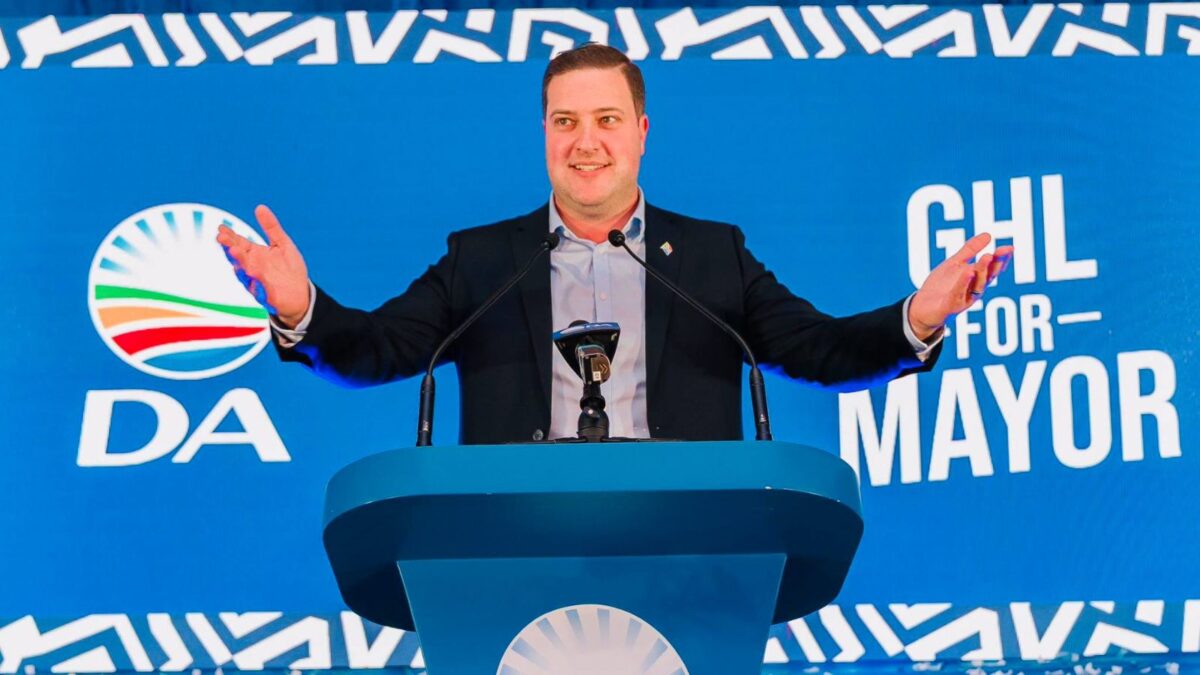
Democratic Alliance (DA) leader, Geordin Hill-Lewis, has announced plans for Cape Town to form its own metro detective squad.
Currently, detective services are handled by the South African Police Service (SAPS) in all parts of South Africa.
Metro police officers are only used for crime prevention, traffic policing, and municipal by-law enforcement.
No municipality or metro in South Africa currently has its own detective branch, with these functions always being left to SAPS.
In a speech on 15 July 2026, Hill-Lewis announced that Cape Town’s local government would be trying to change this.
He announced that after extensive communication with the three previous Ministers of Police, the city would proceed with the plan.
The Department of Policing has experienced instability in its leadership recently, following Bheki Cele’s departure from the ministerial portfolio in 2024.
Following Cele, Senzo Mchunu took the position before he was placed on indefinite leave in 2025 due to allegations of misconduct.
Currently, Firoz Cachalia is the acting Minister of Police, and no permanent replacement has yet been announced.
“Each time we’ve asked for the same thing: give investigative powers to Cape Town’s Metro Police so that we can help SAPS investigate violent crimes,” Hill-Lewis said.
“We will recruit, train and deploy dedicated Metro Police investigators to work gang violence, firearms and drug-related cases.”
He said the previous Ministers had made promises to assist in forming a metro detective squad, but had never followed through.
“Three times those Ministers have whispered sweet nothings in my ear, promising me the world and delivering nothing,” he said.
Detective squads in Cape Town are currently critically understaffed, with roughly 200 vacancies in SAPS’ investigating units.
Hill-Lewis said this shows the need for a local detective squad to support SAPS in its investigations.
Cape Town’s crime and conviction problem
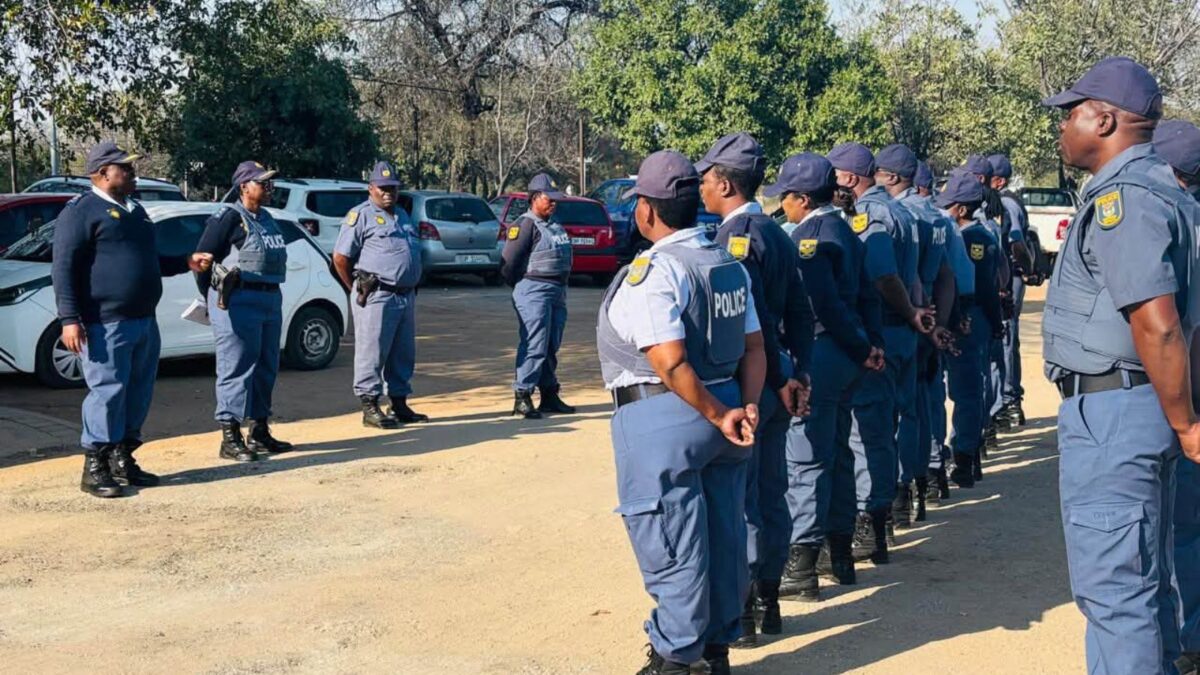
Cape Town’s lack of detectives coincides with the city’s plague of crime issues, specifically in the Cape Flats.
The Cape Flats have become synonymous with violent crime and gang culture in recent years, but Hill-Lewis opposed this idea.
“We must never, ever accept that this is ‘just how things are’ on the Cape Flats,” he said.
He explained that the crime problems plaguing the area result from inadequate policing and investigative work.
“Cases are moving slower than they should, or not moving at all, because the person meant to investigate them isn’t there,” he said.
In the first three months of 2026, the Western Cape had over 68,000 violent crimes reported, the second highest of any province behind Gauteng.
Within these crimes, the Western Cape recorded the highest number of gang-related murders and assaults.
The province also faces difficulties convicting criminals after they have been arrested, with 49% of firearms cases not reaching court.
This is often due to missing forensic evidence or incomplete investigations by the SAPS, leading prosecutors to reject the cases.
In June 2025, the DA alleged that only 5% of firearms-related arrests ever ended in convictions.
The party said metro police officers were working to arrest criminals, but SAPS was “dropping the ball” in its investigations afterwards.
Hill-Lewis believed that the low conviction rate demonstrates the need for additional detective squads in Cape Town.
He said the city would go to the courts to establish its own investigating unit if SAPS attempted to block its formation.
“We must stop asking nicely and just do it, and we must take the fight to SAPS and the national government,” he said.
“You cannot have it both ways. You cannot fail to do the job yourself and then block the people who are willing to do it.”







 Loading ...
This DA is so stupid. If they supported Cape Exit, they could have had it all. Own police force, ext. O and much much more money to make this new country the prime model for Africa