
The 153-year-old South African town collapsing in front of everyone’s eyes



Lichtenburg in the North West Province was once the heart of a diamond rush in South Africa, but years of corruption and maladministration have left it on the brink of collapse.
The town was founded in 1873 as an agricultural hub, and the 1920s diamond rush put it on the map. Tens of thousands of people flocked to the region in search of quick riches.
So vast were the riches of the area that in 1927, diamond production on the Lichtenburg diggings reached a peak of 2.1 million carats of alluvial diamonds produced.
After the diamond rush subsided, Lichtenburg remained an important region for South Africa, returning to its agricultural roots.
It became a critical part of South Africa’s agricultural value chain, particularly in maize, sunflower, and meat farming, and served as an agricultural hub in the province.
The town lies at the heart of the maize triangle, South Africa’s main maize-growing area,
Cement production is another core economic activity in the area, with four major cement producers located there.
Given its importance in the region, the town is the administrative centre of the Ditsobotla Local Municipality, covering 6,500 square kilometres and 11 towns and villages.
Despite its historic and regional importance, the once-bustling and productive region has been plagued by the collapse of basic services, political instability, corruption, and financial mismanagement.
The collapse did not happen quickly. Issues arose as early as 2010, and the Auditor-General issued disclaimers. These failures continued for the next decade.
Problems were laid bare in 2021, when Clover closed its flagship cheese factory in Lichtenburg, citing poor service delivery and ongoing issues with water supply, electricity, and road infrastructure.
In 2022, President Cyril Ramaphosa described it as a town taken over by gangsterism, flagging corruption, capture and looting by officials.
At this point, political factions had emerged, which resulted in the region forming two sets of leadership, including two mayors and two municipal managers.
This led to even further deterioration in services, and political infighting and self-interest took precedence over the residents.
Under administration, but residents still suffer

The situation became so dire that the municipality was placed under provincial administration in 2023. However, this had no impact on the region’s recovery.
The battle between the two sets of leadership continued through to 2025. That year, residents, frustrated by the lack of change, shut down municipal offices and demanded new leadership.
This was followed by the municipality’s placement under national administration in September 2025. Despite the national government’s intervention, efforts have again proven ineffective.
The Select Committee on Cooperative Governance and Public Administration noted in April 2026 that while the municipality had made some administrative progress, little had changed for residents.
It said that positive moves were made by stabilising council leadership, appointing a singular mayor and municipal manager, and improving council structures.
However, it noted that these advancements had not resulted in actual service delivery.
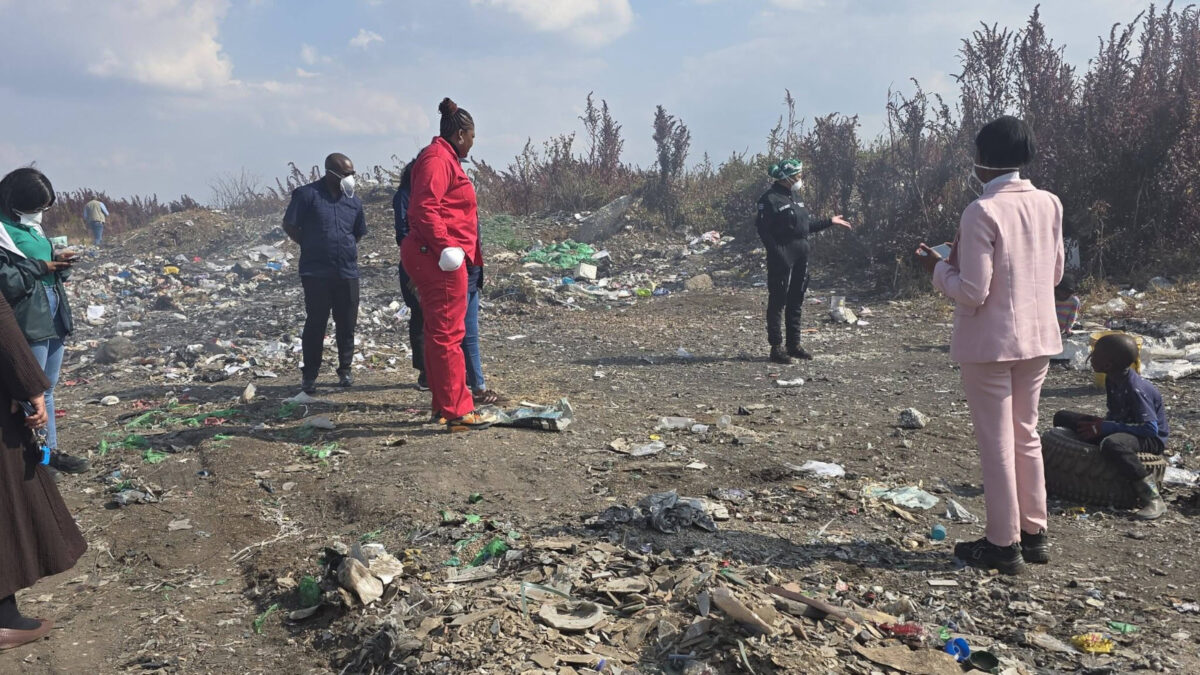
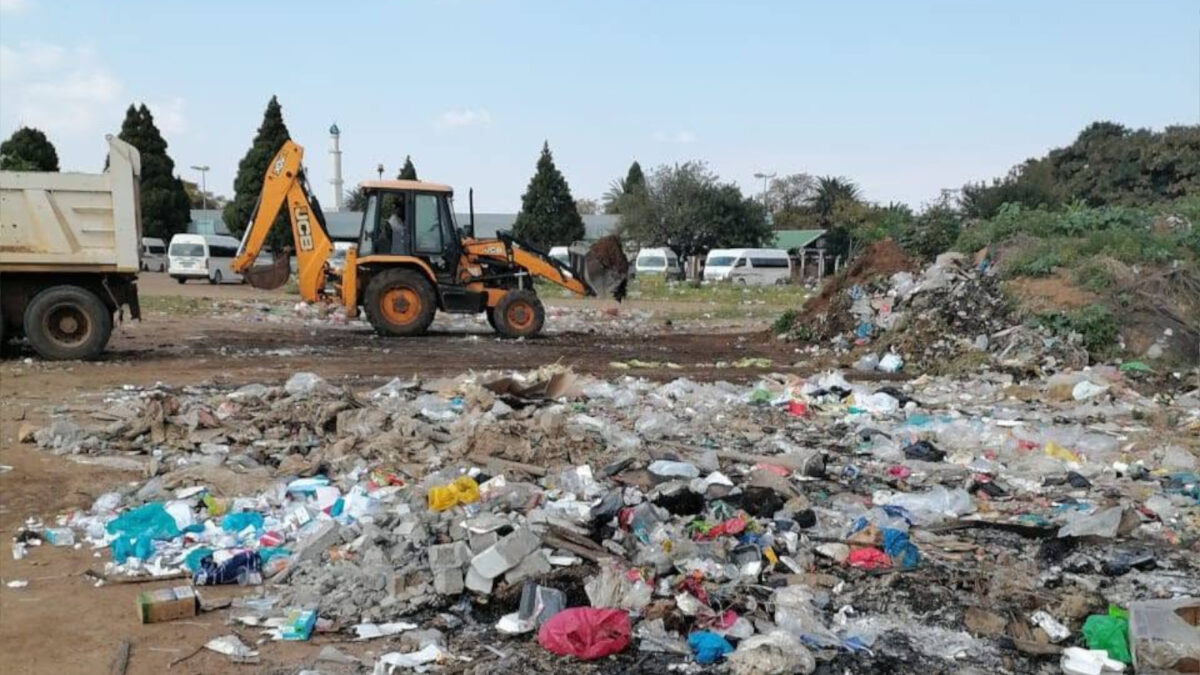
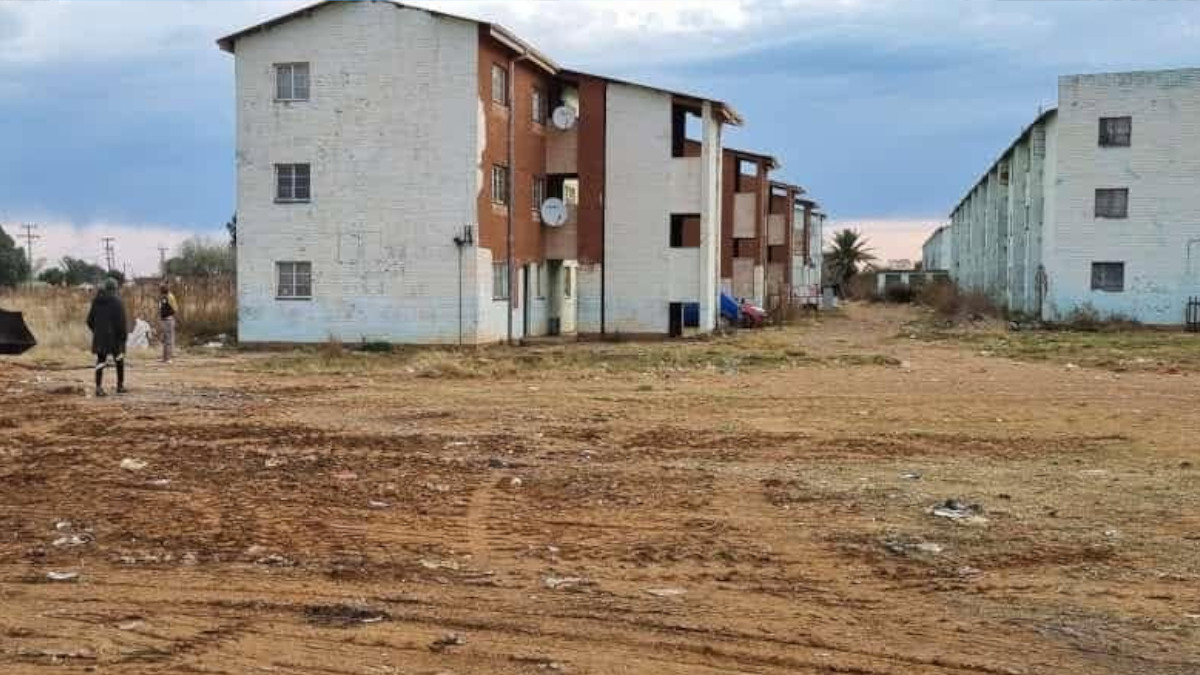
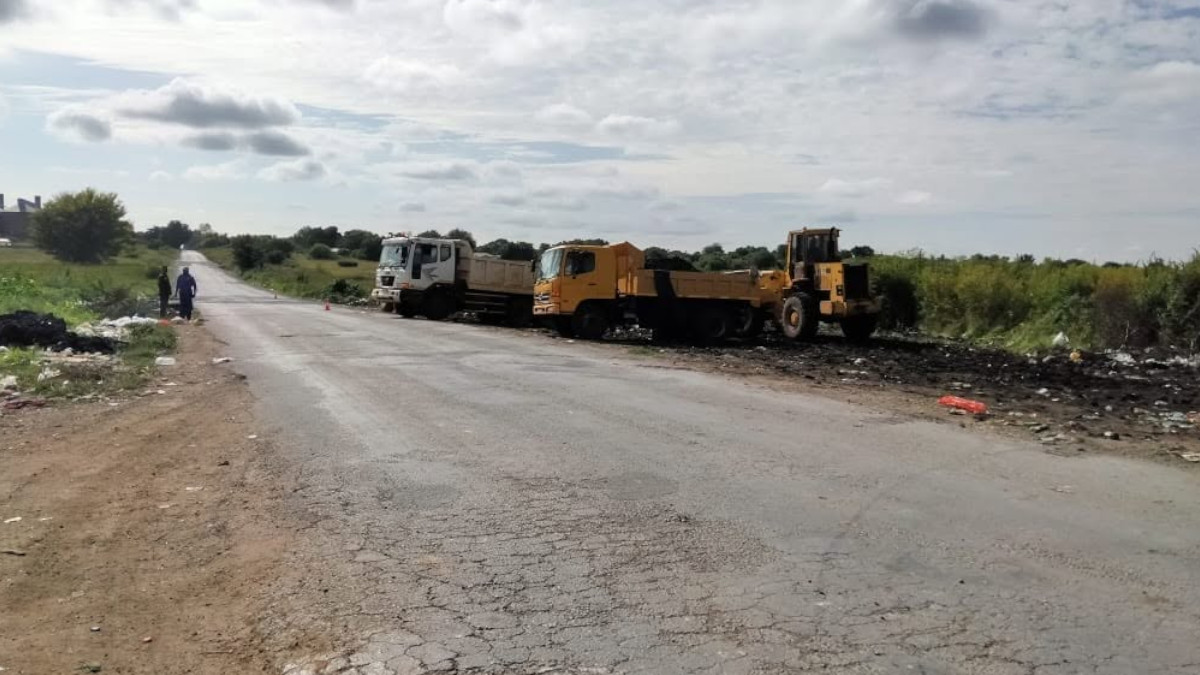
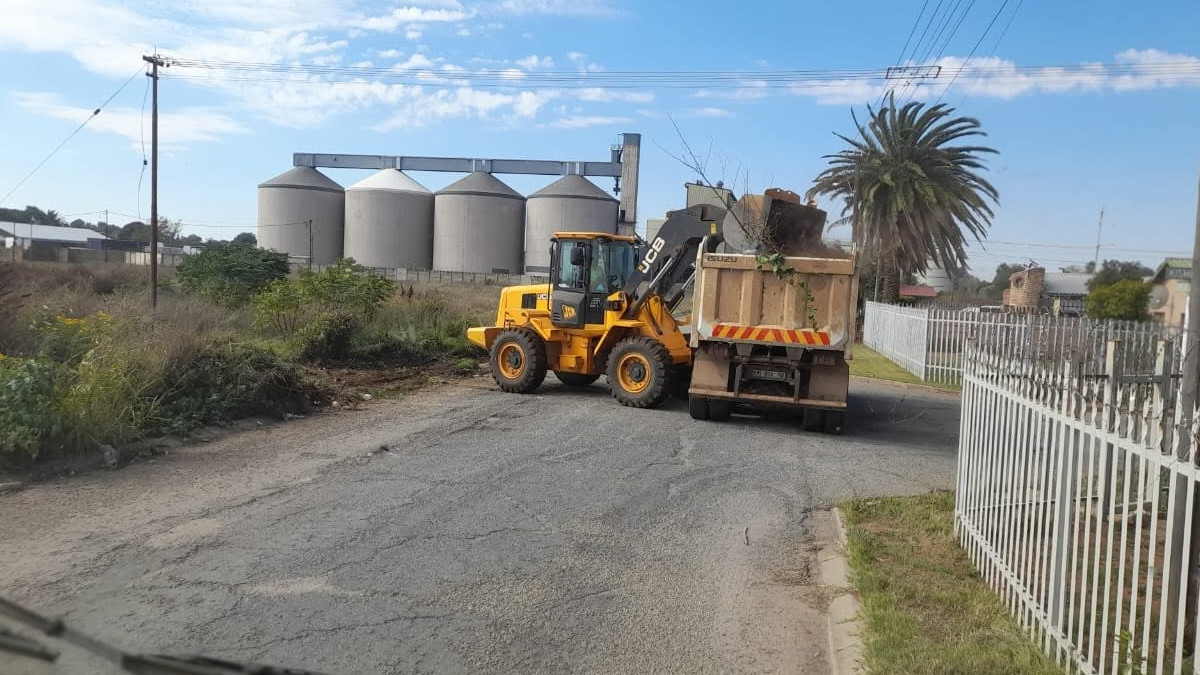
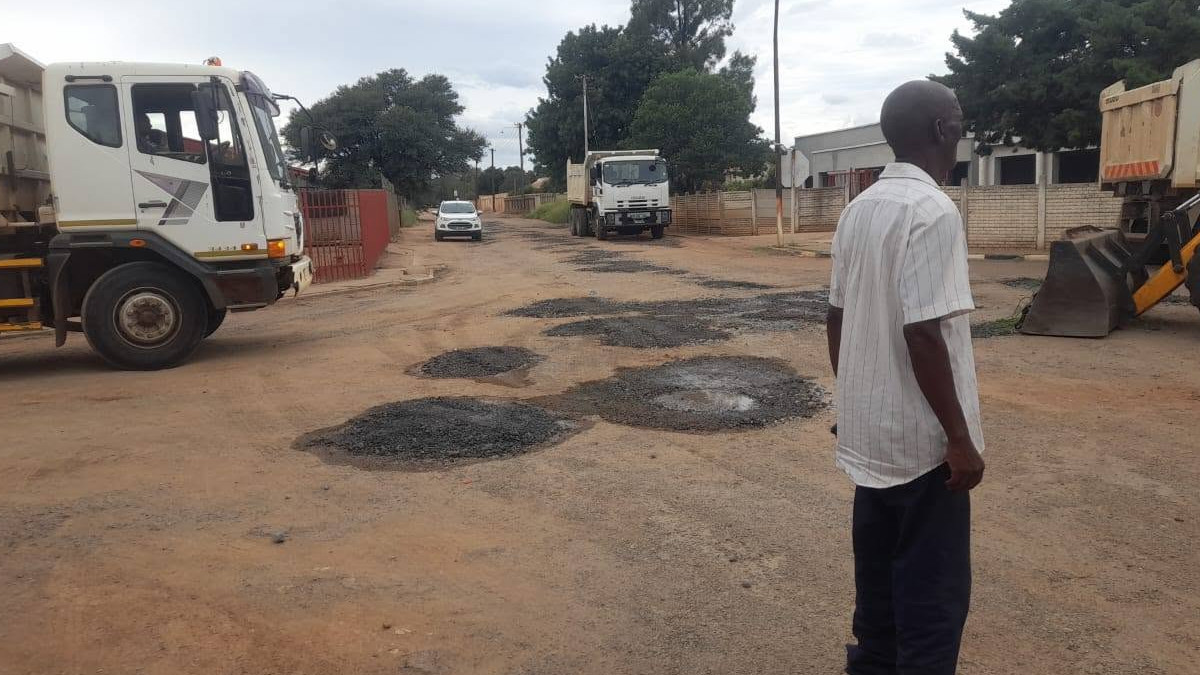
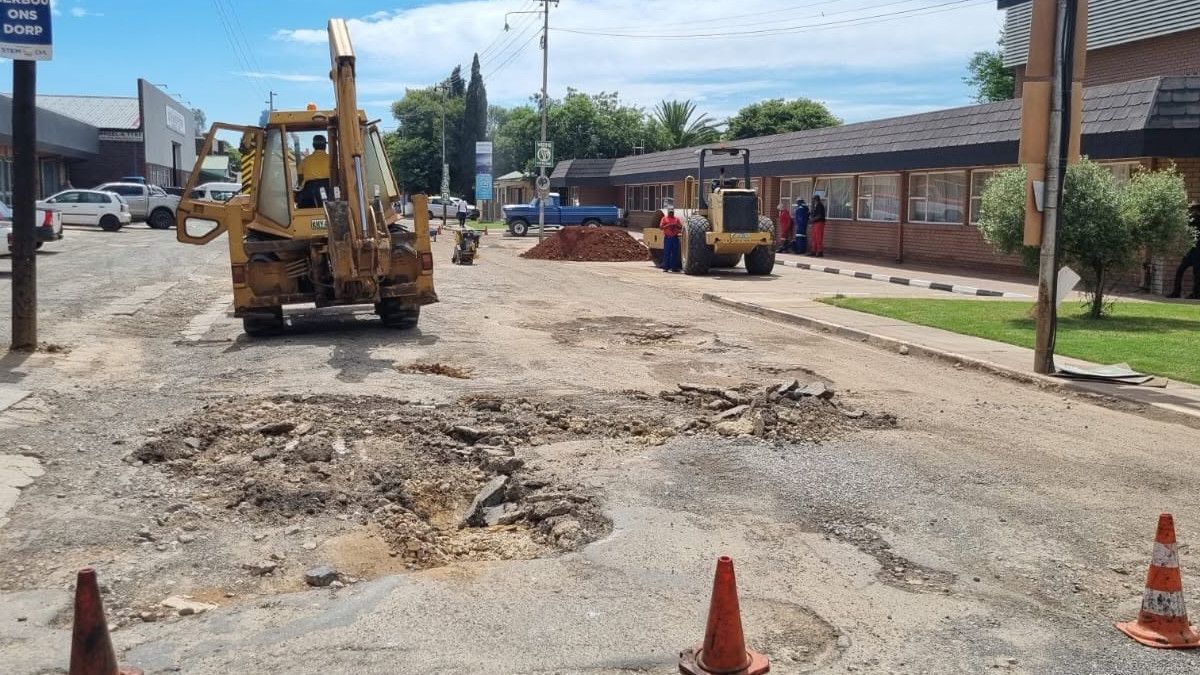
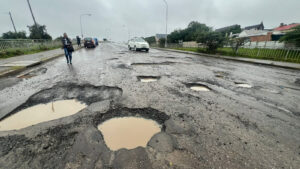
Residents continue to face significant service delivery issues, including inadequate water supply, sanitation problems, challenges with refuse removal, electricity outages, and poor infrastructure.
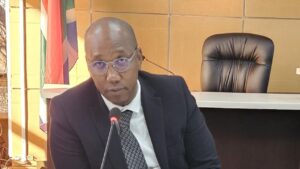
In the municipality’s integrated resource plan adopted in June, municipal manager Olaotse Bojosinyane said the region was grappling with multiple, entrenched failures.
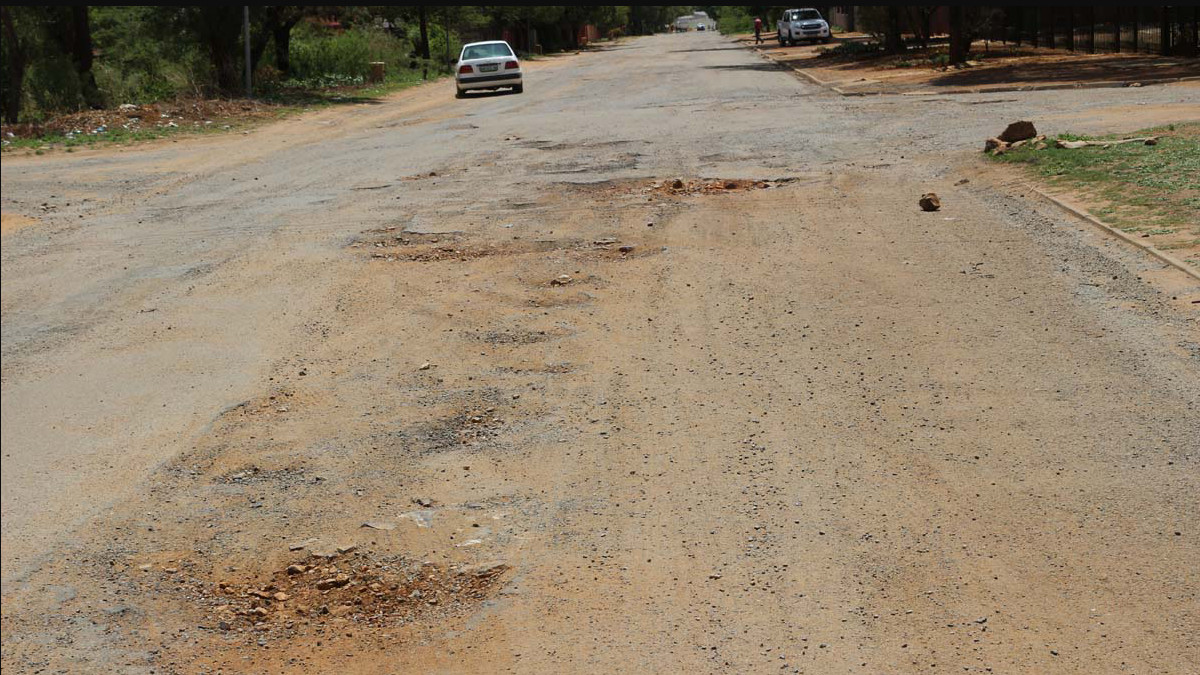
“We are currently grappling with a critical water security crisis, aged electricity networks operating at near-total capacity, and a road network in a state of advanced structural decay,” he said.
“These are not merely technical failures; they represent a breakdown in the social contract with our community.”
Mayor Witness Morutse said that the council is working with the mandatory national interventions to aid the municipality’s financial recovery and restore good governance.
“Our mission is to move from a state of crisis to a state of resilience,” he said.
The Select Committee urged national government departments to step up their focus on the region to “save it from complete collapse”.
Lichtenburg Photos





 Loading ...
Another example of the systematic destruction of our country’s wealth.