
Company which won R280 million in government tenders under the spotlight


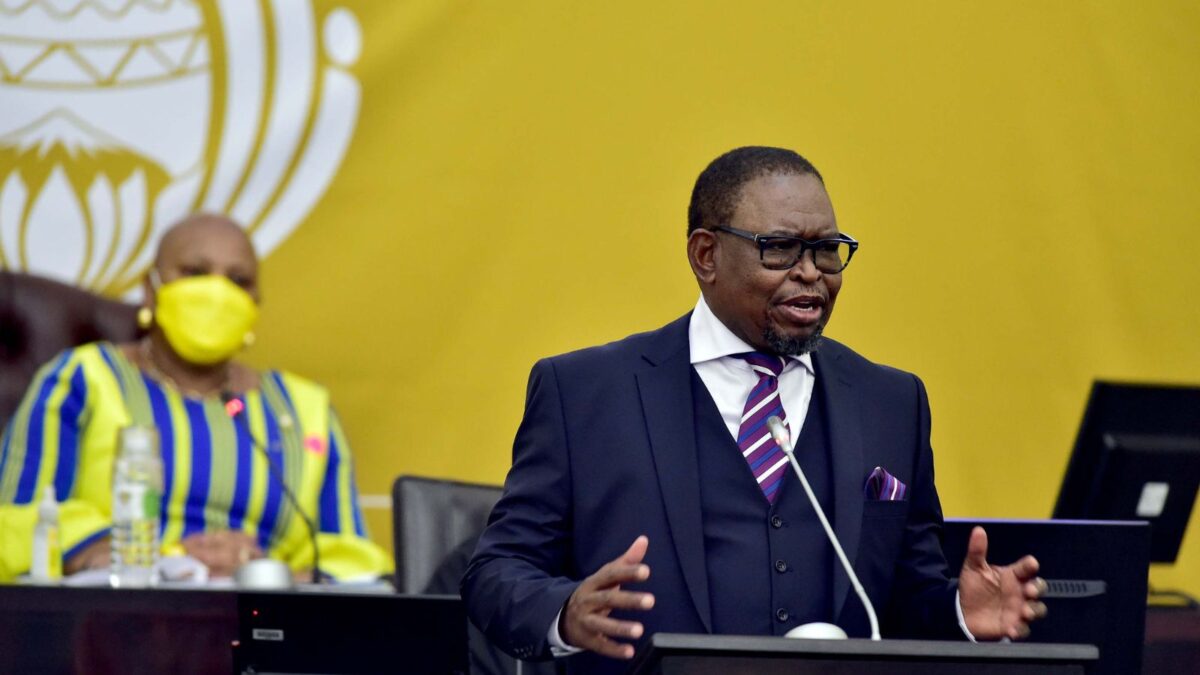
The National Treasury is planning to investigate potential foul play in the awarding of tenders for foundation phase textbooks.
The investigation has been prompted by allegations against Lighthouse Publishers, a relatively small education publisher.
When the government awarded its textbook tenders, the small publishing house secured a large number, outperforming many established publishers.
These government tenders represent a big opportunity for publishers, who would relish the opportunity to sell to South Africa’s government schools.
Lighthouse received approximately R280 million in government tenders, representing over a quarter of the tenders awarded.
The total value of the tenders was R1.6 billion, which was divided amongst 19 different publishers.
This impressive performance by Lighthouse was quickly noticed, with the business outperforming major publishing houses such as Macmillan and Juta.
The performance also came with scrutiny, as many people initially questioned how such an unknown publishing house could afford to design and submit so many tender applications.
Investigations also revealed that the company lacked the capacity to print its own materials, an important point because the Education Department required physical submissions.
The company further lacked a presence in the educational publishing industry, which raised suspicions among many.
The suspicions quickly turned into accusations, with political parties and publishing houses all calling for a review of the tender approval process.
Publishing houses raised concerns about the tender application process, which they say is difficult to understand and inaccessible to smaller companies.
It was curious that a new, unknown company like Lighthouse could understand the tender process and secure so many contracts.
After these allegations were brought forward, South Africa’s government instructed the Treasury to investigate the tender approval process.
The Treasury has since responded, saying it cannot determine with certainty if the process was fair, making a full review necessary.
More investigation is needed
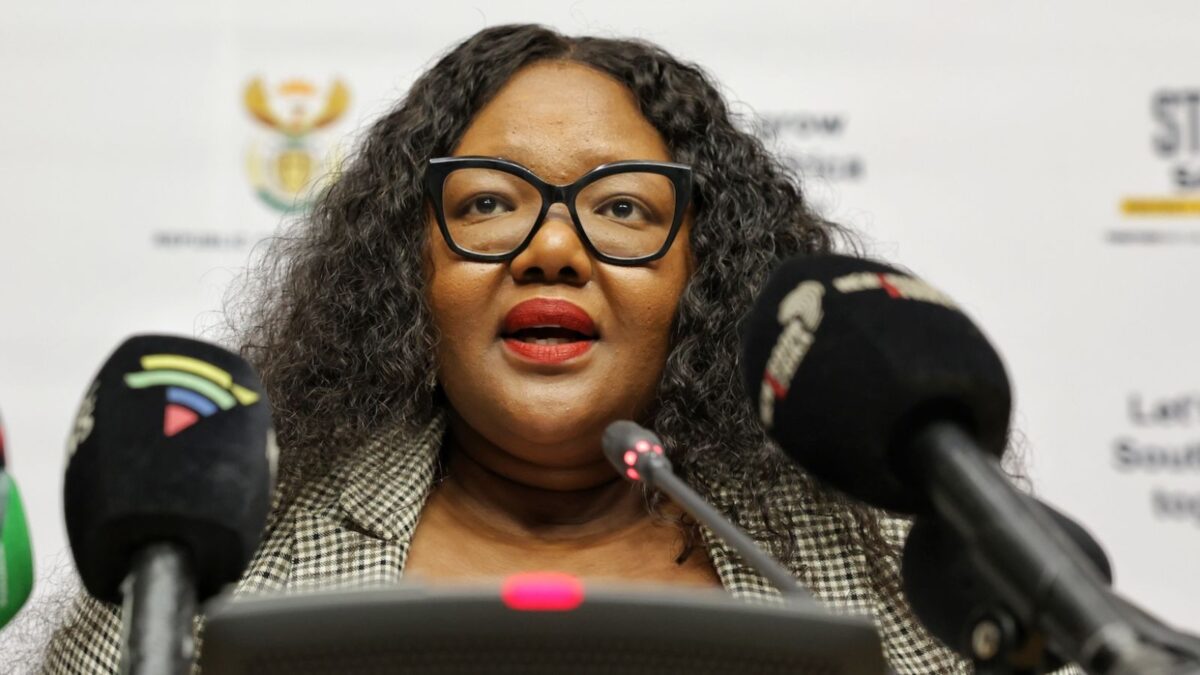
The National Treasury’s decision to investigate the procurement process also brought some clarification regarding previous suspicions.
The Treasury and the Department of Education clarified that the R280 million awarded to Lighthouse was not a single contract, but rather a combination of smaller tender awards.
It was also clarified that these contracts included not only textbooks but also smaller teaching resources such as posters and flashcards.
South Africa’s Minister of Basic Education, Siviwe Gwarube, said the R280 figure is not set in stone but rather an estimate of what Lighthouse could earn.
Publishers are not paid directly by the Department of Education. Individual schools decide how to allocate their budgets to textbooks and resources.
Gwarube said the R280 million was most likely an estimate of Lighthouse’s potential earnings, not a concrete number.
She added that the department would soon complete a full internal audit of the procurement process, but an external investigation would also be necessary.
This investigation could determine whether there were any irregularities in the textbook procurement process and whether investigators were needed.
Gwarube also noted that awarding textbook contracts was unlike other tenders, where a single tender is awarded to a single qualifying company.
Instead, the contracts are spread across a wide number of companies, encouraging diversity in South Africa’s school systems.
While these investigations happen, South Africans have been assured that schools will not be affected.
The new government textbooks and learning materials are meant to be used at the start of 2027, leaving little time if investigations become drawn out.
Schools would need to place orders for resources by the end of 2026 to ensure they have enough textbooks and materials at the start of the next year.
The Treasury’s conclusion that additional investigations are necessary could place pressure on schools across the country, as they scramble to prepare for next year.






 Loading ...
This reporting is entirely inaccurate and misleading. There is and was no “tender” process and no money awarded. There is a textbook submission process. Publishers submit manuscripts, which are anonymously presented, and reviewed in a very lengthy process, by educators all over the country. They then get provisional approval and have to make various changes for final submission. The books which get onto the “approved” list can be ordered by schools (who have a choice of titles to order from). This articles really needs checking for accuracy.