
Hospitals in one South African province have one nurse for every 313 people


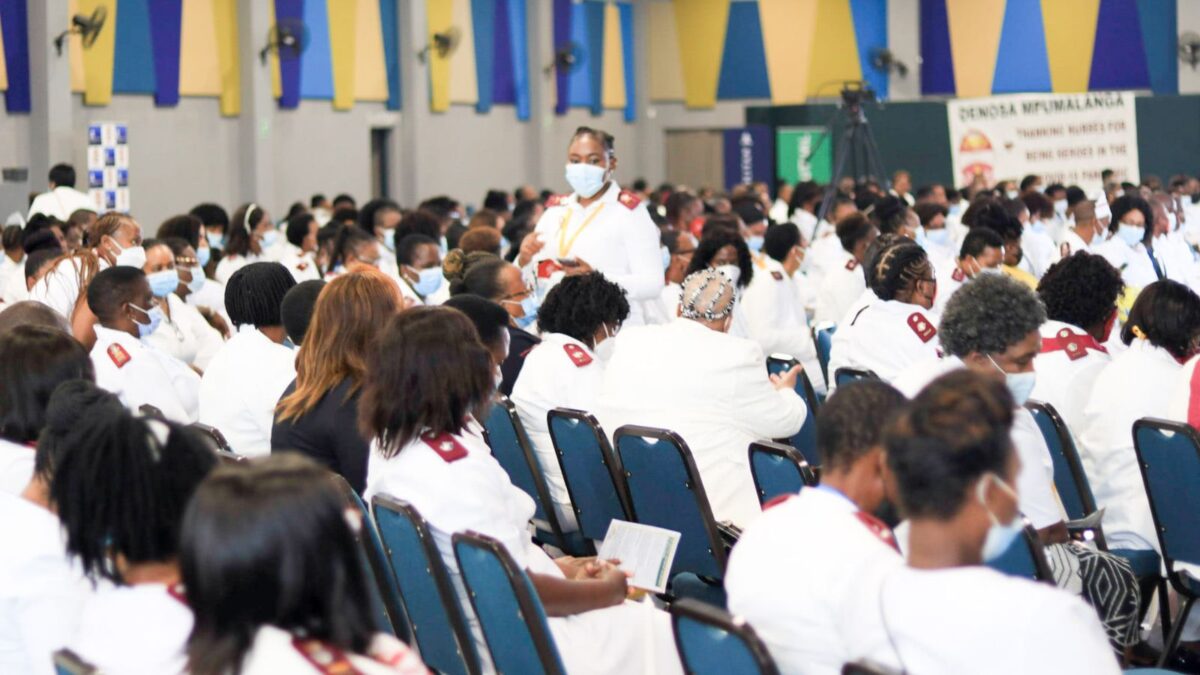
Hospitals in Mpumalanga are experiencing a funding crisis, with only one nurse available for every 313 residents.
This is one of the reasons Mpumalanga announces plans to invest over R500 million in medical infrastructure, including the construction of two new hospitals.
The Middelburg Hospital and Mpumalanga Mental Health Hospital projects would improve access to healthcare in the region, but they may come at a cost.
Prioritising infrastructure over service delivery may leave residents without adequate access to healthcare in the meantime, as staff shortages already pose a significant risk.
These staff shortages include severe understaffing among nurses, who play a key role in patient care.
Nurses in Mpumalanga have reportedly had to work double shifts to make up for shortages while taking extra work in private hospitals to earn a decent income.
This problem also affects Emergency Medical Services (EMS), which is reportedly suffering from serious mismanagement.
This often leaves Mpumalanga residents waiting long times for ambulances and emergency staff – delays which could be life-threatening.
For serious health complications such as heart attacks and strokes, receiving treatment within the first hour of the event can make the difference between life and death.
This rule, commonly known as the golden hour, is a key reason why EMS focus on timely responses and efficient care.
Without proper support, these services quickly experience delays in reaching residents and transporting patients to hospitals, with small delays often playing a major role in patient outcomes.
Currently, EMS in Mpumalanga has a budget of R535 million, but ambulances still do not arrive on time or at all.
The province’s total healthcare budget exceeds R21 billion, yet staff shortages and service delays remain peculiar.
This shows that the department has the resources to serve the community, yet residents of the province still suffer from poor service delivery.
Management is the real issue
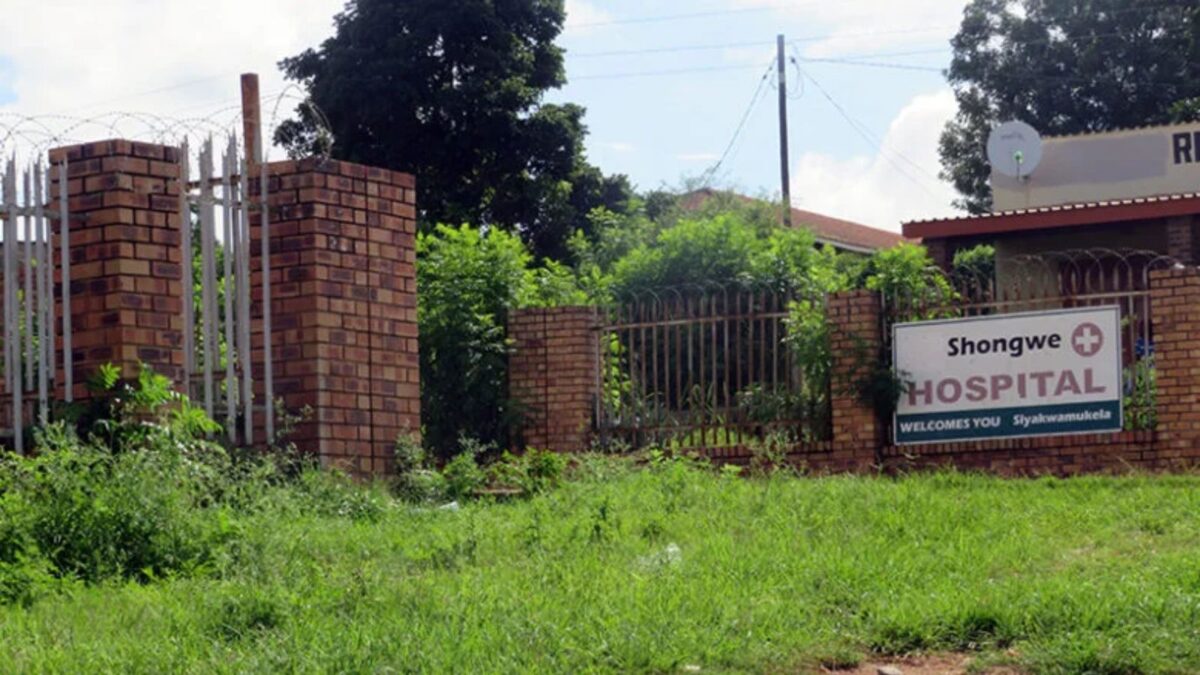
Freedom Front Plus (VF Plus) provincial legislature member in Mpumalanga, Werner Weber, said the poor service delivery in the province is unacceptable.
He said the biggest challenge facing the province’s healthcare department is not a lack of funding, but poor management.
The province’s R21.1 billion healthcare budget is the fifth-highest in the country, intended to serve approximately 5 million residents.
This budget seems in line with other provinces, with every province, including Mpumalanga, having per capita healthcare spending between R4,000 and R5,000.
Weber says despite this healthy budget, the province still cannot adequately serve its residents. “Service delivery on the ground remains inadequate due to poor execution and a lack of accountability,” he said.
He said the lack of nursing staff should be a serious concern for Mpumalanga’s residents, calling the patient-to-nurse ratio “dangerously high”.
This issue is not unique to Mpumalanga – nursing shortages are a critical concern in countries such as the U.K. and the U.S.
These shortages place tremendous pressure on healthcare systems, leaving patients without adequate care in many instances.
Weber said the shortage in Mpumalanga is due to administrative failures, which unfairly affect “exhausted nurses”.
He said the issue in Mpumalanga is not a lack of budget to pay nurses or fund EMS operations – the problem is mainly administrative.
“The core problem in the province’s healthcare system is not a shortage of funds, but a lack of competent management, political nepotism, and the protection of cadres at the expense of patients,” he said.
He also highlighted the R500 million earmarked for medical infrastructure, despite the current failings in service delivery.
More hospitals could benefit Mpumalanga’s residents, but if the province cannot adequately staff its existing hospitals, the new projects might only extend existing problems.










 Loading ...
Citizens are to start demanding marching and toy-toying to have all politicians and senior government employees use the state resources and institutions such as hospitals clinics also take the excessive privileges away.
See how fast these then become functional and effective.