
Bad news about inflation and interest rates in South Africa


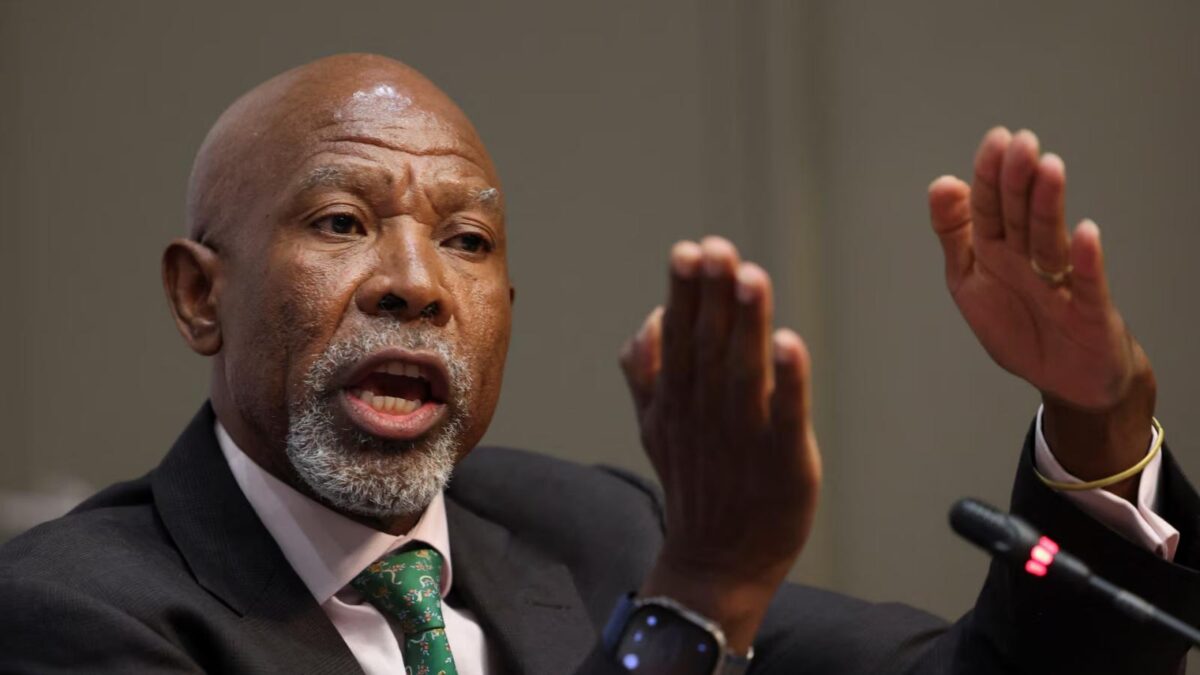
Inflation continues to rise in South Africa, which means that the South African Reserve Bank (SARB) may consider another interest rate increase.
Inflation and interest rates are linked through monetary policy. Central banks use interest rates as their primary lever to manipulate borrowing costs.
Higher interest rates mean people have less money to spend. Lower consumer spending should therefore bring down inflation.
The South African Reserve Bank has an inflation target of 3%. This means that when inflation exceeds the target, it will consider raising interest rates.
In May 2026, Consumer Price Index (CPI) inflation jumped to 4.5% year-on-year, driven by the second month of diesel and petrol price hikes.
The petrol price rose by R3.27 per litre and the diesel price by R6.19 per litre because of the conflict in the Middle East.
The R3.00 per litre cut in the general fuel levy helped to reduce the impact of higher oil prices. Without it, the cumulative increase in fuel prices would have been much higher.
“As petrol is the main fuel contributor to CPI, this drove a 0.6% month-on-month lift in CPI from this source alone,” said Investec chief economist Annabel Bishop.
“In June, the petrol price rose a further R1.43 per litre, which will push CPI inflation to nearer 5.0% year-on-year in the next print.”
She explained that the South African Reserve Bank’s upper tolerance band for year-on-year inflation of 4.0% had already been exceeded in May.
Some consolation is that petrol price cuts are now indicated for July. However, it will be reduced by the planned reversal of the general fuel levy cuts.
“Excluding food, non-alcoholic beverages, fuel and energy prices, the core measure of CPI inflation jumped to 3.8% y/y from 3.6% y/y,” she said.
“The underlying inflationary pressures on second-round effects are coming through into the inflation data.”
Simply put, inflation is now well above the Reserve Bank’s 3% target, which is not good news for South Africa’s interest rates.










 Loading ...
There is a debate to be had that local inflation is not demand-driven, and that higher interest rates will only serve to hurt the economy.