
Where Vodacom hid the ‘Please Call Me body’



Vodacom’s financial reports for the 2026 financial year hid how much it paid Kenneth Nkosana Makate to settle the Please Call Me case.
Although the real amount will likely remain confidential, there are a few places where Vodacom could have hidden this payment.
On 5 November 2025, Vodacom announced that its board had approved an out-of-court settlement agreement with Makate.
Vodacom further stated that the settlement was accounted for in the group’s interim results, which are due to be released on 10 November 2025.
It did not disclose the actual financial figures or specific terms of the agreement in its SENS statement due to confidentiality clauses.
However, soon afterwards, the company revised its expected earnings for its interim financial results after recognising a “one-off cost” that impacted the period.
The impact of this one-off cost on the earnings per share suggested that the settlement reduced Vodacom’s earnings by R353 million and R748 million.
This is based on the difference between the old and new earnings ranges, and between the old and new high ends of the earnings range.
This settlement was far higher than the R47 million, which Vodacom CEO Shameel Joosub determined that Makate should be paid.
It was also significantly lower than the multibillion-rand settlement Makate and his legal team were fighting for.
Vodacom did not mention much about the issue in its latest annual report, which was for the financial year which ended on 31 March 2026.
All it said was, “Pleasingly, we settled the Please Call Me matter out of court and both parties are glad that finality has been reached.”
Where Vodacom could hide the ‘Please Call Me body’
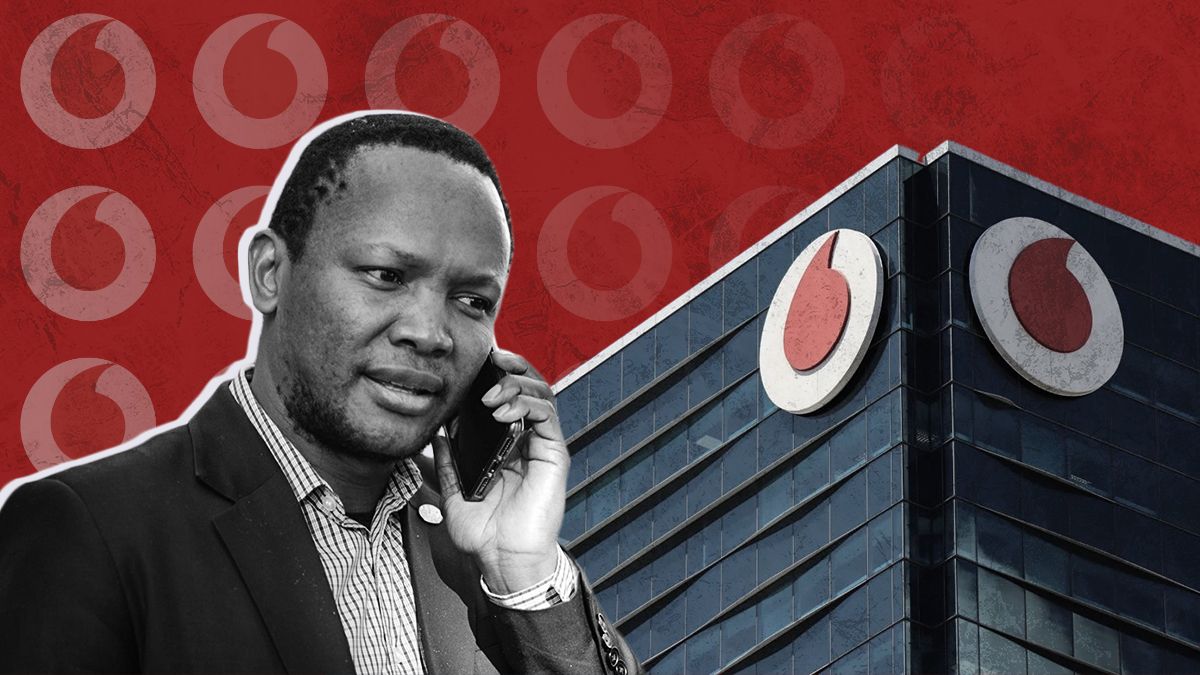
The lack of details on the Please Call Me settlement amount raised questions about where Vodacom could have hidden such a large amount. There are a few options.
One of the likely places to hide a settlement in the range, which the earnings per share suggested, was ‘Other Provisions’.
This category is distinct from legal, regulatory, and employee benefit provisions, making it a primary location for large, non-standard settlements or payments.
In the 2026 financial year, Vodacom utilised R467 million under the category of “Other provisions”. This is in the range of what Makate was likely paid.
If the payment was not drawn from ‘other provisions’, it would likely be buried in the broad “Other operating expenses” category.
This category increased from R23.41 billion in the 2025 financial year to R24.02 billion in the 2026 financial year.
A large payment to Makate would affect the “Other operating expenses” line item by only a small percentage, making it a good place to hide such a payment.
There is an outside chance it was included in standard staff expenses, which usually cover recurring salaries and bonuses.
The Remuneration Committee has the authority to exercise discretion in exceptional circumstances, such as the Makate case.
However, Vodacom’s staff expenses only increased by 6.2% from the 2025 to 2026 financial years, and the amount is not large enough to hide approximately R500 million.









 Loading ...
So where does one hide a huge BEE payout?
According to this article, there are many places, and the larger the company making the payout the easier it becomes.
We now need a new soap opera – or at least “Series 2” – time for MTN to sue both Vodacom and Makate for stealing their intellectual property.