
The disaster that could boost or break John Steenhuisen’s career


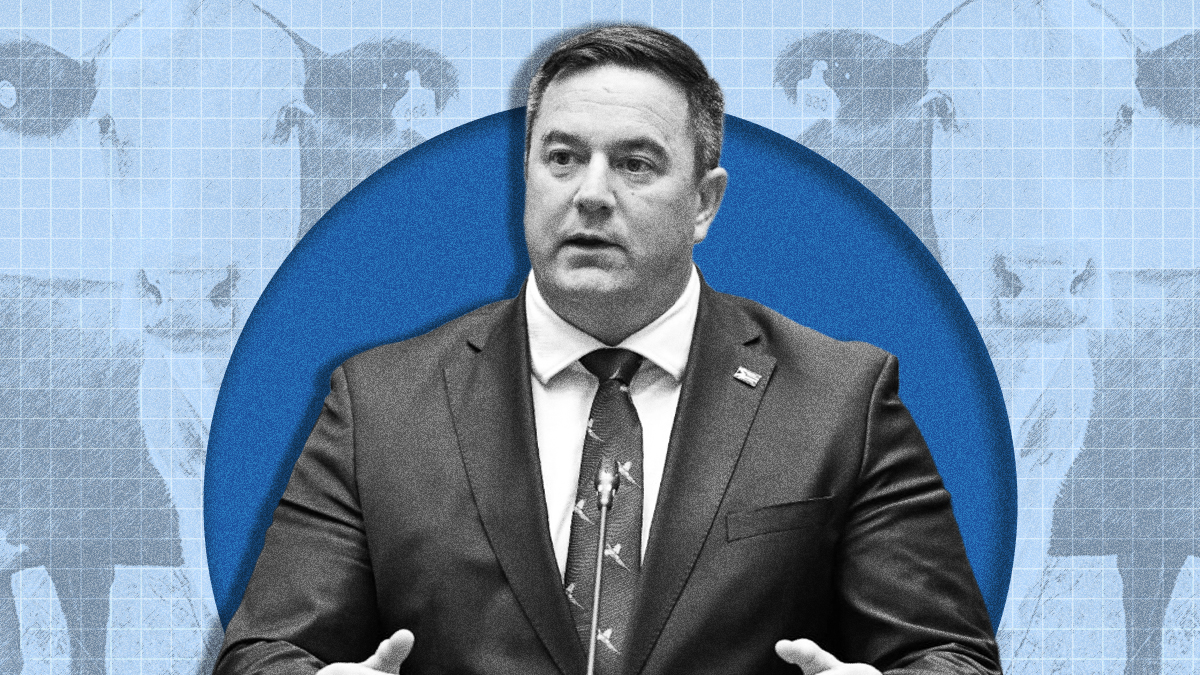
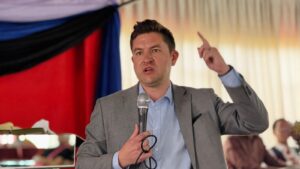
The current outbreak of Foot and Mouth Disease (FMD) has reached the point of national disaster, and all eyes are on how Minister of Agriculture John Steenhuisen manages the crisis.
“The issue about the disease is indeed one of the most major challenges for Steenhuisen, because this is such an old phenomenon in South Africa, in fact, it goes back to the previous century,” political analyst and Professor at the University of South Africa, Dirk Kotzé, told Newsday.
“It has been an issue in the South African cattle industry all the time. So being able to deal with it is a challenge that has not been overcome by any of the former governments, and if he can do that, it would be an absolute breakthrough and a big achievement for him.”
On 14 January, John Steenhuisen announced he would ask Cabinet to declare the outbreak a National State of Disaster. On 21 January, the Minister officially appointed an FMD Industry Coordination Council.
“I am fully committed to doing whatever it takes to beat FMD. This council will engage directly with me, and its input will be taken seriously,” Steenhuisen said.
“Government cannot do this alone; we need the full strength of the private sector, farmers and veterinarians collaborating with us.”
However, this comes months after the minister denied the outbreak was out of control, and after South African farmers had resorted to legal action to demand transparency on the containment efforts that were not yielding any tangible results.
FMD is a highly contagious viral disease that affects cloven-hoofed animals such as cattle, sheep, goats and pigs.
While it poses no food safety risk to people, it can cause serious economic harm if not controlled.
The current outbreak began in April 2025 in KwaZulu-Natal, and has become one of the most persistent and damaging waves of FMD that South Africa has ever seen.
Animals rarely die as a direct result of the disease, but secondary effects can be extremely dangerous, resulting in weight loss, hooves and teats blistering and rotting, mastitis and death.
A daunting task
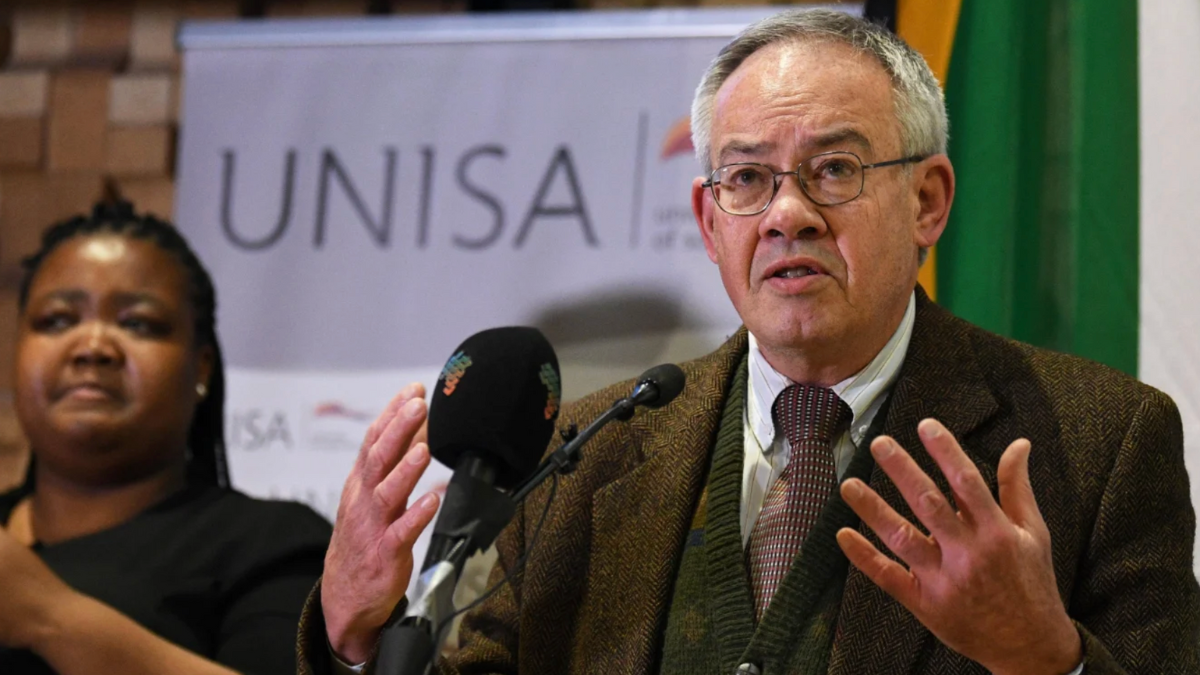
Kotzé said he thinks that labelling the disease as a national disaster will help control the transport of cattle between provinces by getting the police and the military involved, which has a chance of controlling the spread
“If he can get the support of President Ramaphosa and it is declared a national disaster, then it has a better chance of being dealt with,” Kotzé said.
“If Steenhuisen does succeed in reducing the spread of the disease, then it will become a major achievement for him in his capacity as minister.”
Kotzé said this will likely not have a significant impact on his career within the Democratic Alliance (DA), but more so on his career as a political manager and the role he plays within the cabinet.
“Remember the previous minister of Agriculture was Thoko Didiza, she was very successful and now is the speaker, but this was one of the issues that she could not resolve, so if Steenhuisen can do that, it will give him a status within parliament and cabinet,” he said.
“But it is a daunting task. It’s not something that can be solved in a few months. It’s a long-term process.”
Steenhuisen has announced a long-term 10-year plan to make South Africa completely free of the disease.
“It’s not a political issue, it’s not ideological, it’s not like some parties are for it or against it,” he said.
Farmers’ hands are tied when it comes to protecting their cattle because foot-and-mouth disease is classified as a state-controlled disease under legislation dating back to 1984.
This means that only the government may procure and distribute vaccines. Farmers are prohibited from procuring or distributing vaccines, even if they can afford them.
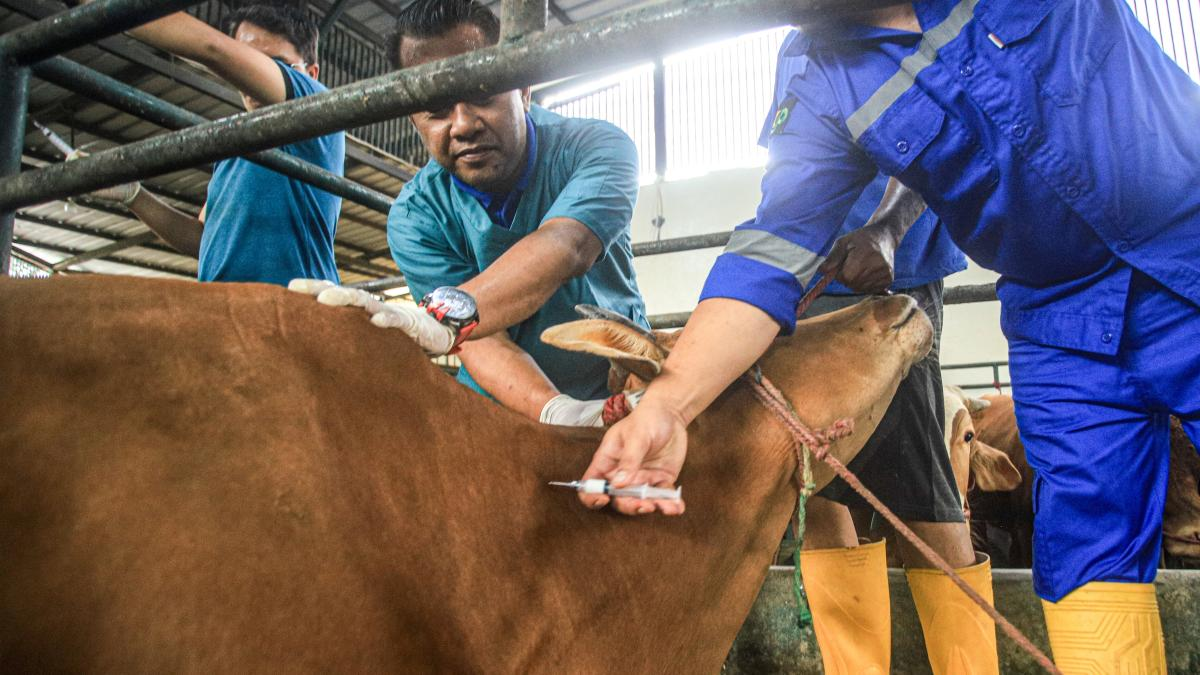
Steenhuisen recently announced plans to vaccinate the national herd of about 12 to 14 million and secure 5 million vaccine doses by March, and enable faster detection and tracking of animals.
“We now have a roadmap, and I am accountable for its delivery. If we stay focused and work together, I believe we can restore FMD-free status in less than ten years,” Steenhuisen said.
Agriculture experts are not optimistic
However, the agriculture industry is not optimistic. Speaking on an episode of In Gesprek, Nick Serfontein, a cattle farmer and chairman of the Sernick Group, said he does not think Steenhuisen’s plan will be successfully implemented.
“The regulations must change,” he said. “If this thing is to happen, the private sector must drive it,” he said.
“One of the wisest things John Steenhuisen did, aside from the national disaster announcement, which should have been done long ago, was that he grouped our best vets, scientists and farmers on FMD into a task team,” said Theo De Jager.
De Jager is the Executive Director at Southern African Agri Initiative. “But I tell you now, the Department has not accepted a single one of the task team’s recommendations. Everything is blocked. That is why we are where we are at the moment,” he added.
The Minister created a Ministerial Task Team on animal disease prevention and control in August 2025 to serve an advisory role on matters of disease prevention and control.
“Our problem has names and surnames and positions inside the Department,” added Serfontein.
The new FMD council will begin its work this week and will hold weekly meetings to provide recommendations to government.
The council includes several big names in the agriculture industry, such as CEO of AgriSA, Johann Kotzé, CEO of the Agricultural Business Chamber, Theo Boschoff and CEO of the Milk Producers Organisation, Fanie Ferreira.
Steenhuisen became Minister of Agriculture in July 2024, and while he must lead efforts to eradicate the disease, the FMD outbreak had been a long time coming.
Reports obtained by The Common Sense indicate that this was not accidental.
A 2022 government report found that animal control and vaccination policies were failing. It stated categorically that “animal biosecurity in South Africa is in a crisis.”
A total lack of movement control and no effective national chain of command to manage outbreaks made an eventual crisis inevitable.
Additionally, while the state-owned Ondersterpoort Biological Products (OBP) facility has declined due to corruption and mismanagement, sources say that some actors are working to prevent the private sourcing of vaccines, which would cut them off from lucrative tenders.
This means that Steenhuisen may just be facing the test of his political career: solving a crisis that has been a long-time coming



 Loading ...
We, yes we, pay these so called experts to prevent it…Mooketsa Ramasodi Director-General Dpt #Agriculture, Jacob Modumo CEO #onderstepoort and Emily Mogajane Ministerial Advisory Task Team on #AnimalDisease Prevention. Do you even realize the damage that has been done to the country?