
André de Ruyter’s warning about Eskom is coming true


South African households and businesses are installing more solar self-generation systems and buying less electricity from Eskom, contributing to the power utility’s ultimate death spiral.
Former Eskom CEO André de Ruyter and economist Dawie Roodt have both warned that the utility is trapped in a vicious cycle of rising electricity prices that drive away customers.
Between July and September 2026, the National Energy Regulator of South Africa (NERSA) registered 144 new generation facilities with a combined capacity of 3,129MW.
Of the new generation capacity registered during the quarter, 139 were photovoltaic solar with 2,045MW of capacity. Another 3 projects were wind farms, with a combined capacity of 1,063MW.
Year-to-date, including the 144 announced at the start of November, NERSA registered another 380 generation facilities with 5,260MW of capacity.
NERSA only tracks embedded generation systems of 100kWp or greater. Small-scale embedded generation systems installed at homes and businesses are not currently tracked, but there are estimates.
The latest data from the National Transmission Company of South Africa (NTCSA) showed significant growth in behind-the-meter rooftop solar generation.
In its system status outlook, the NTCSA estimated that the combined maximum installed rooftop solar capacity was 9,430MW in September 2026.
This represented an increase of 2,085MW over the course of a year. Since the NTCSA began estimating rooftop solar capacity in July 2022, the capacity has grown by over 7,166MW, or 316%.
For the financial year ended 31 March 2026, Eskom reported that electricity sales declined by 6.2% to 178TWh.
It attributed the decline to weak industrial demand, embedded self-generation, and improvements in energy efficiency.
Despite lower sales, it reported 4.1% revenue growth to R354.7 billion, supported by an average tariff increase of 12.74%.
The increased tariffs push more households and businesses to invest in self-generation, reducing their reliance on the grid, which further cuts into Eskom’s sales.
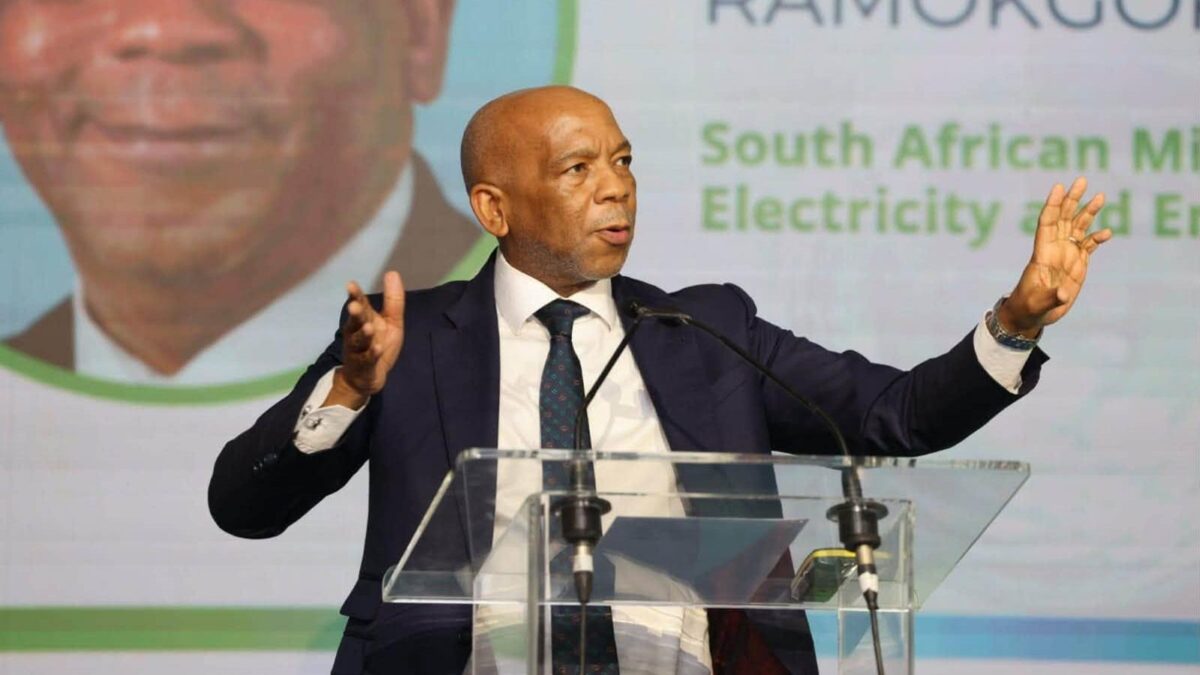
MyBroadband reported that Kgosientsho Ramokgopa, the Minister of Electricity and Energy, recently revealed that Eskom had an average surplus of 5,000MW.
While this is great for grid stability and reduces the risk of load-shedding, it also means Eskom was struggling to find customers willing to buy its product at its asking price.
Eskom enters a death spiral
Shortly after leaving Eskom, André de Ruyter warned that relentless tariff hikes would push the utility’s most valuable customers towards generating their own electricity.
Meanwhile, Roodt believes a death spiral is inevitable because Eskom cannot lower tariffs or cut costs. It is trapped in a cycle of ever-increasing prices and declining customers.
“Eskom needs the money to run an inefficient institution and to repay its debt,” Roodt said. “There is no way Eskom will accept or survive lower tariffs.”
Eskom has had plenty of warning about this trend, with three of its own former chief executive officers flagging the impending death spiral. De Ruyter was the most recent to do so.
“If you extrapolate from current trends, Eskom will eventually be left with a customer base of people who cannot afford electricity and therefore don’t pay for it,” he said in a 2023 interview.
De Ruyter’s predecessor, Phakamani Hadebe, used the term “death spiral” roughly four years earlier to describe the vicious cycle threatening Eskom.
In July 2019, the month before he resigned from the company after only a year in the role, Hadebe raised concerns about Eskom’s rising costs and declining revenue.
“We are now facing the death spiral, and this is because of a number of our clients moving off the grid,” Hadebe said.
In other words, the power utility’s customer base is shrinking, and it is selling less electricity. If it cannot reduce costs, it must increase tariffs to remain sustainable.
However, rising tariffs are driving more customers to go off-grid, resulting in further sales declines for Eskom.
You have read 1 out of 5 free articles. Log in or register for unlimited access.









 Loading ...
Eskom has raised this issue in its annual report when they reported a profit, and did highlight that effective collections and accelerating their power stations fleet maintaining as key.
Eskom highlighted the necessary balance is needed between green and coal energy,
So all this is what eskom has identified already. Which I believe the current leadership is steering in the right direction