
The rand goes from hero to zero


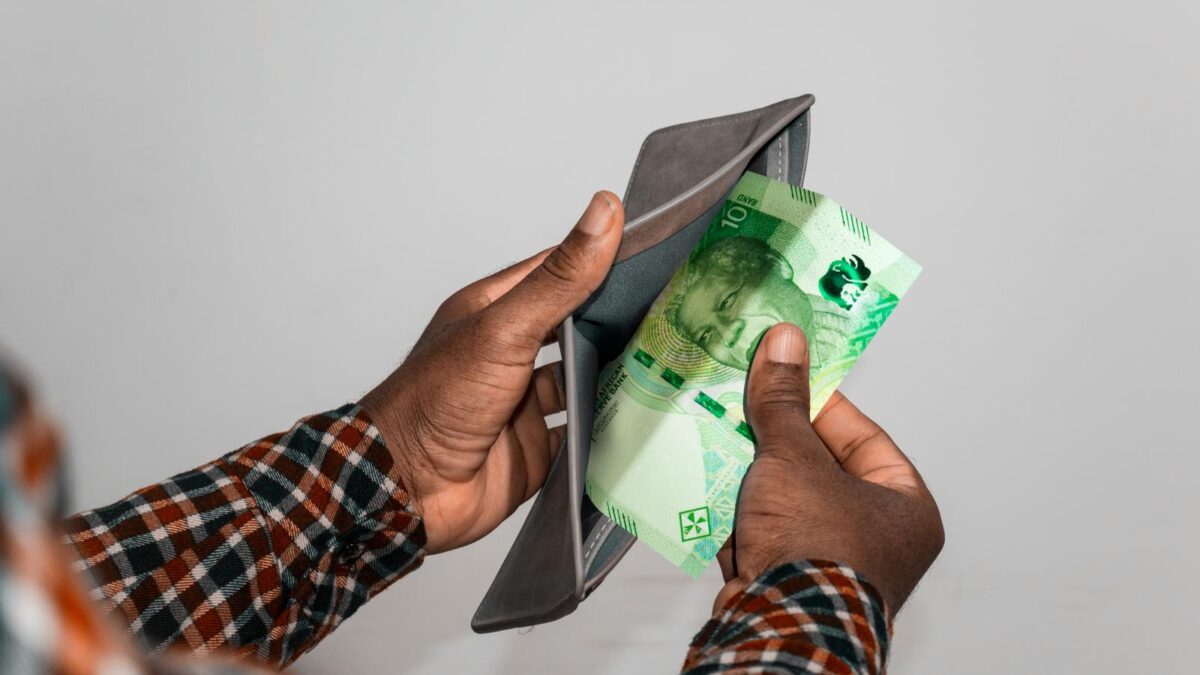
The rand touched a one-year low in trading on Friday, 20 November 2026, weakening on uncertainty over coalition talks after the 2026 local government elections.
The South African currency, which is sensitive to domestic and global developments, has been under pressure against the U.S. Dollar.
This, Reuters reported, was caused by uncertainty around the coalition talks, where the business-friendly DA is at risk of being frozen out of Gauteng’s large metros.
Johannesburg is South Africa’s economic engine, and Tshwane and Ekurhuleni are also important cities for financial growth.
Recent reports suggest that the ANC and ActionSA are close to a coalition deal in the Gauteng metros, which many stakeholders view as detrimental to South Africa.
Investors are focusing on coalition talks as a key test of whether fragmented politics can deliver stable governance in South Africa’s economic hub.
“Ousting the DA at the local government level could spill over into the government of national unity (GNU),” the Bureau for Economic Research said.
“This has the potential to destabilise national politics and has more significant implications for investor sentiment.”
In addition, the South African Reserve Bank (SARB) has raised concerns about persistent inflation in its recent repo rate decision.
Four Monetary Policy Committee members voted to keep the policy rate unchanged and three favoured a 25-basis-point increase.
According to Stats SA, headline consumer inflation rose from 4.5% year-on-year in September to 5.2% year-on-year in October.
Compared with September, headline CPI rose by 0.7% in October, the fastest month-on-month increase since May and June 2026.
This was primarily due to increases in petrol and diesel, which nudged the cost of both above or close to R30 per litre at the start of the month.
This is the pace of acceleration in almost two and a half years, which shows that the Reserve Bank’s concerns are justified.
The ANC and ActionSA dispute that the rand weakened because of them
On Wednesday, 18 November 2026, the ANC released a press statement rejecting the argument that rand weakness was caused by municipal coalition negotiations.
It blamed a strong U.S. dollar and expectations of higher U.S. interest rates for the rand’s weakness in recent days.
However, this does not explain the rand’s weakness against other currencies, such as the Australian dollar or the British Pound.
The ANC admitted that currency volatility has consequences for micro and small enterprises and increasing costs for those that rely on imported inputs.
However, it said that the Electoral Commission declared the 2026 local government elections free and fair.
“The DA received 24.64% of the national vote, roughly one vote in four. That support gives the DA a place in democratic deliberations, just as for other parties,” it said.
“Financial markets have no right to dictate those negotiations or to pressure the ANC into a coalition with the DA.”
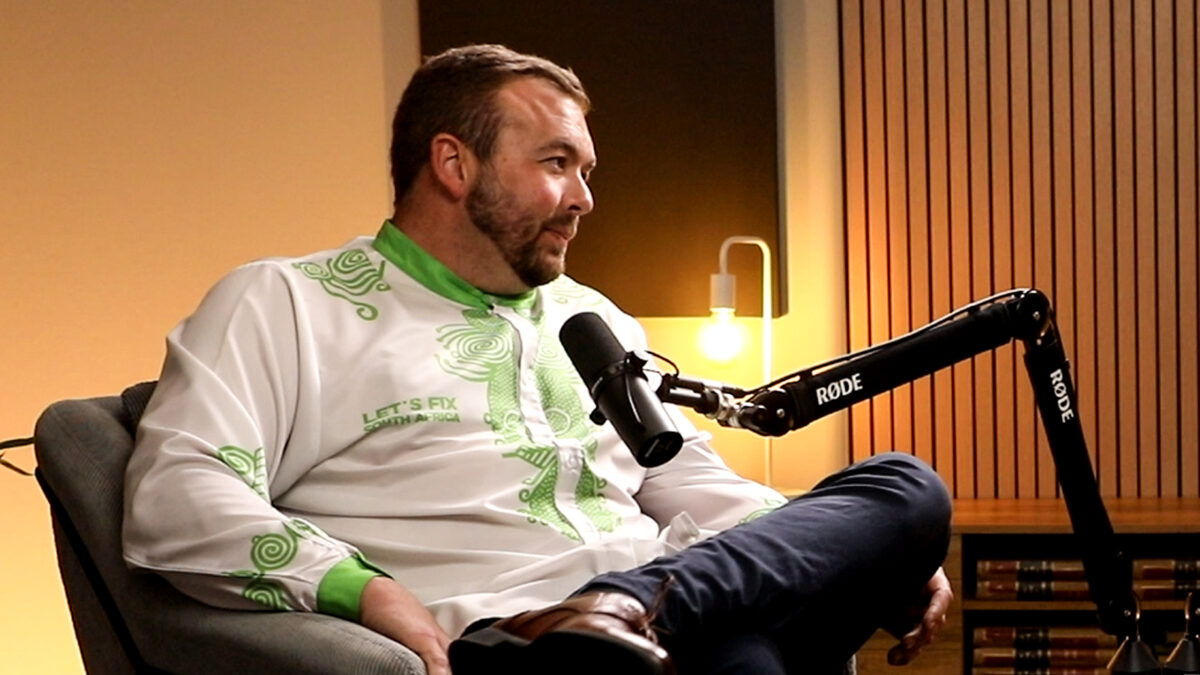
ActionSA National Chairperson Michael Beaumont also dismissed the suggestion that the weak rand is linked to local government coalition talks.
“The reality is that what you’re seeing is probably not a reaction to what’s taking place directly at a local government level,” he said.
“What we’re seeing is probably a reaction to what the spin-offs of this all might be from a government of national unity point of view.”
He added that ActionSA is not part of the government of national unity, as its statement of intent was so broad that it said everything and nothing in particular.
Reporting with Reuters
You have read 1 out of 5 free articles. Log in or register for unlimited access.










 Loading ...
Oh, this has nothing to do with _any_ dick-size wars… 🙄
In the meantime, lets totally ignore the electorate’s mandate.