
The small South African town where a major Hollywood movie was filmed and home to the world’s smallest desert


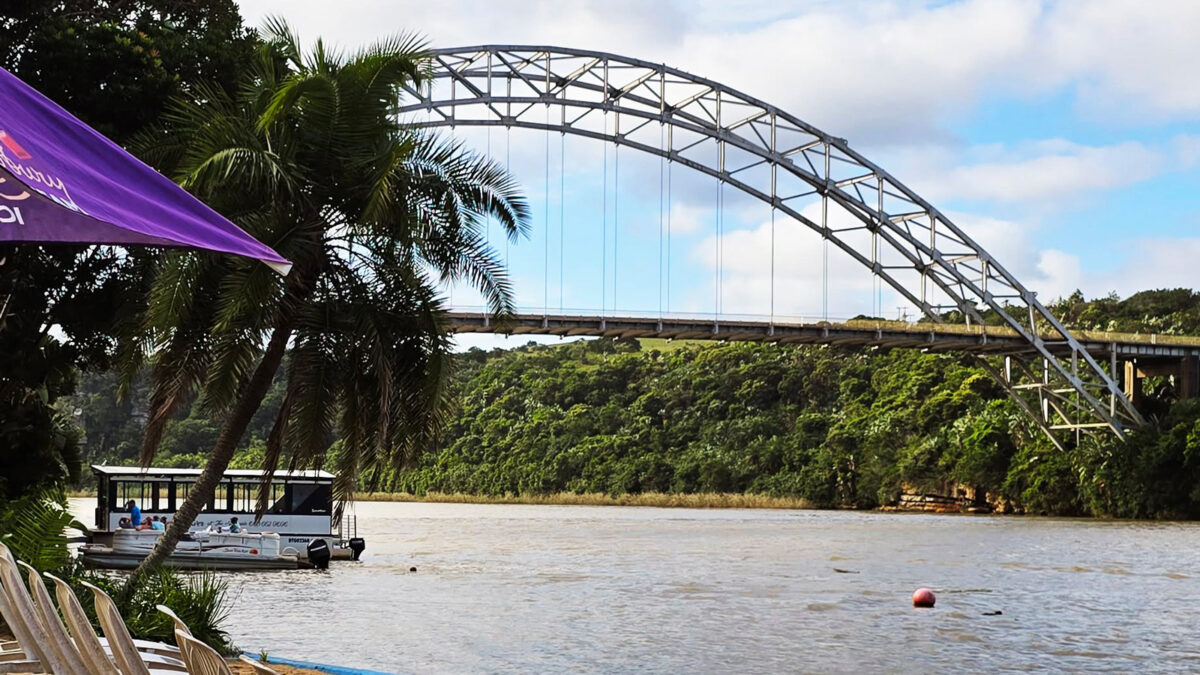
Port Edward is a tiny South African town home to the Red Desert and was used to film the big-budget Hollywood film Blood Diamond.
It has become a semigration hotspot for South Africans in recent years, with many attracted to the town for its climate, natural scenery, and affordable property prices.
Located along the ‘Hibiscus Coast’, Port Edward lies approximately 153 kilometres southwest of Durban.
It is the southernmost town in KwaZulu-Natal, directly on the border of the Eastern Cape.
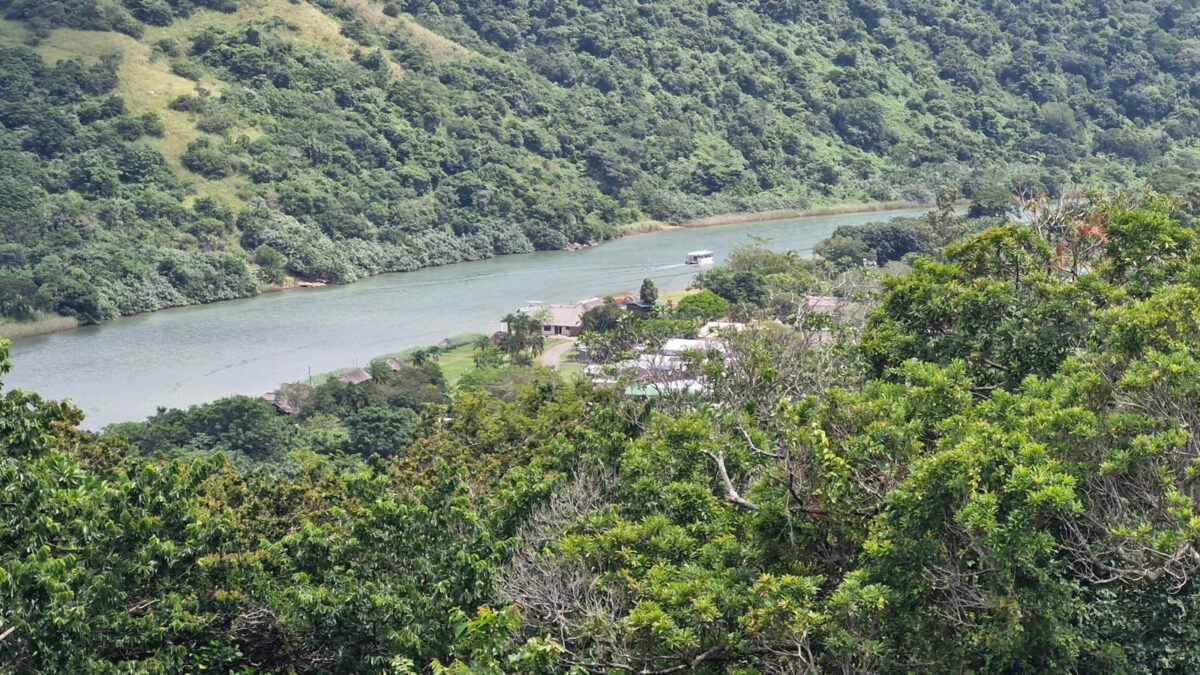
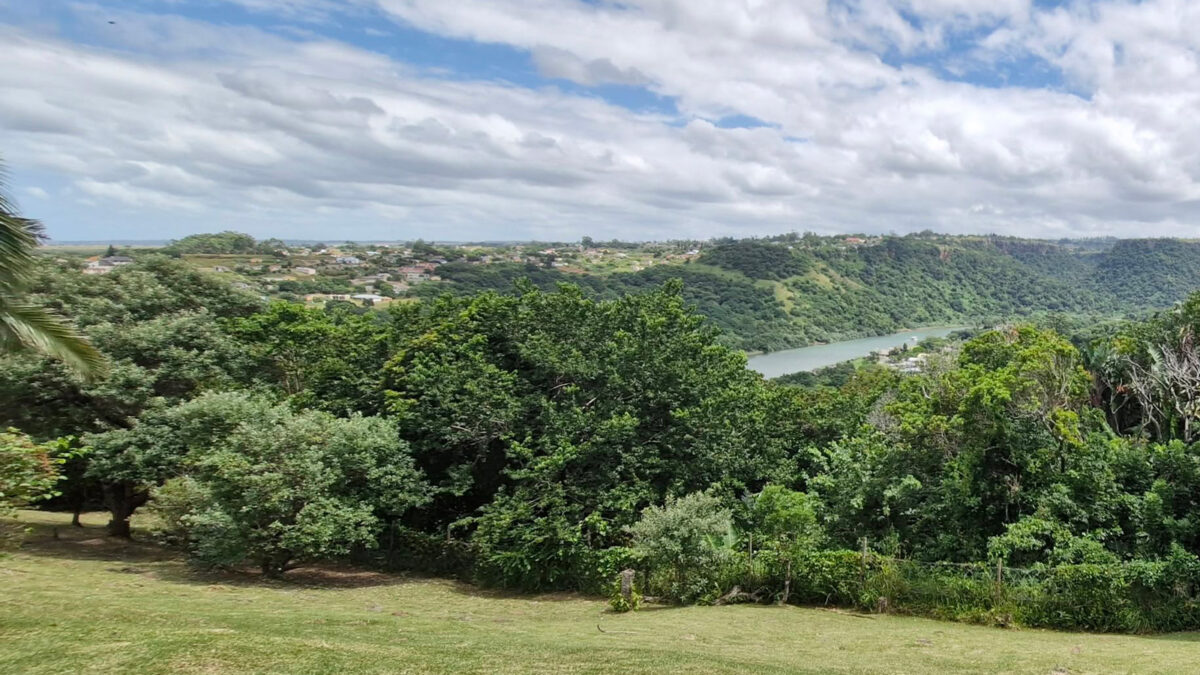
Port Edward is separated from the Eastern Cape by the Mtamvuna River gorge, and features coastal forests and a humid, subtropical climate.
Around 100 years before Jan van Riebeeck arrived in the Cape, a Portuguese explorer galleon ran aground just north of Port Edward.
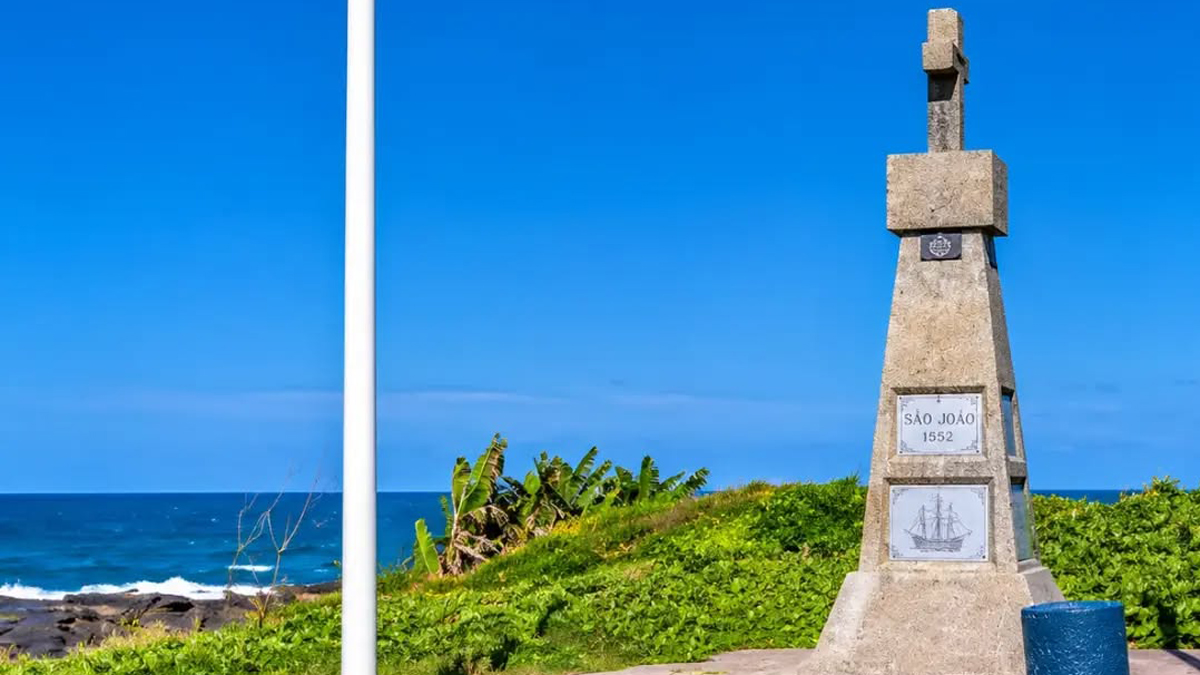
Named the São João, the ship wrecked in 1552 after departing from the Cape.
Approximately 500 of its 620 sailors made it to shore, but ultimately only 23 survived the treacherous journey to Delagoa Bay (now Maputo) in Mozambique.
Many of its treasures have washed up onshore over the years, including Ming Dynasty porcelain.
A monument to the São João stands in Port Edward today to commemorate the shipwreck site and the lives lost.
After that, it was a long time before the area would formally become a town, as there was no formal European settlement until the 1800s.
The Mpondo people lived there in the 1700s – 1800s and faced off against Shaka Zulu’s armies in the early 1800s.
The Mtamvuna River was later established as a boundary, becoming a no-man’s-land between the Mpondo, Griqua, and European settlers.
During the 1800s, the Colony of Natal annexed the northern and southern regions of the river – the north became Alfred County and the south became Pondoland.
A manual wooden pontoon ferry was established to let early pioneers cross the river in the late 1800s.
In 1925, T.K. Pringle bought a farm on the Natal side and subdivided it to create a holiday village.
He named it Kennington at first, and later changed the name to Port Edward, in honour of the Prince of Wales (later King Edward VIII), who was visiting South Africa at the time.
Port Edward’s pontoon reached international fame in 1947, when King George VI’s motorcade – including Queen Elizabeth (later Queen Mother) and future Queen Elizabeth II – crossed the Mtamvuna River on the pontoon.
At the time, the town was little more than a small resort. 20 years later, the C.H. Mitchell Bridge opened, revolutionising traffic and trade.
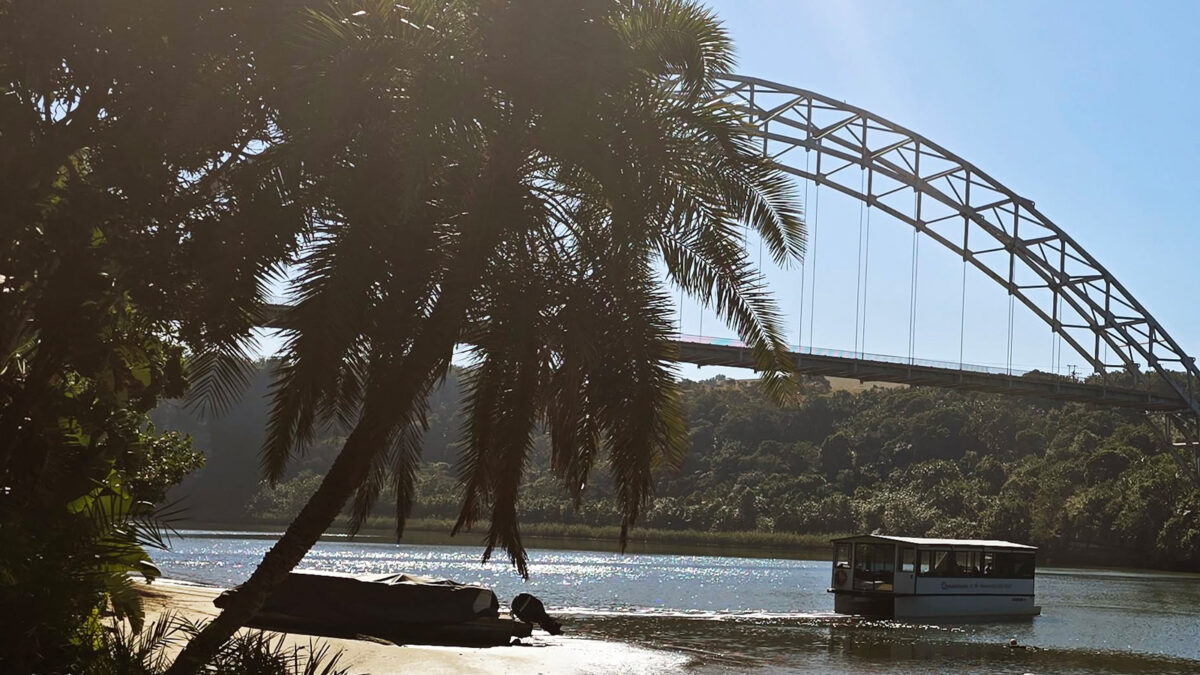
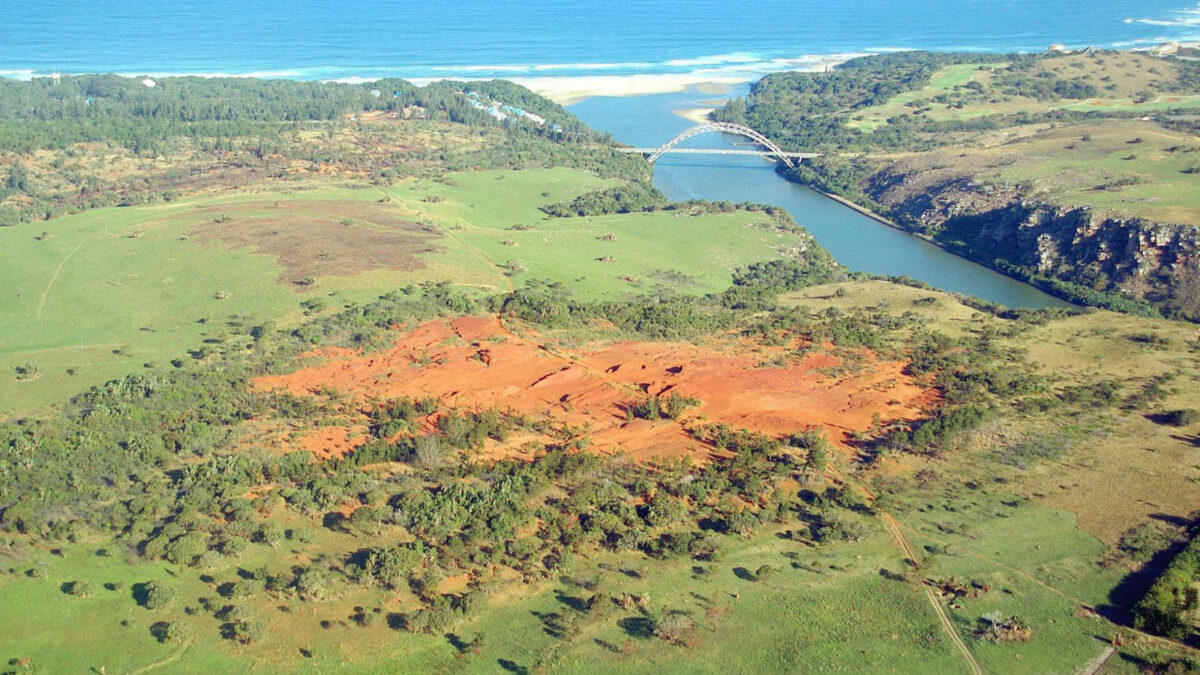
The massive 206-metre steel-arch suspension bridge spans the entire river gorge, connecting the Natal South Coast to the Eastern Cape (then Transkei).
Port Edward boomed in 1981, when the Wild Coast Sun Casino opened just south of it, in the Transkei.
At the time, gambling was illegal in South Africa, but the Transkei was independent and did not frown on the activity.
Port Edward became a gateway to the casino and later the site of a scene from the popular Leonardo DiCaprio movie Blood Diamond.
The area’s tropical wilderness served as a key film location, providing a raw and natural landscape for the jungle scenes where DiCaprio and his co-star run from insurgents.
World’s smallest desert, and a semigration hotspot
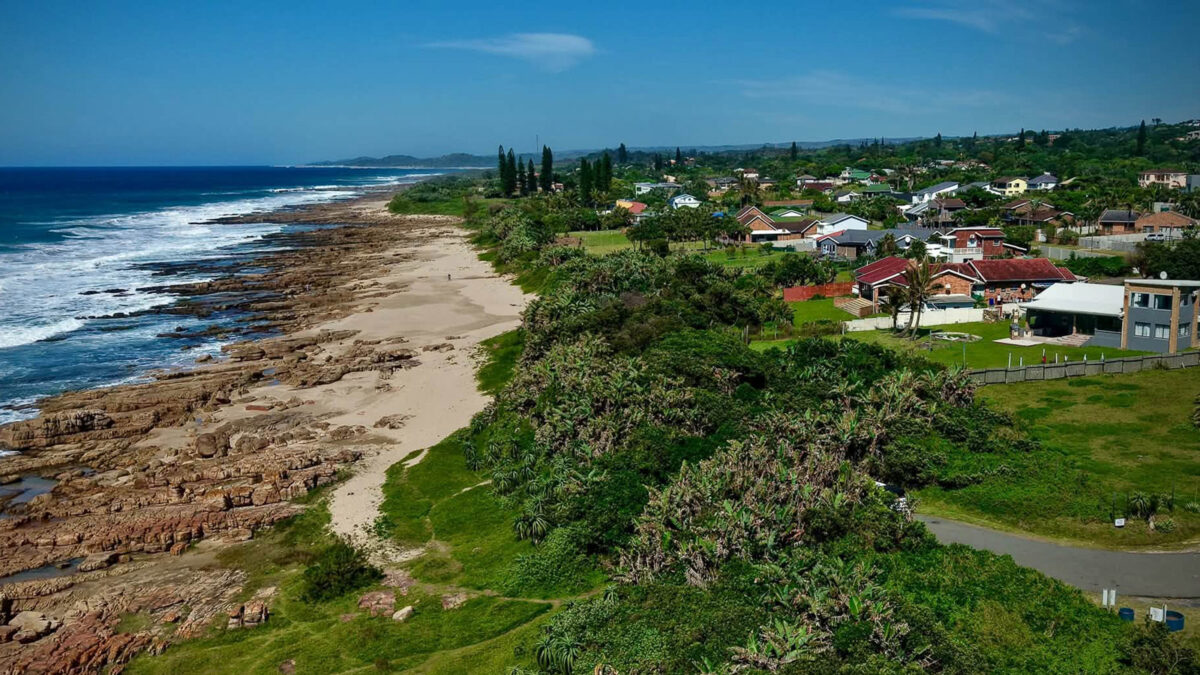
Today, Port Edward remains a small town of only around 25 square kilometres, and is home to fewer than 5,000 residents.
Port Edward is largely reliant on tourism, property development, and some agricultural output.
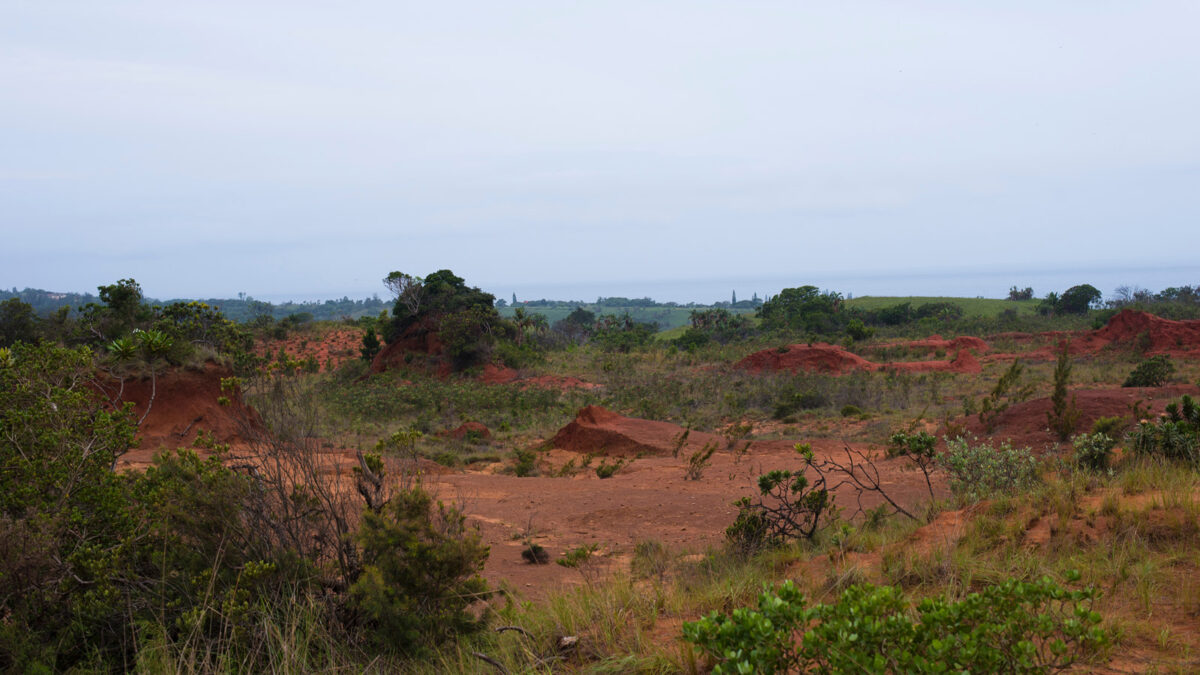
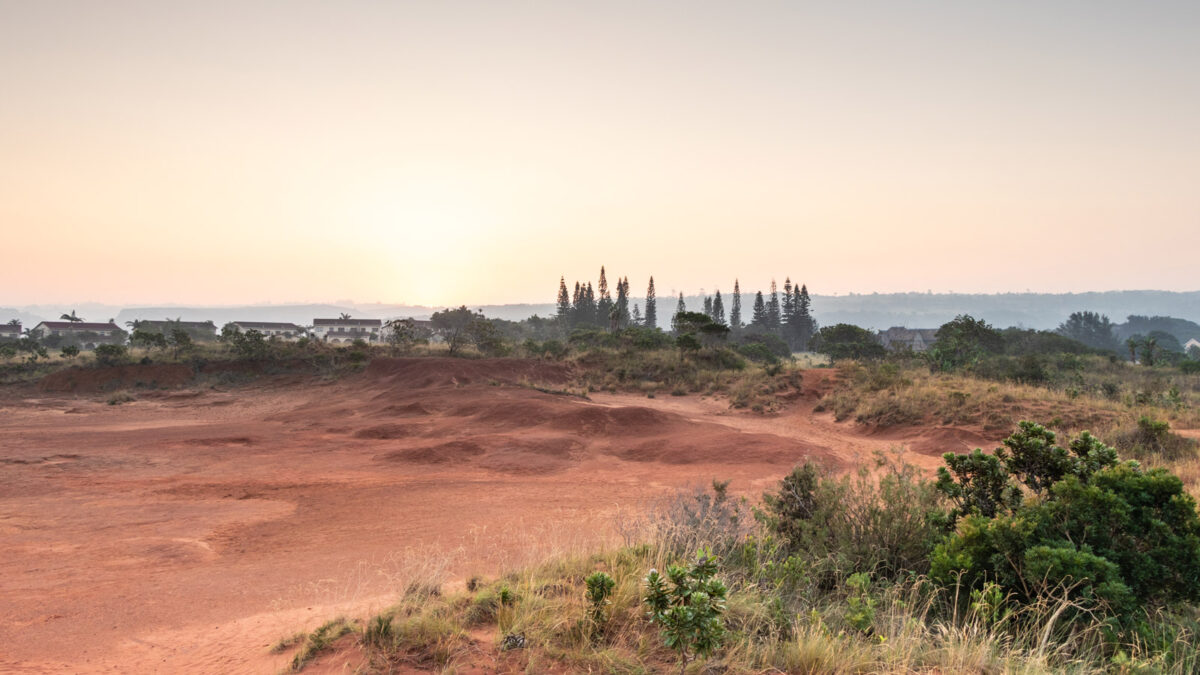
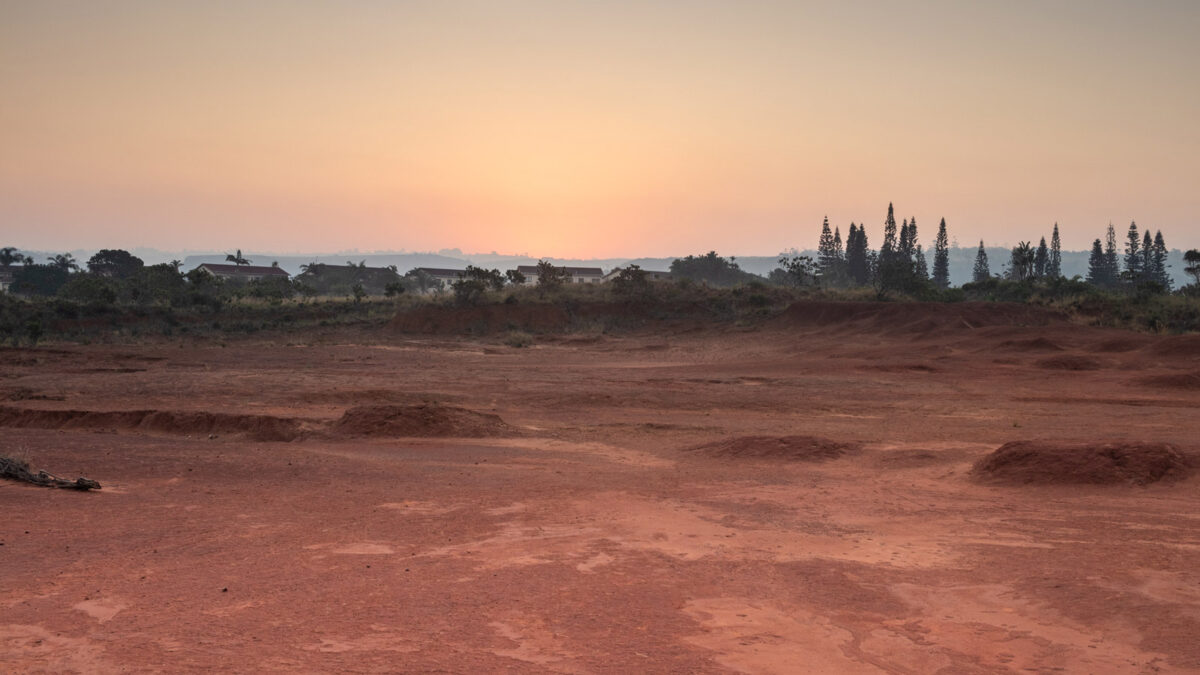
It features the world’s smallest desert, the Red Desert Nature Reserve, which measures just 200 metres in diameter and covers 11 hectares.
The bright red sand stands out, as it is surrounded by subtropical greenery, and many archaeological artefacts have been discovered inside it.
Port Edward offers many other ecological riches, including the Pondoland Marine Protected Area (PMPA) – an oceanic sanctuary that stretches south towards Port St Johns.
The PMPA protects endemic reef fish on the shallow reefs, such as the overexploited Red Steenbras and the Black Musselcracker.
It is also a key site for the annual Sardine Run, which draws scientists, documentary film crews, scuba divers, and tourists, as massive groups of sardines make their way along the coast.
Port Edward’s rich ecological environment and small size make it a popular tourist area, which is one of its main economic drivers.
In 2025, Pam Golding Properties noted strong demand for vacant land priced between R150,000 and R190,000, according to Daily Investor.
A spokesperson for the real estate agency said that homes within easy walking distance of the beach were selling for R1.8 million to R4 million, while beachfront homes start at R3.5 million.
Furthermore, the subtropical, high-rainfall climate of the Indian Ocean Coastal Belt, upon which Port Edward is situated, is highly conducive to the cultivation of several crops.
As a result, the town and its surrounding areas are known for cultivating bananas, macadamia nuts, sugar cane, and coffee.
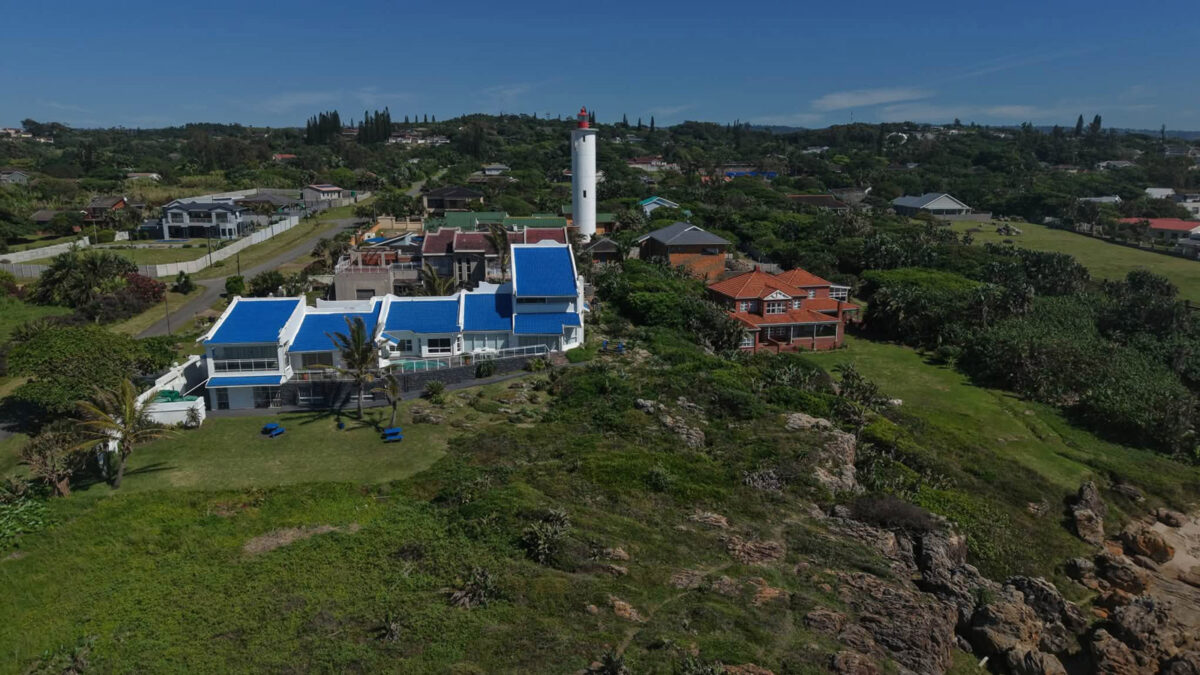
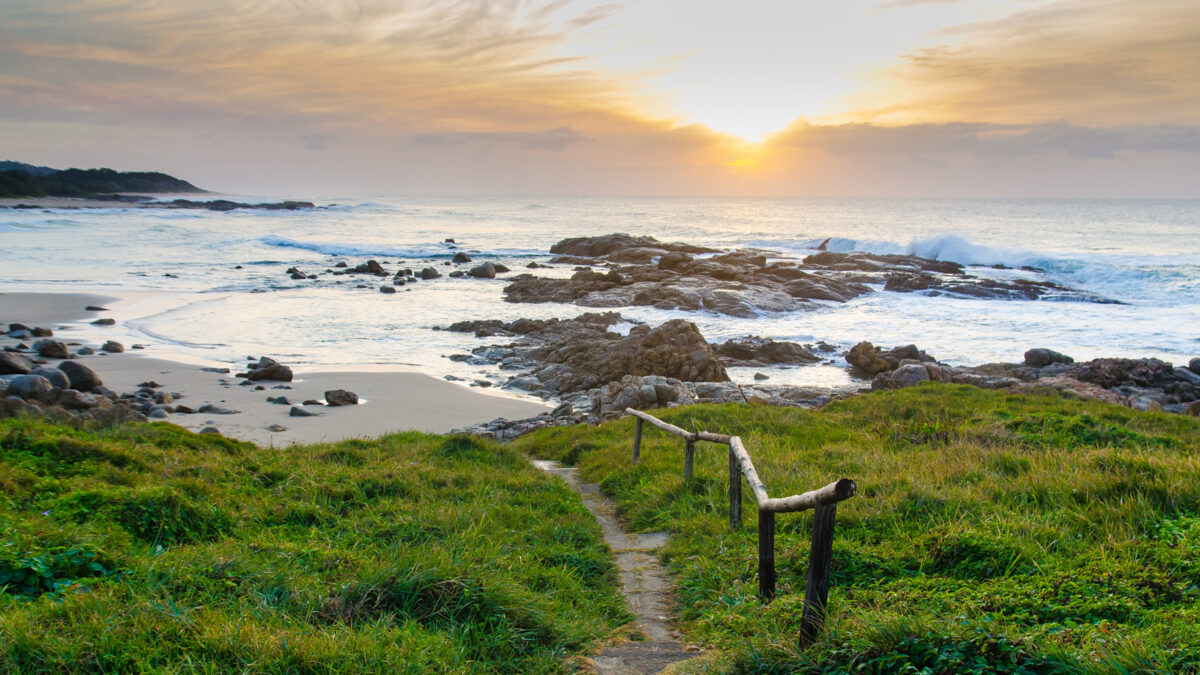
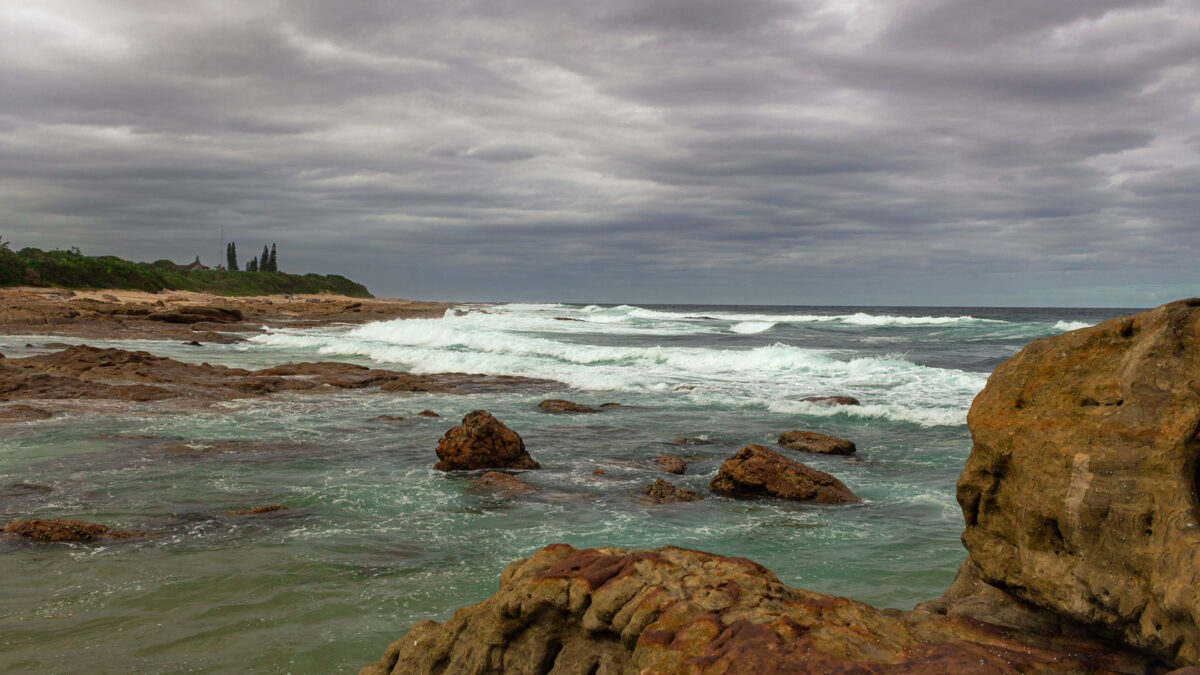
Photos of Port Edward and the Red Desert
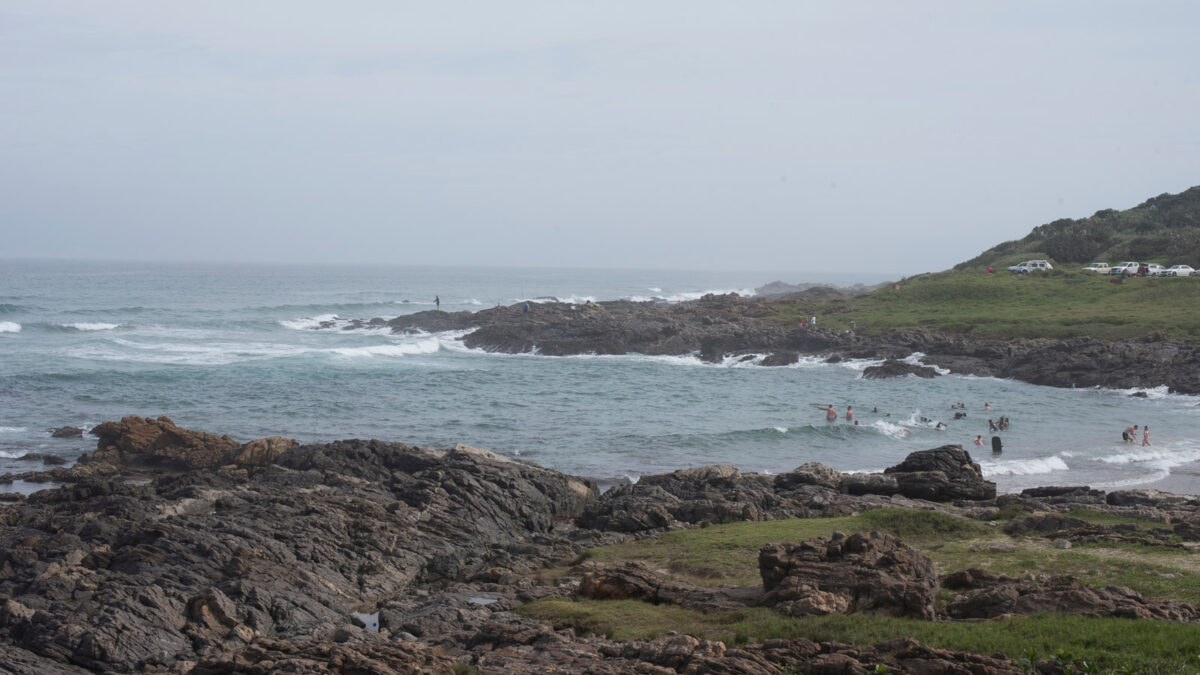
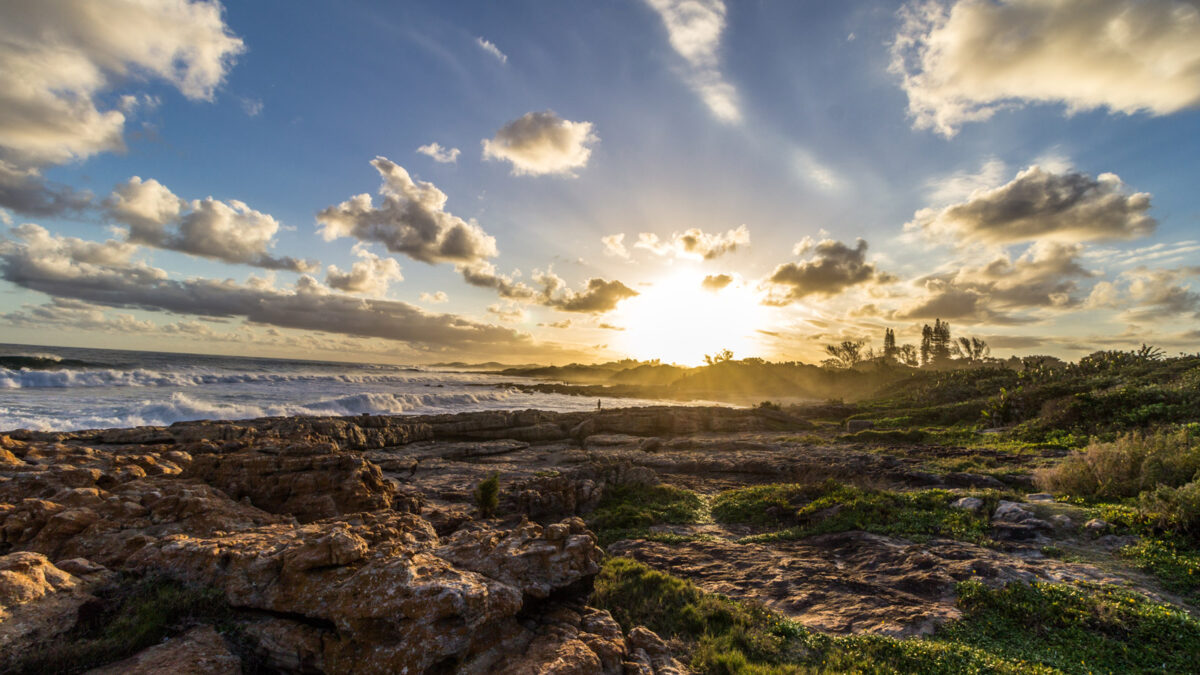
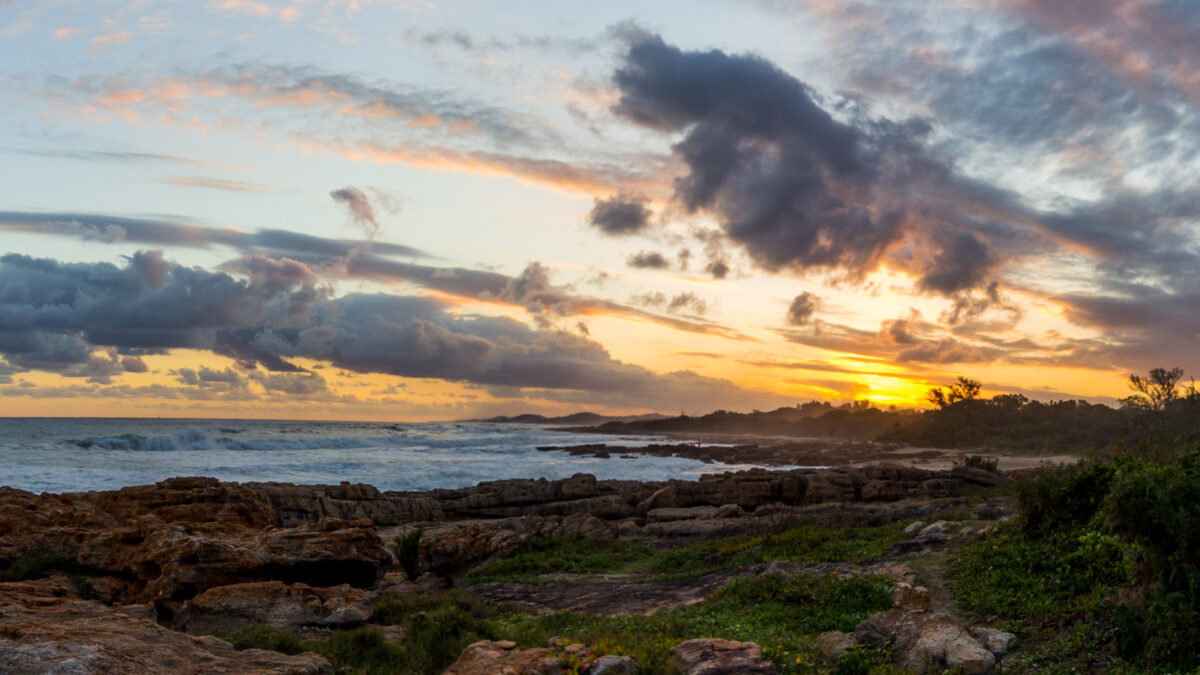
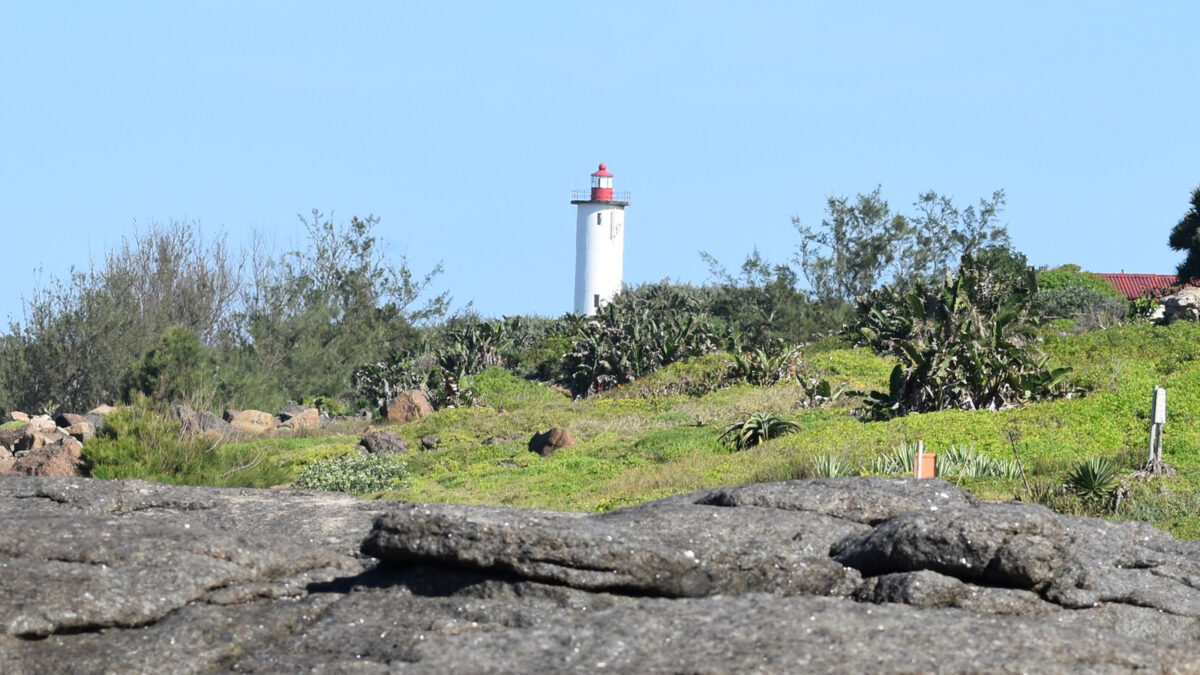
Red Desert
You have read 1 out of 5 free articles. Log in or register for unlimited access.







 Loading ...