
The iconic South African railway station that was turned into a museum is now falling apart


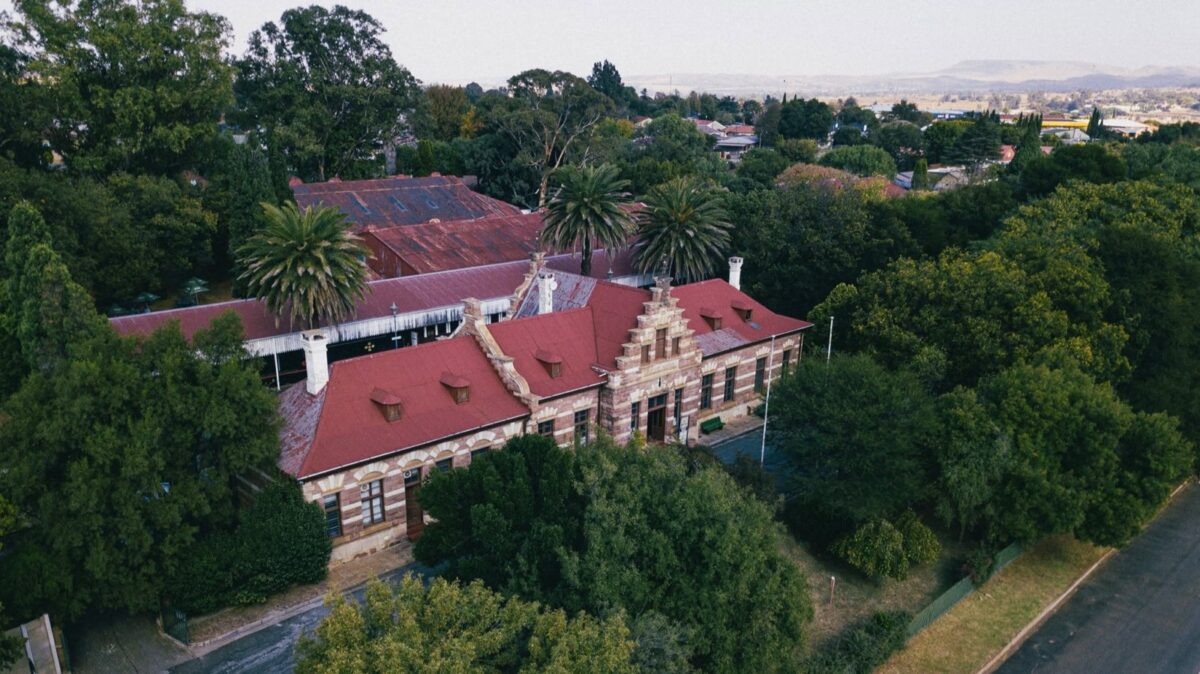
The old Heidelberg Railway Station, which was transformed into a museum in the 1970s, is now neglected and falling into disrepair.
The station, located in the town of Heidelberg in Gauteng’s Lesedi Local Municipality, is considered one of the most historic heritage sites in the country.
It was designed by Dutch-born architect Victor von Lissa of the Nederlandsche Zuid Afrikaanse Spoorweg Maatschappij (NZASM), the predecessor of modern-day Transnet.
The building was designed in the Eclectic ZA Wilhelmiens style, drawing from 19th-century Dutch architecture, and was constructed out of sandstone blocks.
The station’s section engineer, H. Westenburg, laid the cornerstone on 24 September 1894, and the station was officially opened by State President Paul Kruger on 10 October 1895.
During the Second Anglo-Boer War, the station was used to transport prisoners of war, including future British prime minister Winston Churchill.
A journalist for the Morning Post at this time, Churchill had been captured after his train was derailed by Boer artillery. He was interred in a POW camp in Pretoria before escaping.
According to the Heidelberg Heritage Museum, Indian civil rights leader Mahatma Gandhi was arrested at the old Heidelberg Station in 1908 for not carrying a valid permit.
Gujarati businessman Moti Bhika arranged for Gandhi to stay at the Heidelberg police commander’s house until the next day, where he provided Gandhi with meals.
In 1961, the Prime Minister of South Africa, Dr Hendrik Verwoerd, opened a new railway station in Heidelberg, with the old station falling into disuse.
Businessman Anton Rupert transformed the old station into the Heidelberg Motor Museum in 1975, featuring vintage cars, steam locomotives, and railway coaches.
Former President of South Africa Nelson Mandela visited the old Heidelberg station on 29 November 1996, where he was awarded the Freedom of the Town.
The museum closed on 31 December 2003, but reopened on 26 March 2010 as the Heidelberg Heritage Museum through various community and heritage efforts.
Heritage site now crumbling
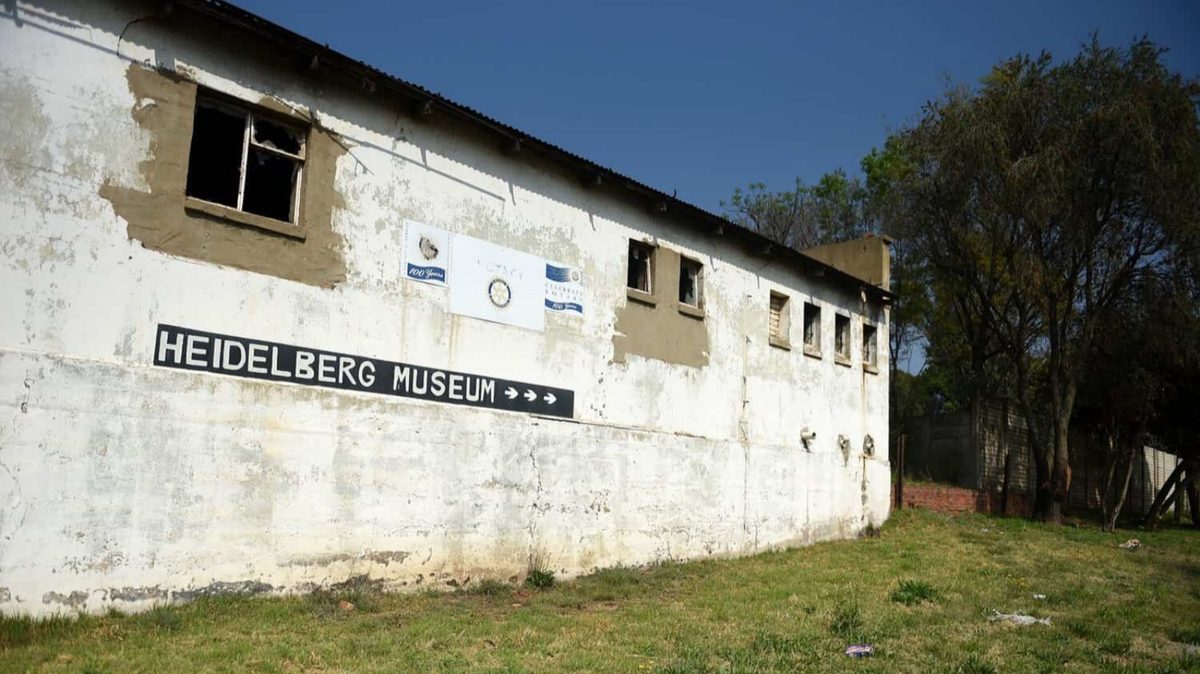
The Heidelberg Heritage Museum permanently closed in February 2025 due to an ongoing legal and management dispute between the museum’s managers and the Lesedi municipality.
The museum’s management was found not to have a signed contract with the municipality, having been self-appointed without following proper tender processes.
Manager Bouwe Wiersma, through his company Heidelberg Beer Festival, sublet the station to businesses such as a brewery and a German restaurant without municipal approval.
The Lesedi Local Municipality cut off electricity to the museum for non-payment, with the unpaid bill exceeding R1.3 million.
The Gauteng High Court ordered Wiersma in August 2025 to vacate the building within seven days, which he had occupied since 2016 without a formal lease agreement.
Wiersma had previously been ordered to evacuate by 31 January 2025, but had refused to do so and said he would appeal the ruling.
He claimed he had invested more than R10.8 million in the property and said he was operating a business under a 19-year lease.
It was found that while Wiersma applied for a lease agreement which the municipal council approved, no agreement was finalised and he occupied the property without signing a lease.
The business to which he sublet the property was forced to spend money on a generator and later vacated the premises under the court’s orders, while Wiersma stayed.
The South African Police Service declared the building dilapidated, which Wiersma argued posed no danger to museum patrons.
Today, the old Heidelberg Station has fallen into disrepair with broken windows, blocked drains, and litter strewn across the property.
The Lesedi Local Municipality allegedly spends R2.4 million on private security for the premises, despite the museum having been closed for almost two years.
More than a year after Wiersma vacated the premises, the municipality has yet to announce what its plans are for the old railway station now that it has regained full control of the site.
You have read 1 out of 5 free articles. Log in or register for unlimited access.










 Loading ...