
South Africa’s richest city had to close all public pools because it has run out of chlorine


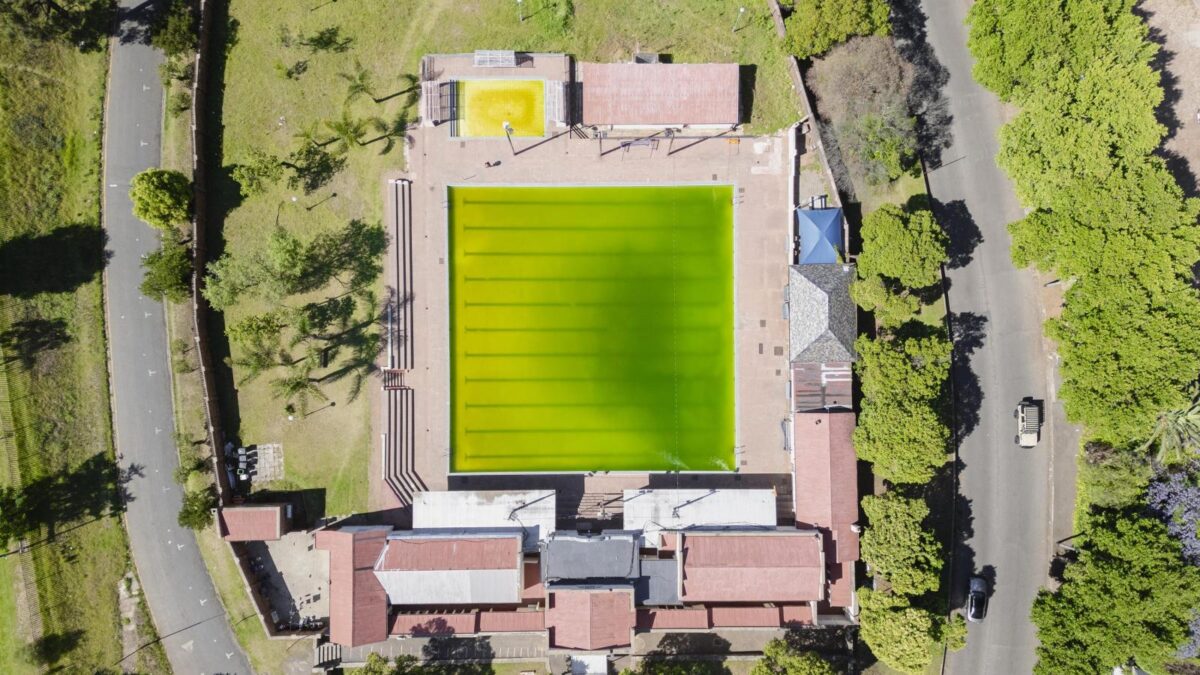
The City of Johannesburg announced on Thursday, 12 November 2026, that all 57 public pools will be closed by Monday due to a chlorine shortage.
“The health and safety of our residents must always come first,” Mbulelo Bezu, acting director for the City’s community development department, said in a statement.
“Operating unchlorinated pools is unsafe, so we made the difficult decision to close the facilities while we urgently resolve this supply chain disruption.”
Bezu added that emergency procurement has been launched to secure chlorine supplies for Johannesburg pools.
This comes as several heatwaves have hit Johannesburg, with temperatures forecast to stay in the high 20s and low 30s next week.
This is not the only setback for residents. There were significant delays in opening the City of Johannesburg’s municipal pools.
Pools were meant to open on 1 September 2026, but this was postponed due to delays in hiring staff, doing repairs, and a shortage of water treatment chemicals.
A new deadline to open 36 pools on 1 October 2026 was also delayed. By the second week of October, only 20 pools had opened.
Lifeguards and officials familiar with the matter, who asked to remain anonymous, told GroundUp the shortage of chlorine is only one part of the story.
Because many pools remained closed, those that were open were overcrowded, and there were too few lifeguards.
There were delays in appointing lifeguards this year. Advertisements in June set a new minimum requirement of Grade 12, which excluded many former staff members.
The lifeguard positions were re-advertised at the beginning of September without the requirement.
Community impact of Johannesburg closing its pools
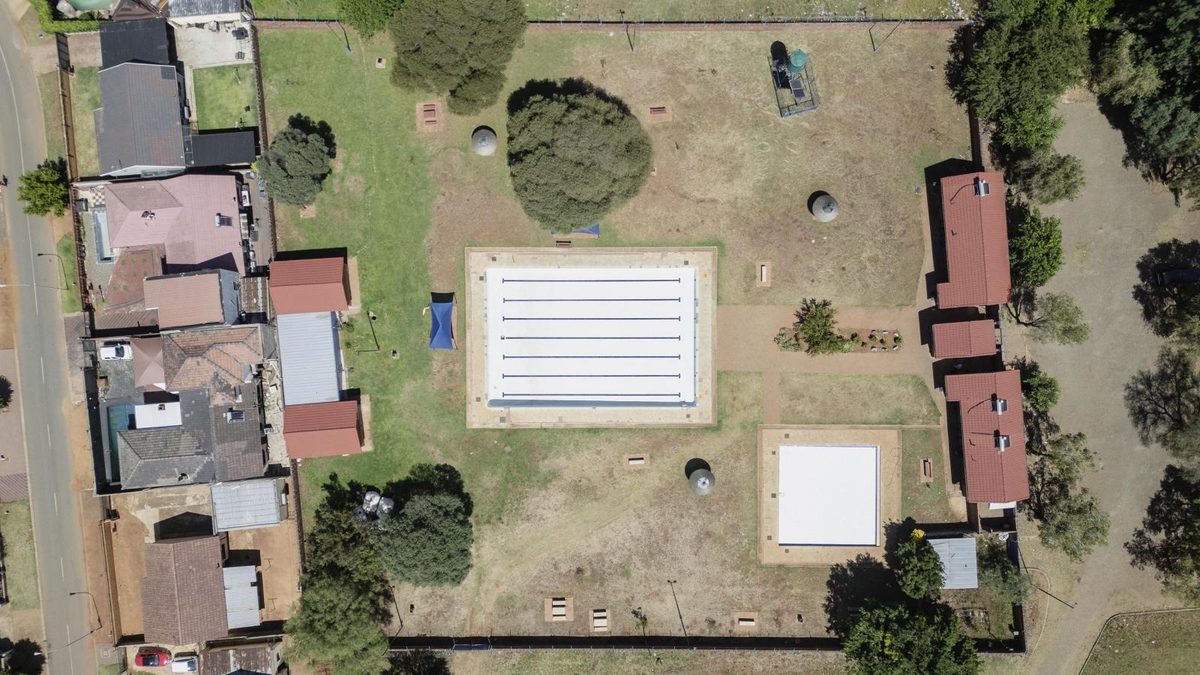
Public pools draw people from all corners of the city. We recently met 11-year-old Nkululeko from Yeoville.
He and his friends walked for over an hour, with their R22 fee in hand for the group, to get to the closest open public pool in the upmarket suburb of Parkview.
Yunus Chamda, the programme coordinator at the Joburg Crisis Alliance, told GroundUp that this was poor form.
“The closure of pools deprives residents of a much-needed leisure activity as the heat wave hits South Africa,” Chamda said.
“This is a clear lack of service delivery on the part of the City of Johannesburg, which must be resolved”.
He said it is indicative of poor management, especially financial planning, on the part of the city.
“We have these valuable assets that can’t be used,” he said. He compared it to buying a car and leaving it standing because there is no petrol.
DA shadow mayoral member for community development, Lyrics Mazibuko, said closing the pools would disproportionately affect working-class and poor communities.
“Swimming pool chemicals are not unexpected or extraordinary requirements. The swimming season is predictable,” he said.
“The City of Johannesburg knows precisely how many facilities it is responsible for maintaining.”
Incoming Rise Mzansi PR councillor Malik Dasoo has been active in organising with the community to open the Parkview pool.
Dasoo said that when you lose community spaces in a large metropolitan area, you lose the city’s soul.
Dasoo criticised the City of Johannesburg for poor communication, a lack of transparency, and making announcements only after a situation has become a crisis.
This article was written by Seth Thorne from GroundUp. Photos by Ihsaan Haffejee.
You have read 1 out of 5 free articles. Log in or register for unlimited access.







 Loading ...
“The health and safety of our residents must always come first,”
An ironic pathos if ever there was one.