
The abandoned railway tunnel in South Africa that was the first of its kind in Africa


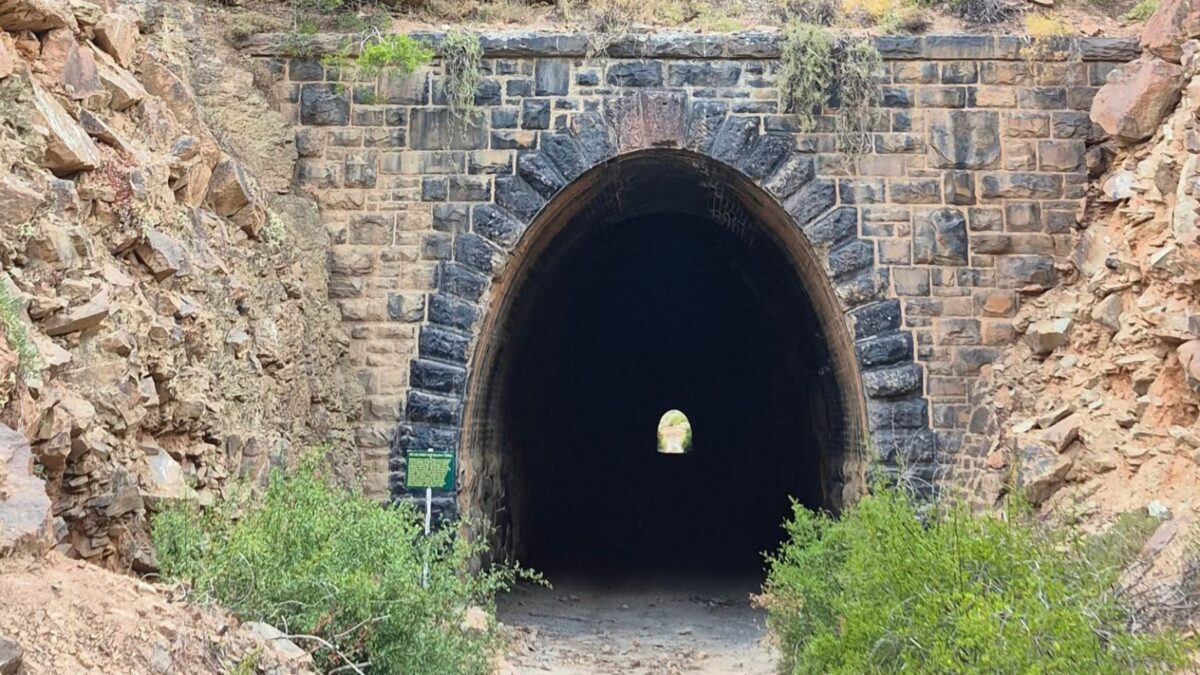
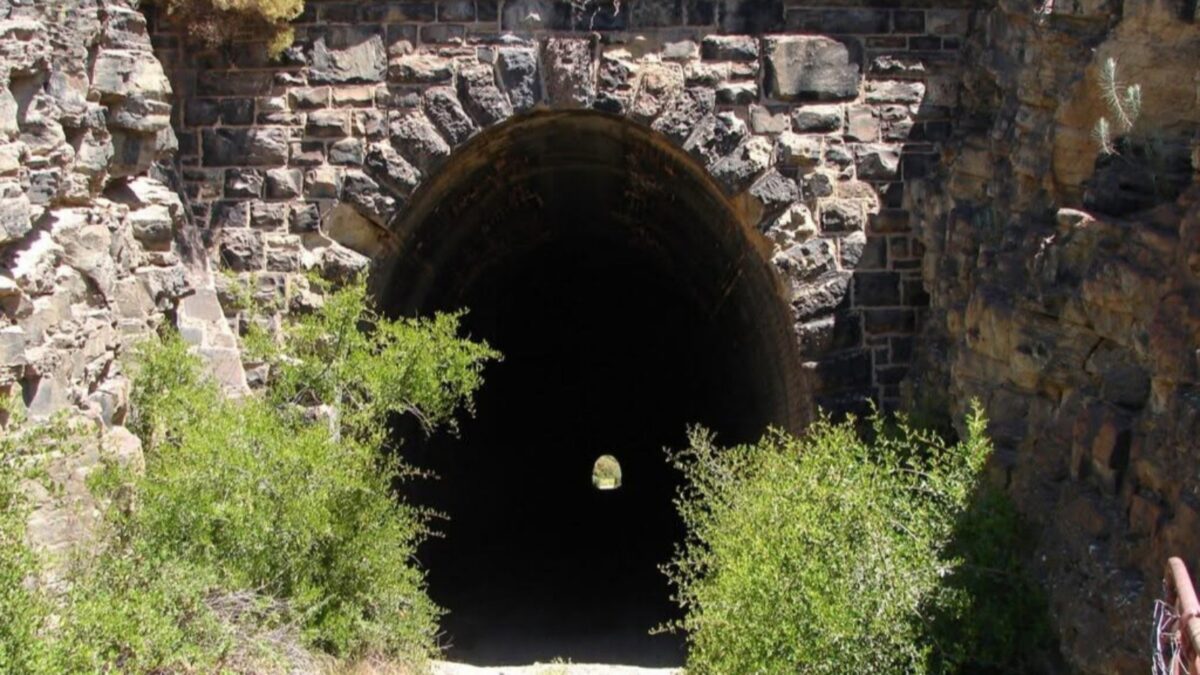
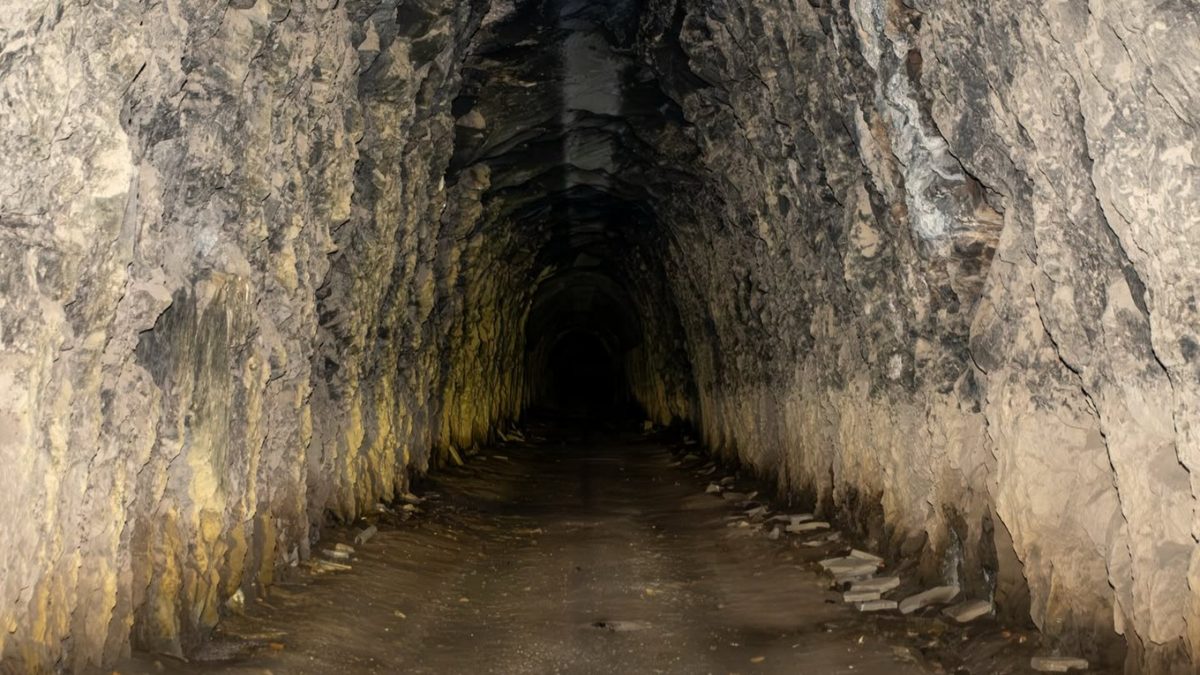
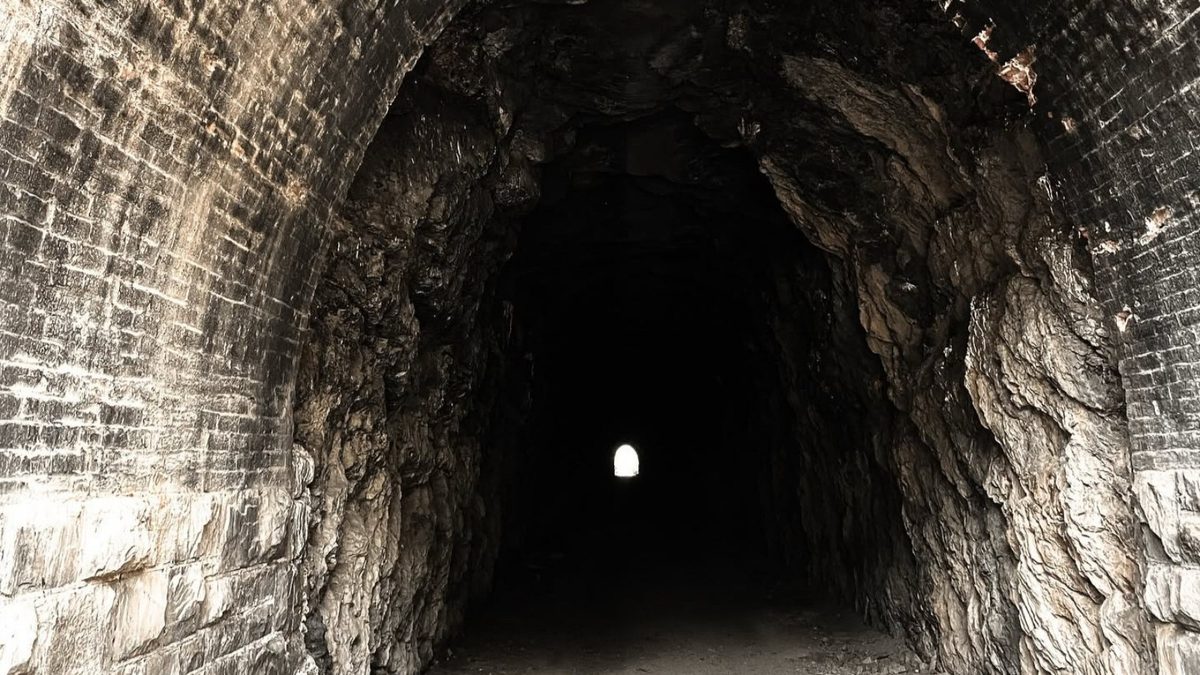
The 150-year-old Hex River Pass Tunnel is the first railway tunnel on the African continent, but is now completely abandoned and closed to rail traffic.
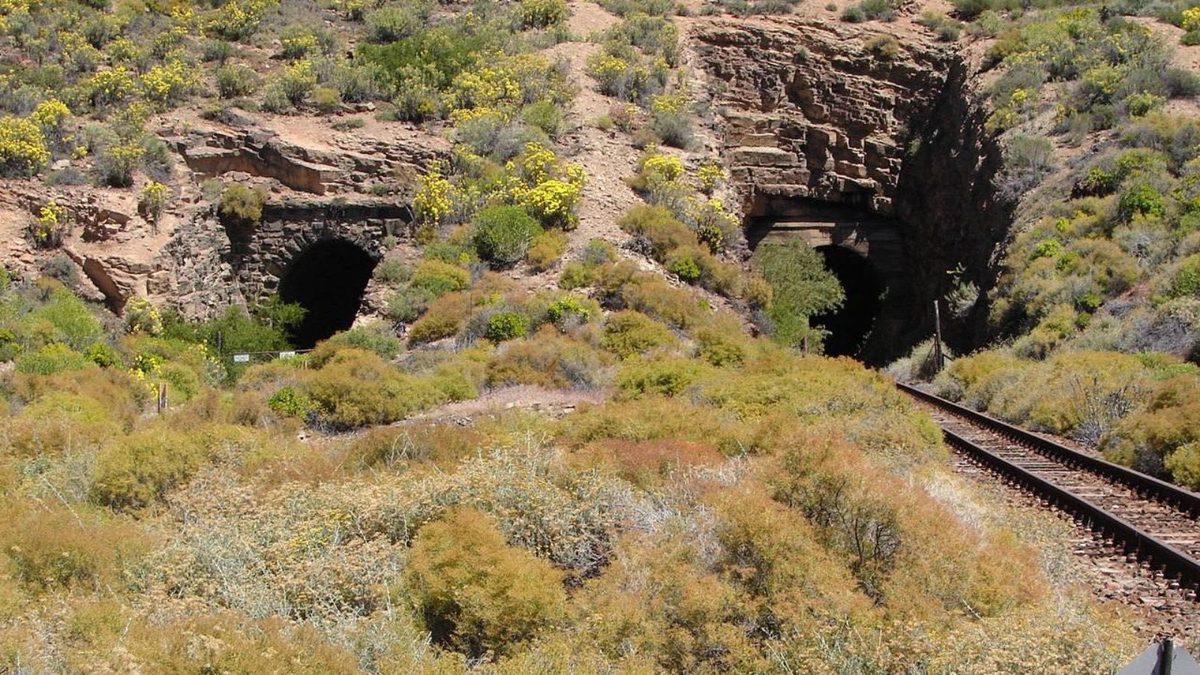
The Hex River Tunnels currently consist of four tunnels on the Hexton railway route between De Doorns and Kleinstraat, passing through the Hex River Mountains in the Western Cape.
The line connects De Doorns in the Hex River Valley with Touws River in the Great Karoo, and falls along the main rail route between Cape Town and Johannesburg.
The construction of the original Hex River Pass Tunnel traces back to 1872, when the Cape Government sought to expand its railway infrastructure into South Africa’s hinterlands.
Then Prime Minister John Molteno ordered the construction of a railway line across the Cape Fold Belt, which had previously kept Cape Town separated from the country’s interior.
The Cape Government Railways (CGR) was formed, with railway engineer William George Brounger appointed to oversee the line’s construction.
Under Brounger’s instruction in 1874, surveyor Wells Hood identified a potential route from De Doorns to the top of the Karoo plateau, with a short tunnel required.
By 1876, the Cape Government had selected this route through the Hex River Valley, and construction of the first Hex River Pass Tunnel began.
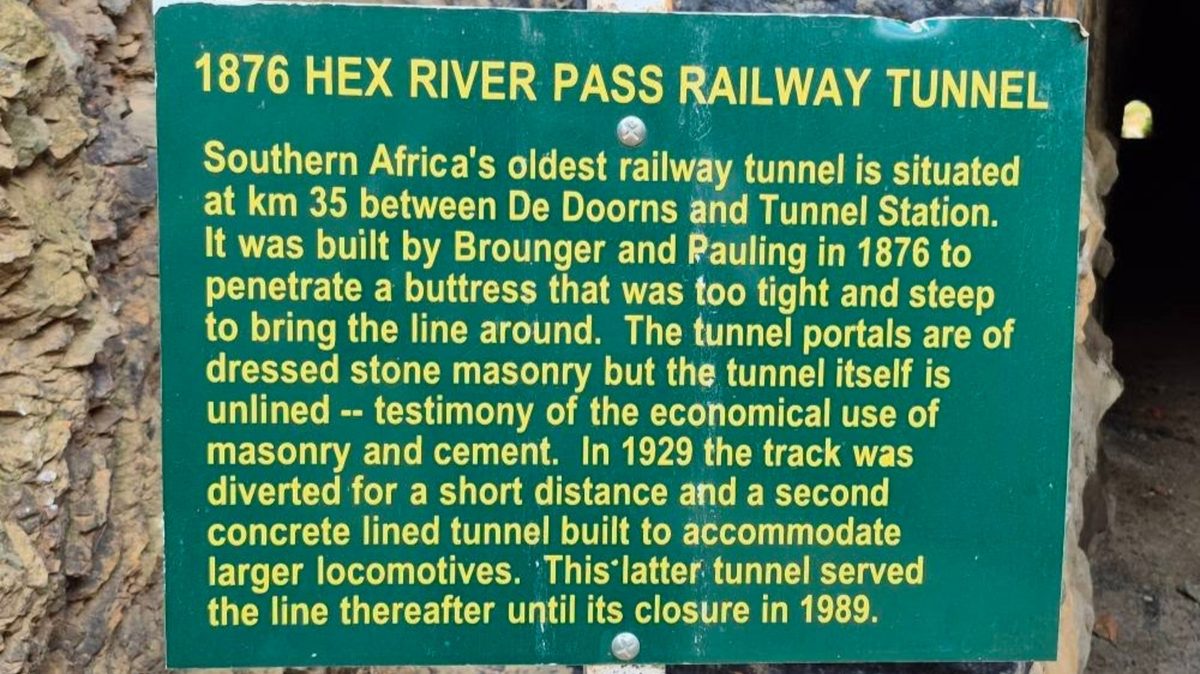
The original 180-metre tunnel is the oldest railway tunnel constructed in Africa, lying 34 kilometres from De Doorns on the original rail line to Matroosberg.
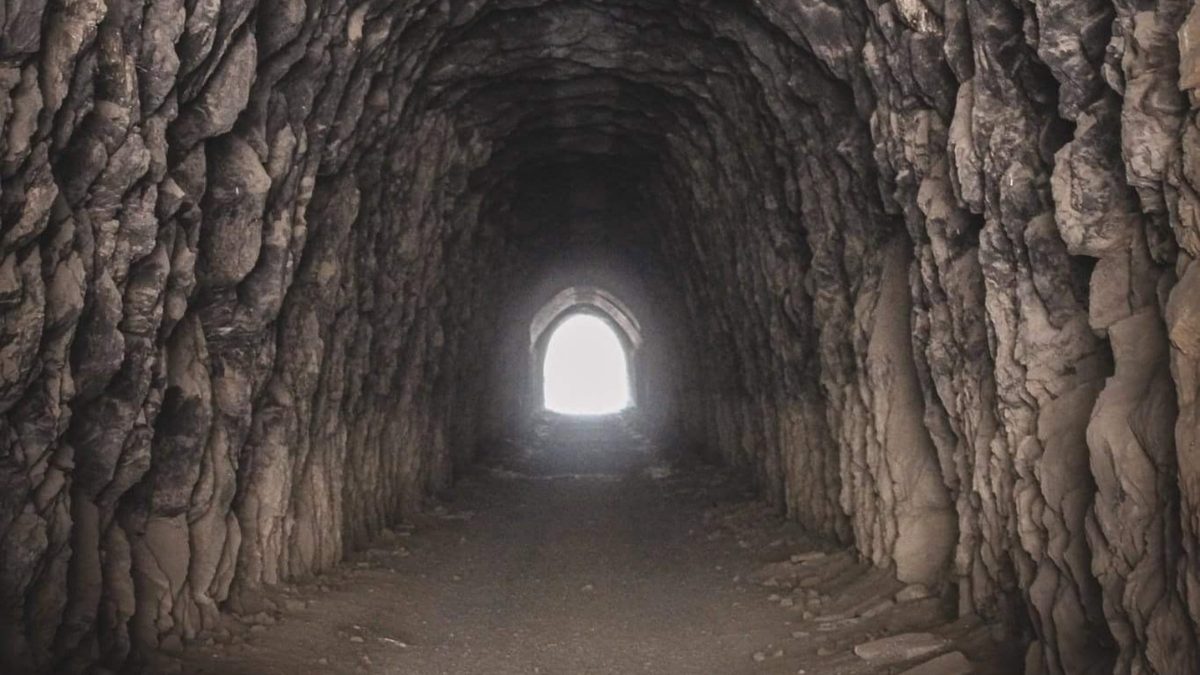
The tunnel is straight, with portals built of dressed stone masonry, while the inner walls are unlined. The tunnel was built completely using shovels and picks.
Construction of the railway line reached Worcester by 16 June 1876, and had stretched past the tunnel system to reach Touws River by the end of 1877.
The construction of the tunnel and the railway line connected Cape Town to Kimberley, where diamonds had been discovered in 1867.
Building a new tunnel
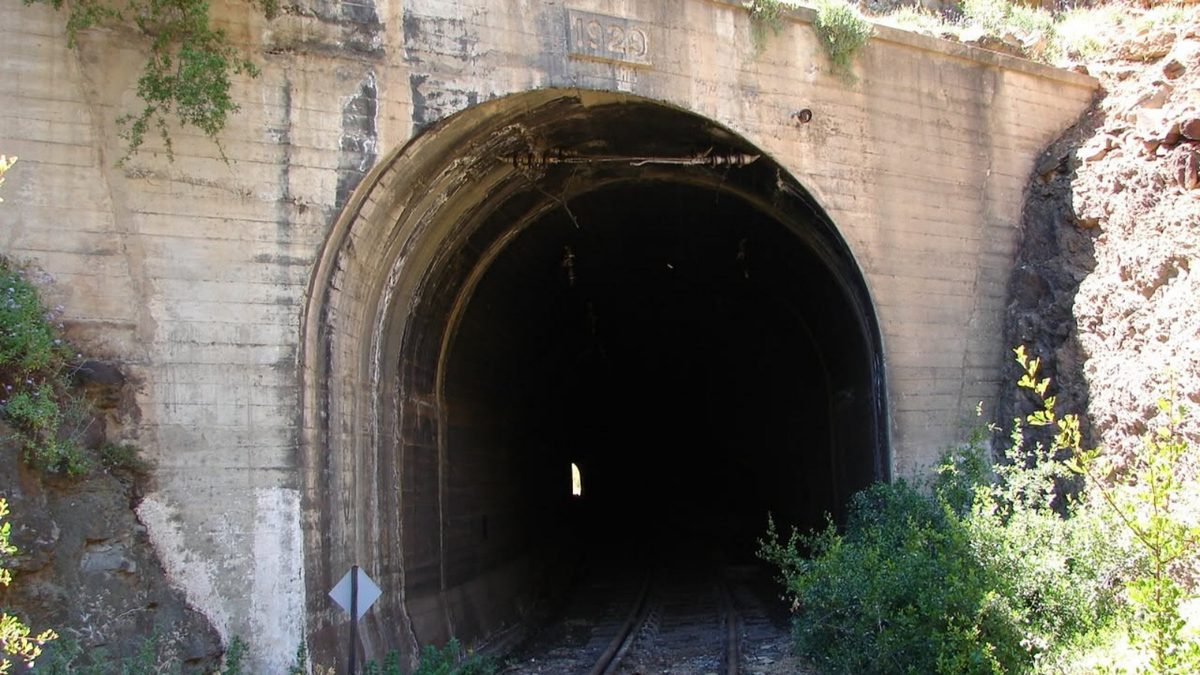
While the tunnel had allowed locomotive access to South Africa’s interior, the steep gradients and sharp curves of the Hex River Valley railway limited train size and speed.
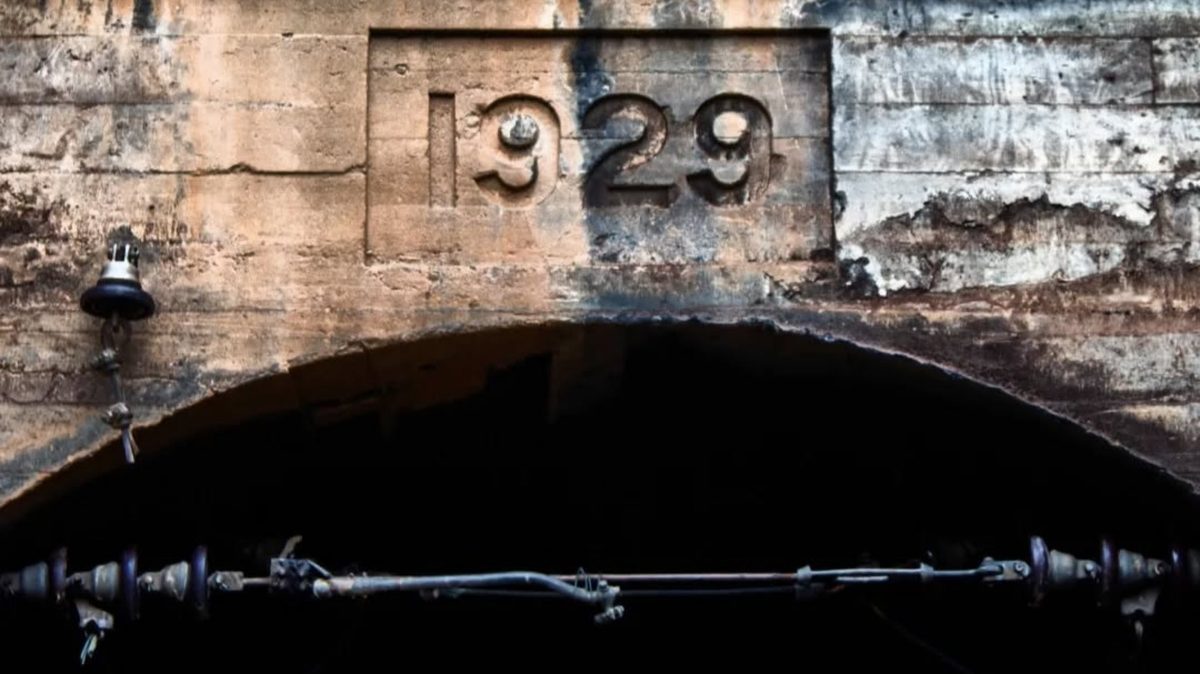
After serving the line for 53 years, it was decided by 1929 that a larger tunnel would be required to allow for increased rail traffic and larger locomotives.
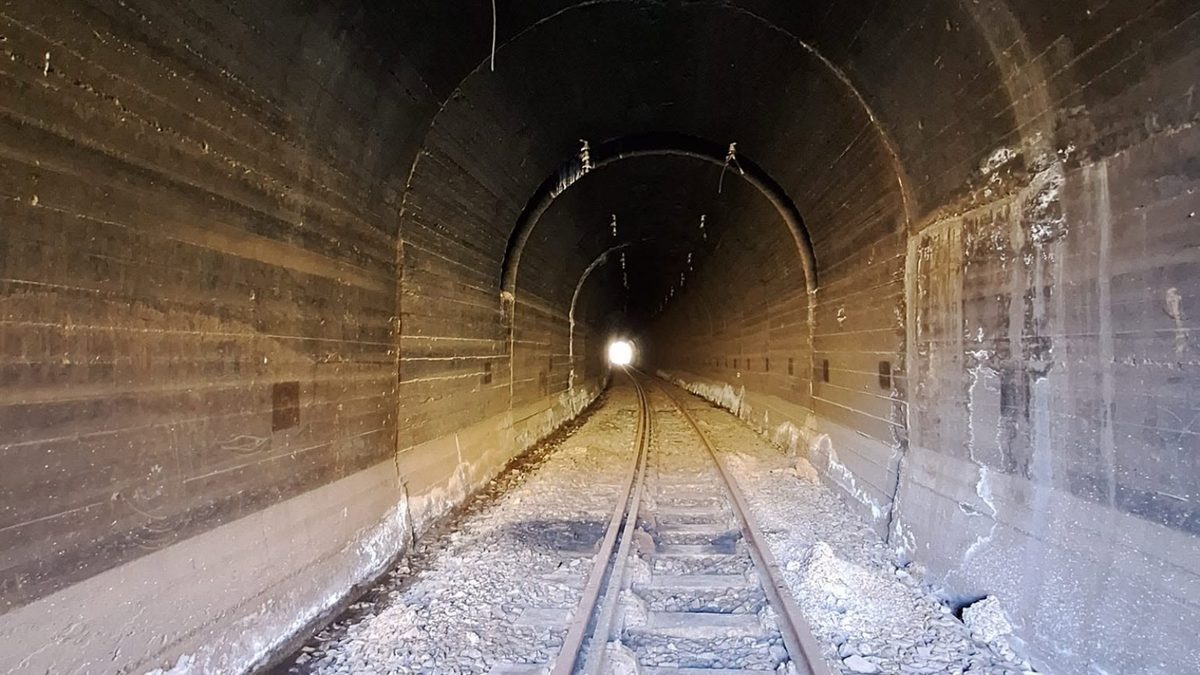
That year, the track was briefly diverted to allow for a second concrete-lined tunnel to be built next to the original to ease the curve and improve clearance.
While this allowed continued use of the route, it did not fully solve the operational limits of the pass, and by the mid-20th century a modern solution became necessary.
The construction of a new tunnel system between De Doorns and Matroosberg was proposed in 1945 to eliminate the need for the Hex River pass altogether.
This was approved the following year, and construction of the new tunnel system began, comprising four tunnels totalling 16.8 kilometres.
The fourth tunnel measures 13.5 kilometres and was the longest rail tunnel in Africa until 2009, when construction of the 15.5-kilometre Gautrain railway tunnel was completed.
The new tunnel system became operational in April 1989, more than forty years after the first portals had been sunk, and opened to rail traffic on 27 November 1989.
The opening of the Hexton line, alongside diminishing traffic volumes due to competition from road transport, led to the closure of the original Hex River pass rail.
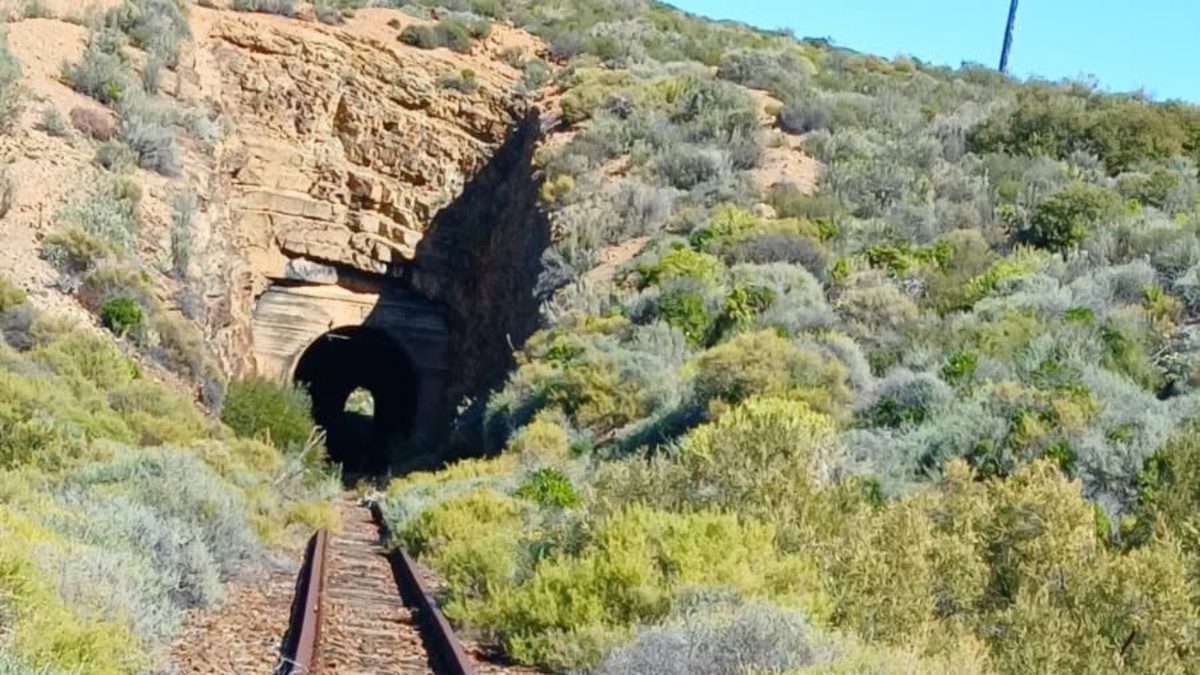
The electrification infrastructure and sections of the track were removed, but large parts of the old railway alignment between Matroosberg and Osplaas remain intact.
The old railway line is now being utilised as a popular tourist attraction known as the Hexpas Ecotrek, which features a guided excursion of the old Hex River pass rail.
The tour includes views of the original hand-built Hex River Pass Tunnel, which is otherwise accessible only to 4×4 vehicles today.
Photos of the Hex River Pass Tunnel








 Loading ...
Amazing what the will to do and succeed achieves. 1876 completed , and 1929 completed working.
The ANC government and the projects they start are never completed. Always over running in costs. Appoint unqualied firms with ibtention to defraud under guise of BBBEE. yes that bu!!$&!t baffles brainles economic entitlement The reason, not to achieve and complete but to defraud and steal.