
The RAF fuel levy increased by 2,400% from 9c per litre in 1997 to R2.25 per litre in 2026



Since its introduction on 1 May 1997, the Road Accident Fund (RAF) levy has increased from 9c per litre to R2.25 per litre.
In 1986, the South African government passed the Motor Vehicle Accidents Act, scrapping the requirement for drivers to purchase individual statutory insurance policies.
As a result, funding shifted to a dedicated fuel levy, automatically extending statutory third-party injury protection to all road users without requiring motorists to pay an upfront private premium.
When the Road Accident Fund commenced on 1 May 1997 to replace earlier transitional bodies, the dedicated fuel levy was extended, and the RAF inherited the 9c-per-litre tax.
At first, the levy was increased by between 3c and 5c per litre, reaching 21.5c per litre of petrol or diesel in 2003, contributing R3.51 billion to the fund.
On 1 April 2006, the South African Revenue Service (SARS) assumed direct responsibility for fuel levy collection, handing it over to the RAF.
In that year, the levy was hiked by 5c per litre, reaching 36.5c per litre and adding R7.01 billion to the fund’s coffers before National Treasury provided a R2.5 billion injection.
During the 2008/09 financial year, the RAF required another R2.5 billion injection to aid liquidity. Despite this boost, it hiked the RAF levy by 17.5c per litre, adding R12.57 billion to the fund.
For predictability’s sake, the RAF kept increases at 8c per litre until 2014/15 – the year the levy reached R1.00 per litre for the first time.
A year later, the levy increased by 50c per litre or 48%, to R1.54, which the then Finance Minister, Nhlanhla Nene, said was necessary to finance the RAF’s R100 billion claims backlog.
However, increases were put on hold between 2021 and 2026, after the levy reached R2.18 per litre, and the fund consistently raked in over R50 billion in revenue.
That said, in the current financial year, South Africans pay R2.25 per litre to the RAF levy following a 7c increase, which looks likely to earn the RAF R55 billion this year.
Bad idea to scrap the fund
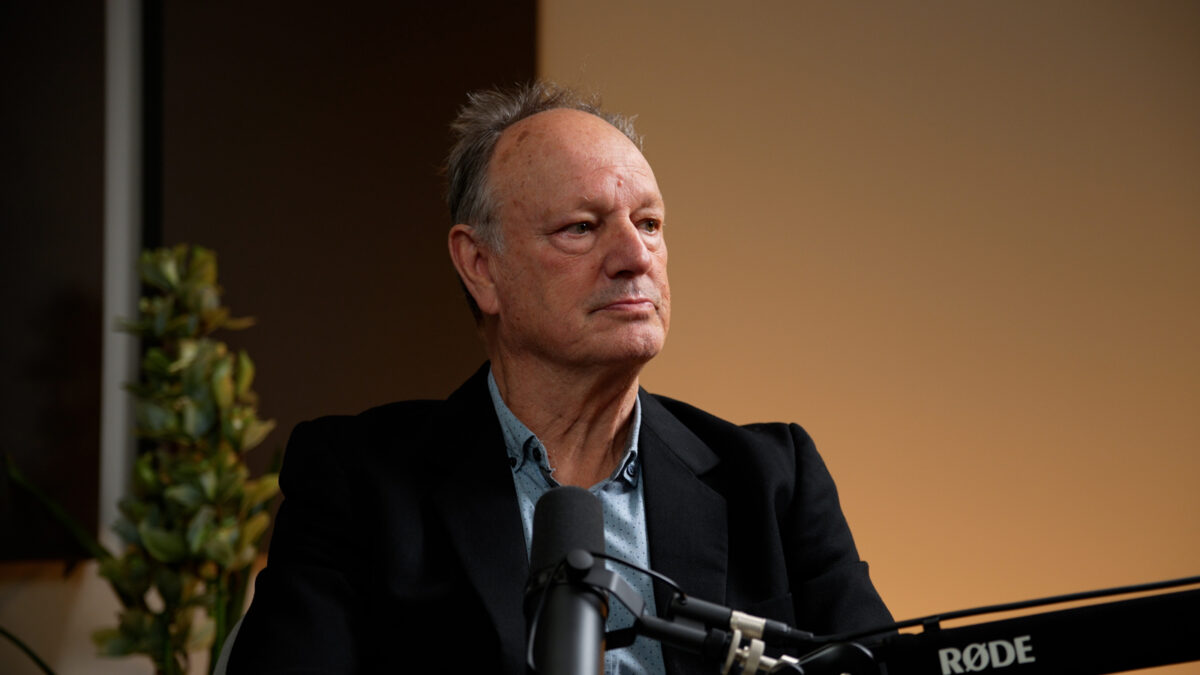
Motorists, civil rights groups, and industry stakeholders have called for the RAF, and the levy that goes with it, to be scrapped, but this may be a bad idea.
This is according to the Organisation Undoing Tax Abuse (OUTA), which warned that abolishing the RAF would impose a different burden on motorists.
In an interview with 702, OUTA CEO Wayne Duvenage said getting rid of the RAF levy would necessitate a shift to a mandatory third-party insurance model.
He added that this may be unaffordable for many South Africans, since renewing a vehicle licence disc is already prohibitively expensive for low-income earners.
“When people are broke in this situation, you’ll have people driving around with no insurance and victims trying to claim,” said the CEO.
“That’s why the government moved away from a third-party disc, and many countries around the world have gone to the fuel levy.”
While OUTA believes the fund should not be scrapped, it said that the amount should be lowered to R1.25 per litre, provided the RAF is properly managed.
“If you go back to 2007/08, the RAF was raising about R8 billion a year. It was washing its own face, covering its costs. Back then, it was about R0.47 per litre,” said Duvenage.
“What they’ve done is just mismanage the RAF completely, pushed massive increases well above inflation, and have just lost control.”
He noted that the solution is not to punish motorists by making them pay for the RAF’s poor financial decisions.
Instead, Duvenage believes the RAF should appoint new professionals to run it while cutting costs.
“R2.25 is too high. We believe that if the Road Accident Fund were managed well and properly, you’d be paying a rand less than that anyway,” he said.








 Loading ...