
The state-owned company that hurt the economy but still paid its CEO R12.2 million


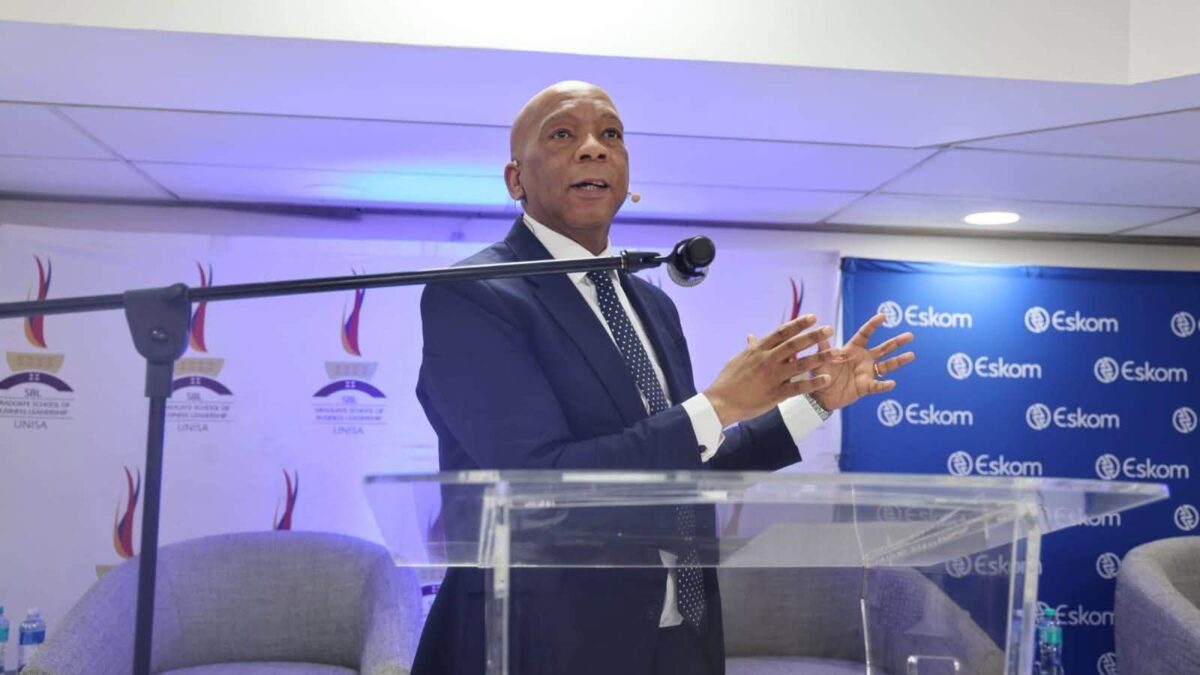
Award-winning economist Dawie Roodt said that Eskom contributed negatively to South Africa’s economy, but it still paid its chief executive R12.2 million.
He shared this information during an interview with Newsday in which he discussed state-owned enterprises and the local economy.
Roodt said that Eskom is essentially a subdivision of the civil service, governed by the Department of Electricity and Energy.
“Eskom is not a real company. It has a board, a chairman, and a CEO, but it is effectively just a subdivision of the civil service. They are civil servants,” he said.
“An entity that relies on the taxpayer for survival cannot be called a company. It’s just a state department, and the same applies to most other parastatals.”
He further argued that paying Eskom CEO Dan Marokane R12.2 million, which includes a basic salary and a bonus, is not acceptable.
The first problem, Roodt said, is that Eskom is not contributing positively to the South African economy.
“However, electricity’s contribution to GDP was negative in the first quarter. Eskom contributed negatively to economic growth,” he said.
“You cannot pay a civil servant R12 million when they contribute negatively to the economy. You must have a hole in your head to do that.”
Roodt said that Eskom employees should be compensated as civil servants, especially when performance drags down the economy.
He added that there are signs that Eskom is managed slightly better now, which is encouraging.
However, he said the end of load shedding was not due to Eskom, but rather to a drop in electricity demand.
“We don’t consume as much electricity as we used to, and what we do use, we use far more efficiently,” he said.
South Africans are replacing Eskom
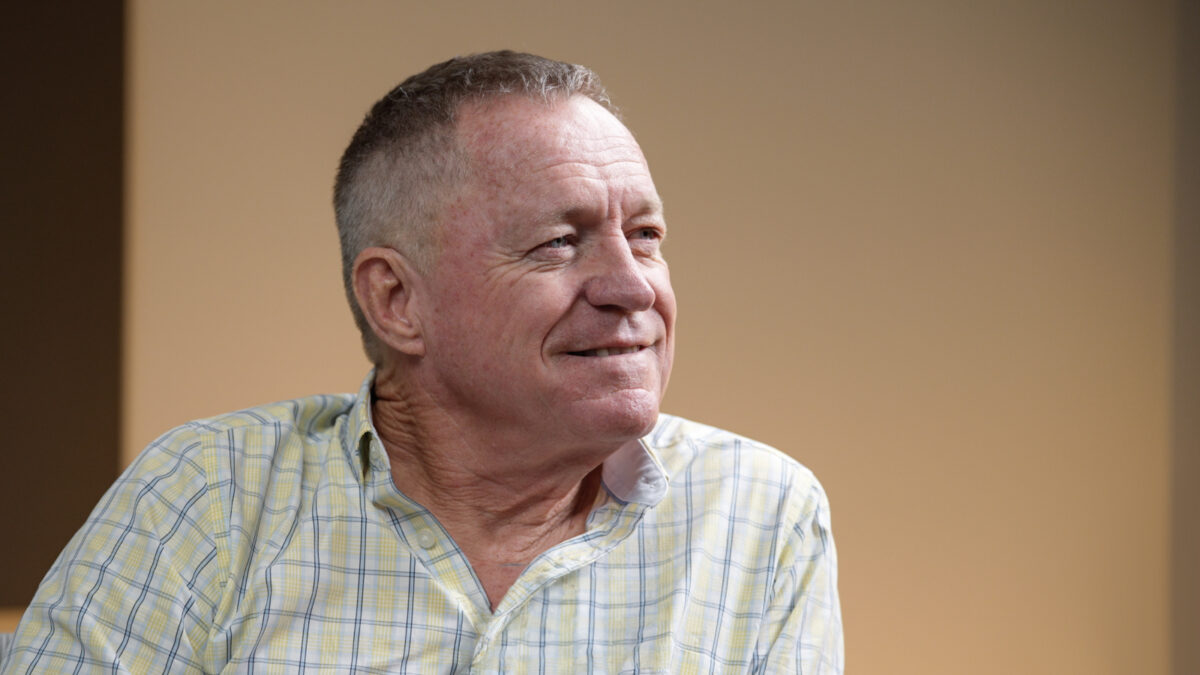
Commenting on what the government should do with Eskom and other parastatals, Roodt said that they are essentially getting privatised.
“You wouldn’t need to do much with state-owned enterprises because they are privatising themselves by default,” he said.
“Officially, the government’s ideological stance remains stuck in the past, favouring centralisation and outdated rhetoric, which prevents official policy changes.”
He said that, in Eskom’s case, citizens are installing solar panels and taking power generation into their own hands, privatising Eskom through the back door.
“With Transnet, privatisation is happening through the front door because the new CEO, Michelle Phillips, is bringing in private-sector participation in rail and ports,” he said.
Other state institutions are following a similar path, with the Post Office being replaced by private couriers such as PostNet and local communities taking over municipal services.
“Private security forces now outnumber the public police force by more than two to one,” Roodt said.
“If I were president, I would formally accelerate and manage this privatisation process officially rather than letting it happen out of necessity.”



 Loading ...