
The Free State’s “crown city” with raw sewage spilling into its rivers


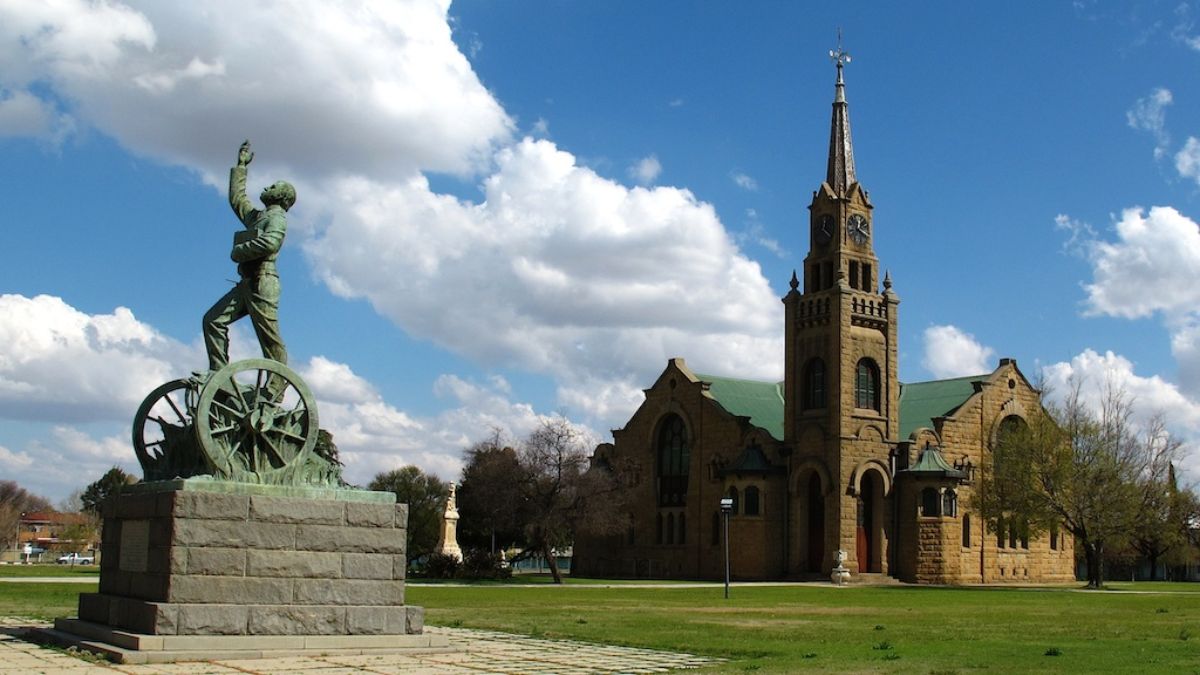
Kroonstad in the Free State is an agricultural hub for South Africa, which has struggled through years of service delivery challenges.
The town was founded in 1855, after the Orange Free State declared independence, and its name translates to “crown city.”
The town became the capital of the Free State for a short time during the Second Boer War, before being used as a concentration camp after being captured by the British.
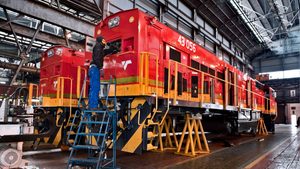
Following the Boer War, Kroonstad established itself as an important railway hub between South Africa’s major cities.
The town continues to serve as a junction for railway lines connecting Cape Town, Johannesburg, and Durban.
Kroonstad is one of the largest towns in the Free State, alongside Bloemfontein and Welkom, and is one of the province’s most industrialised areas.
It sits north of Bloemfontein and is in a key economic zone between the provincial capital and Gauteng.
While the town is important for the Free State’s manufacturing and logistics sectors, its largest industry is agriculture.
It sits at the heart of many farms, with crops such as maize and wheat grown in the area, as well as several animal farms.
Kroonstad has a population of approximately 155,000, spread across more than 58,000 households, according to the Auditor General of South Africa (AGSA).
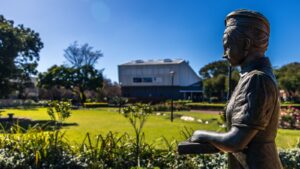
The town has several historical sites and museums focused on its founding and history through the Boer War.
Along with historical sites, the town is known for its ecotourism, as it is in close proximity to several game farms and wildlife reserves.
The nearby Bloemhoek and Serfontein dams add to the town’s natural offerings, with several camping sites and lodges also in the area.
Kroonstad is also close to the Boskoppie lion and tiger reserve, which is home to several big cat species.
Financial health and service delivery
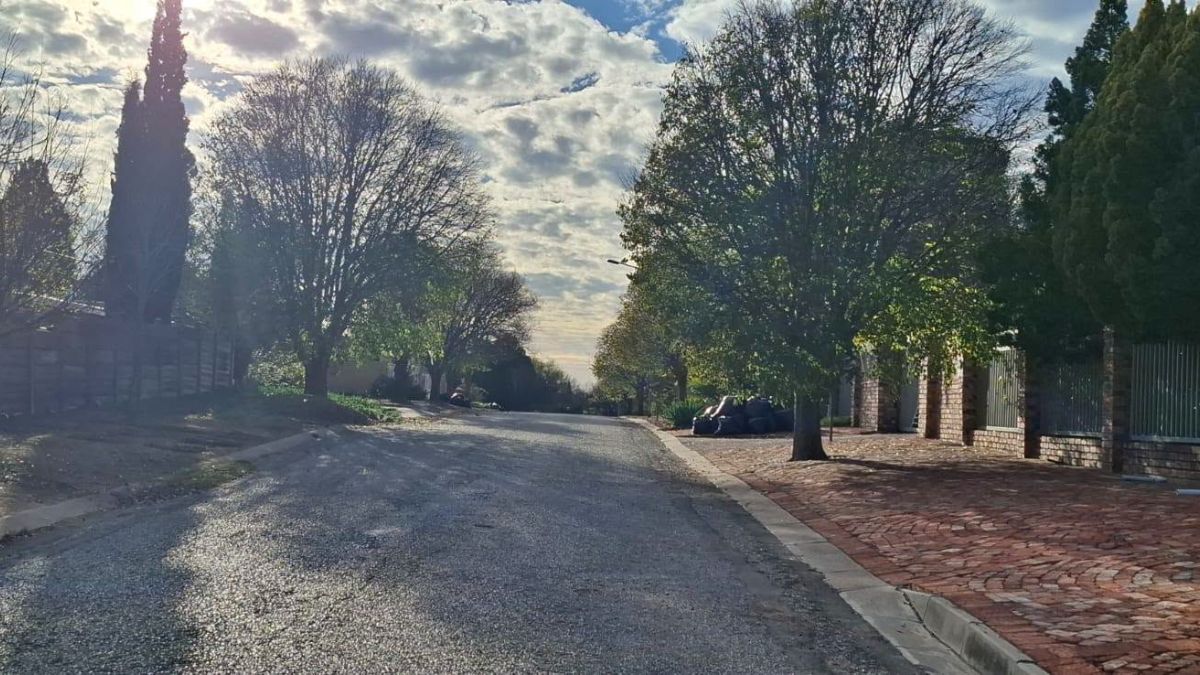
In recent years, Kroonstad’s municipality has struggled with service delivery issues and material irregularities.
The town is part of the larger Moqhaka municipality, which has faced four material irregularity findings from the AGSA since 2019.
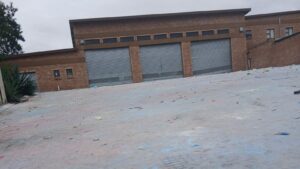
One of these irregularities was found in June 2026 and concerned the Kroonstad and Viljoenskroon wastewater treatment works, which the AGSA found was discharging raw sewage into groundwater.
The auditor general found that the municipality had failed to prevent raw sewage from leaking into groundwater and local water systems, leading to significant public health concerns.
At the time, Democratic Alliance (DA) councillor Palesa Mpele said the municipality had “failed to take reasonable measures to prevent this pollution from occurring, continuing, or recurring”.
Mpele said the continued discharge of raw sewage would pose health concerns to surrounding communities and create compound risks to basic services.
The DA have also raised concerns about water infrastructure maintenance, and said that some leaks remain unresolved for up to six months.
“The ongoing failure to address water leaks across Moqhaka Local Municipality is resulting in significant and unnecessary water losses,” Councillor Marelize Boeijie said.
“Every drop of treated water lost through an unattended leak represents wasted resources and additional pressure on an already strained water system.”
In its audit of the Moqhaka municipality’s 2024 statements, the AGSA gave a qualified opinion with findings, unchanged from the previous year.
The audit gave several worrying revelations about the municipality’s service delivery and financial health.
It found that the municipality was, on average, 757 days late to pay creditors and took an average of 307 days to collect debts owed to it.
It also recorded R754,74 million in unauthorised, fruitless, and irregular spending in the 2024 financial year.
In its supply chain management, the AGSA found the municipality had “uncompetitive and unfair procurement” and inadequate contract management.
While the municipality’s financial health and material irregularities are worrying, Kroonstad residents have taken action to care for the town.
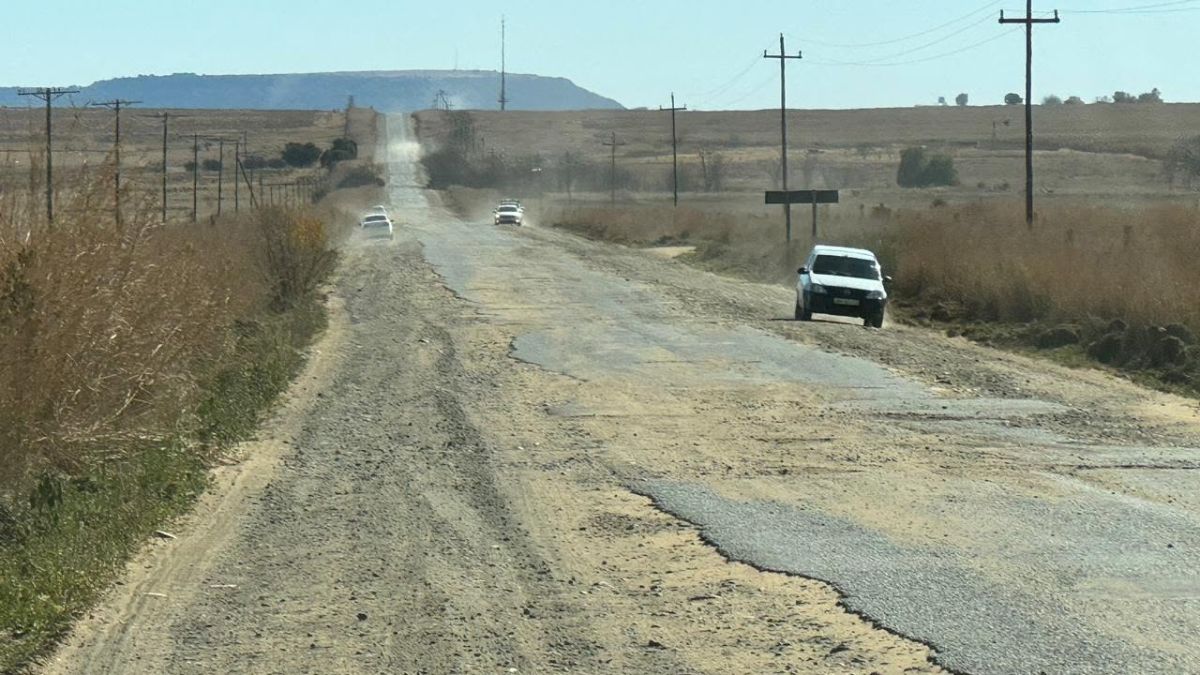
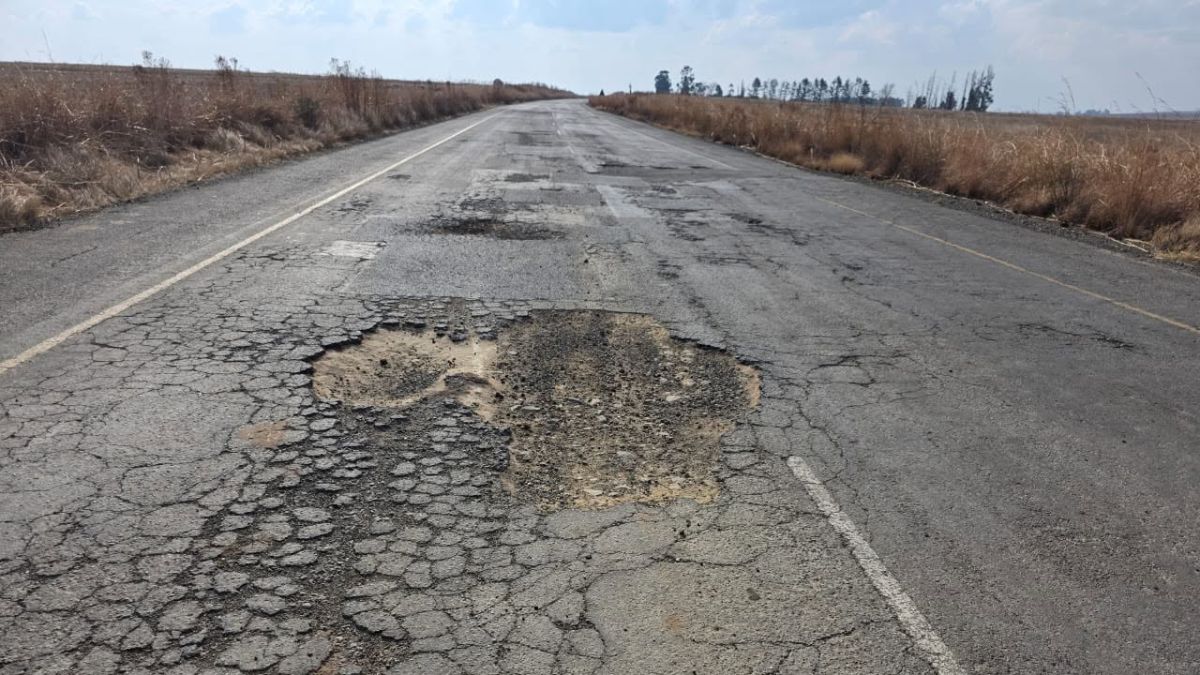
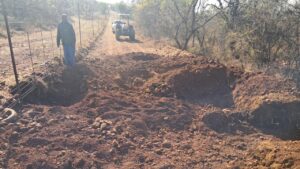
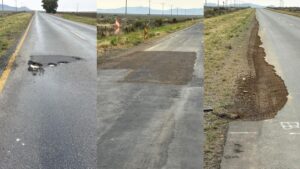
Volunteer organisations such as Ignite and Revive have made efforts to address service delivery and maintenance challenges, including pothole repairs.
The group has several local corporate sponsors, including Pick n Pay and Spur, helping with repair and cleanup efforts.
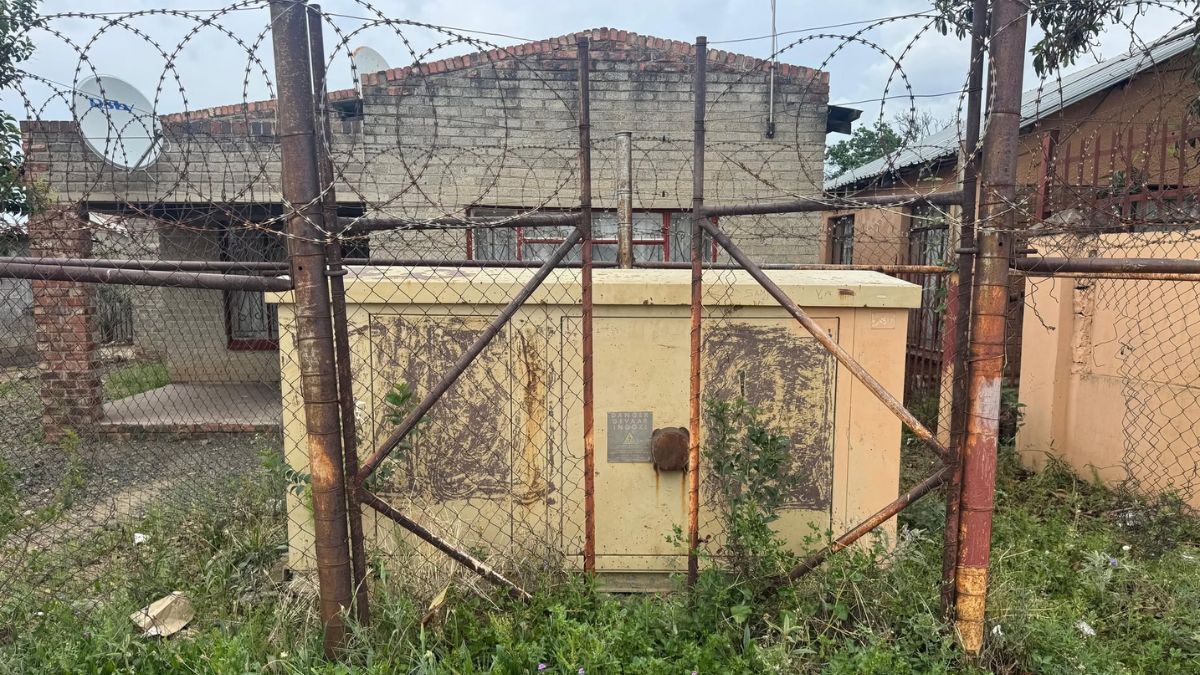
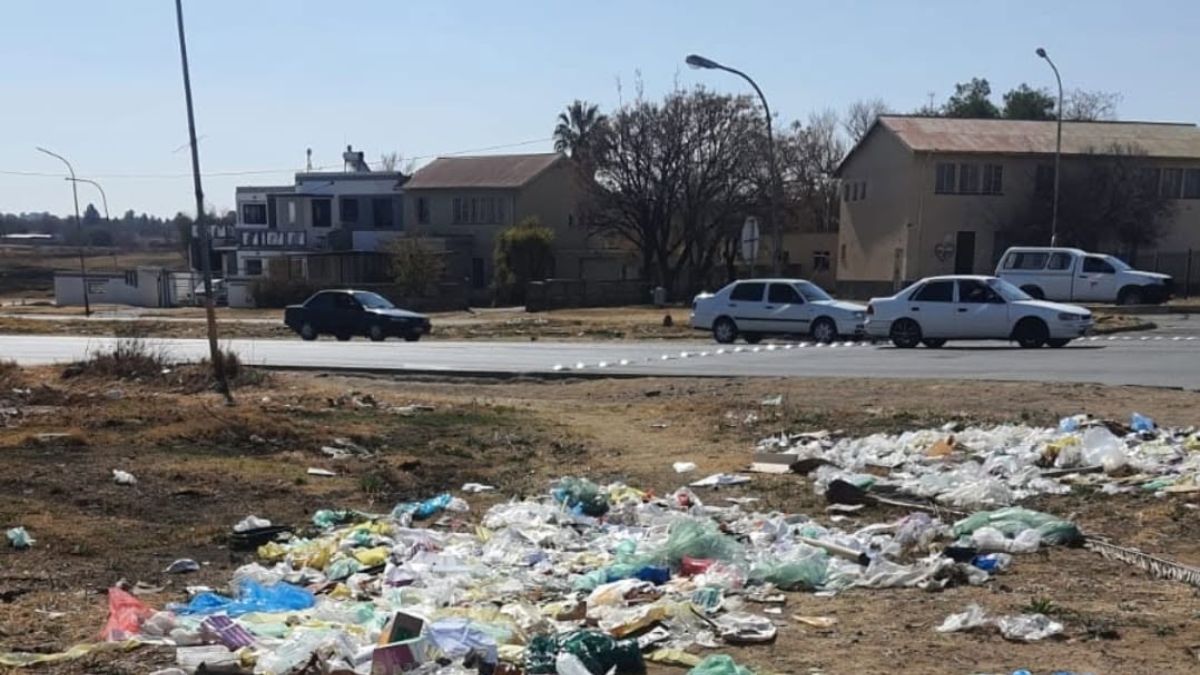
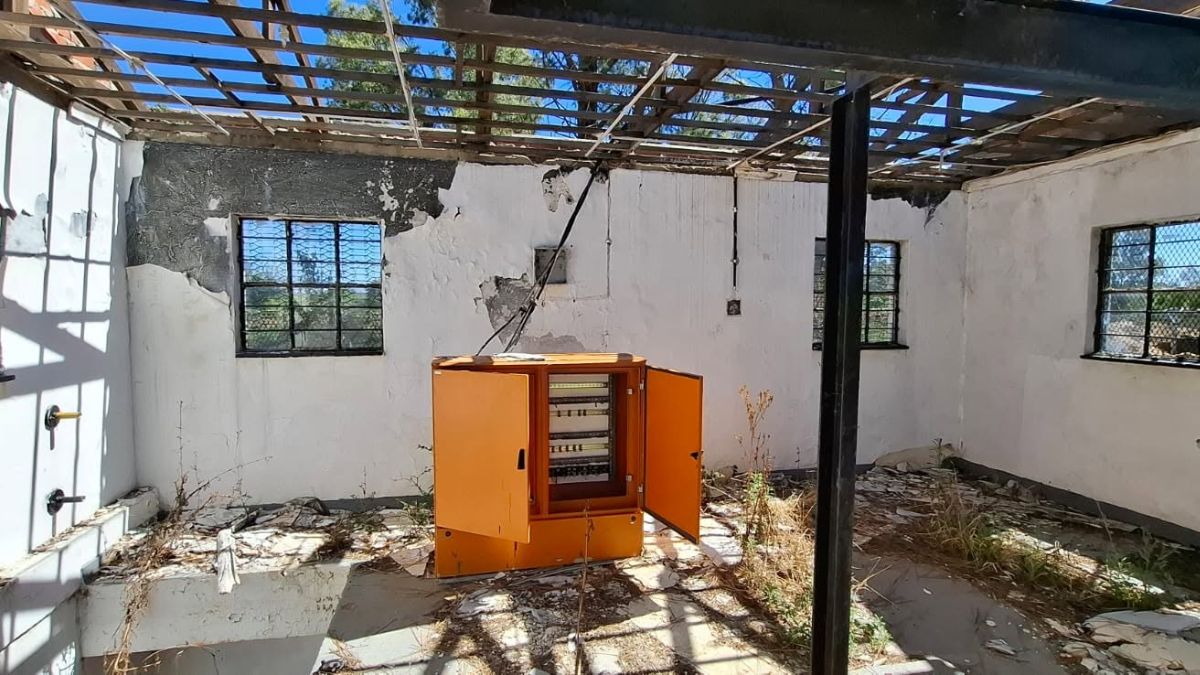
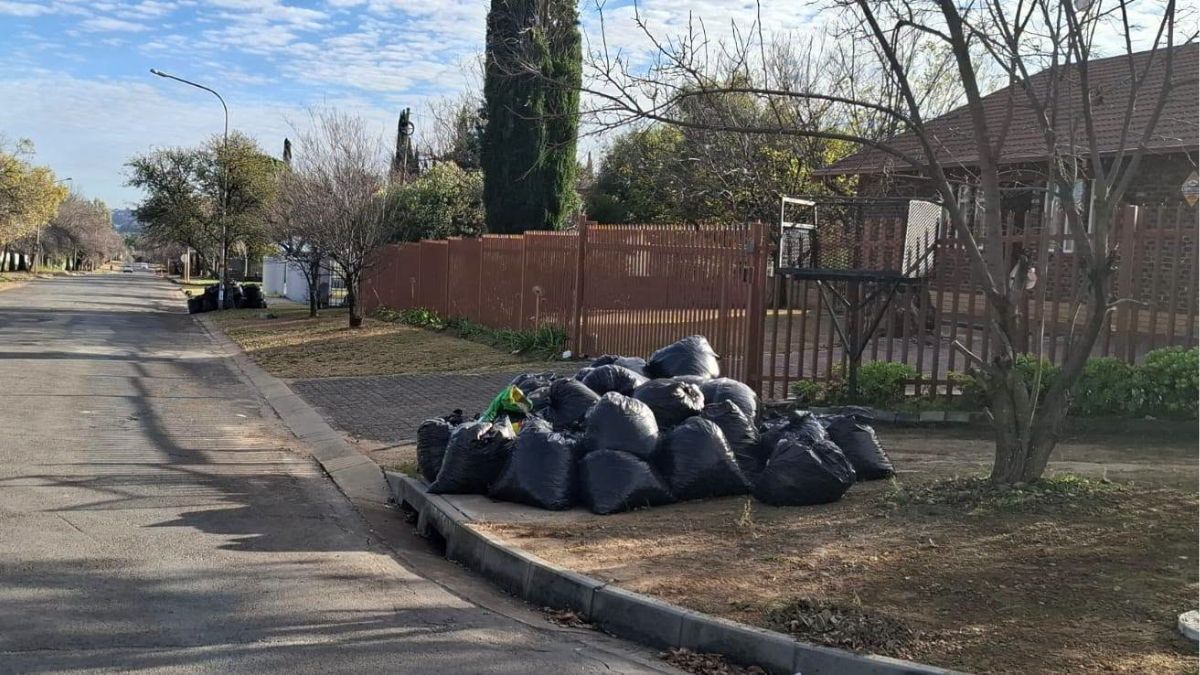
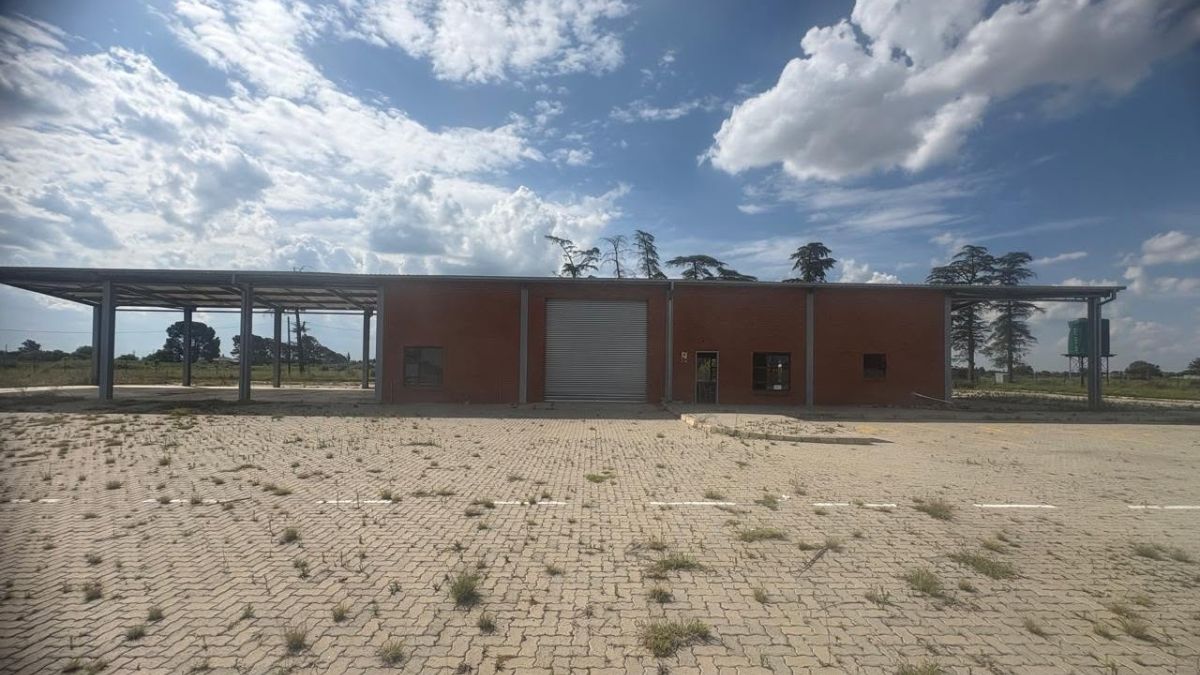
Photos of Kroonstad


 Loading ...