
Load shedding was entirely avoidable


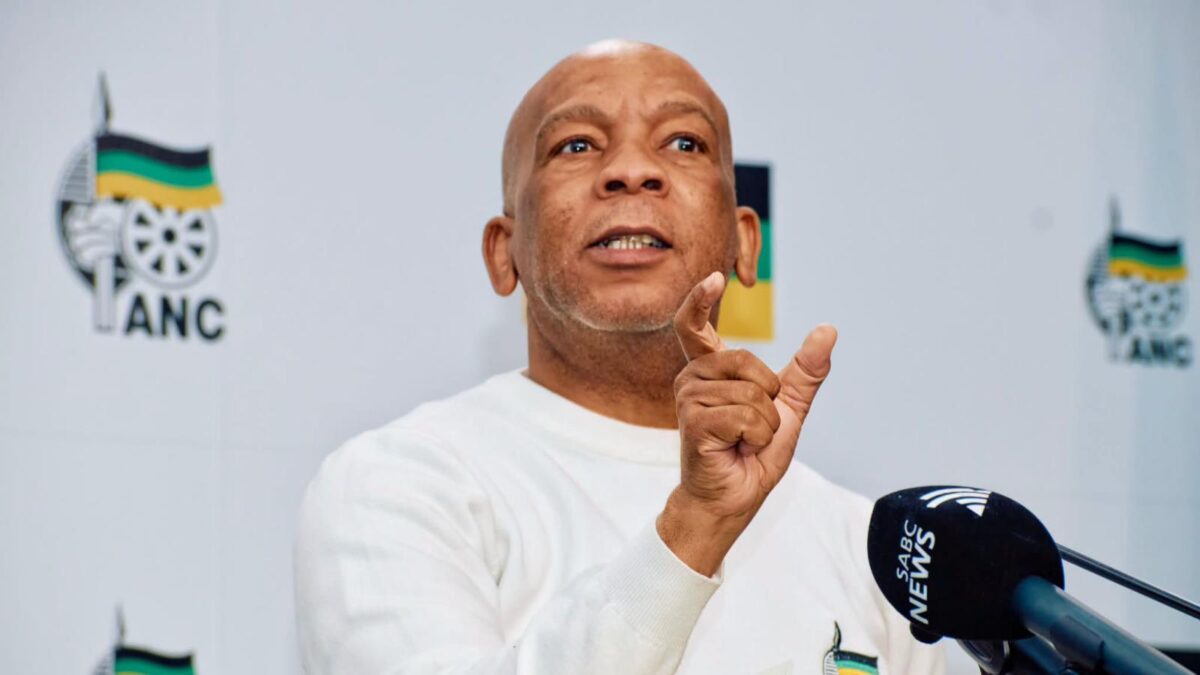
Minister of Electricity and Energy, Kgosientsho Ramokgopa, said that load shedding in South Africa was entirely avoidable.
He explained that it was caused by accumulated weaknesses in maintenance, delayed investment, governance failures, and corruption.
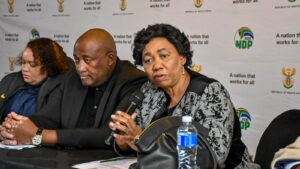
Ramokgopa shared this information during a media briefing about the ANC’s local government election manifesto launch.
He said that the ANC had characterised load shedding as an existential crisis to South Africa and its economy.
“It delivered a devastating blow to the country’s economic growth prospects, and we had to take extraordinary measures to resolve it,” he said.
During the ANC media briefing, Ramokgopa said that they had come to accept that load shedding was, in fact, avoidable.
“It reflected accumulated weaknesses in maintenance, delayed investment, and governance failures,” he said.
“It was also a function of corruption and the slow implementation of necessary decisions.”
“It is for this reason that fixing the energy crisis was at the forefront of our renewal agenda going into this term under review.”
He cited President Ramaphosa’s Energy Action Plan as an intervention mechanism to ensure that they fixed Eskom.
Unveiled by Ramaphosa in July 2022, the Energy Action Plan is South Africa’s strategic roadmap to end load shedding, fix Eskom, and transform the country’s energy grid.
This plan aims to advance South Africa’s long-term energy security through private investment, regulatory reform, and new generation capacity.
“We are able to accelerate private sector investment in new generation capacity and accelerate public procurement of new generation,” he said.
“We have incentivised rooftop solar solutions, and continue with the unbundling of Eskom from a vertically integrated monopoly to introduce competition.”
Load shedding and sabotage
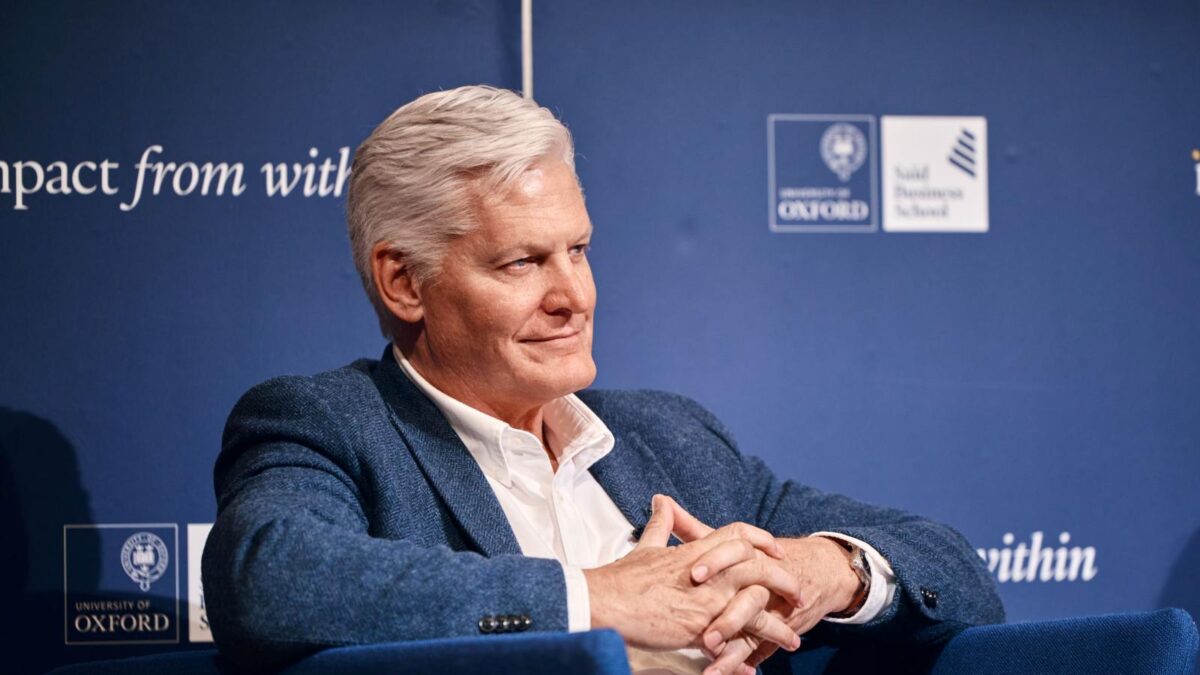
Former Eskom CEO André de Ruyter said President Cyril Ramaphosa provided the nation with false information about the real cause of stage 6 load-shedding in 2019.
In his book Truth to Power, De Ruyter recalled the shock of December 2019, when South Africa was hit by stage 6 load-shedding for the first time.
It was such a disaster that Ramaphosa cut short his trip to Egypt to attend to the growing power crisis at home.
The president, joined by former deputy president David Mabuza, visited Eskom executives at Megawatt Park to discuss what happened.
Ramaphosa told South Africans that sabotage was to blame for the significant load-shedding the country was experiencing.
Former Eskom chairman and acting CEO Jabu Mabuza and chief operating officer Jan Oberholzer were astonished by Ramaphosa’s claim. It was simply not true.
The true reason was Eskom’s incompetence. Heavy rains in areas where the Medupi and Matimba power stations were located caused problems with wet coal.
“This had been an entirely avoidable incident. The wet coal resulted from gross negligence in preparing coal stockpiles for rain at several power stations,” he said.
Mabuza and Oberholzer had to backpedal and walk a fine line to correct the lie without embarrassing the president.
They had to explain that there was no firm evidence of sabotage when interrogated by a sceptical media.
The former Eskom CEO said sabotage at power stations is real. However, it can be tricky, sometimes impossible, to distinguish it from mere incompetence.
“Politically, admitting incompetence was deeply unpalatable,” he added.






 Loading ...
And not one single word about the estimated ONE HUNDRED AND NINETEEN BILLION RAND (sorry to shout) owed to Eskom by the ANC’s crooked municipalities.
I’m embarrassed to be a civil engineer listening to this pillock. Maybe he learned his lying technique at UDW.