
Staff at South Africa’s largest university suffer extreme trauma and distress


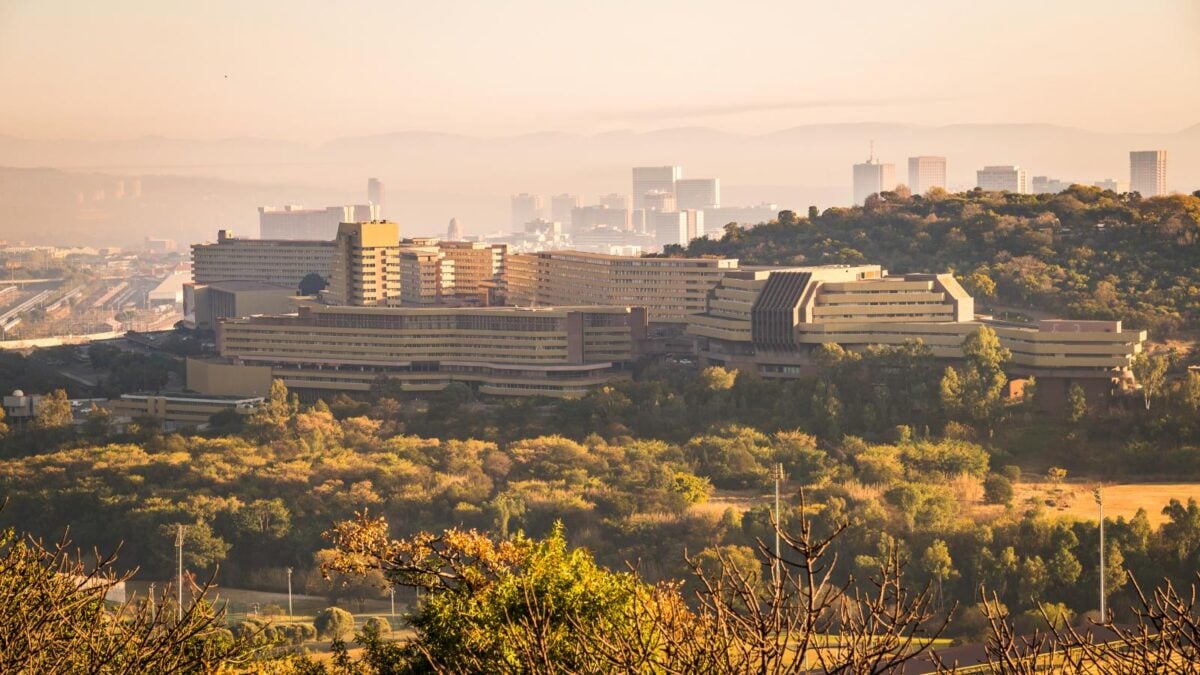
Trade union Solidarity said that staff at the University of South Africa (UNISA) suffered from severe workload and burnout.
This was shared by representatives of the Solidariteit trade union during a discussion about working conditions at the university.
Solidarity CEO Dirk Hermann said they were alerted to the problems by an employee at UNISA who was at his church.
She told him about extreme trauma and distress related to workplace conditions, which included being overworked.
Anique Niemand, network organiser at Solidarity, surveys their members at the university to establish what was going on at the institution.
They found that 95% of respondents confirmed allegations of excessive workloads, high stress, lack of administrative support, and severe burnout.
Employees said that they were on the brink of collapse due to the overwhelming demands placed on them.
Respondents said that open positions were not being filled, and the workload was shifted onto existing staff.
“The work related to the unfilled posts does not go away. It is expected that the other employees at UNISA must take responsibility for this work,” she said.
Older lecturers, those with over 30 years of experience, said that they feel forced to take early retirement because they saw no other way to escape the stressful environment.
This situation was not created overnight. It was caused by years of leadership challenges at the University of South Africa.
However, UNISA told us that they were unaware of these problems and disputed the reports of poor working conditions.
The next steps for Solidarity
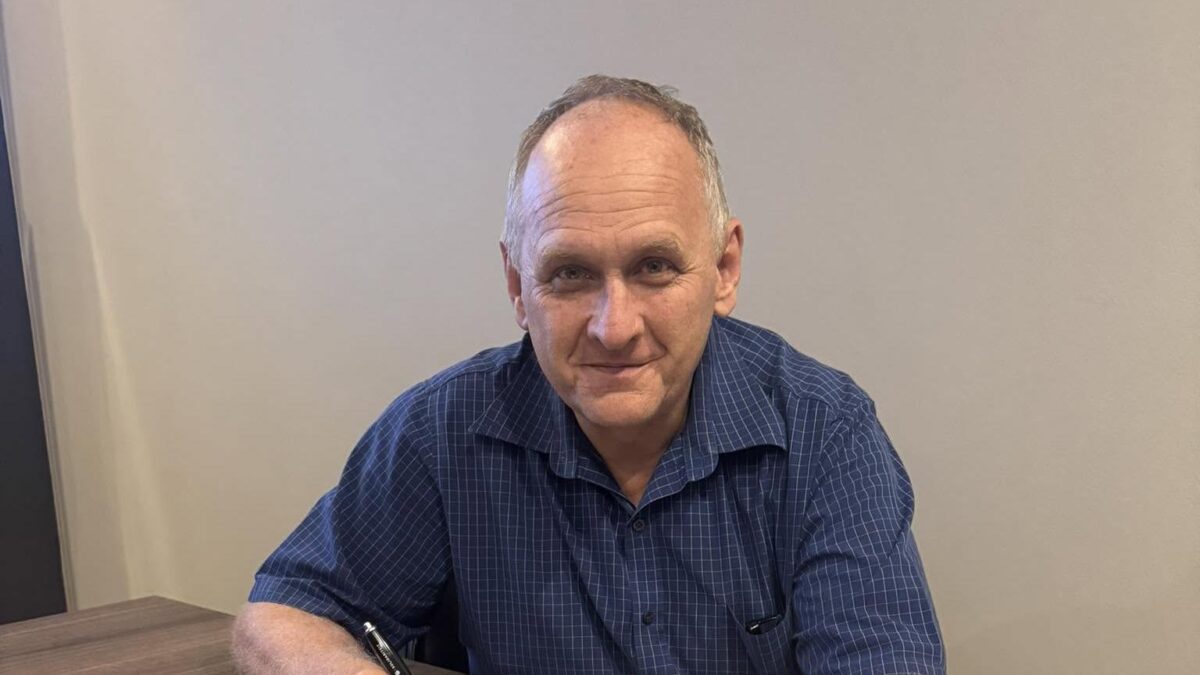
Niemand said that Solidarity doesn’t want to throw all these problems out into the open before engaging with UNISA.
“We are putting our hands up to sit down with UNISA and all relevant parties to find solutions,” she said.
“We will also send a letter to the Minister of Higher Education and the Portfolio Committee, asking them to intervene.”
Solidarity also wants an independent investigation into the working conditions and overall well-being of all UNISA employees.
“That way, we can clearly determine where the deficiencies lie, whether it’s workload, unfilled positions, or a lack of administrative support,” she said.
She added that the facts must first be formally established so the relevant authorities realise there is a problem and agree to address it.
“Once we reach that point, we can move forward,” Niemand said.





 Loading ...
Students aren’t human; they like apes and shouldn’t be in universities; they should be housed in zoos