
R1 billion battle in one of South Africa’s poorest provinces


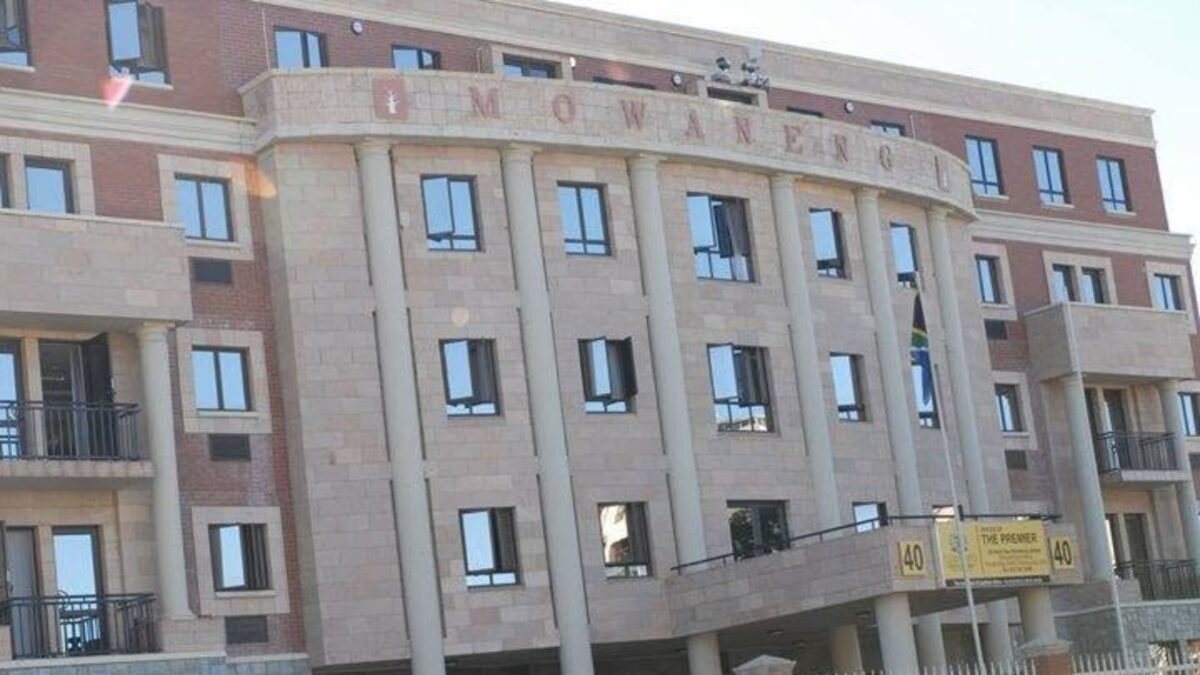
Municipalities in Limpopo are owed R1 billion by the provincial government, putting their service delivery under strain.
The debt stems from unpaid municipal service charges, including electricity and water for government buildings.
Provincial departments have also failed to pay property rates and refuse removal tariffs.
The National Treasury has previously warned Limpopo’s provincial government about the outstanding debts, threatening to withhold equitable shares.
The unpaid dues impose a significant financial burden on municipalities, which rely on these funds to continue service delivery.
The Department of Public Works, Roads, and Infrastructure owes nearly R530 million to several municipalities.
The provincial treasury has said that poor record-keeping and data management have slowed the payment process to municipalities.
The Democratic Alliance (DA) said that the provincial government cannot expect municipalities to maintain financial discipline when it cannot do so itself.
“It is unconscionable that residents are expected to pay municipal accounts on time while provincial departments fall almost R1 billion into arrears,” it said.
“Every household knows that if you do not pay your accounts, there are consequences. The government should be held to the same standard.”
Without the R1 billion owed to them, municipalities will struggle to maintain infrastructure and provide continuous services.
“Municipalities depend on rates and service charges to keep water flowing, maintain roads, repair electricity networks and collect refuse,” the DA said.
“When the provincial government fails to pay what it owes, it weakens municipalities’ ability to deliver those services.”
The party requested a breakdown of the debt, detailing how much is owed to each municipality.
It also asked what plans had been put in place to pay these debts and how government departments would prevent owing such large amounts in the future.
Limpopo’s municipal finance crisis
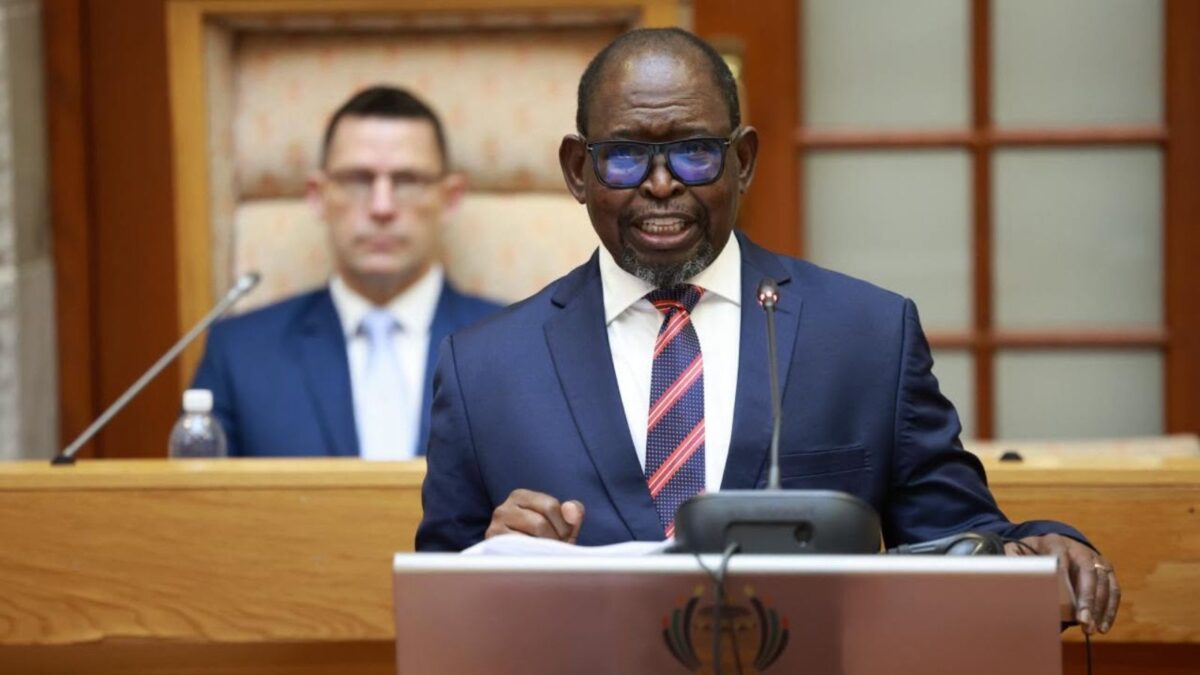
Many municipalities in Limpopo are already struggling to pay service providers due to insufficient revenue.
The National Treasury recently announced it would withhold funds from municipalities with large debts to bulk service providers.
These providers include Eskom and Rand Water, which have both faced difficulties due to non-payment by municipalities.
The withholding of equitable shares was also targeted at local governments with unfunded budgets or general financial mismanagement.
The Treasury said municipalities could still secure equitable shares by demonstrating payment plans for service providers’ debts.
They must also show that action is being taken against officials responsible for wasteful expenditure and that their finances are being reported correctly.
The Treasury’s new mandate is designed to relieve pressure on these groups and increase financial compliance within the country’s municipalities.
Within Limpopo, five municipalities had their equitable shares withheld by the Treasury due to poor financial discipline.
The DA said these municipalities were being undermined by provincial departments, leaving them without the funds necessary to service debts or provide services.
“The provincial government is itself undermining municipal finances by failing to pay almost R1 billion that it owes,” it said.
Without payments from provincial departments, municipalities in Limpopo risk more trouble with the Treasury, as they struggle to service historic debts.
Local governments rely on tariffs to fund bulk energy and water purchases, and without this revenue, the municipalities’ debts will continue to rise.
“By failing to pay its own municipal accounts, it is directly contributing to Limpopo’s municipal finance crisis,” the DA said.
The revenue is also used for essential services, leaving residents with deteriorating infrastructure and poorly maintained municipal systems.



 Loading ...