
Parts of South Africa’s capital don’t have clean drinking water


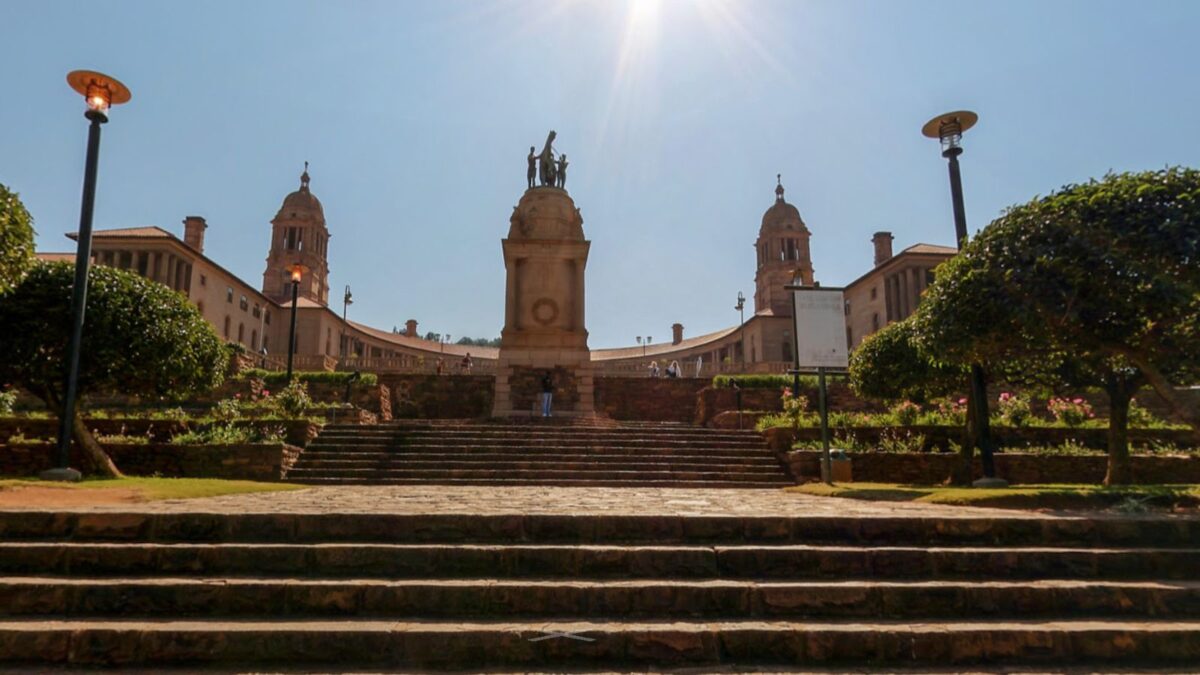
Pretoria’s water treatment systems are in dire straits, with many operating at a fraction of their total capacity.
The city serves as South Africa’s executive capital, with a population of 4 million when the metropolitan area and surrounding townships are combined.
This makes it the fourth-largest city in the country, behind Johannesburg, Cape Town, and Durban.
The Tshwane municipality, which houses Pretoria and the surrounding areas, has recently come under scrutiny for the operation of its wastewater treatment plants.
These plants are essential for processing raw sewage and making it safe to return to the surrounding environment.
Freedom Front Plus (VF Plus) councillor Nick Pascoe said the water treatment problems are a danger to residents and the environment.
He said the treatment plants have deteriorated over time, reducing capacity and taking a toll on Tshwane residents.
The municipality has 16 sewage treatment facilities, with oversight reports conducted for four of them.
This includes the Sunderland and Sandspruit facilities, which are currently operating at roughly 26% capacity.
The Rooiwal North treatment plant is also performing poorly, with its current capacity only reaching 17.9%.
The oversight reports identified the Babelegi facility as the worst performer, with a capacity of 17.4%, but the status of other facilities is unknown.
Pascoe said oversight of wastewater facilities was not conducted at 12 plants across the municipality, raising questions about their performance.
He was critical of this lack of oversight, claiming that it was done to intentionally hide their limited capacities.
“By failing to report on the state of the rest of these works, the coalition government is deliberately trying to cover up the full extent of this ecological disaster,” he said.
The impact on residents
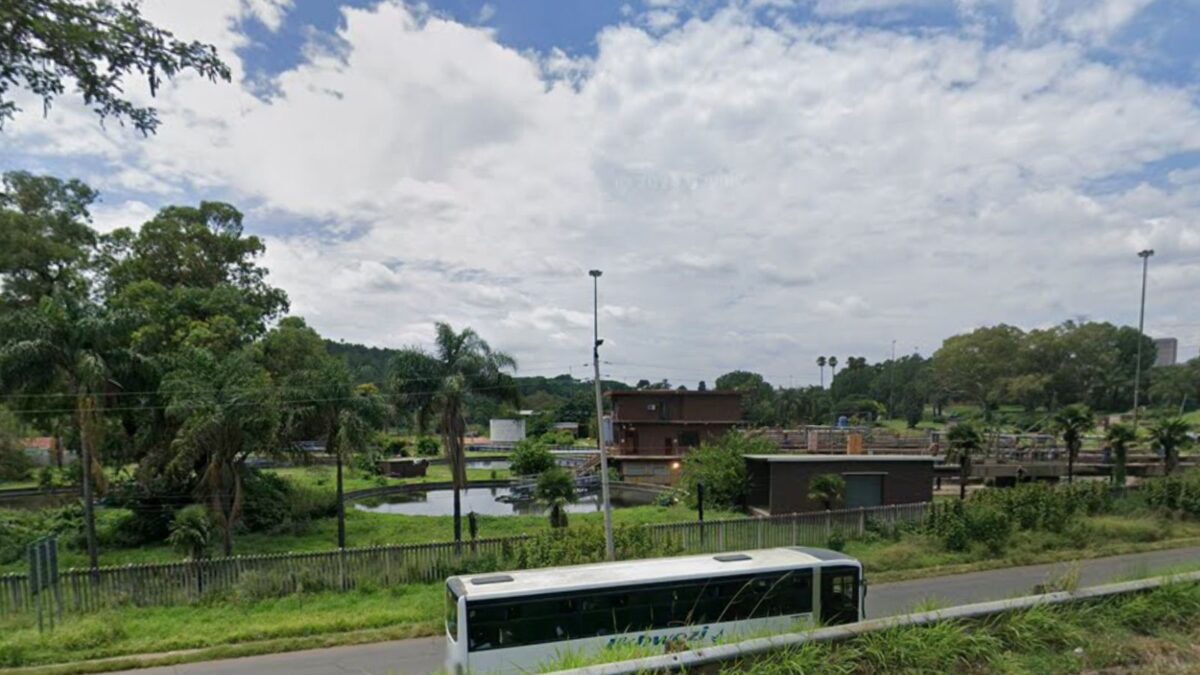
The limited functioning of sewage treatment plants poses a significant risk to Tshwane residents.
If these facilities do not operate at sufficient capacity, harmful sewage and pollutants enter the surrounding water systems.
Pascoe said the crisis in Tshwane is affecting water systems in the area, including the Hennops and Apies rivers.
This places tremendous pressure on purification systems operating near these rivers, which are vital for providing clean drinking water. “This contaminated tap water poses a direct health risk to families,” he said.
The damage is evident in the Temba and Bronkhorstspruit areas, where water quality consistently falls below legal safety standards.
Pascoe noted that the pollution does not just affect water from purification systems. Boreholes are also becoming unsafe.
He said that as untreated sewage seeps underground, boreholes cannot draw clean water, no matter how deep they go.
This poses a challenge for farmers in the area, who often rely on boreholes when municipal water infrastructure cannot reach them.
Pascoe said these challenges result from poor management by the area’s majority coalition government.
He said the coalition’s hiring of untrained personnel at waste treatment facilities and the redirection of infrastructure funding had contributed to the deterioration of these systems.
He also accused the municipality of hiding the full extent of the waste management crisis by failing to conduct oversight at many facilities.
This, he said, was a deliberate move to shield themselves from scrutiny in the run-up to the local elections in November.




 Loading ...