
First, it worked. Then, it broke. Soon, the corruption started. Now, it is broken forever.


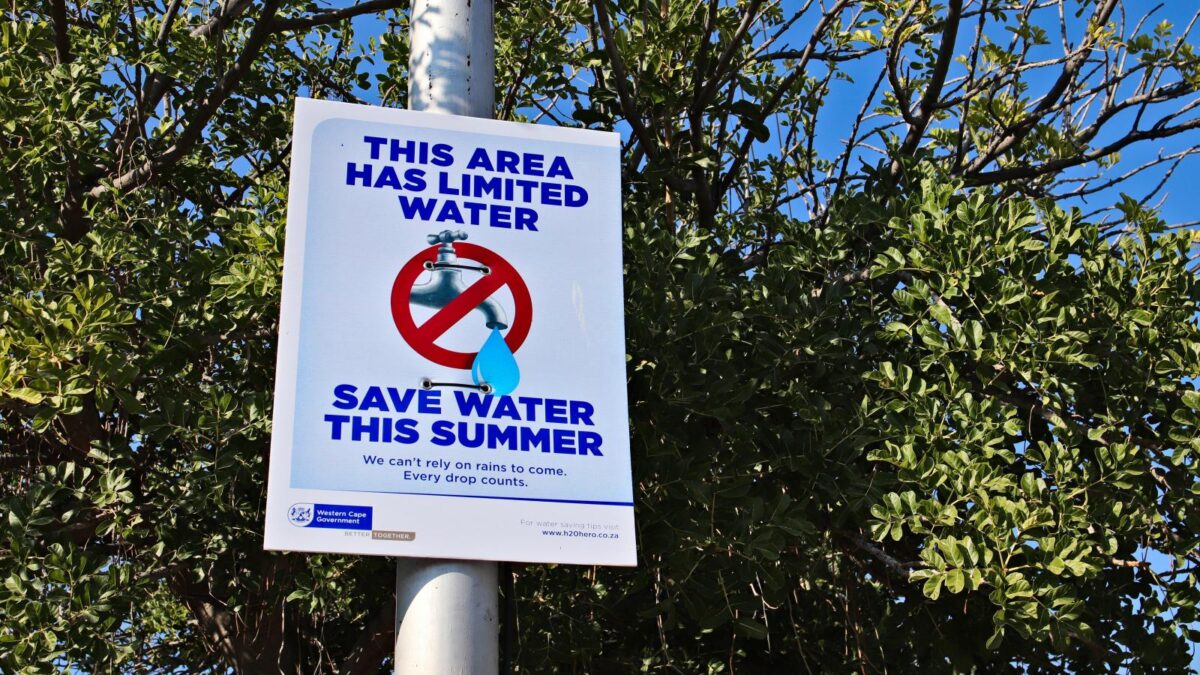
The water problems in many municipalities are exacerbated by entrenched corruption linked to water tanker mafias, which profit from the broken water system.
The municipal water crisis across South Africa is a self-inflicted emergency attributed to governance failure, financial mismanagement, and a loss of technical capacity.
The infrastructure collapse across South Africa is so significant that the national average of Non-Revenue Water (NRW) is 47.3%.
Nearly half of all clean drinking water in South Africa leaks out of broken municipal pipes, is lost to faulty meters, or is siphoned via illegal connections.
Water and Sanitation Minister Pemmy Majodina said that local governments lose approximately R26 billion every year due to non-revenue water.
The losses are significantly worse than the global average of around 30%, underscoring the country’s infrastructure challenges.
The collapse of water treatment plants, deteriorating municipal water networks, and slow fault repair times leave many neighbourhoods without water for days or weeks.
This has created a secondary water market, where tankers are used to provide water to affected communities. However, it soon evolved into a criminal enterprise.
The business model of a water tanker company relies entirely on engineered scarcity, like unexpected water outages.
If a municipality fixes its pipes and water flows normally, the tanker contracts are terminated.
To prevent revenue loss, water tanker syndicates actively ensure municipal systems remain broken.
Syndicates routinely track municipal repair teams. Once a pipe, valve, or pump station is repaired, criminal operators physically sabotage it.
These water tanker mafias smash valves, cut cables, or intentionally block pipes to force an area back into a state of water crisis.
Municipal technicians and contractors trying to fix water infrastructure have faced physical threats, extortion, and armed intimidation, forcing them to abandon repairs.
South African municipalities collectively spent an estimated R2.32 billion on water tanker contracts in the 2024 financial year. This illustrates the scale of the problem.
It has reached such a scale that the Department of Water and Sanitation and the Special Investigating Unit (SIU) were forced to act.
They created the Water Sector Anti-Corruption Forum to target organized syndicates, procurement fraud, and municipal infrastructure sabotage.
The water tanker mafia should never have existed
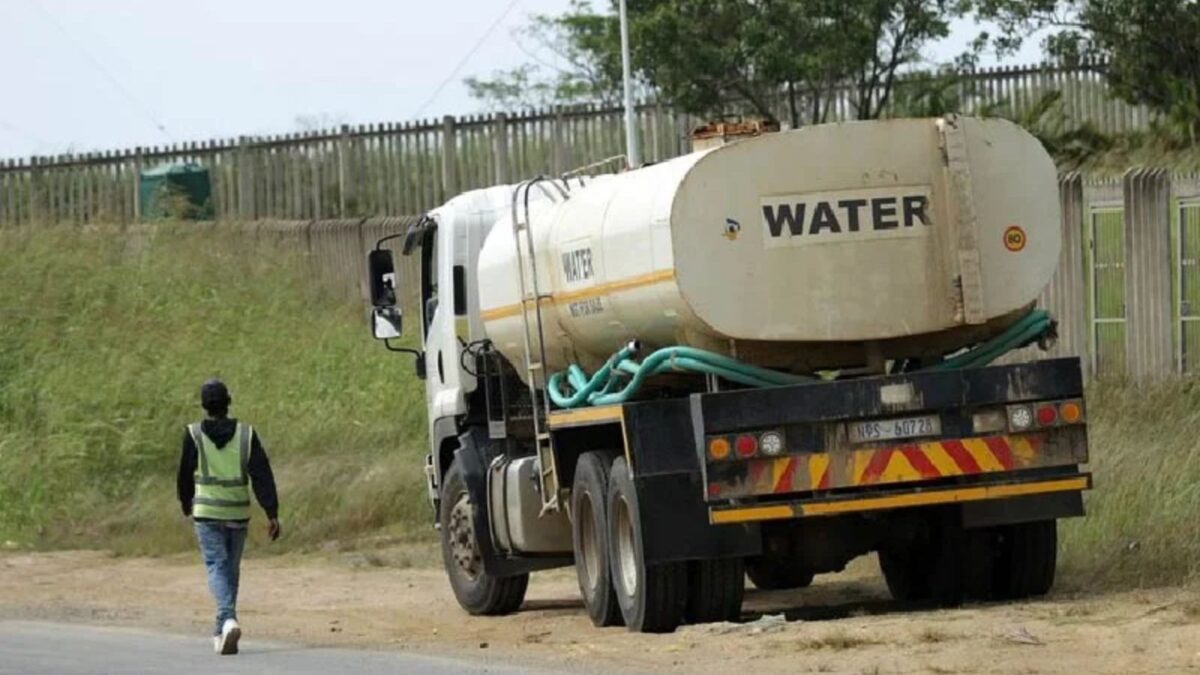
The water tanker mafia problem in South Africa should never have existed. If there were no severe water problems, there would be no need for water tankers.
Three decades ago, municipalities were mostly well-run, and the water problems which are evident today were unheard of.
However, as the ANC took over and cadre employment set it, these municipalities lost vital skills, and maintenance fell by the wayside.
Instead of using the money collected from residents for water tariffs on maintenance, it goes into a centralised municipal pot rather than a dedicated water account.
Struggling municipalities routinely use water revenues to fund operational deficits, such as covering bloated administrative salaries or even corrupt activities.
Due to financial mismanagement, most municipalities have abandoned preventive maintenance, such as replacing ageing pipes or servicing pump bearings.
Instead, they operate entirely on a break-fix model. They only dispatch teams after a catastrophic pipe burst or pump blowout has occurred.
Experienced civil engineers, water scientists, and qualified technical project managers have also left local government, exacerbating the problem.
These factors created a situation where water outages have become commonplace, causing dry taps for prolonged periods across the country.
This opened the door for the water tanker syndicates to make millions, which, under the banner of helping residents, ensure that the problems remain.
Municipality spends three times more on water tankers than on fixing its infrastructure
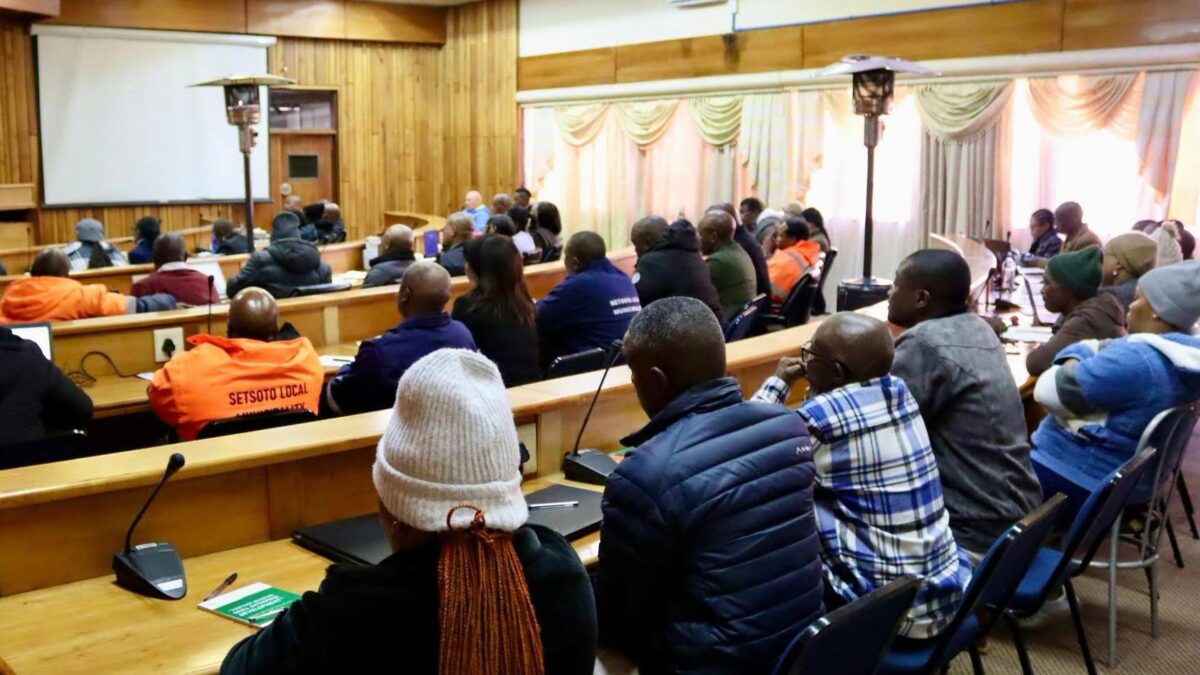
An example of this problem is the Setsoto municipality in the Free State, which spent over R14 million on water tankers, three times what it spent on infrastructure repairs.
The Setsoto municipality’s annual report showed worrying trends in the delivery of vital water services to its residents.
The municipality spent approximately R14 million on water tankers to provide services to residents.
The area has been using water tankers since 2016. Since their initial use, the municipality has increasingly relied on them to continue providing water.
In the 2024 financial year, the Setsoto municipality spent approximately R4.6 million on water tankers, which increased to R14 million the following year.
While this spending continues to increase, the municipality is failing to allocate its budget properly for water system maintenance.
In the 2025 financial year, the municipality set a budget of R8.2 million for maintaining water infrastructure, but spent only 53% of it.
The lack of maintenance spending demonstrates that the local government failed to plan maintenance programs or identify issues in its infrastructure.
Instead of identifying these challenges and using its budget to find solutions, the municipality continued to rely on water tankers to provide services.
AfriForum has criticised the Setsoto municipality’s use of water tankers, saying that it shows a lack of long-term planning.
“The budget earmarked for critical maintenance points to a concerning trend of pursuing short-term solutions rather than sustainable, long-term ones,” it said.








 Loading ...
When I worked for the Johannesburg City Council years gone by, we used to have a fully functional City Engineers Department, headed by a qualified Professional Civil Engineer and supported by Engineering technicians, who’s expertise spread amongst electrical, plumbing, building, carpentry, roofing, roads, paving. The Building Inspectors were also housed in the City Engineers Department. This department was located in the Council Building in Braamfontein. The Johannesburg City Transport department, had its own mechanical and panel-beating workshop complete with a wash bay and Diesel filling facility directly run by the City Council. Nothing was outsourced. The interaction was amazing amongst the various Engineering disciplines, and they worked seamlessly together. That resulted in Jozi working like a well oiled machine. When we were forced out by the “comrades” after 1994, a huge black cloud befell our beloved Jozi the devasting results are still there today.