
Inside the dark and spooky South African shopping mall where most shops are empty


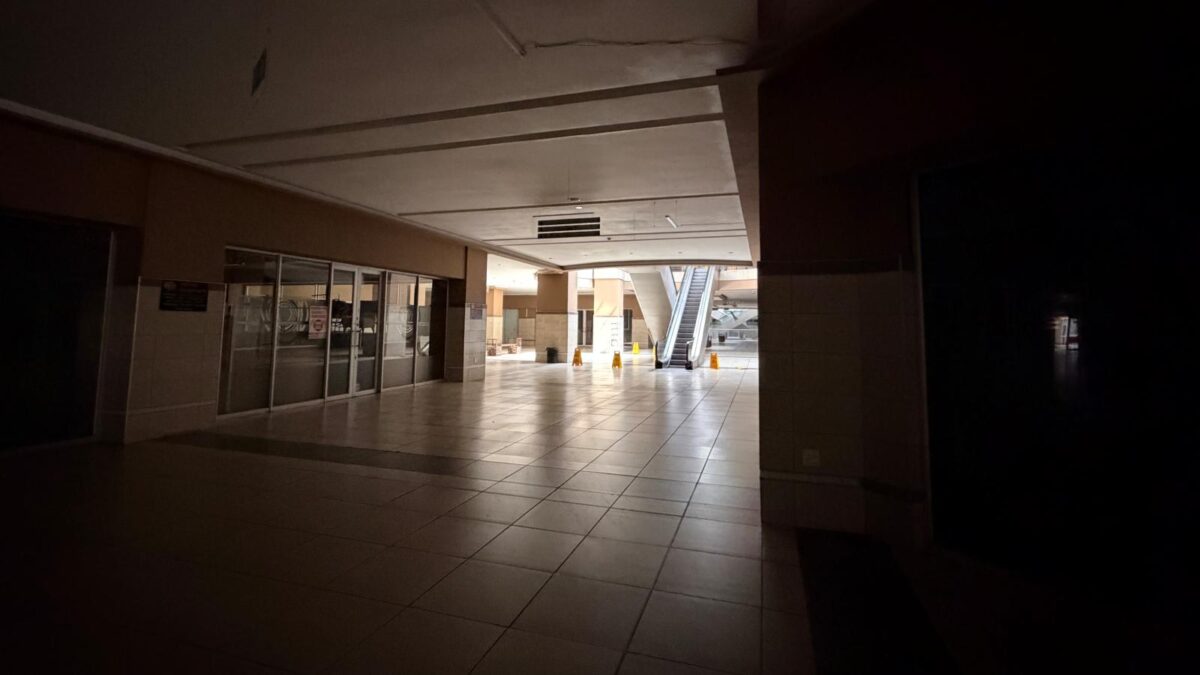
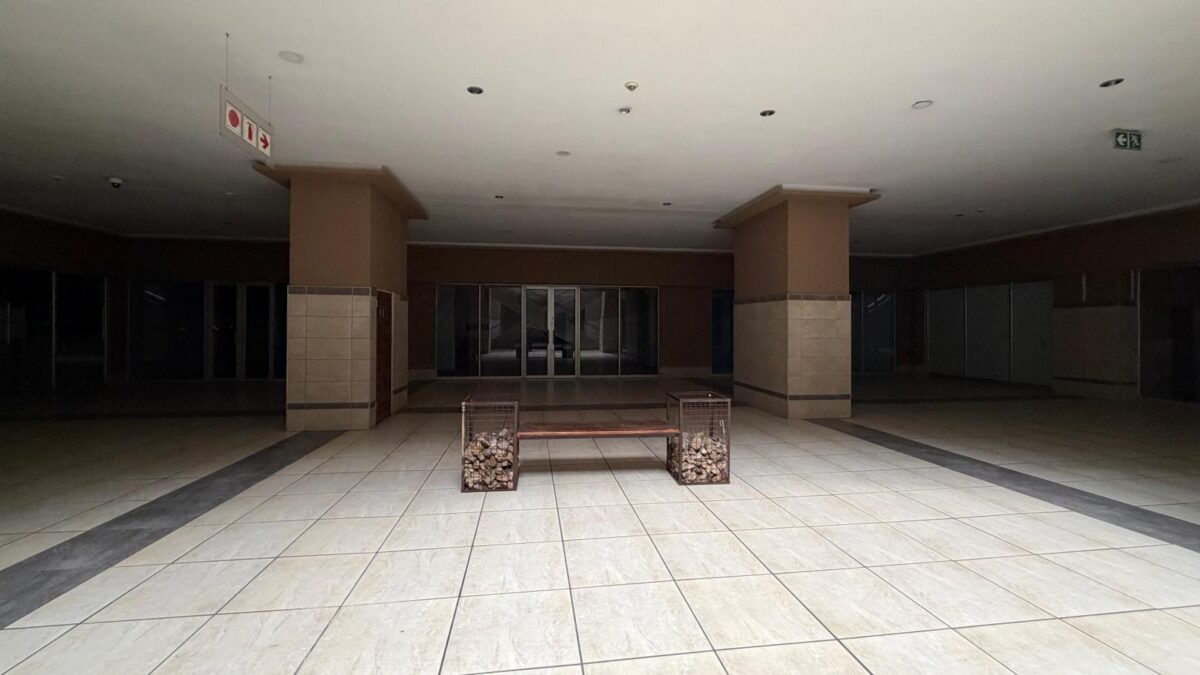
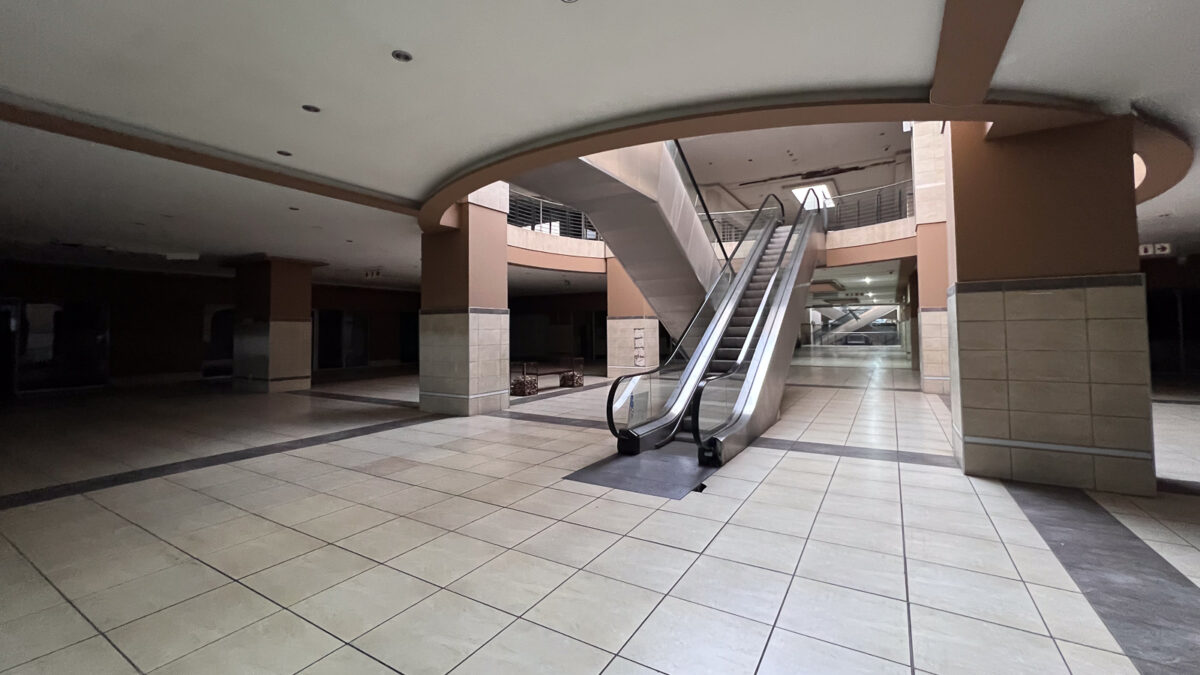
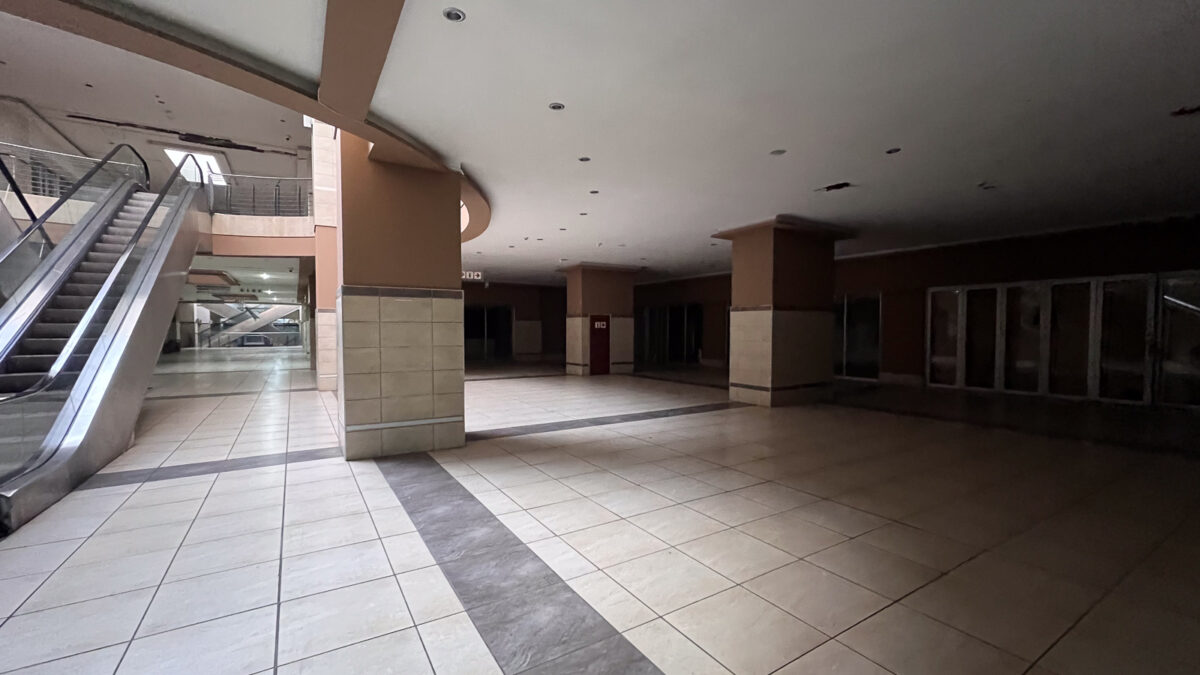
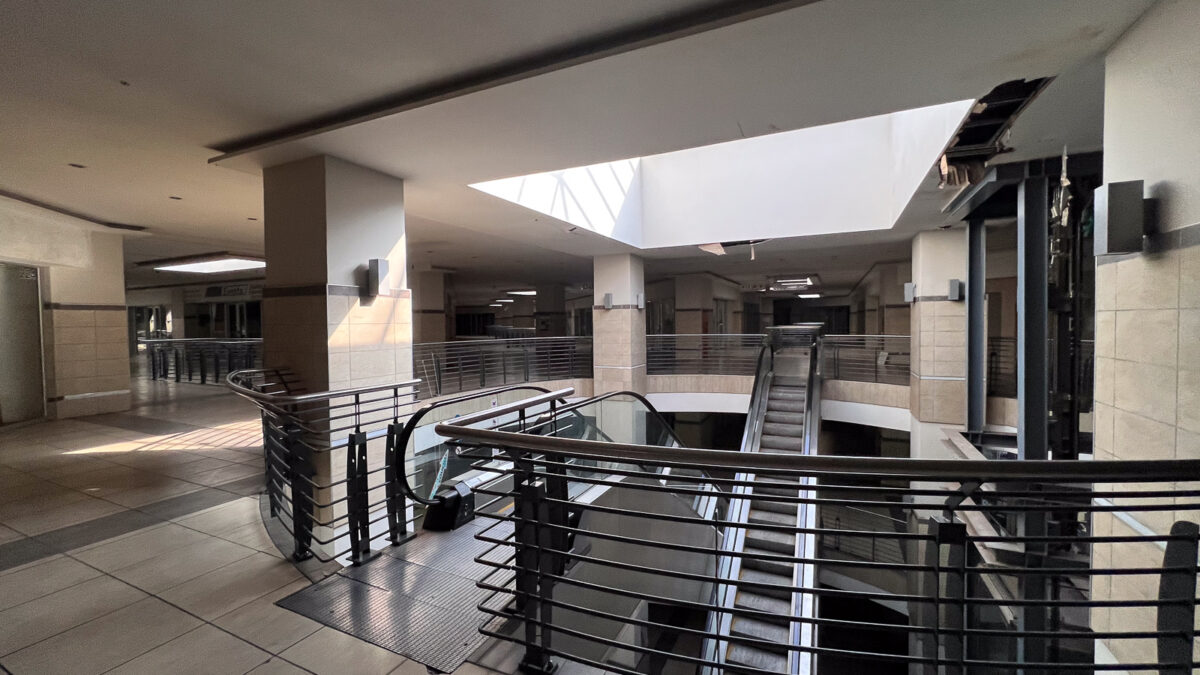
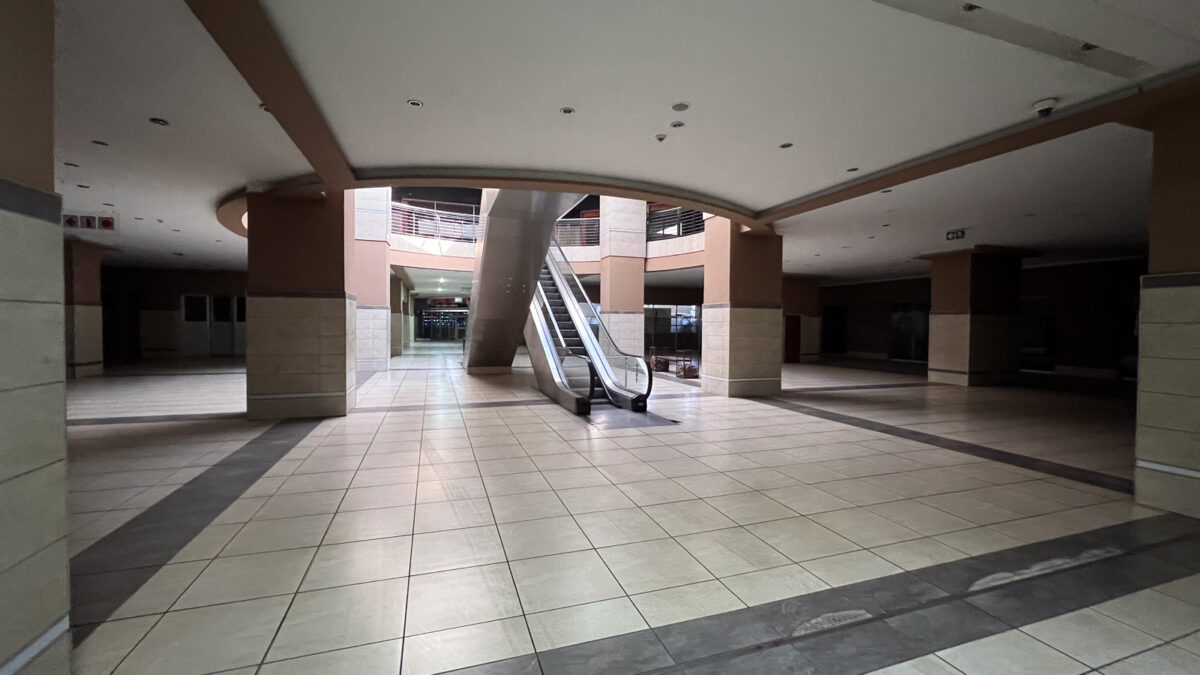
The Tshwane China Shopping Mall in Pretoria, formerly known as the Zambezi Mall, is dark and spooky and feels like something out of an apocalypse movie.
The shopping centre is located in Derdepoort, Pretoria, at the intersection of Sefako Makgatho Drive and Moloto Road and close to the N1.
The mall, developed by Capicol, promised to enrich and nurture the surrounding environment in the northeast of Pretoria.
The first phase of the R1 billion development was launched nearly two decades ago, and it attracted many top tenants.
These included Spar, Tops, News Cafe, Build It, Ocean Basket, Video Den, Pizza Chicken Perfect, Music Mate, MTN, and Speedy.
Building on the initial success, Zambezi Mall introduced the multi-storey third phase, which included a lettable area of 28,467 square meters.
The retail space and shops ranged from 12 square meters to 2,600 square meters and include covered parking.
After a few delays, the multi-story section of the Zambezi Mall officially opened its doors in early 2010. It was expected to be a big hit.
However, cracks quickly started to show. Within months of opening its doors, shops closed because of a lack of visitors to the centre. It completely lost its lustre.
In October 2013, the Zambezi Mall was reopened as the Tshwane China Shopping Mall, with Tomas Hu as its new manager.
Hu said that 80% of the shops had been filled. They had big plans to increase occupancy and make it a successful retail hub.
“Extensive marketing of the shopping centre has been undertaken, and footfall at the shopping centre has increased drastically,” the managers said.
However, the talk of a successful rebranding and relaunch was mostly bluster. It was never filled with new tenants, and it was not turned around.
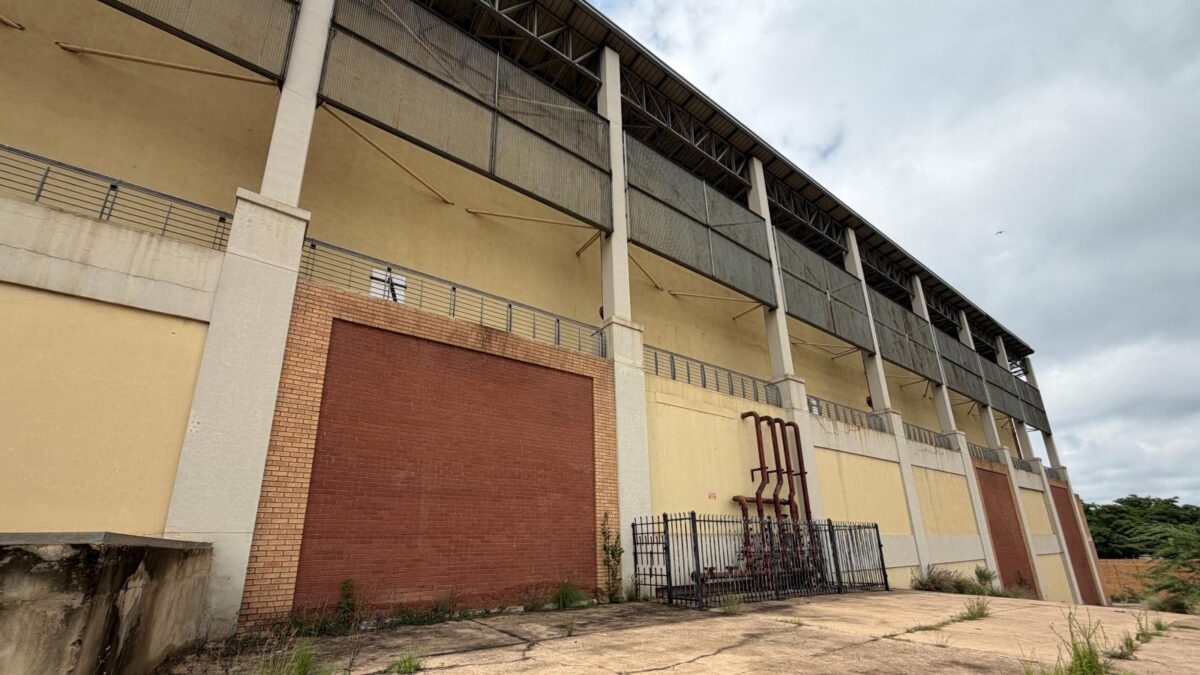
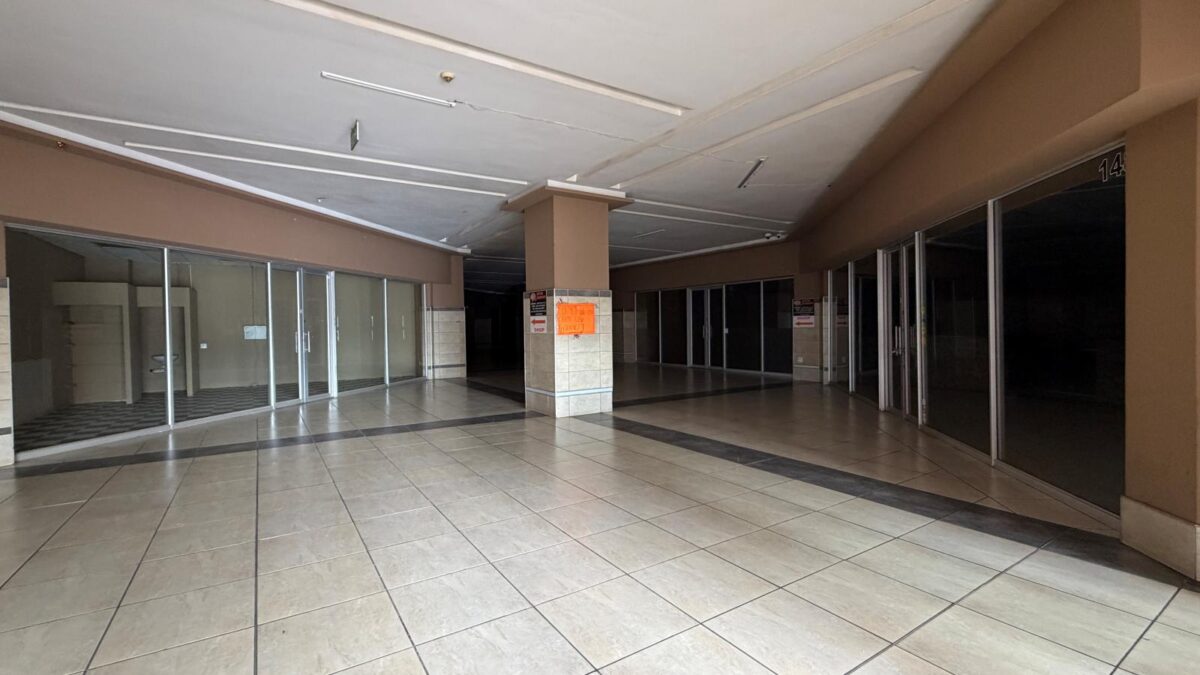
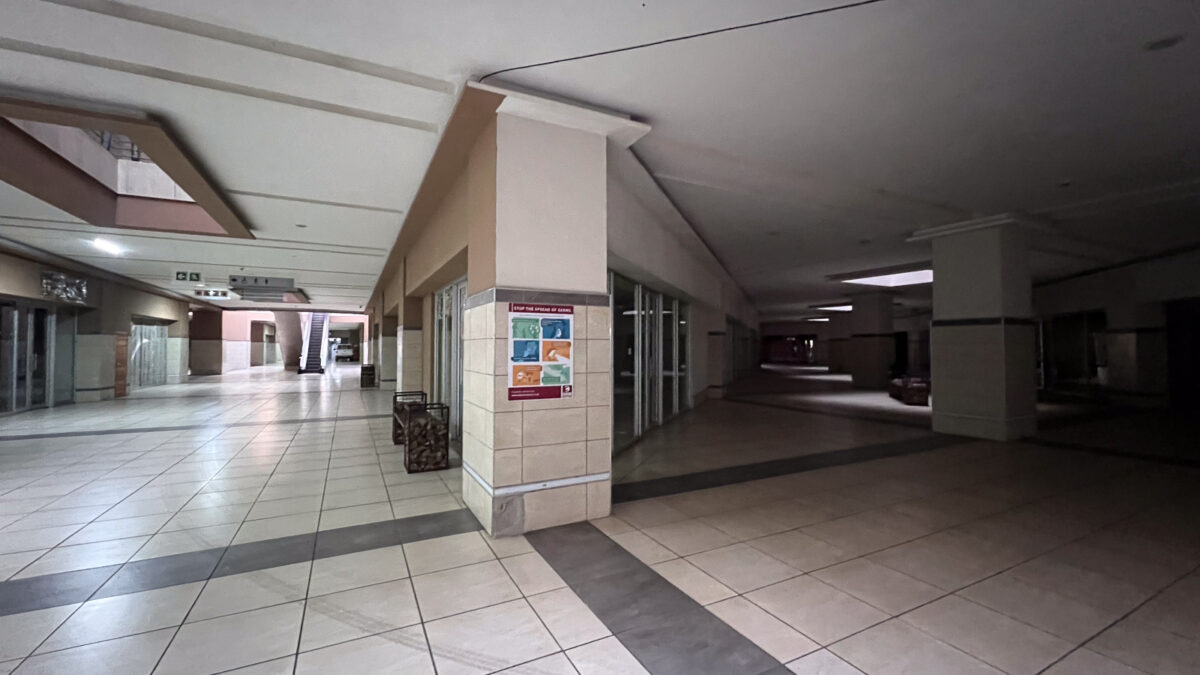
Today, it is a ghost mall where, apart from three retailers, all the shops are empty, and the structure is experiencing significant deterioration.
The collapsed Sharemax scheme
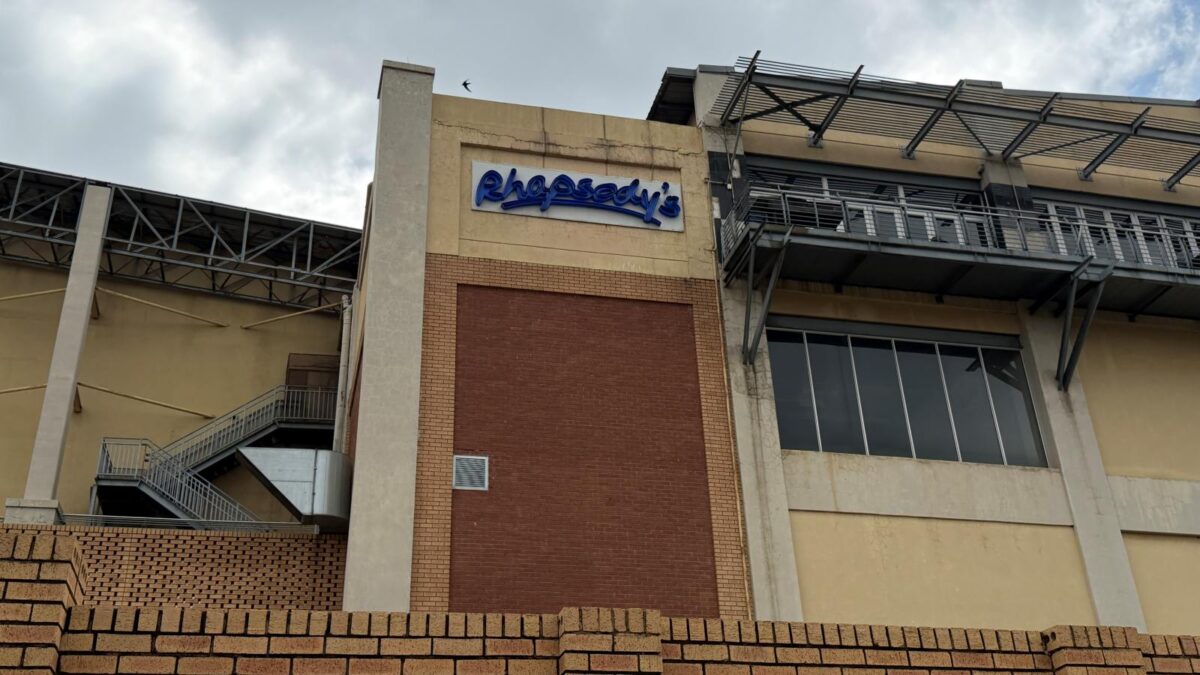
The Zambezi Mall was developed by Capicol and formed part of the Sharemax scheme in which South Africans invested around R543 million between 2008 and 2009.
Sharemax bought the Zambezi Mall from Capicol for R930 million. However, investors only provided around half of that money.
Sharemax investors were promised a guaranteed 10% interest on their Zambezi Mall investment, which was unrealistic.
Achieving that would have required a very high occupancy rate with a net rental income far exceeding industry standards. The inverse happened.
Sharemax was dealt a serious blow in September 2010, when the South African Reserve Bank cracked down on the scheme.
It issued directives to Sharemax and its property syndication companies to repay the funds obtained from members of the public.
This directive triggered the collapse of Sharemax’s property syndication schemes, in which investors lost millions.
The Nova Property Group was established in 2011 as the corporate rescue vehicle for the collapsed Sharemax property syndication scheme.
Nova previously stated that the Tshwane China Shopping Mall was well-positioned at the corner of two major routes and is also very close to the N1.
“The process of re-tenanting and repositioning the shopping centre is well underway, and positive results are expected,” it said.
However, a Nova Group update published on 11 December 2025 said that the Zambezi Mall was non-operational.
“The shopping centre is non-operational and will remain so until we can reach an agreement with the local municipality for the reinstatement of services,” it said.
“In the interim, we continue to secure, clean, and maintain the property,” the Nova Property Group said.
It added that there is a long-standing litigation linked to the Zambezi Mall and another ghost mall linked to the Sharemax scheme, Villa Retail Park.
The developer, Capicol, has since entered business rescue, and the litigation falls within the ambit of the Business Rescue Practitioner.
“We are of the view that the litigation can only be resolved if the Nova Group can reach a settlement with the Business Rescue Practitioner of Capicol,” Nova said.
“This is possible if the Nova Group can procure the required capital, which the Nova Group is pursuing through the capital raising process.”
The Tshwane China Shopping Mall today
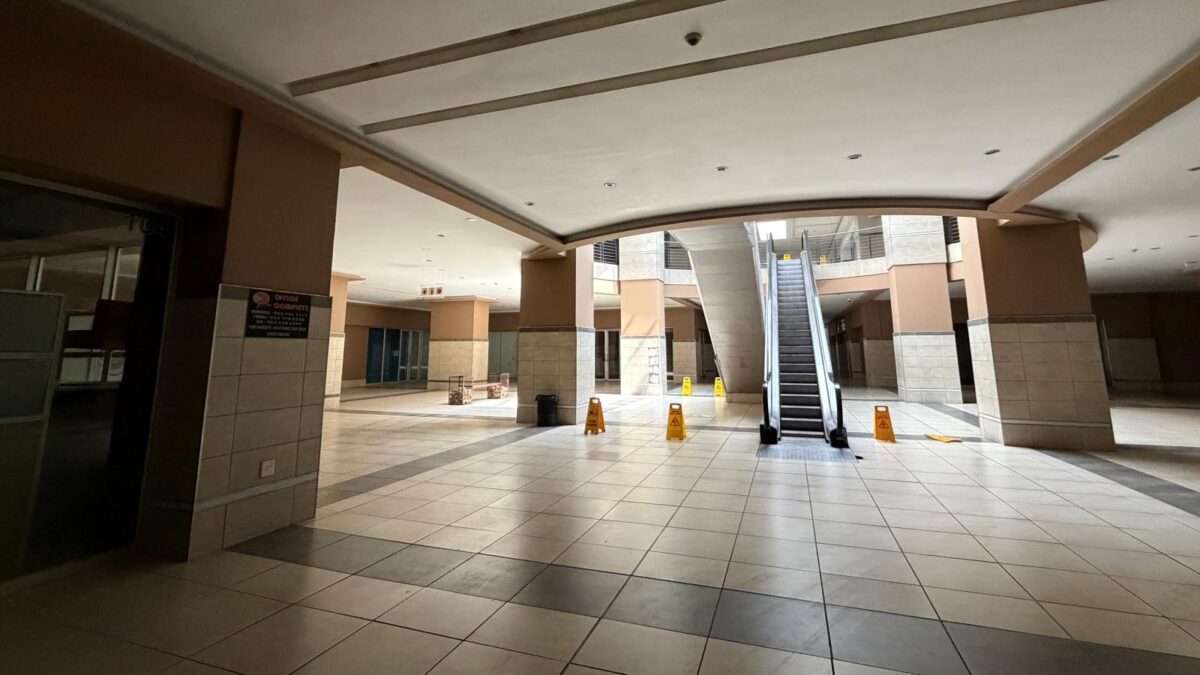
Newsday visited the Tshwane China Shopping Mall in June 2026 to see what it looked like and whether commerce was taking place.
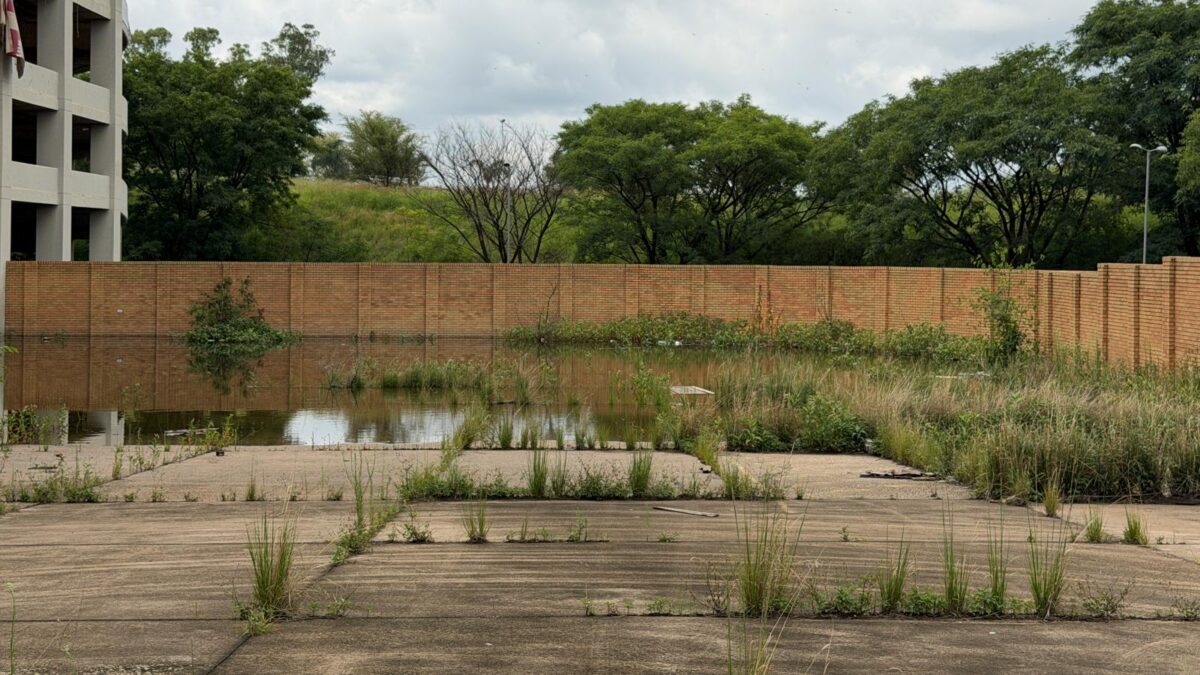
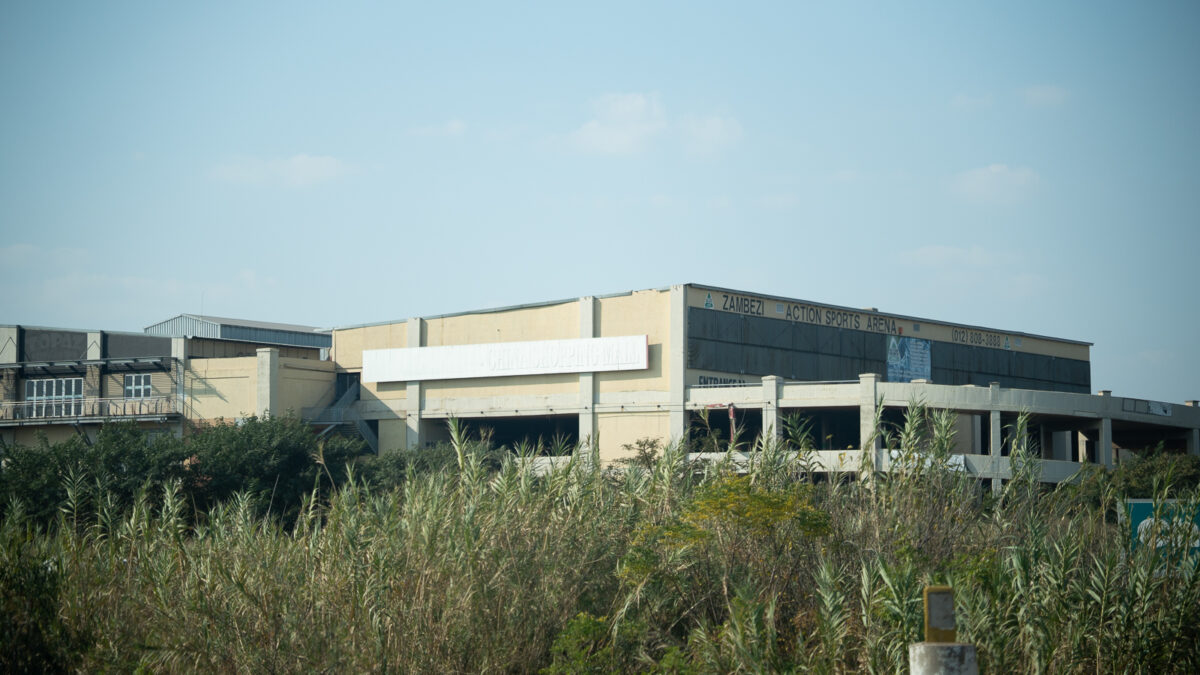
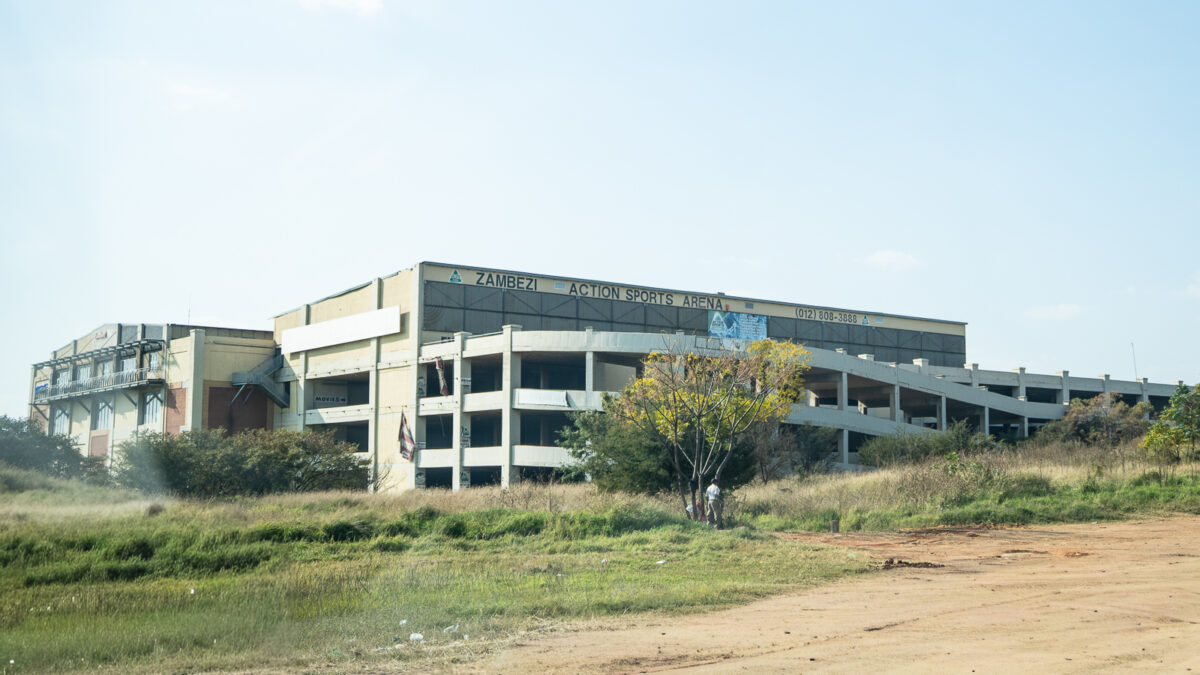
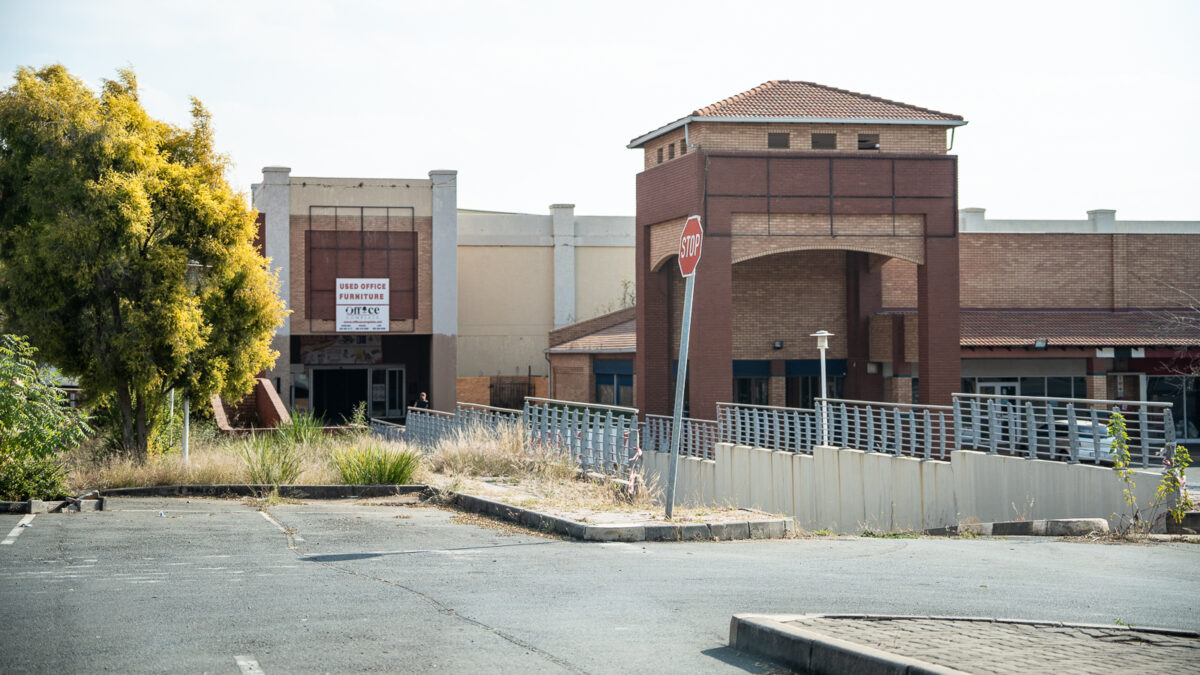
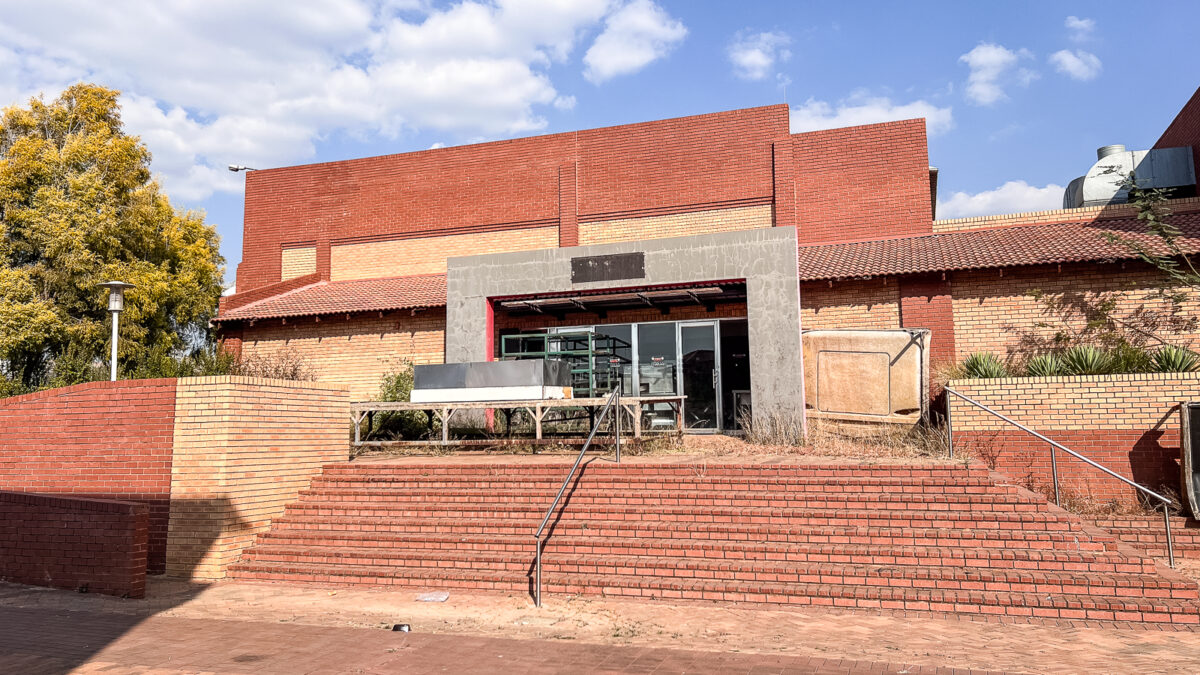
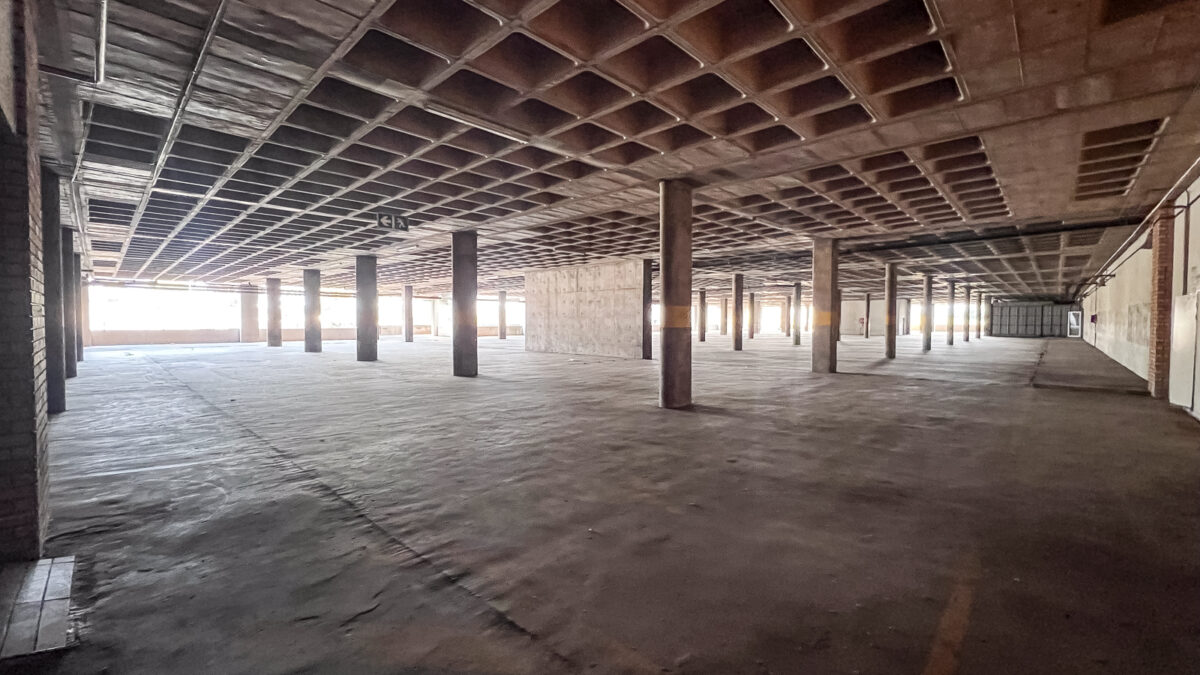
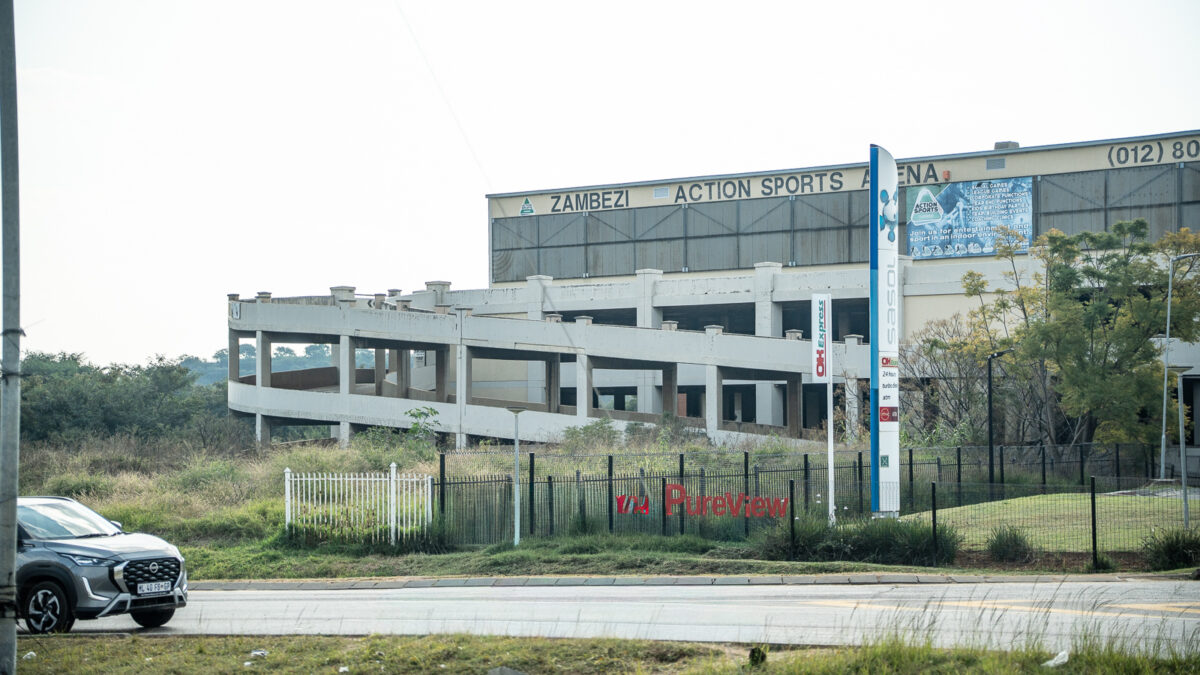
It was clear that it was a ghost mall. The exterior is run down, and the roads around it are overgrown with grass and weeds. No money was going into maintenance.
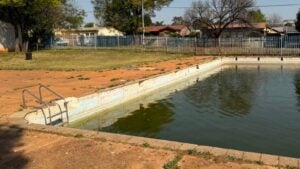
Doves have moved into many parts of the building, and there was a large body of water in front of the parking entrance.
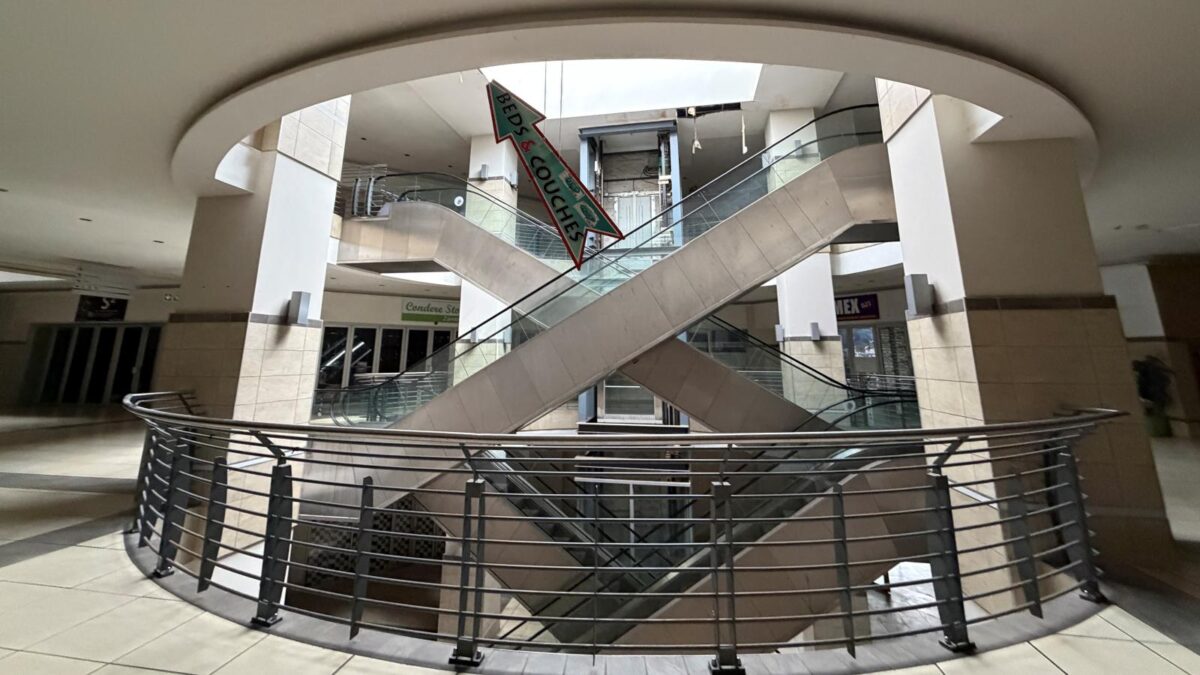
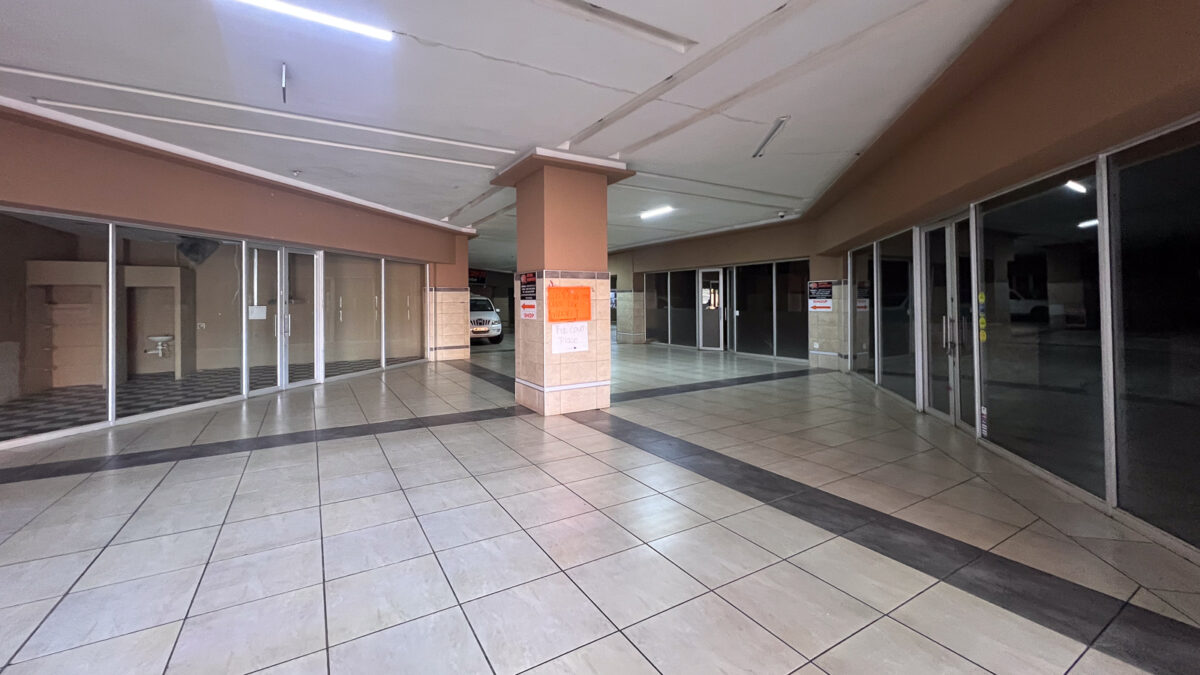
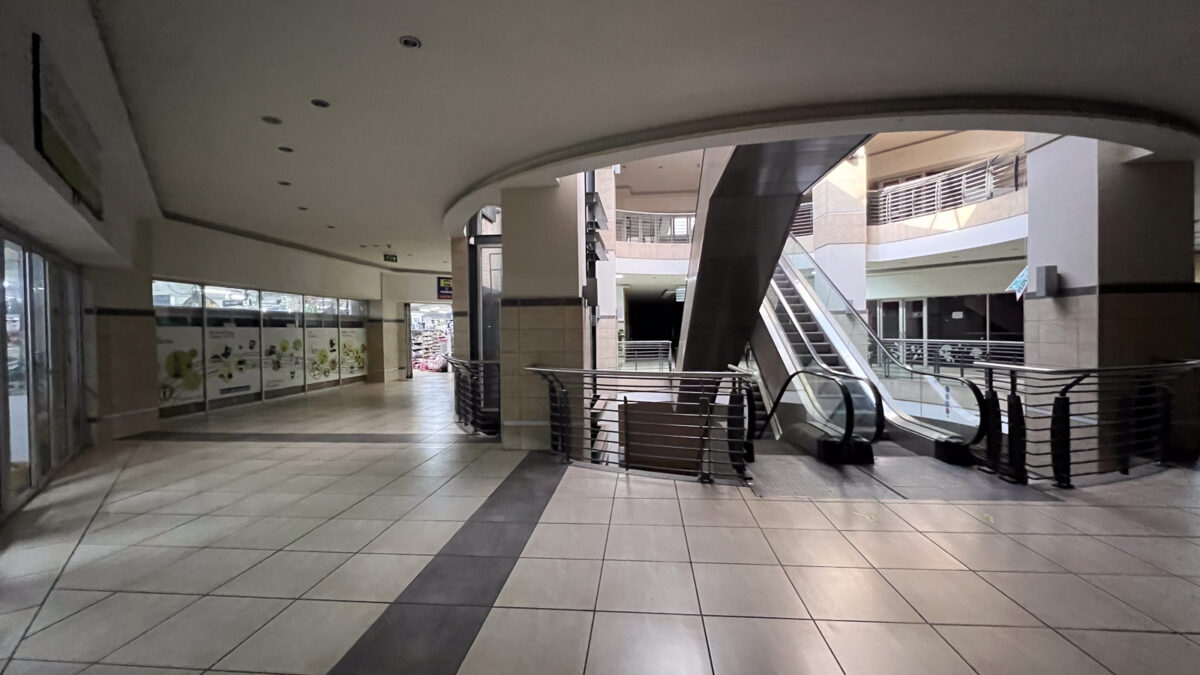
The inside of the mall remains clean and in good condition, despite the fact that none of the lifts or escalators works.
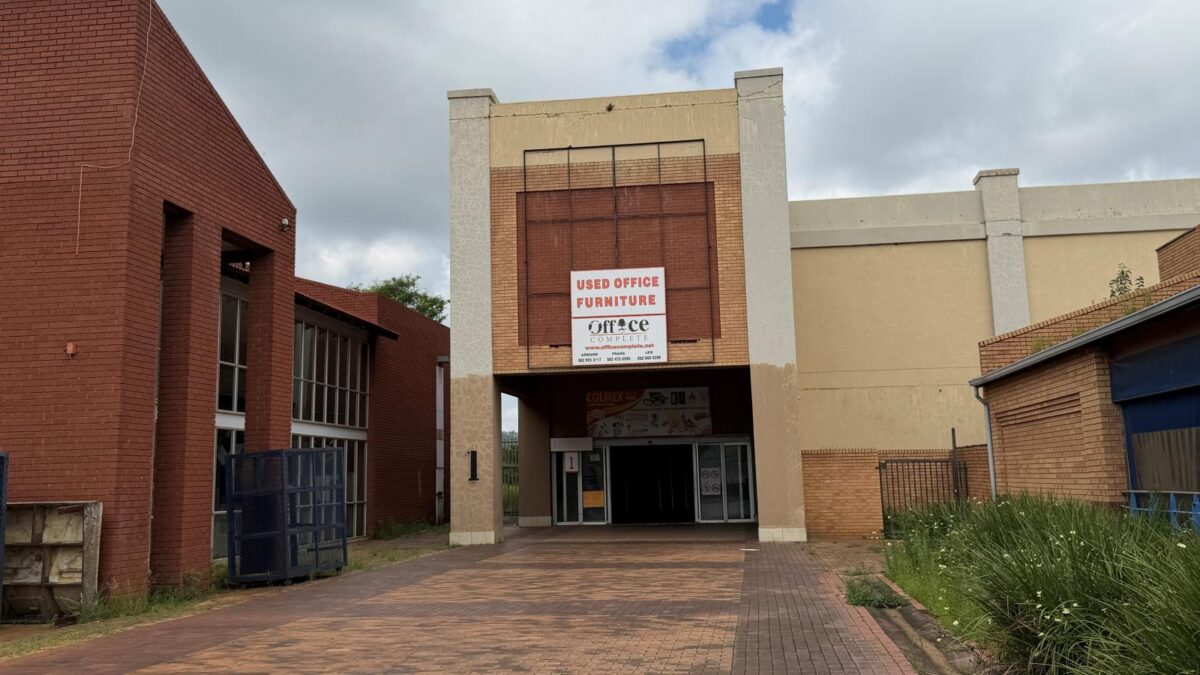
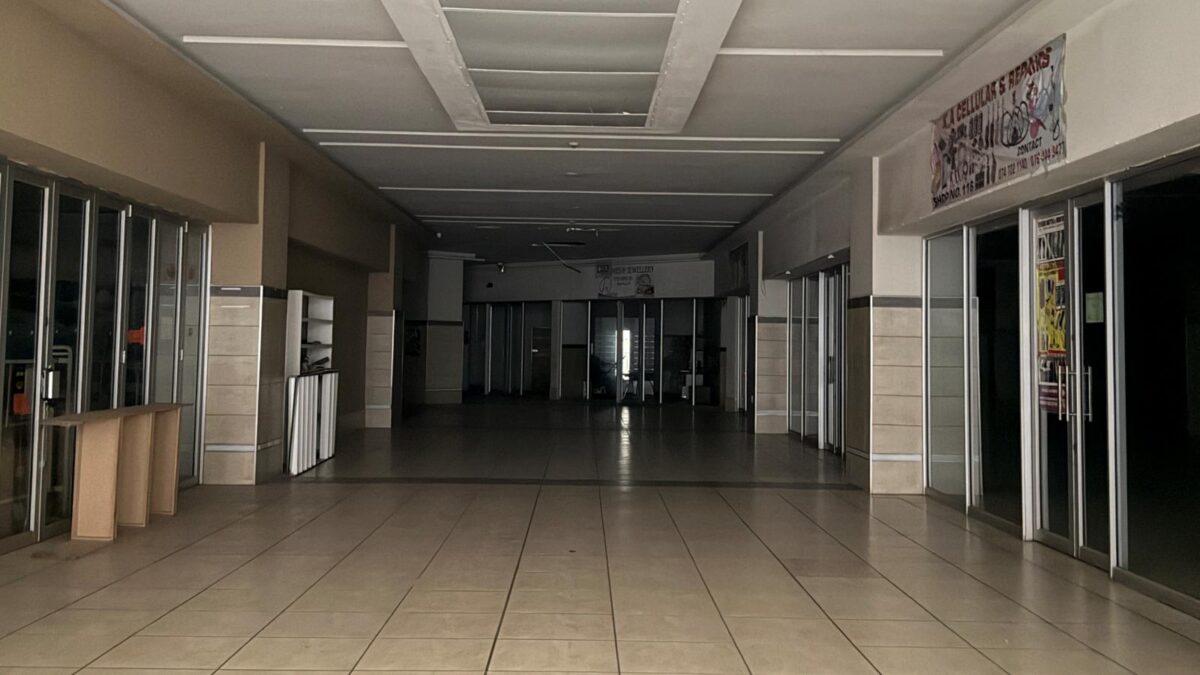
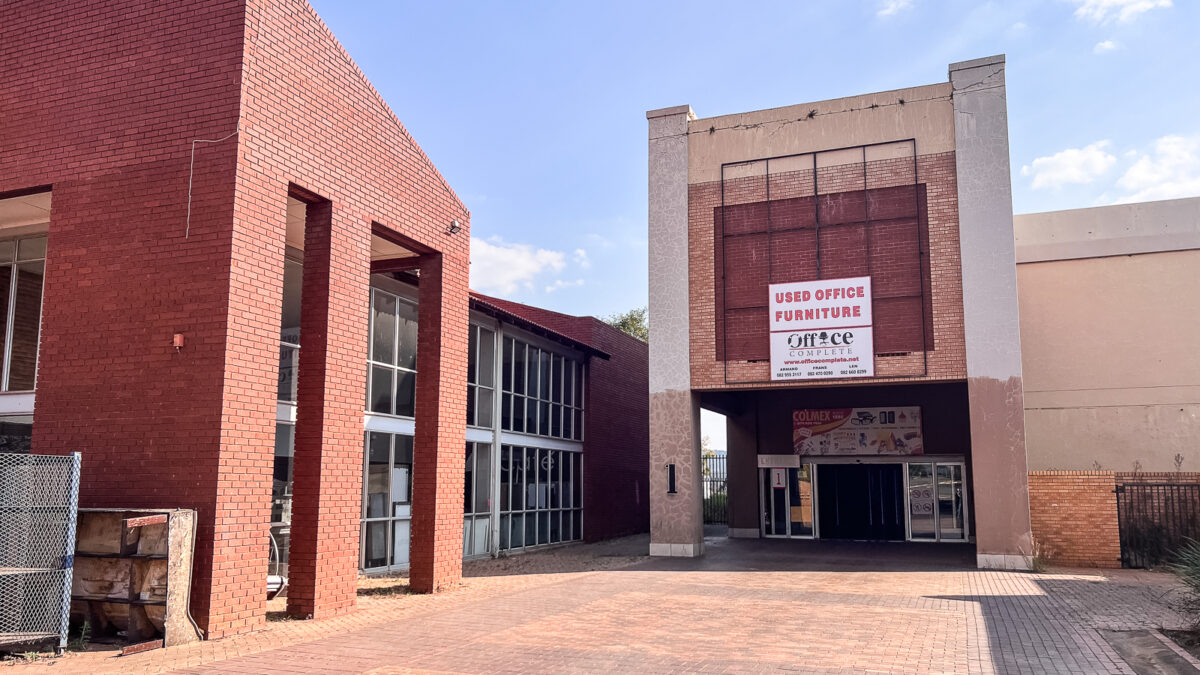
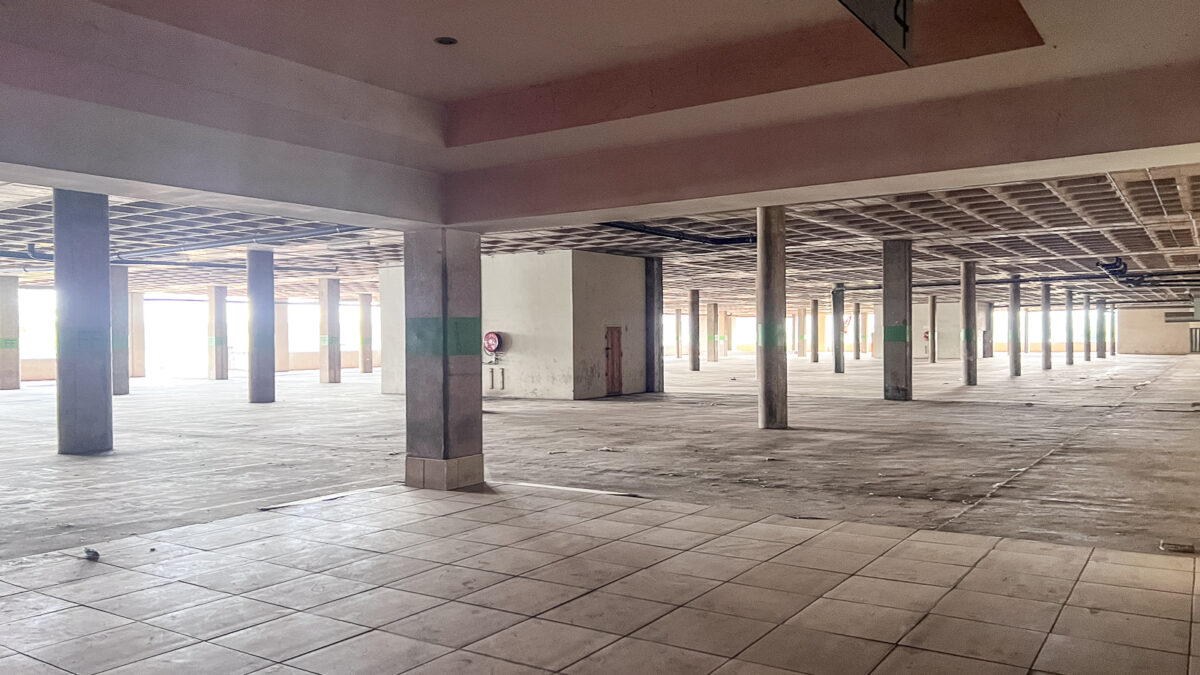
All the shops were empty, apart from two adjacent retailers and a secondhand furniture store on the lower level. There are many remnants of commerce from earlier times, but the stores are deserted now.
The hallways were eerily quiet, and the low lighting gave it a spooky look and feel. There were very few people in the mall, and most areas were completely empty.
The photos below show what the Tshwane China Shopping Mall in Pretoria, formerly known as the Zambezi Mall, looks like in 2026.
Tshwane China Shopping Mall photos







 Loading ...
This is just another copy & paste mall which is filled with corporate franchise shops, which could be found anywhere in Southern Africa. Same shops: Mr Price, Pep, Milady’s, Legit, Sportscene…the list goes on and on. All the shops belong to two or three groups, eithe Mr Price, TFG, etc. They all sell the same dreary Chinese mass produced crap which can be bought from Temu at 1/4 of the price. No one cares about malls anymore, its a throwback to the 80’s and 90’s’ when super malls were a thing. Brick ‘n mortar shops are old news. No one wants to go there anymore, wander through kilometres of passages with the same stuff and get to pay for coming there, in parking fees!