
A warning to MTN, Standard Bank, Vodacom, Absa, and Shoprite


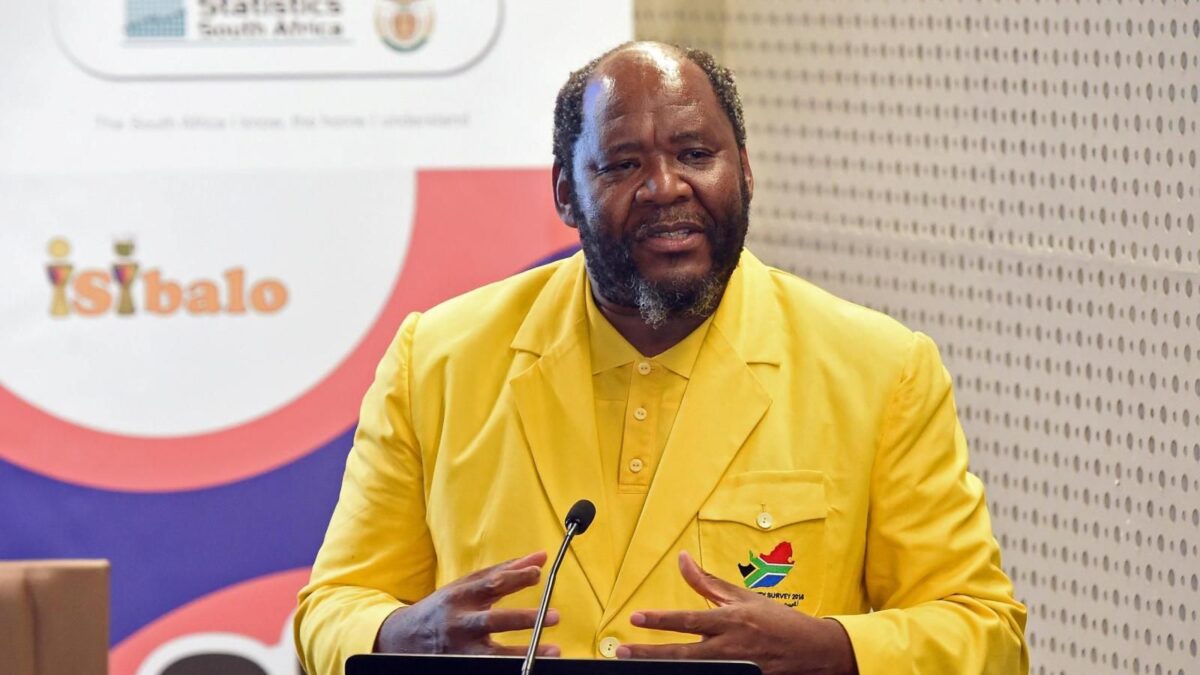
Renowned data specialist, Pali Lehohla, said President Cyril Ramaphosa’s response to the xenophobic attacks in South Africa came too late and puts local companies at risk.
He warned that other African countries could retaliate against attacks on their citizens, putting companies like MTN, Standard Bank, Vodacom, Absa, and Shoprite at risk.
Lehohla is the former Statistician-General of South Africa and currently works as a data strategist, public educator, and global keynote speaker.
He shared his views about the volatile political situation in South Africa during a CheckPoint Podcast.
He said the government should have delivered on the promises it made to South Africans after the 1994 elections.
Lehohla argued that the failure to deliver on improving people’s lives has resulted in the social turmoil the country is experiencing now.
He said that illegal immigrants came to South Africa, which is already struggling with unemployment, poverty, and inequality.
The xenophobic attacks on these immigrants are, therefore, a result of the struggling economy and the desperation of poor South Africans.
He warned that other countries can easily retaliate for the xenophobic attacks on their citizens in South Africa.
“It is very easy to retaliate, and that means that the South African businesses operating in the rest of Africa will be in trouble,” he said.
“The retaliation, attitude, and thinking elsewhere on the continent is that these companies are South Africans. This is what they have done to us.”
Lehohla has harsh words about the silence from large companies about what is happening across the country.
“The businesses in South Africa are white, and they are not patriotic. They are quiet because they are complicit and compliant to capital.”
African governments evacuate their citizens from South Africa
The surge in anti-foreigner protests and violent attacks targeting sub-Saharan migrants has forced African governments to evacuate their citizens from South Africa.
Anti-immigrant vigilante groups demanding that undocumented foreigners leave the country by 30 June 2026 have gained strong support.
In response, the Ghanaian government has authorised emergency evacuations and arranged charter flights out of OR Tambo International Airport.
The Nigerian government has also initiated a voluntary repatriation operation, deploying multiple evacuation flights.
Officials said they planned to airlift between 2,000 and 4,000 citizens back home, focusing first on the most vulnerable displaced individuals.
The deadly violence against Mozambican nationals in coastal areas like Mossel Bay has prompted the Mozambican Council of Ministers to evacuate its citizens.
Approximately 600 Mozambicans have already been bused out of the Western Cape and returned home, with the state preparing to transport hundreds more.
The Malawian government has also announced official state assistance and voluntary repatriation procedures to help its citizens safely return to Malawi.
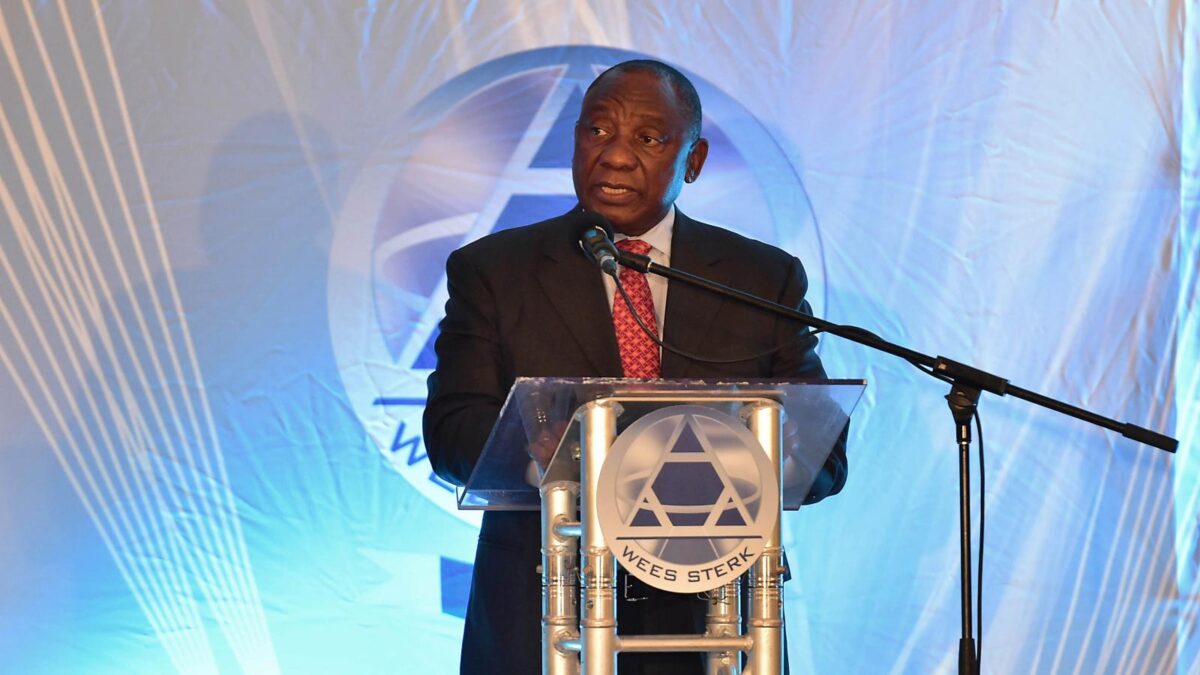
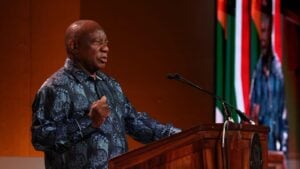
On Sunday, 7 June 2026, President Cyril Ramaphosa called out campaigns that seek to spread misinformation and sow discord.
He added that the government was intensifying efforts to tackle illegal immigration and strengthen migration management.
“We know that South Africans are not xenophobic,” the President said, stressing that there is no place for xenophobia, racism, sexism, and Afrophobia.
However, Ramaphosa’s calls against lawlessness and violence linked to illegal immigration did not seem to do much to calm the situation.



 Loading ...
The big problem is as soon as they are going to run out chasing the illegal “foreigners” out of the country they will soon find other lot that they disagree with, going after people with a different color of skin, people speaking different language etc or even believes differently. They will always find somebody else to blame for their mistakes and shortcomings. Already see that with a little girl that we foster that were born here and she was even being accused of being a foreigner although she looks differently and speaks differently. Even her parents were born here which died in an accident. And this is children that were taught by their parents to behave like that.