
20 South Africa police members criminally charged over involvement in taxi industry


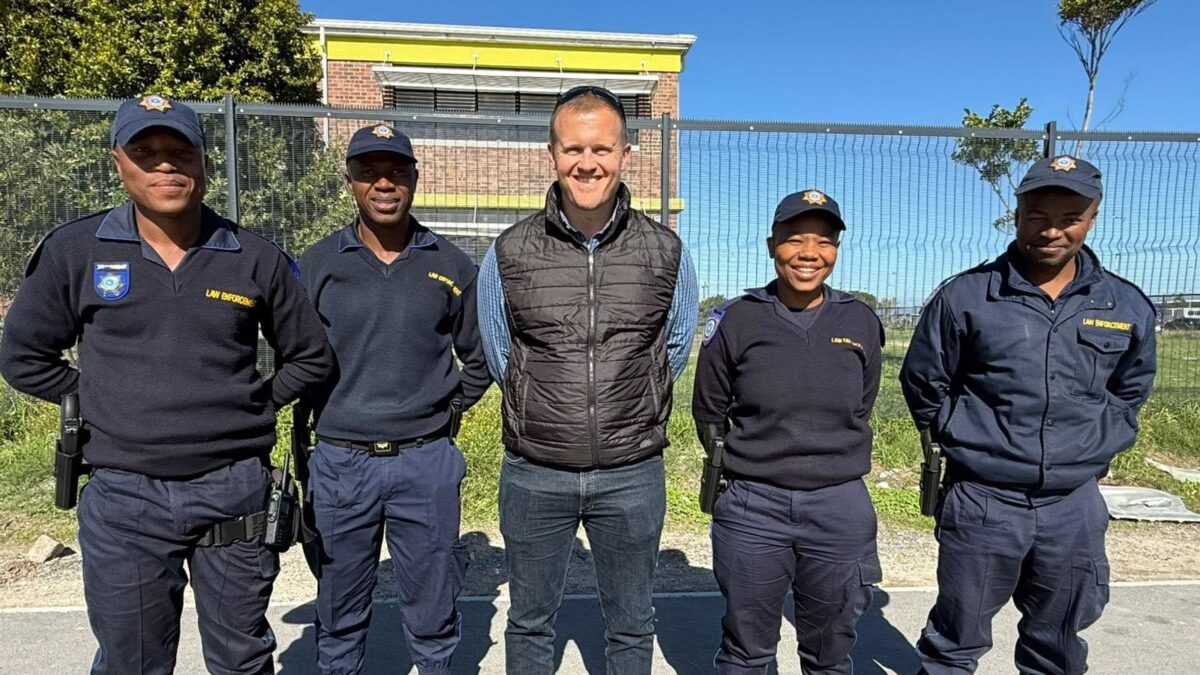
Ian Cameron, the Chairperson of Parliament’s Portfolio Committee on Police, has revealed that 20 police members have been criminally charged over their involvement in the taxi industry.
Cameron has been actively exposing and combating the illicit ties between members of the South African Police Service (SAPS) and the minibus taxi industry.
The involvement of SAPS members in the minibus taxi industry has plagued the country’s transport and law enforcement sectors for decades.
It routinely surfaces in parliamentary oversight committees, judicial commissions of inquiry, and criminal investigations.
A systemic issue is that police officers, traffic officials, and their spouses or partners quietly own, operate, or have financial stakes in minibus taxis.
SAPS regulations and national public service frameworks prohibit members from engaging in outside remunerative work that creates a conflict of interest.
Parliament’s Portfolio Committee on Police has repeatedly highlighted that this conflict of interest prevents officers from doing their work properly.
It said that officers cannot be expected to fairly police, investigate, or regulate an industry if they have a direct financial interest in one of the competing factions.
This ownership often results in ‘look the other way’ policing regarding unroadworthy vehicles, permit violations, and traffic law enforcement.
Beyond passive ownership or weapons dealing, some police officers have actively engaged in violent criminal enterprises within the industry.
There are criminal cases about SAPS units being hired by taxi associations to eliminate rival operators or enforce territorial control over lucrative routes.
Taxi bosses have frequently alleged that certain local police stations operate as protection rackets.
Police members with links to the taxi industry arrested and charged

Cameron has recently provided feedback on South African Police Service members linked to the taxi industry in the Western Cape.
“Over the past few months, we have exposed members at police stations and specialised units who are involved in, or improperly linked to, the taxi industry,” he said.
He said they have received encouraging feedback on the actions taken against those police members.
- More than 20 police members have been criminally charged.
- More than 20 have also been charged under SAPS disciplinary regulations.
- Several members have already resigned.
- The affected police officers include junior members, station commanders, and other more senior officials.
“SAPS members may not be involved in the taxi industry in a way that creates a financial interest, conflict of interest, or improper outside remunerative work,” he said.
“It is not lawful for police members to have such involvement where it compromises, or appears to compromise, their policing duties.”
Cameron said police officers cannot be expected to fairly police, investigate, or regulate an industry in which they have private interests.
“This is not about attacking ordinary police officers. It is about protecting the integrity of the SA Police Service,” he said.
“It is about ensuring that communities are not policed by people who may be compromised by private business interests.”
Cameron said they have submitted further information to the National Commissioner’s office to ensure that action continues on the ground.
“This is only the Western Cape so far. We will soon begin focusing on the rest of the country, because this is clearly a major problem across South Africa,” he said.










 Loading ...
That’s true, came to KZN and see all cases for those who are in taxi industry, you can get the information that says SAPS members were sent by their rivals and lied to their statements