
The 19th-century Victorian theatre in South Africa that is still a stage for rising talent



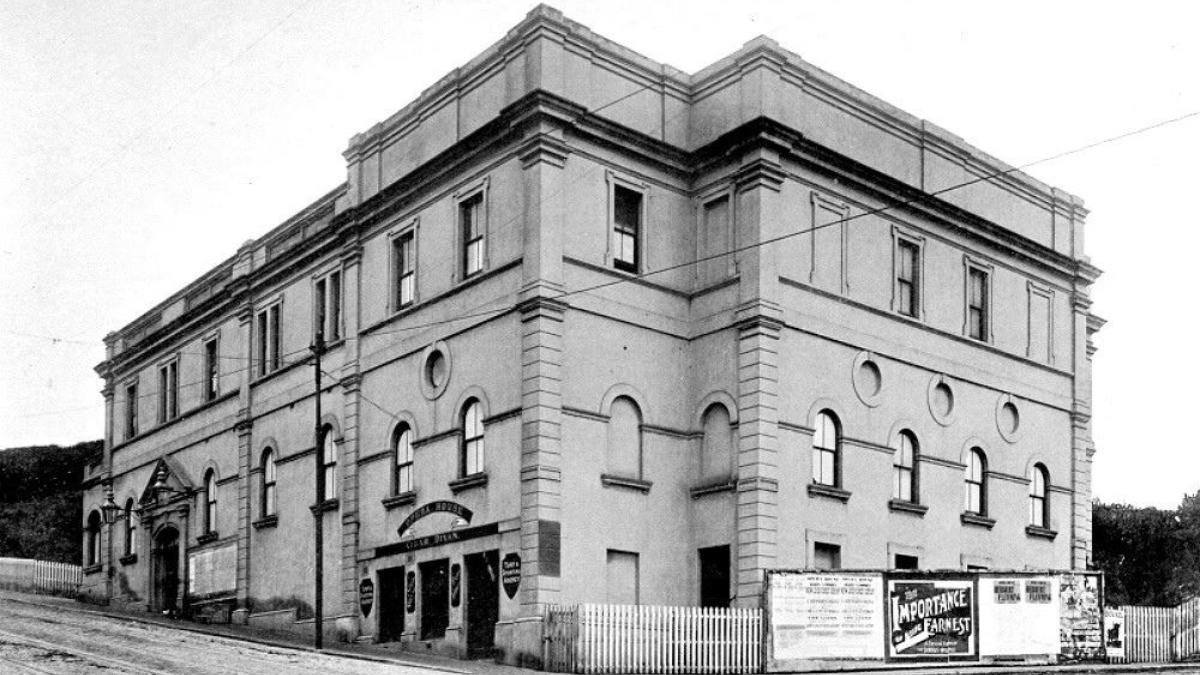
The oldest surviving theatre in the Southern hemisphere, the Port Elizabeth Opera House, is now a community theatre centre serving the residents of Gqeberha.
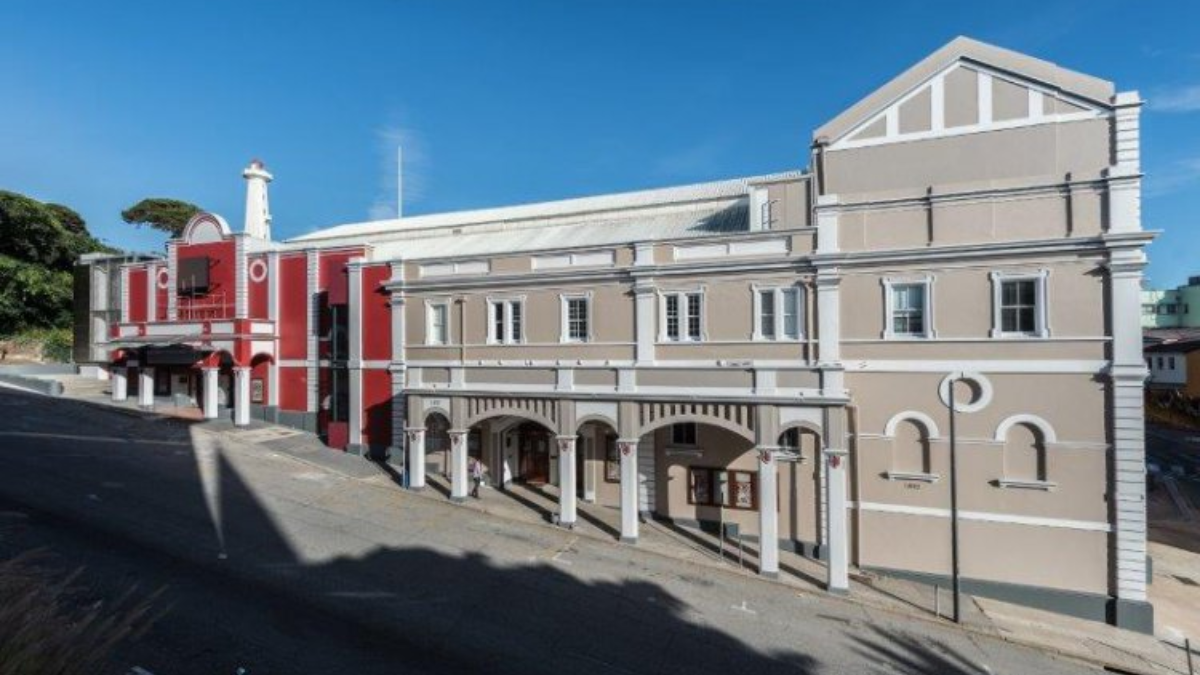
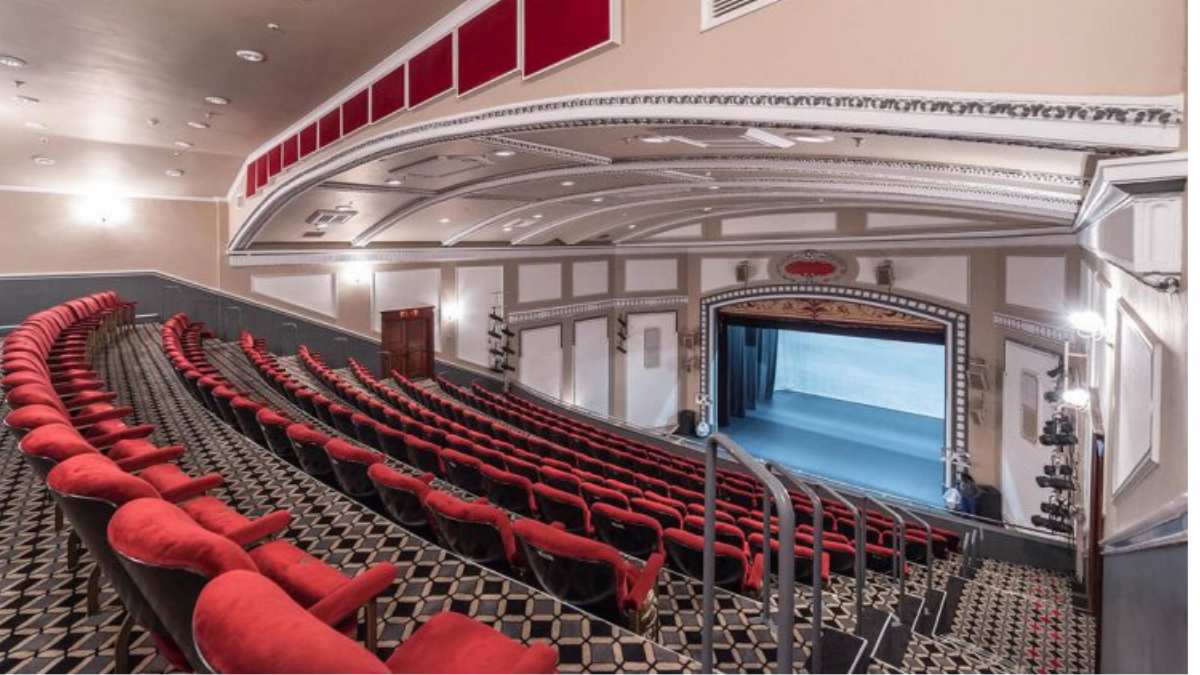
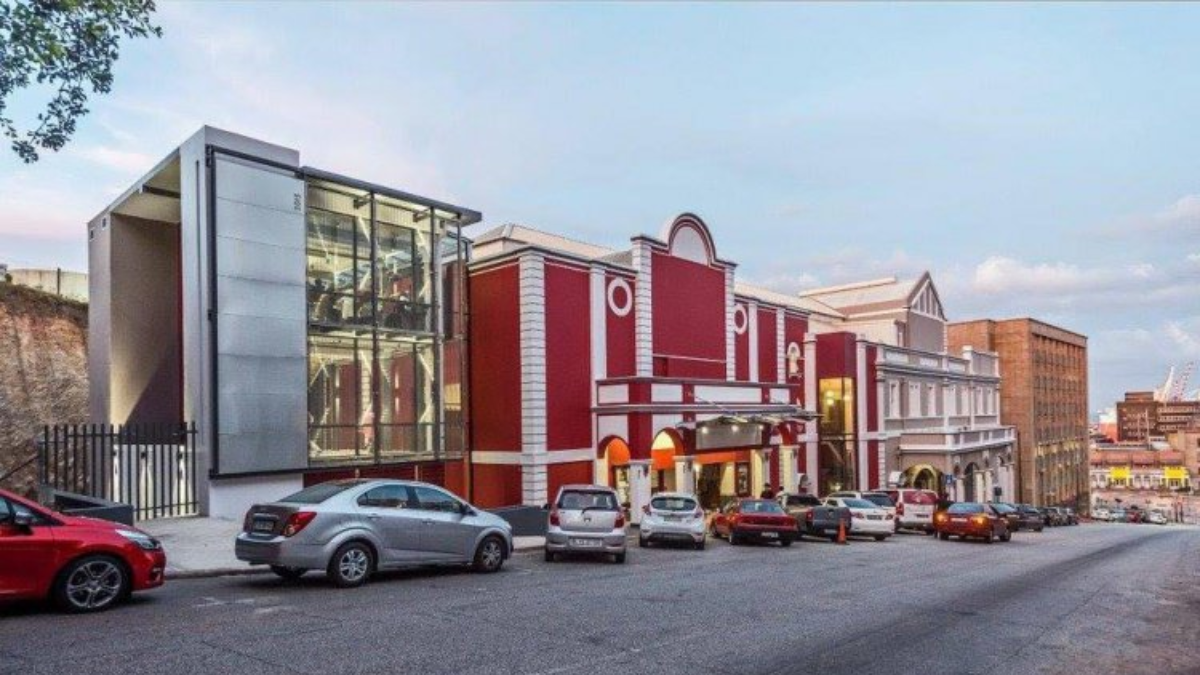
The Theatre, found at the corner of John Kani Road and Winston Ntshona Street, is now known as The Opera House, and along with the Barn Theatre, the two buildings comprise the Mandela Bay Theatre Complex.
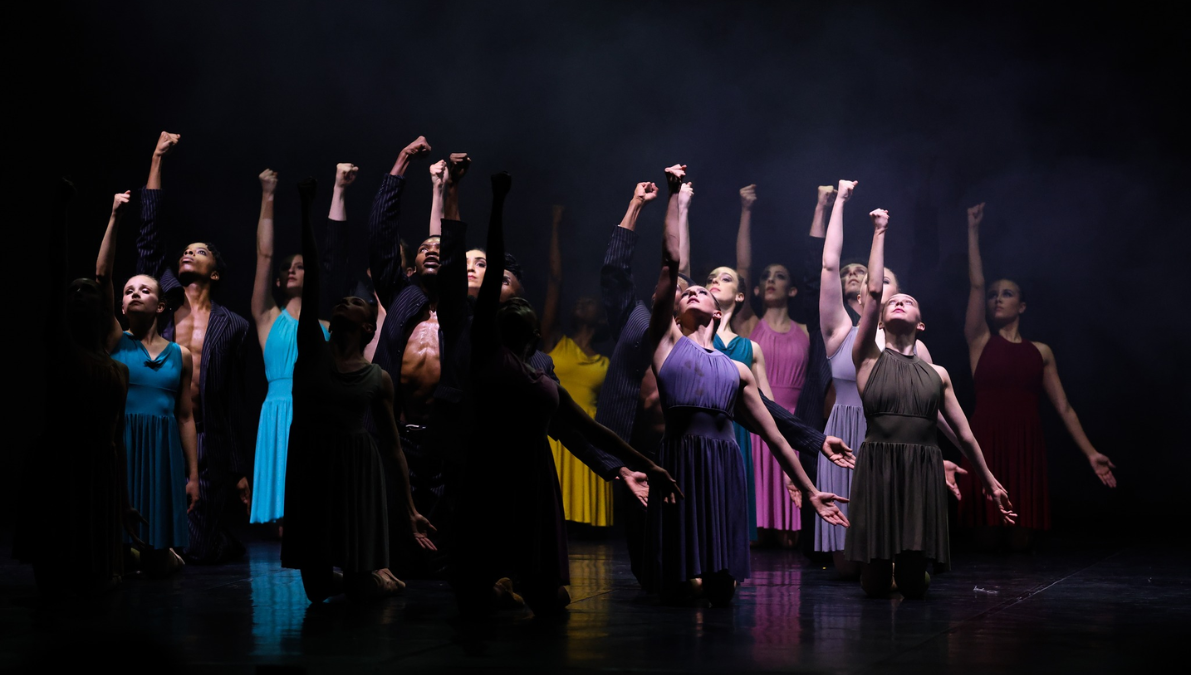
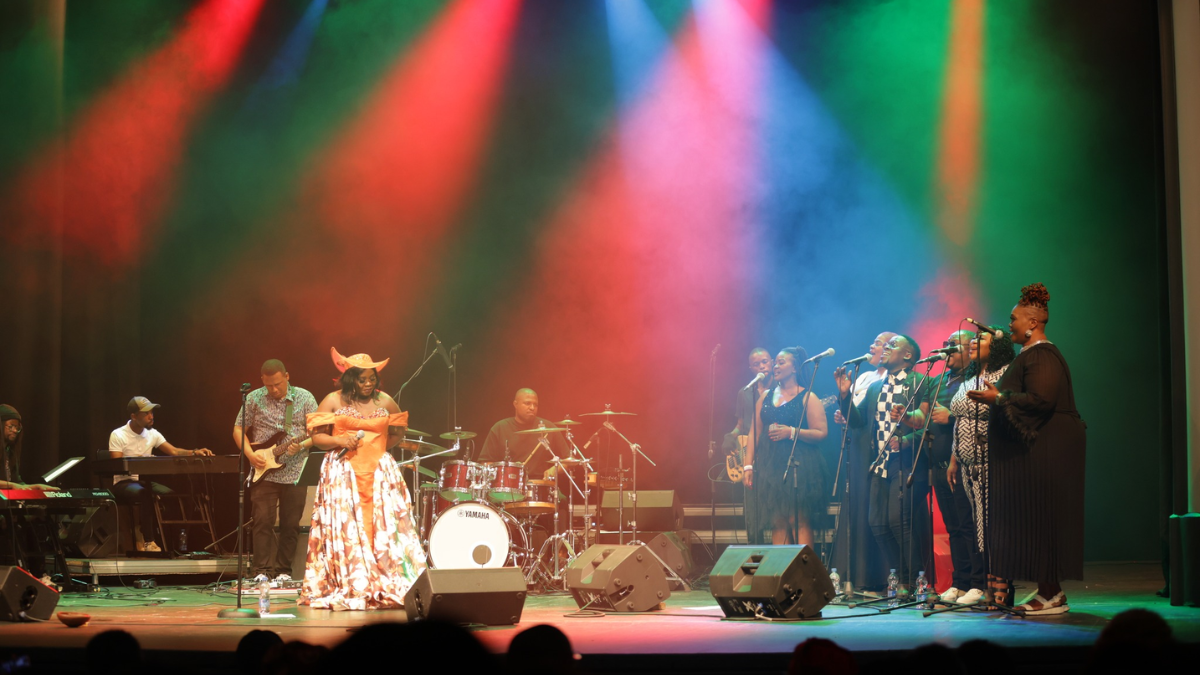
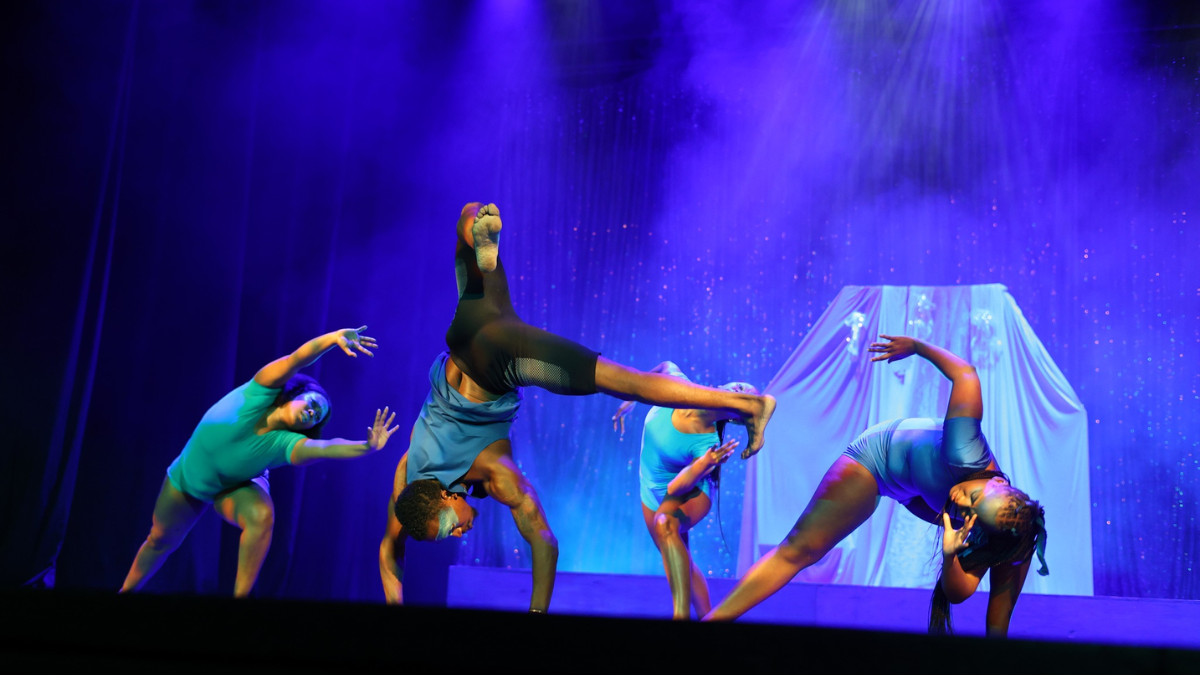
Today it holds events such as Amapiano dance contests, government-sponsored drama festivals and jazz sessions that are undeniably, and proudly, South African.
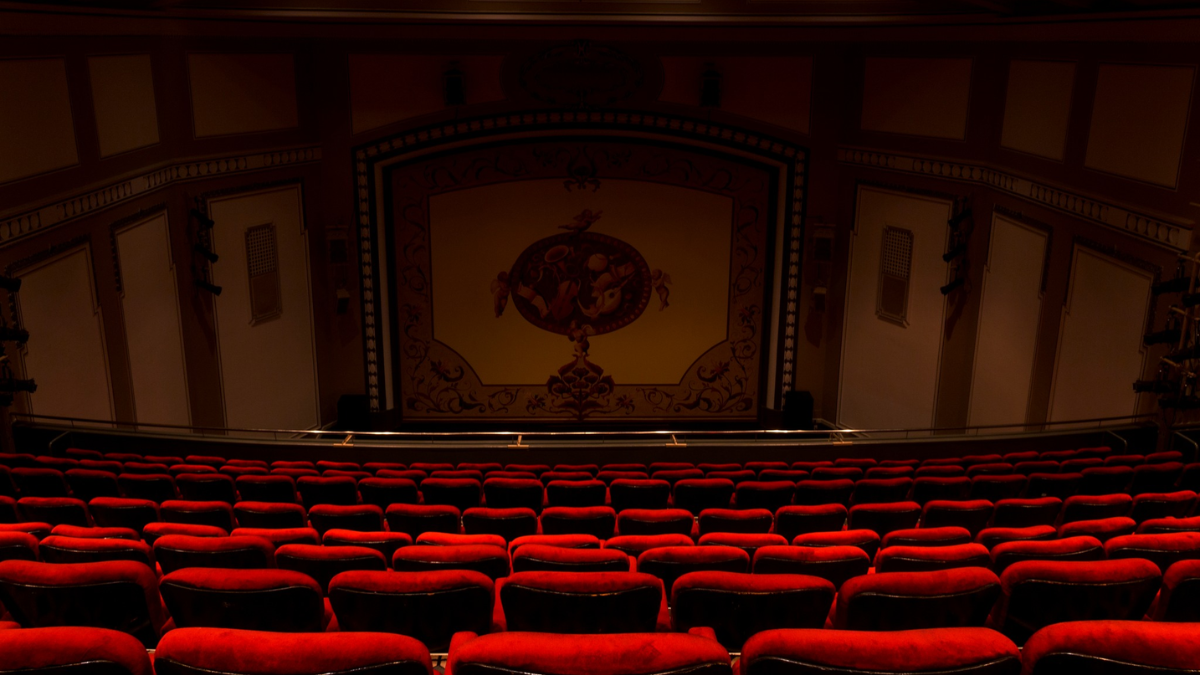
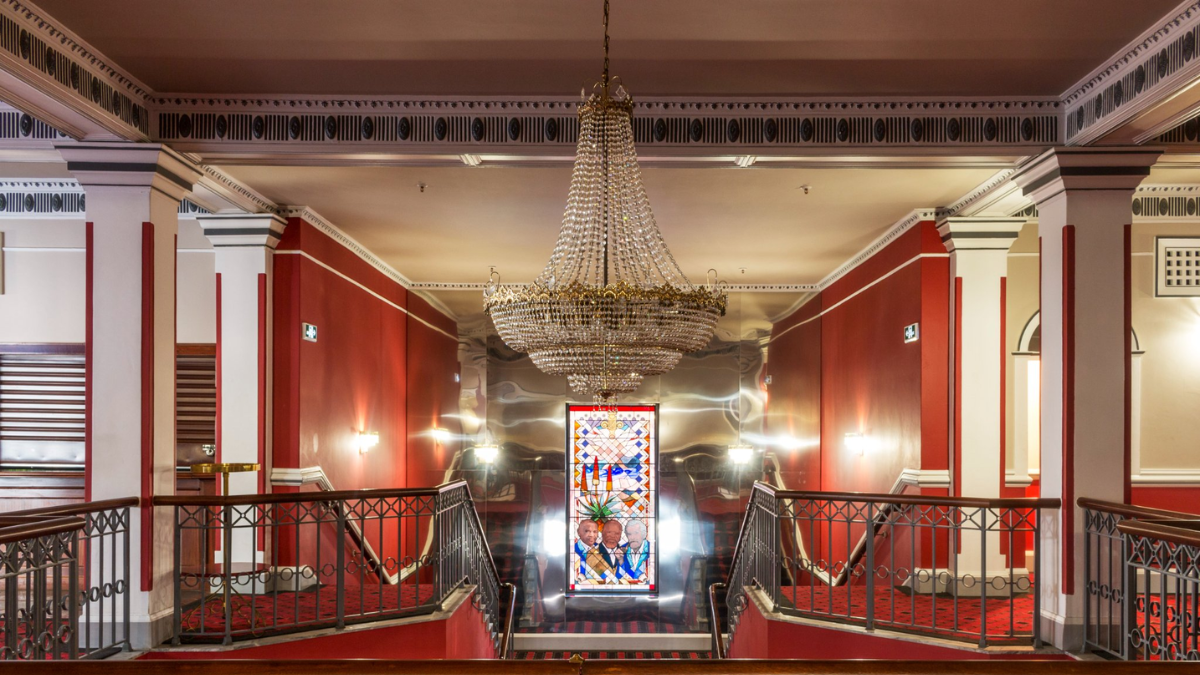
However, its long history and Victorian architecture contrast with these current vibrant local events. The Opera House was designed by George William Smith, the city’s leading architect, in 1891.
Before the theatre was built, the ground it now stands on was used as the old gallows. It is speculated that public hangings took place here.
The Mayor of Port Elizabeth at the time, J McIlraith, opened the theatre to the public in December 1892. The opening of the theatre predated the city’s first railway line by two years.
It is now the only surviving example of Victorian architecture in Africa, or the southern hemisphere.
For the first 16 years of its life, it had no artificial lighting, only candles. Even so, the theatre was recognised as the “finest in the world,” according to media reports.
The theatre was leased to the Wheeler brothers in its first season, according to historical records from Stellenbosch University. The brothers were entrepreneurs who brought in international acts to perform for P.E. residents.
From Shakespeare to protest theatre
The first play to be shown at The Opera House was J.M. Barrie’s Peter Pan. After this, the theatre was taken over by the Port Elizabeth Amateur Operatic and Drama Society, and from thereafter, it was a success.
Even the Anglo-Boer War did not stop the steady flow of shows at the Opera House, with showings of Operettas raising money for the war effort. This continued through the Second World War as well.
However, by the end of the war, the theatre had begun showing more and more films, becoming mostly a cinema with occasional live shows.
A group of prominent South African theatre figures stepped in to keep live theatre alive in P.E. This included Taubie Kushlick, Brian Brooke, Pieter Toerien, and Leonard Schach.
After its revival, famous French mime Marcel Marceau performed at the theatre twice in the space of a few years.
The theatre later threatened to close in the 1950s after the African Consolidated Theatres organisation decided to do away with it. But, after heated debates in community meetings, the theatre survived.
The Opera House went on to showcase Black protest theatre during apartheid, from well-regarded playwrights, including Ipi Tombi, Umabatha and Meropa. The building was declared a National Monument in 1980.
In 2010, as part of the 2010 FIFA World Cup Legacy projects, the theatre was taken over by the Department of Public Works, becoming a public entity.
Despite its early success, running as a local community hub for artists has not been as lucrative for the now Mandela Bay Theatre Complex. Since 2016, the theatre has received three bailouts from the Nelson Mandela Bay Municipality to keep operating.
Financially unstable
This consisted of R1.5 million in 2016, R6.8 million between 2016 and 2019, and R7.2 million between 2020 and 2022.
In its strategic plan for 2025 to 2030, the MBTC said its operations continue to be threatened by a lack of financial resources.
Nonetheless, the theatre has continued to host its yearly events that have become staples in the community: the Mandela Bay Jazz Legacy Festival, the Women in Arts Manyano, Udaba Dance Festival and Iphulo Drama Festival.
The small theatre, however, simply cannot compete for the attention of big, international acts with bigger cities.
“The Eastern Cape’s performing arts infrastructure, while hosting a number of key venues and festivals, remains underdeveloped relative to more economically vibrant provinces,” MBTC said.
“The province lacks the volume of large-scale cultural venues seen in provinces like Gauteng and the Western Cape, limiting the ability to attract major national and international productions.”
The MBTC has not let this lack of funding prevent it from fulfilling its mandate, however. According to the Herald, a new board chairman, Dr Charley Pietersen, has recently stepped in.
The theatre now has plans to open the Creative Economy Resource Academy in January 2026, offering skills development training in performing and creative arts to empower local talent.
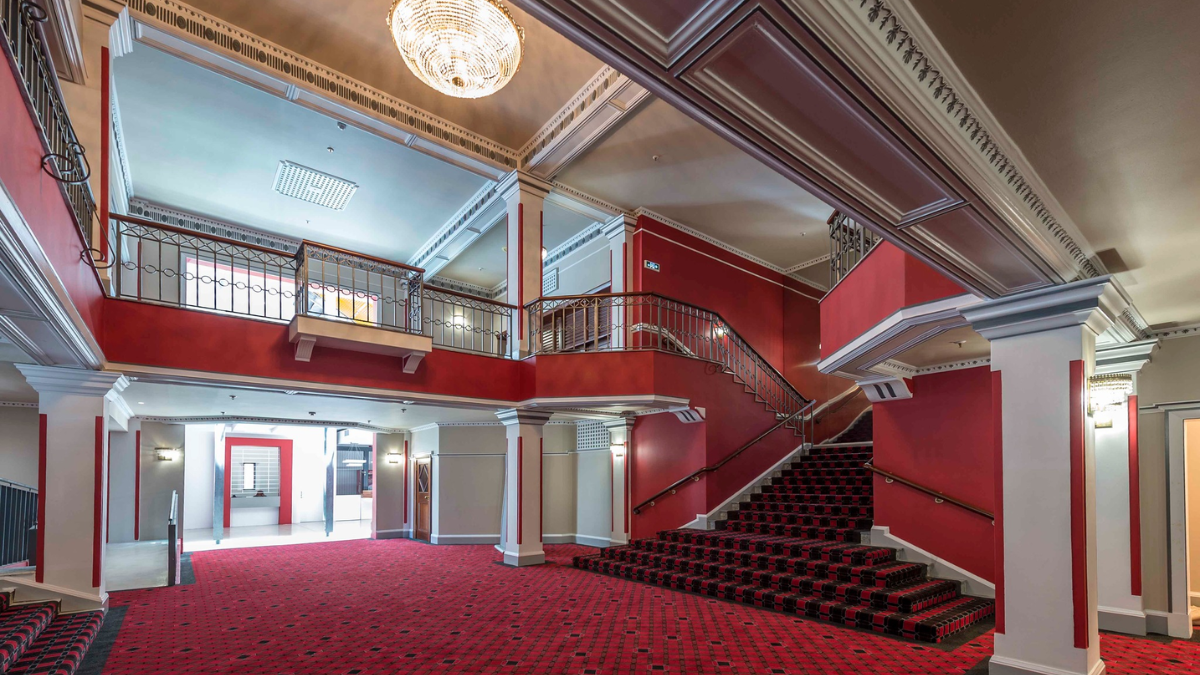
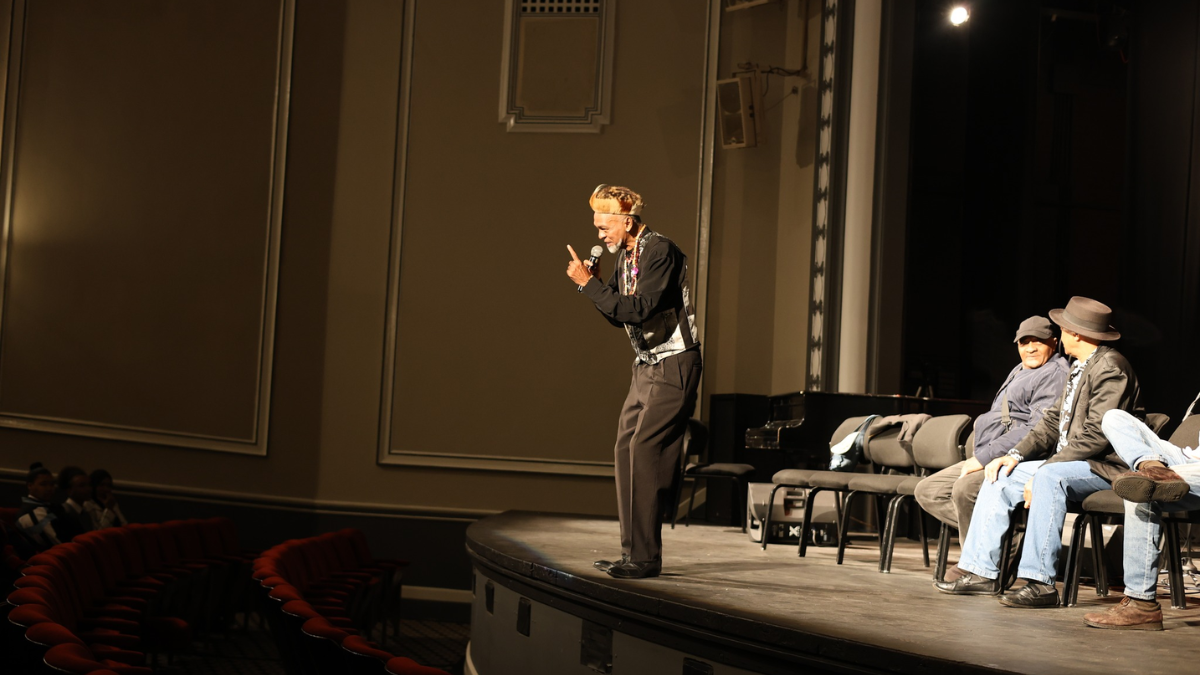
More photos of The Opera House:
 Loading ...