
Only 33% of South Africa’s air quality monitoring stations are operational and meet minimum requirements


Only 44 of South Africa’s 134 government-owned air quality monitoring stations were operational and met minimum data requirements.
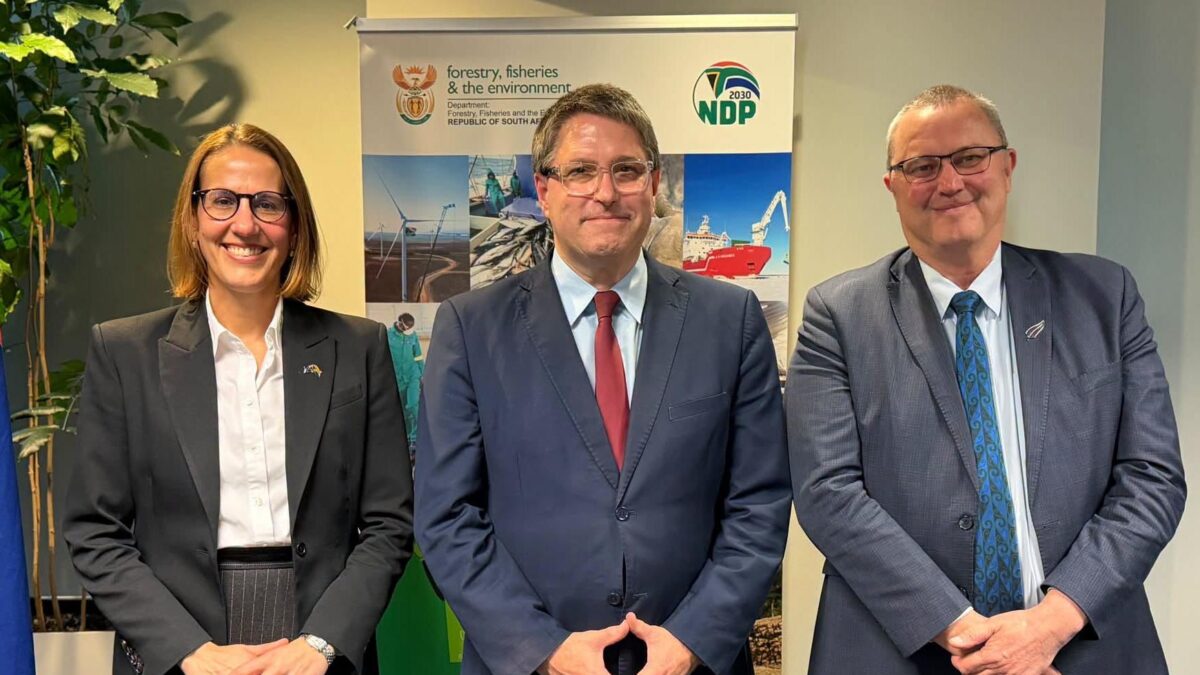
This was revealed by the Minister of Forestry, Fisheries and the Environment, David Maynier, in response to a Parliamentary question.
National Assembly member Musawenkosi Gasa asked Maynier about South Africa’s air quality monitoring system and its current shortcomings.
This includes the deliberate manipulation, alteration, or falsification of data by foreign-owned systems, as well as systemic calibration failures.
Maynier responded, saying he was not aware of deliberate manipulation, alteration or falsification of ambient air quality monitoring data.
He explained that the data available on the South African Air Quality Information System (SAAQIS) is received from multiple information systems.
“These information systems are owned by municipalities and private monitoring station owners across the country,” he said.
In addition, the Department publishes the Annual State of Air Report in September, highlighting air quality across the country.
The July 2025 report tracked the National Ambient Air Quality Monitoring Network’s functional performance against a 75% valid data availability threshold in SAAQIS.
- 47 government-owned monitoring stations were non-operational.
- 43 stations were operational but did not meet the minimum data completeness requirements for regulatory reporting purposes.
- 44 stations met the minimum data requirements.
“This report reflects a challenge in the government-owned monitoring stations’ ability to operate optimally,” he said.
The problems stem from rising infrastructure costs, state capacity constraints, ageing air-quality monitoring infrastructure, and operational limitations.
“These challenges have necessitated the Department, provinces and municipalities to develop a business case highlighting possible interventions,” he said.
The business case outlines a proposal to support a government monitoring network with a financial commitment of R625 million over 10 years.
The business case was presented to the Portfolio Committee on Forestry, Fisheries and the Environment in July 2026.




 Loading ...