
The man who went from selling medicine in townships to building South Africa’s biggest pharmaceutical company


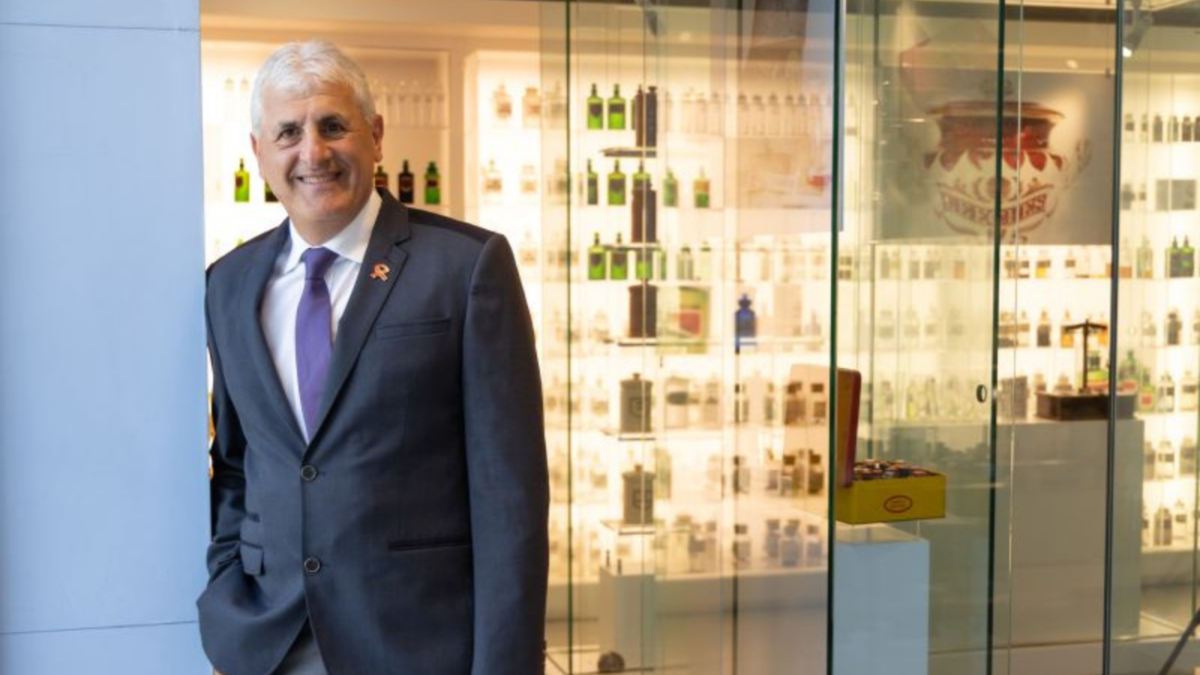
Stephen Saad went from selling medicines in South African townships to founding a global pharmaceutical empire, Aspen Pharmacare.
Saad was born in June 1964 and raised in Durban. He attended Durban High School before studying at the University of KwaZulu-Natal.
He earned a Bachelor of Commerce degree in 1985 and a Postgraduate Diploma in Accounting in 1986, and later qualified as a Chartered Accountant.
He began his career at Coopers & Lybrand, where he completed his articles and met Gus Attridge, who was senior to him at the firm.
Saad moved into the pharmaceutical industry, joining Quickmed, a prescription drug distribution company.
The company sold medicines in townships, something few other businesses did at the time. This gave Aspen a unique edge, Saad told Forbes Africa.
“We sold to markets and to people that other companies ignored,” he said. “Not many whites had ever been to a township, let alone done business there. But this was where the huge potential was.”
This exposed Saad to the challenges faced by South Africans seeking access to affordable healthcare, and he saw an opportunity to build a business focused on intellectual property and affordable healthcare.
Saad became a 50% shareholder and identified Covan, a family-run manufacturer which produced eye drops, as an acquisition opportunity.
Quickmed and Covan merged to form Zurich, doubling the company’s turnover. In 1993, Prempharm, now Adcock Ingram, acquired Zurich for R75 million.
The deal made Saad a millionaire at 29. His share of the transaction was worth R20 million. Even though the deal also included a restraint of trade, it did not prevent Saad from pursuing his next business venture.
Turning Aspen into a pharmaceutical giant
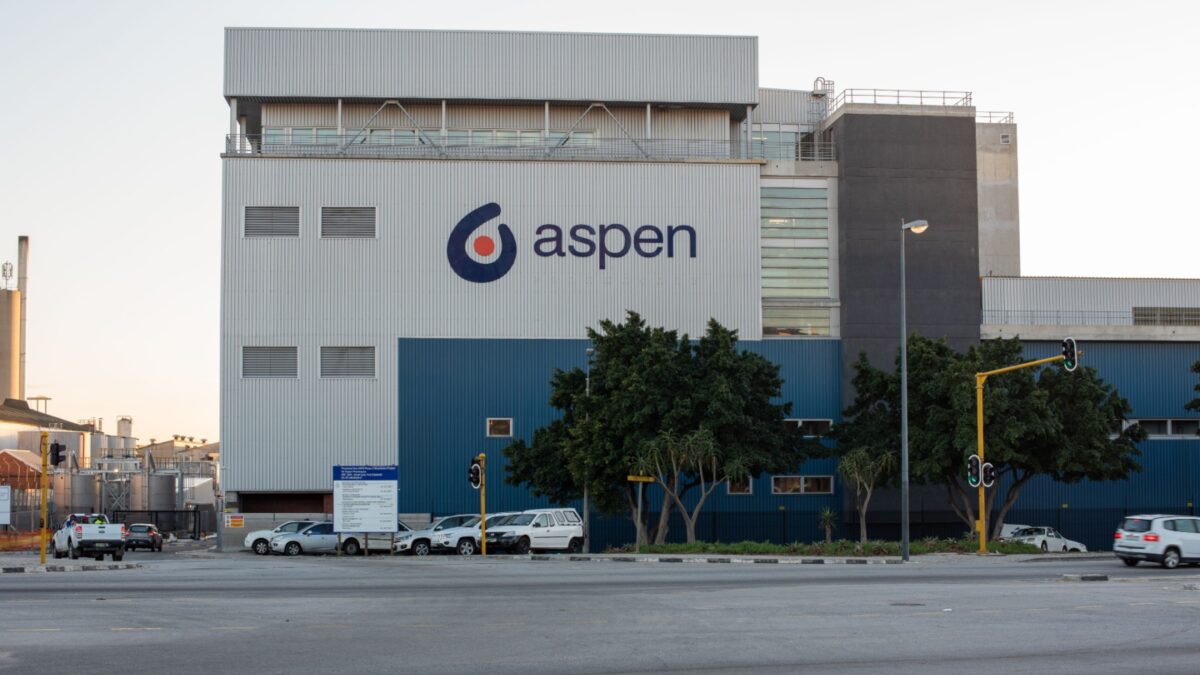
Saad approached his former work colleague, Attridge, with the idea of acquiring Varsity College, which was struggling financially and faced closure. The pair bought the business for R1.5 million and restructured its operations.
Their turnaround strategy worked. By 1996, they had sold Varsity College for R100 million. The following year, Saad and Attridge founded Aspen Pharmacare.
“It was so obvious that there was a market out there that was hungry for high-quality but affordable products and that needed representation,” Saad said.
Aspen initially grew by acquiring licences for non-core brands from large multinational pharmaceutical companies. This allowed it to bring established products to new markets.
This strategy also meant Aspen didn’t have to bear the full cost and complexity of developing and manufacturing medicines. It also focused on owning intellectual property, including patents and trademarks, for these products.
A major turning point came in 2000, when Aspen launched a highly leveraged hostile takeover of South African Druggist, the country’s oldest pharmaceutical company, for R2.4 billion.
The deal changed Aspen’s business model. Initially, the company focused on high-margin pharmaceutical products without manufacturing capabilities.
However, this acquisition expanded Aspen’s capabilities and enabled the business to enter both pharmaceutical development and manufacturing.
Despite opposition from South African Druggists’ management and the risks involved in the transaction, Aspen completed the acquisition.
Property entrepreneur Jonathan Beare and Investec’s Stephen Koseff provided financial backing to help complete the acquisition. Under Saad’s leadership, Aspen expanded rapidly and became a major global manufacturer of generic medicines.
It has since grown to 66 established offices across 46 countries and territories, supplying medicines to more than 115 countries.
Aspen’s reach goes even further, though. The company has also played a significant role in improving access to healthcare in Africa.
Aspen was the first company on the continent to launch a generic antiretroviral medicine for HIV and AIDS patients and became a major supplier of these medicines.
Aspen takes a hit
Throughout his years in business, Saad’s personal financial success has been tied closely to Aspen’s performance on the Johannesburg Stock Exchange.
In September 2024, Aspen’s share price plunged by more than 13% after the company reported a 16% decline in profit to R4.4 billion for the year to June 2024.
Revenue still increased by 10%, but the company’s results were affected by sharp price reductions in China under the country’s national volume-based procurement programme.
According to Aspen, the Chinese programme and its European operations had affected sales by around R2 billion. Saad’s large personal stake in Aspen meant that the share price decline had a significant impact on his wealth.
Based on his reported 12.8% stake at the time, his shares lost an estimated R1.68 billion in value during that trading session. The following period brought further changes for Aspen and its founder.
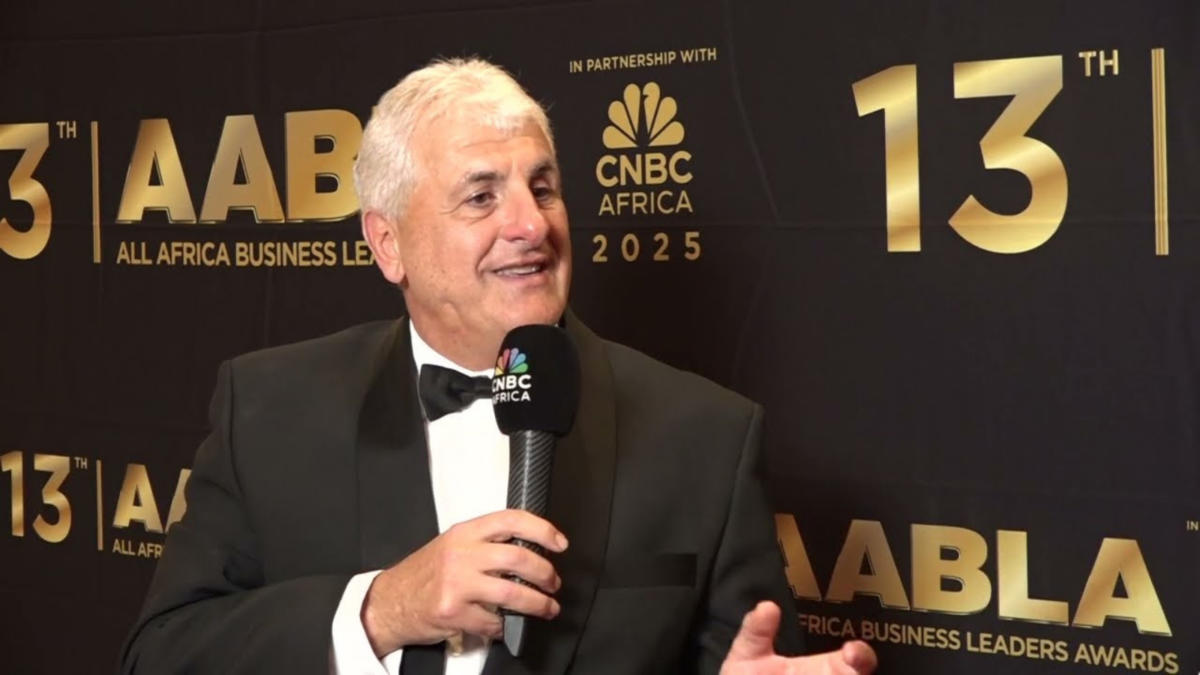
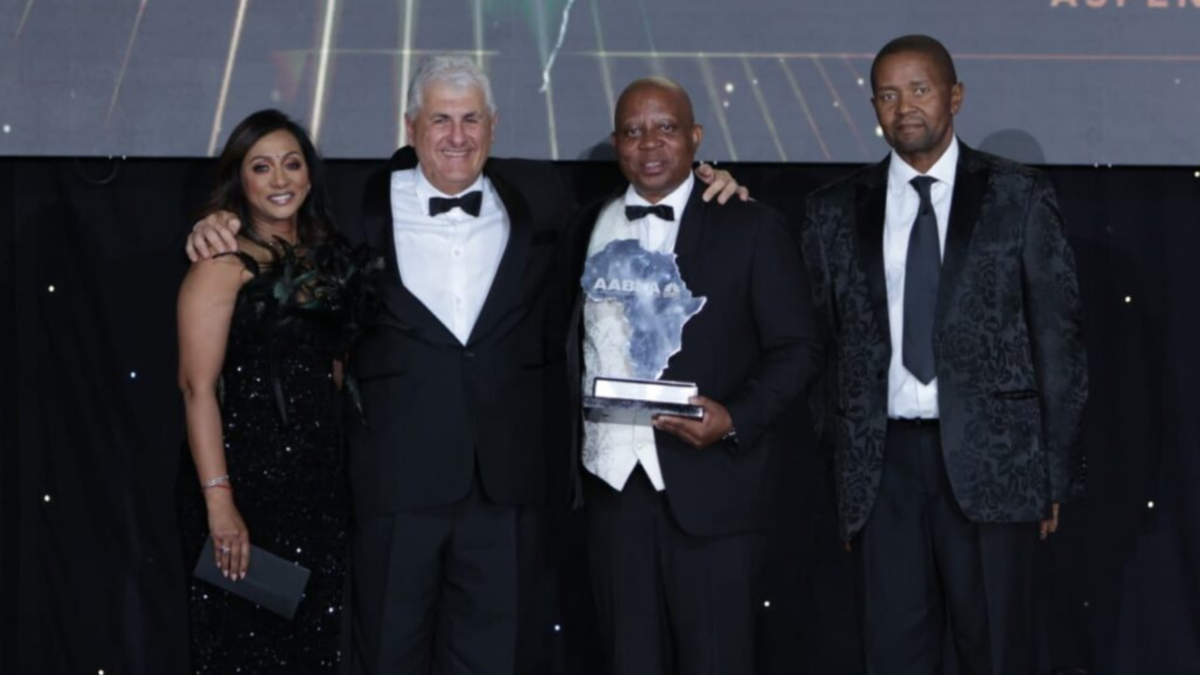
In November 2025, Saad received two of the biggest honours of his career at the 13th All Africa Business Leaders Awards. He was presented with CNBC Africa’s prestigious Lifetime Achievement Award and named African of the Year.
Accepting the Lifetime Achievement Award, Saad said Aspen was driven by its purpose of improving access to medicines and keeping the African flag flying in a competitive global market.
He also referenced the company’s role during the Covid-19 pandemic, when Aspen partnered with Johnson & Johnson to produce millions of Covid vaccines in Africa for African patients.
“I am an African, and I love Africa with every fibre of my being,” Saad explained during his acceptance speech for the African of the Year Award.
He said Aspen’s focus was on putting the African patient at the centre of its operations and building manufacturing capacity across the continent.
The R27 billion deal
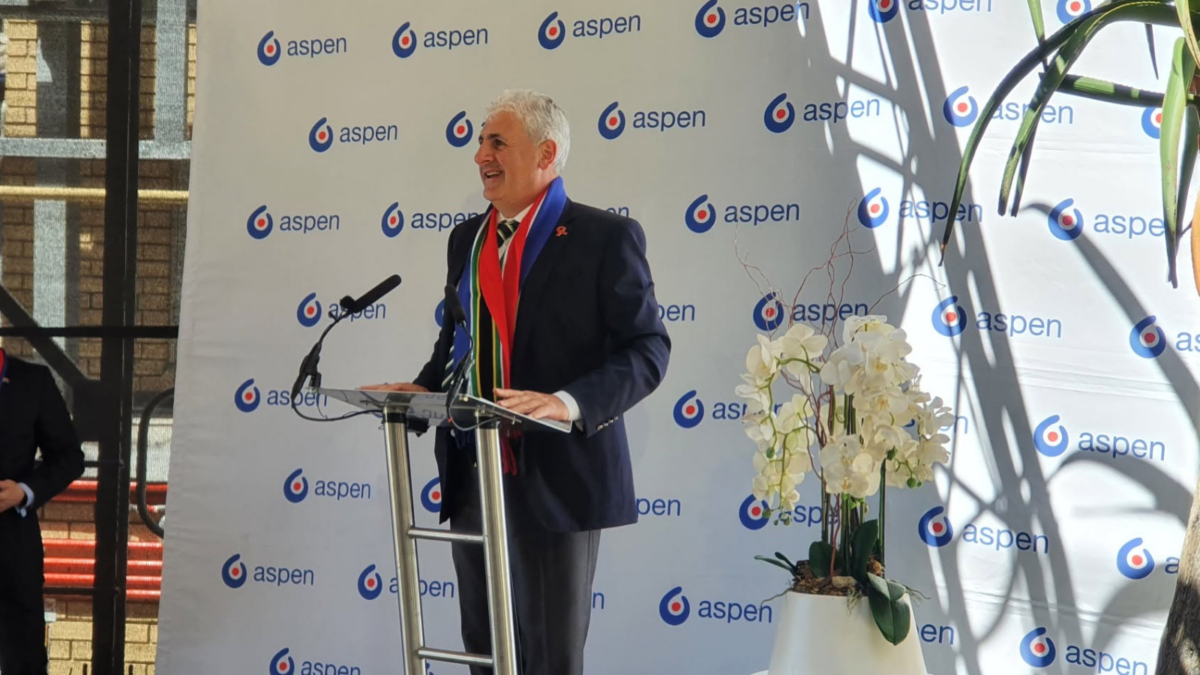
In 2026, Aspen took another major strategic step by completing the sale of its Asia-Pacific business to the Australian private equity firm BGH Capital for R27 billion. The deal was announced in December 2025 and formally completed in May 2026.
The final proceeds were around R2 billion above the original R26.5 billion target, partly due to favourable movements in the Australian dollar against the rand.
The sale had a significant effect on Aspen’s balance sheet. At the end of December 2025, the company had debt of around R28.6 billion.
This meant they could use the proceeds from the transaction to substantially reduce their debt burden. For Saad, the transaction also boosted his personal wealth.
He owns around 13% of Aspen, and the company’s share price rose by more than 7% after the deal’s completion was confirmed. The increase in share price added an estimated R550 million to the paper value of his stake in a single trading session.
The APAC sale also marked a new phase for Aspen, with the group focusing more heavily on its remaining Commercial Pharmaceuticals, Manufacturing and emerging GLP-1 businesses.
Aspen said it expects its GLP-1 portfolio, which targets the growing weight-management and diabetes treatment market, to begin generating revenue from late 2026.
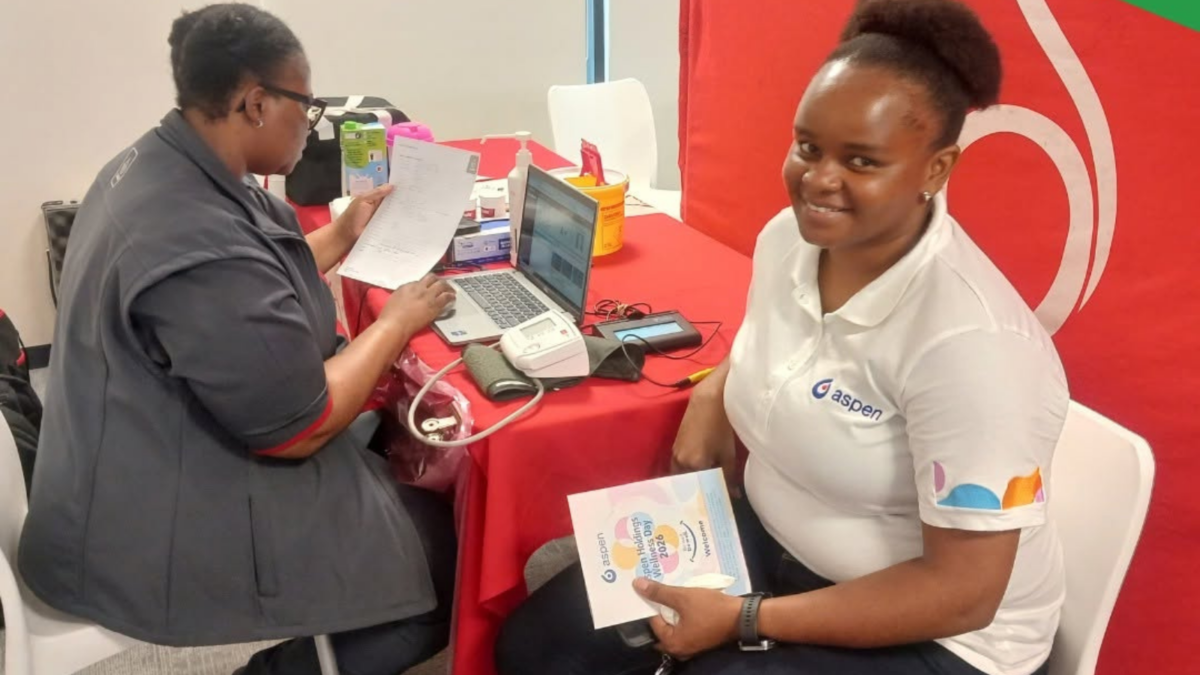
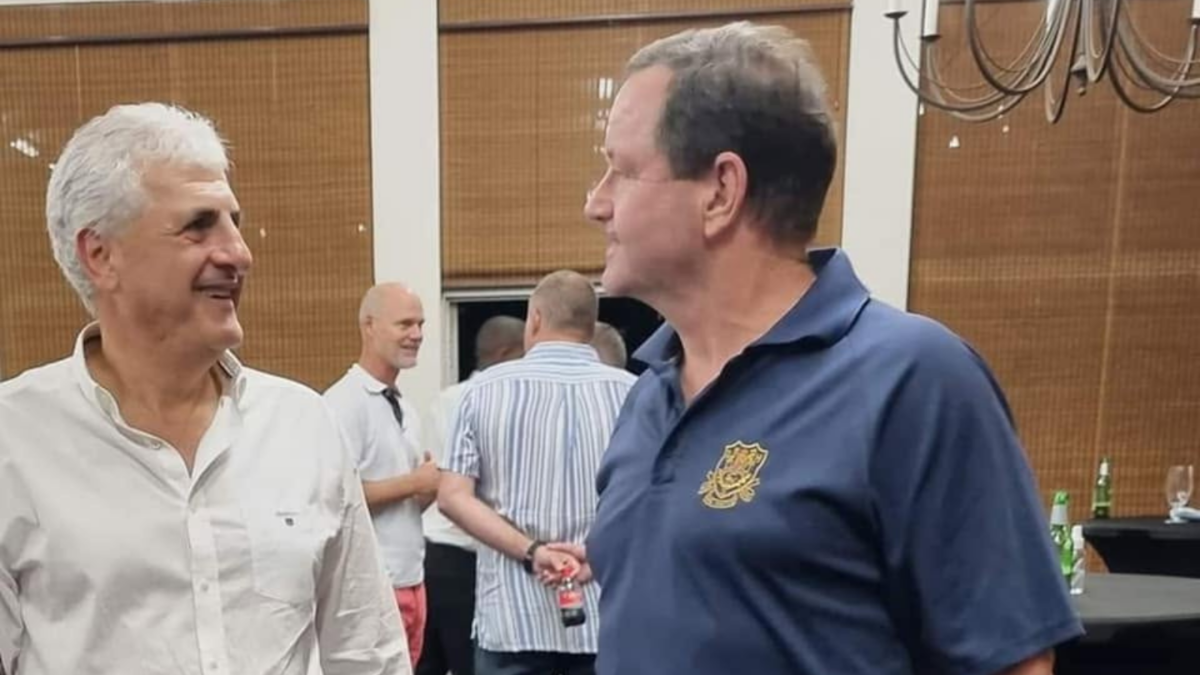
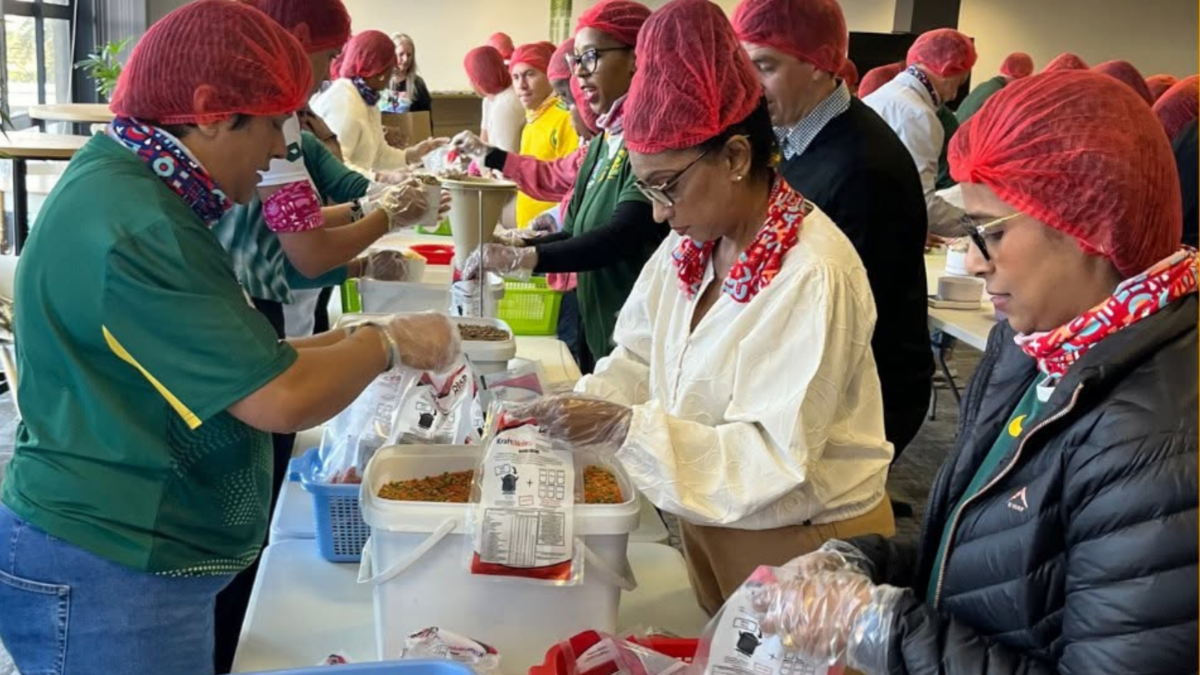
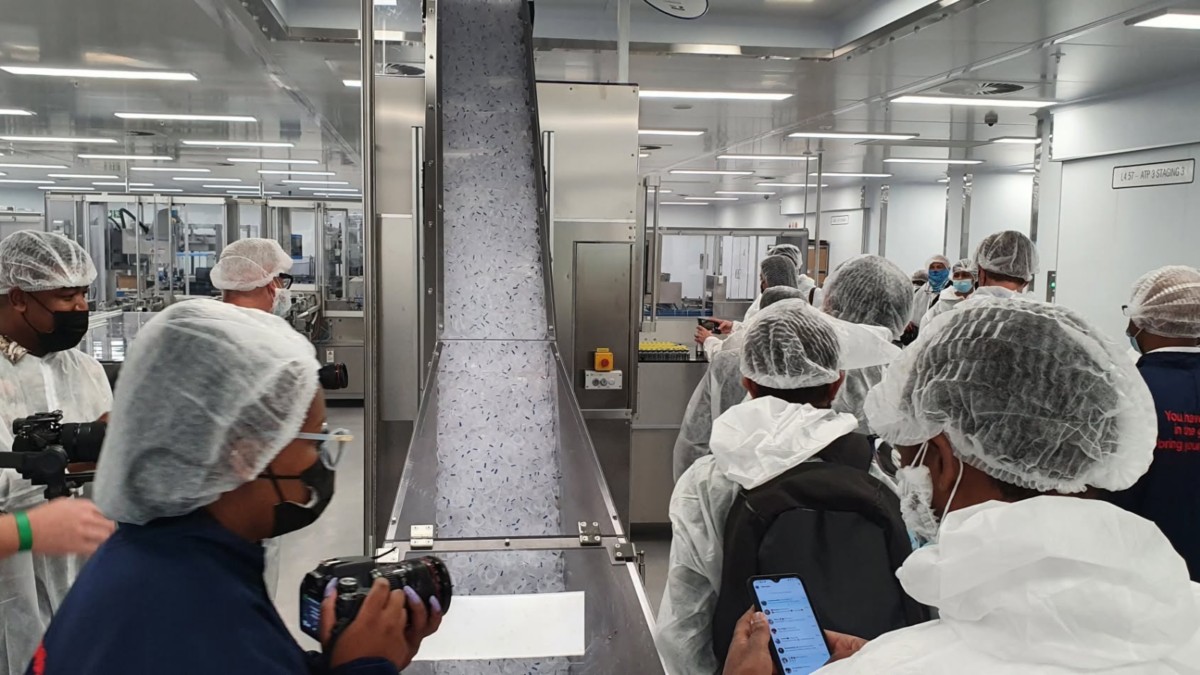
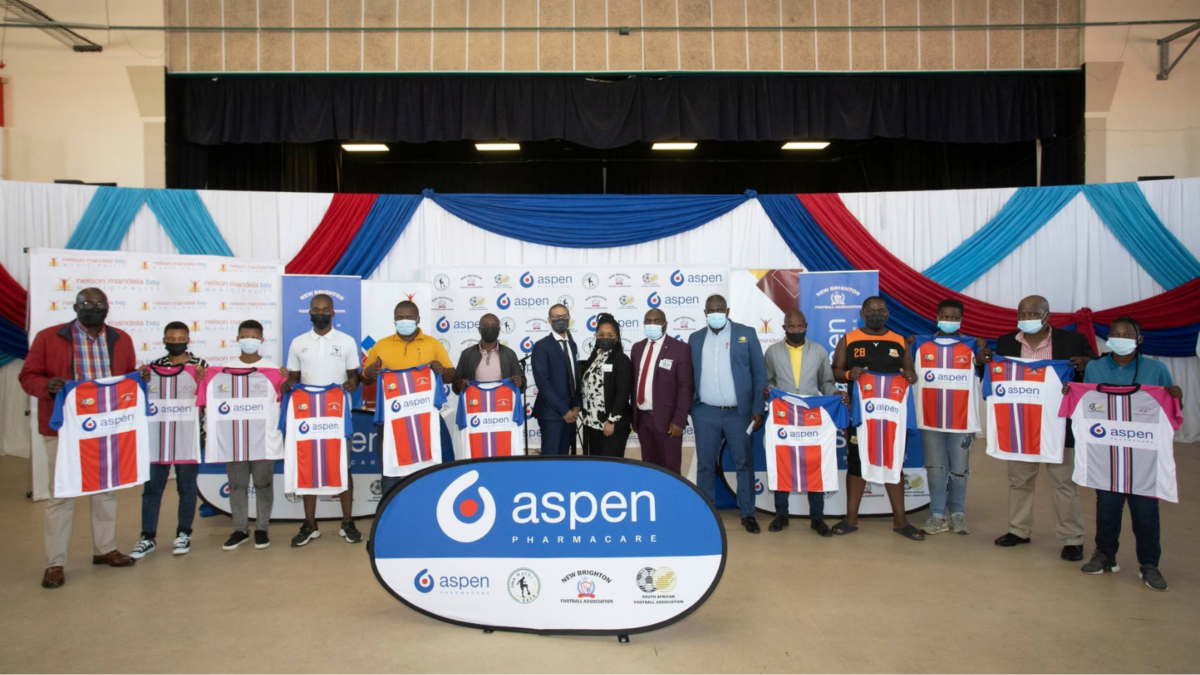
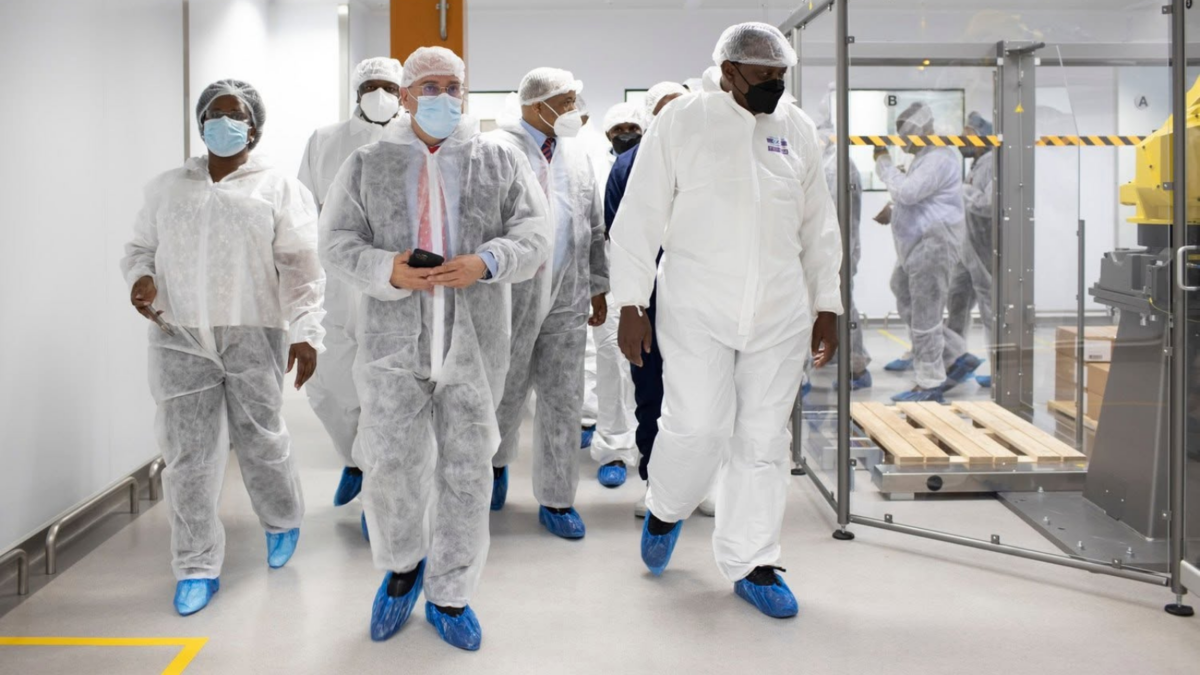
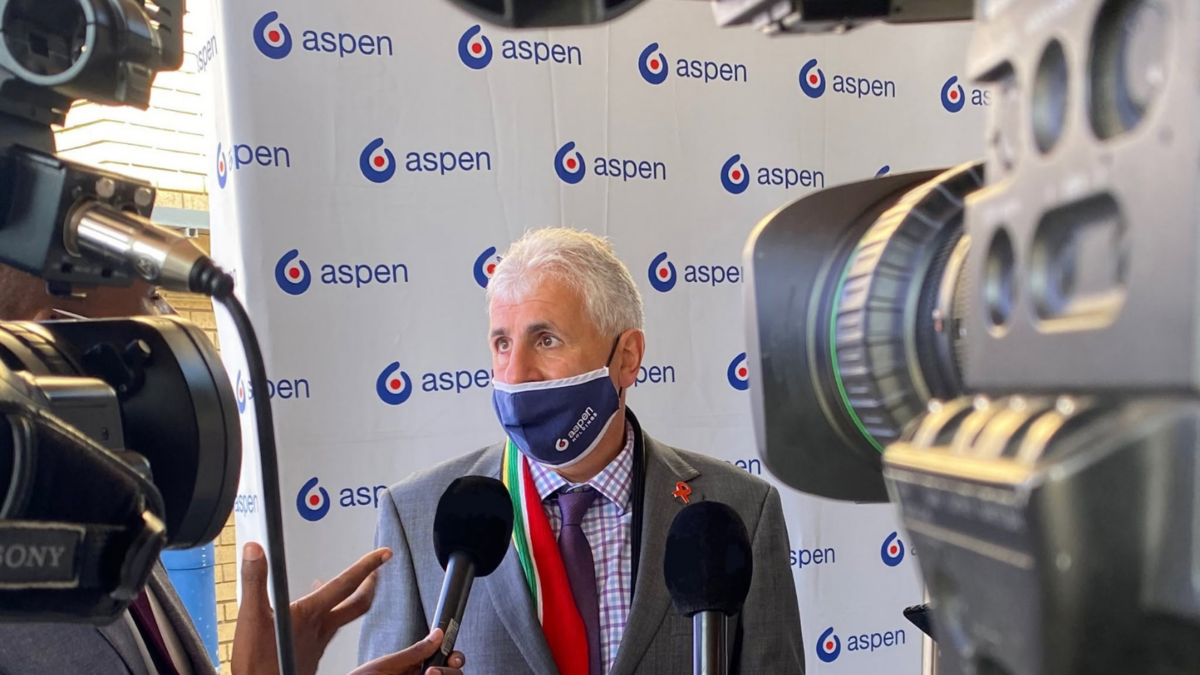
Photos of Stephen Saad and Aspen





 Loading ...
So, a CA worked as a medical rep in the townships for Quickmed?