
ANC’s day of reckoning: South Africans are tired of corruption, crime, and failing public services


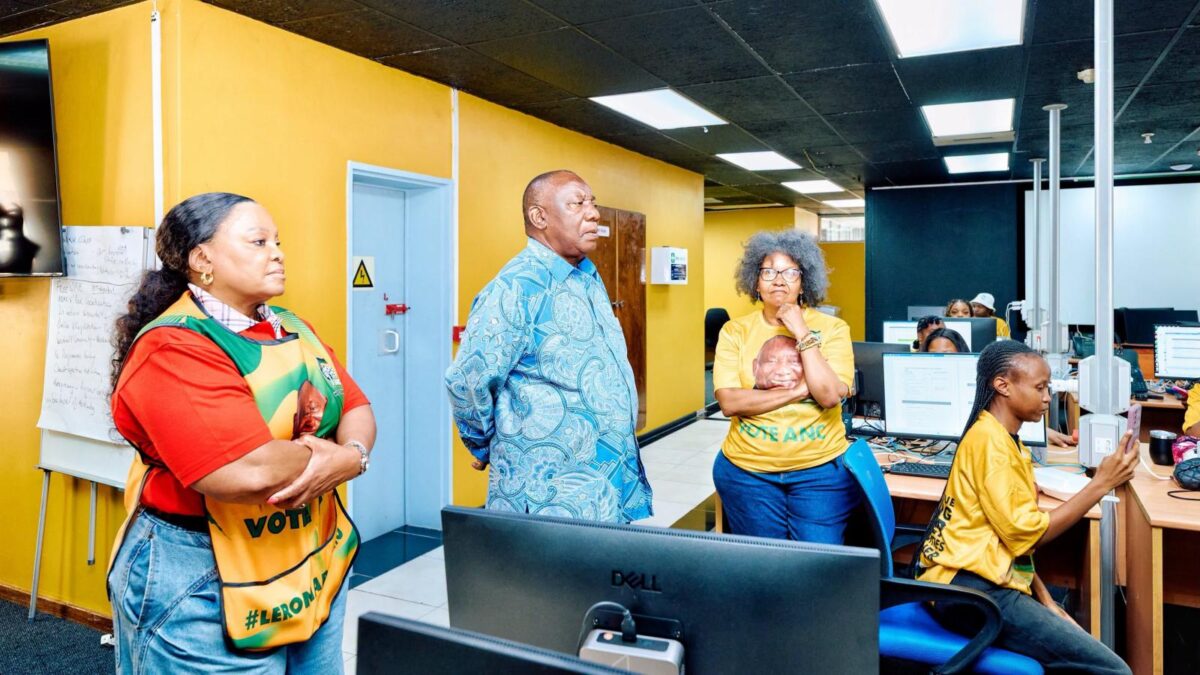
The ANC dropped below 50% support for the first time in the 2021 municipal elections, and could plunge below 40% this time, according to polls.
With no other party large enough to take its place, many cities in South Africa are heading for unsteady coalition governments.
These unstable coalitions have been partly blamed for failing to deliver basic services, including water and electricity.
The outcome of the 2026 local government election will set the stage for the next national election in 2029.
It could also influence the succession race within the ANC as President Cyril Ramaphosa approaches the end of his term as party leader in 2027.
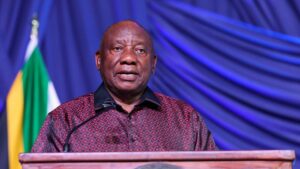
“Municipal failures have contributed to declining public trust and confidence in democratic governance,” said Ramaphosa.
He has acknowledged failures within his party but expressed optimism that it will regain support. “This election is an opportunity to turn this around,” he said.
Johannesburg is the biggest prize
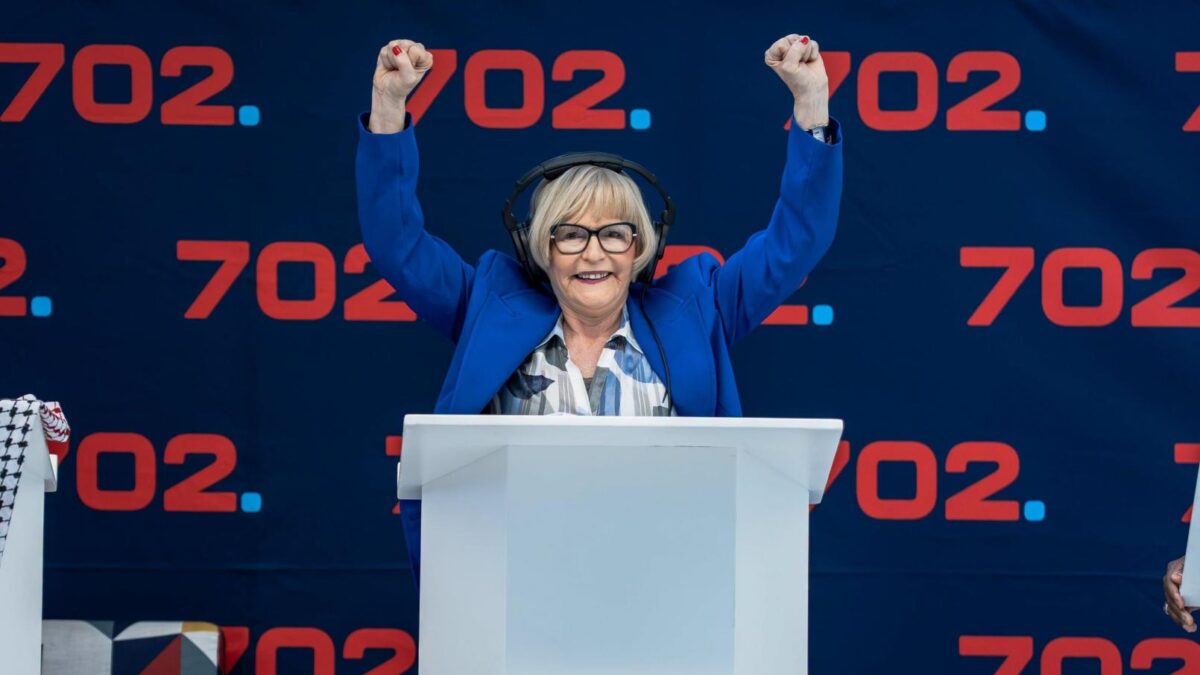
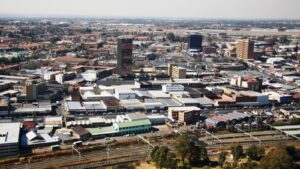
Control of Johannesburg, South Africa’s commercial hub, will be the largest prize and is still up for grabs.
This comes after an energetic mayoral campaign by Democratic Alliance candidate Helen Zille, who is projected to win the most votes but fall short of a majority.
Other metro areas to watch include Tshwane, home to the administrative capital Pretoria, where the DA is expected to get the most votes.
eThekwini, which includes the port city of Durban, is likely to be dominated by former president Jacob Zuma’s uMkhonto weSizwe party.
The DA is heavily favoured to retain control of Cape Town, where the party’s leader, Geordin Hill-Lewis, is its mayoral candidate.
Local governance has been a weak point for the ANC, which was forced into a coalition with the DA and smaller parties after it lost its national majority in 2024.
Although the party still enjoys loyalty from some voters due to its role in ending apartheid, growing numbers of South Africans are fed up with municipal problems.
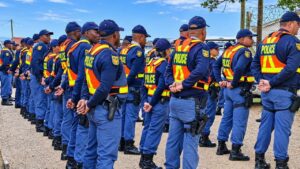
These problems include power cuts and water shortages. High unemployment and poor public safety are also major concerns.




 Loading ...
The current political landscape reflects a growing demand for accountability. South African citizens have expressed profound dissatisfaction with ongoing challenges in public administration, specifically regarding security, governance, and infrastructure delivery.