
South African man used fake profiles on dating sites to steal R6 million from two victims


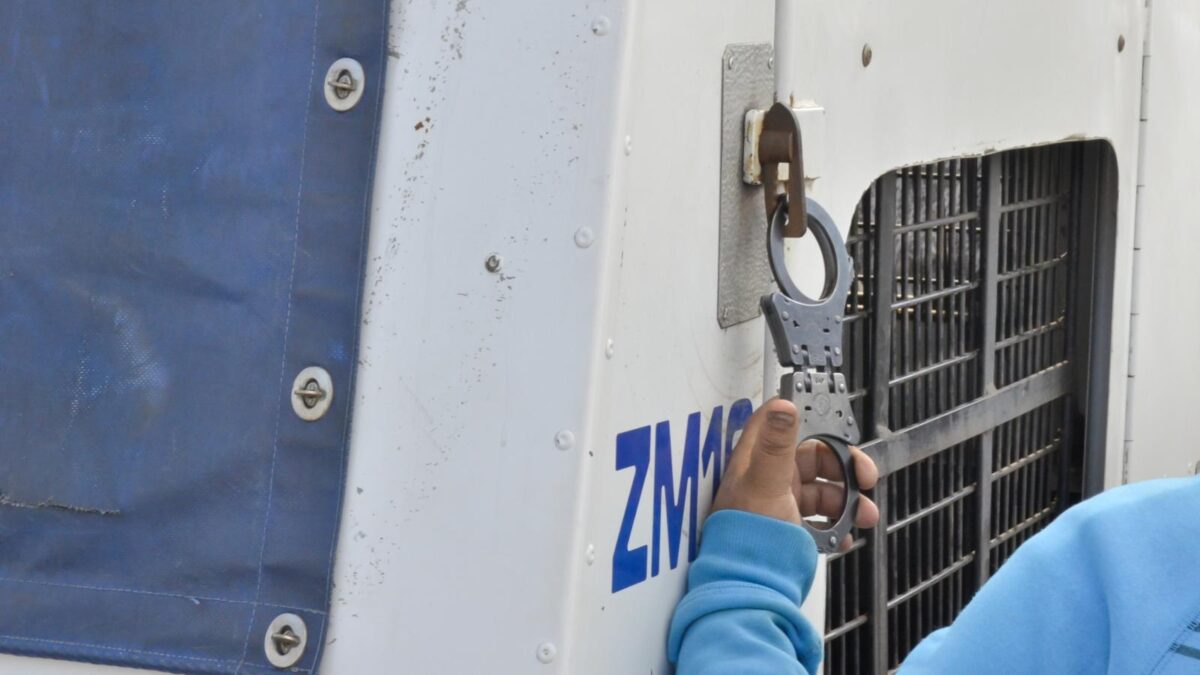
52-year-old Pius Emokpe was sentenced to 10 years’ imprisonment after using fake profiles on dating sites to steal R6 million from two victims.
Emokpe committed the crimes between June 2021 and February 2022, defrauding the victims by requesting financial assistance.
He assured his victims that he would repay the money from proceeds of fictitious projects. However, the accused failed to repay the debts.
When Emokpe was arrested in May 2022, it was established that he was also wanted in five other cases.
These cases were investigated by the SAPS Western Cape Provincial Commercial Crime Unit and involved a financial loss of R779,500.
After Emokpe was arrested for fraud and money laundering, he entered into a plea agreement with the state.
On 28 October 2026, after the plea deal was struck, the Bellville Specialised Commercial Crimes Court sentenced Pius Emokpe.
- 10 years’ imprisonment for fraud, of which 7 years were suspended.
- 3 years’ imprisonment for money laundering.
As part of the plea deal, a charge of Contravention of the Riotous Assemblies Act was withdrawn.
“The four and a half years the accused had already spent in custody were taken into consideration during sentencing,” the SA Police said.
Because a large part of his sentence is suspended, Emokpe will effectively serve three years’ imprisonment.
Catfishing and romance scams

This case is an example of a catfishing or romance scam, where criminals use fake online personas to target individuals.
They typically use dating apps and social media to connect with people seeking companionship and manipulate their victims to extract money.
Scammers adopt professions that sound respectable yet offer a built-in excuse to avoid meeting in person.
The professions range from overseas military personnel and offshore oil rig engineers to international construction project managers and travelling doctors.
The fake profiles feature stolen or AI-generated photos of attractive models, influencers, or real military members.
They also use AI to craft convincing profile bios, write natural-sounding text exchanges, and generate realistic images or short deepfake video clips.
The scammer establishes emotional intimacy, showering the victim with affection, declaring love early, and making grand plans for the future.
They then urge the victim to move off the dating platform onto encrypted messaging apps like WhatsApp, Telegram, or SMS.
Once trust is established, the scammer creates an urgent financial emergency to which they claim to be a victim.
Common scenarios include unexpected legal fees, customs duties, frozen bank accounts overseas, or a medical emergency.
They can also pursue high-return investment opportunities, such as crypto trading or bogus gold investments.
The scammers get as much money as they can from their victims before disappearing with their loot.










 Loading ...