
Why flexible industrial space is becoming essential for South African SMEs


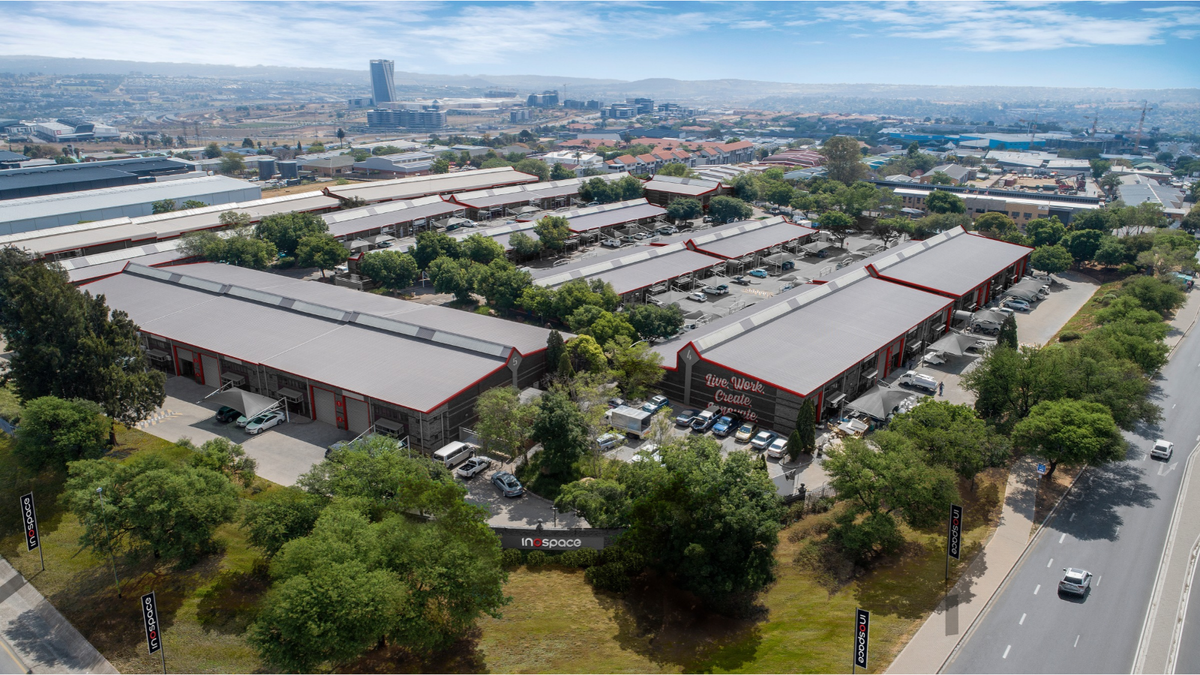
An SME’s premises can directly affect how quickly it responds to a boost in orders or a new contract.
The traditional industrial property model makes it difficult to scale, as these usually require businesses to predict their space requirements years in advance.
This is hard for a growing company.
Too little space can disrupt production and fulfilment, while too much space ties up money in capacity that goes unused, which is why flexible industrial space in South Africa is a practical option for SMEs.
Flexible industrial space generally refers to warehouses or mixed-use units that allow businesses more choice over their footprint and how the premises are used, giving companies space that can change with their operations.
SMEs need space that can grow with them

Business growth can begin with modest storage requirements that later need room for more employees or products.
A new customer can quickly change the amount of space required, and seasonal demand also creates a temporary spike in capacity needs.
According to Inospace, flexible warehouse space allows South African businesses to make property decisions around their current requirements rather than paying immediately for anticipated growth that may take years to materialize.
Flexible warehouse rental can give a younger SME the room to test a product or establish a new regional operation without basing a long-term property commitment on uncertain forecasts.
E-commerce is changing warehouse requirements
For e-commerce and omnichannel retailers, a stock warehouse also needs to support receiving, sorting, picking and packing, dispatch, returns and local fulfilment.
A smaller, efficiently organised facility can be more useful than a larger building that creates unnecessary movement between packing stations and loading areas.
Location is equally as important.
Micro warehousing in South Africa can place inventory closer to urban customers in centres like Cape Town.
When premises are near major roads are better positioned to offer faster and more reliable delivery turnaround.
Flexibility can improve cost control
The objective is to ensure that the space being paid for actively supports the operation.
Properly sized facilities reduce the cost of unused capacity and make occupancy costs easier to plan.
It also enables a business to invest more working capital into marketing or staff.
Location is as important square metres

Industrial property in South Africa should be valued according to its strategic usefulness and not just its floor area.
A well-connected industrial park can improve access to customers and transport routes.
By contrast, a cheaper but poorly located warehouse increases delivery times and fuel consumption.
The right location will depend on the business.
A manufacturer will tend to prioritize vehicle access and water and power availability, as supply disruptions can halt production.
An online retailer needs proximity to courier networks and densely populated customer areas.
What should SMEs look for?
Before choosing flexible commercial space, business owners should ask:
- Can the premises accommodate changing stock volumes?
- Is the location practical for deliveries, customers and employees?
- Can the business expand or adjust its footprint?
- Does the unit support storage, fulfilment or light industrial work?
- Are useful operational services available on site?
- Does the lease suit the company’s present stage of growth?
- What are the total costs beyond the advertised rental?
The best industrial space is the one that supports the business now while leaving room to respond to what comes next.
Flexibility has become an operational advantage for South African SMEs operating in a fast-moving commercial environment.
Industrial property now means the right footprint, in the right location, with the ability to adapt as the business changes.










 Loading ...