
South African municipality proposes 25-year solar deal while owing R1.84 billion


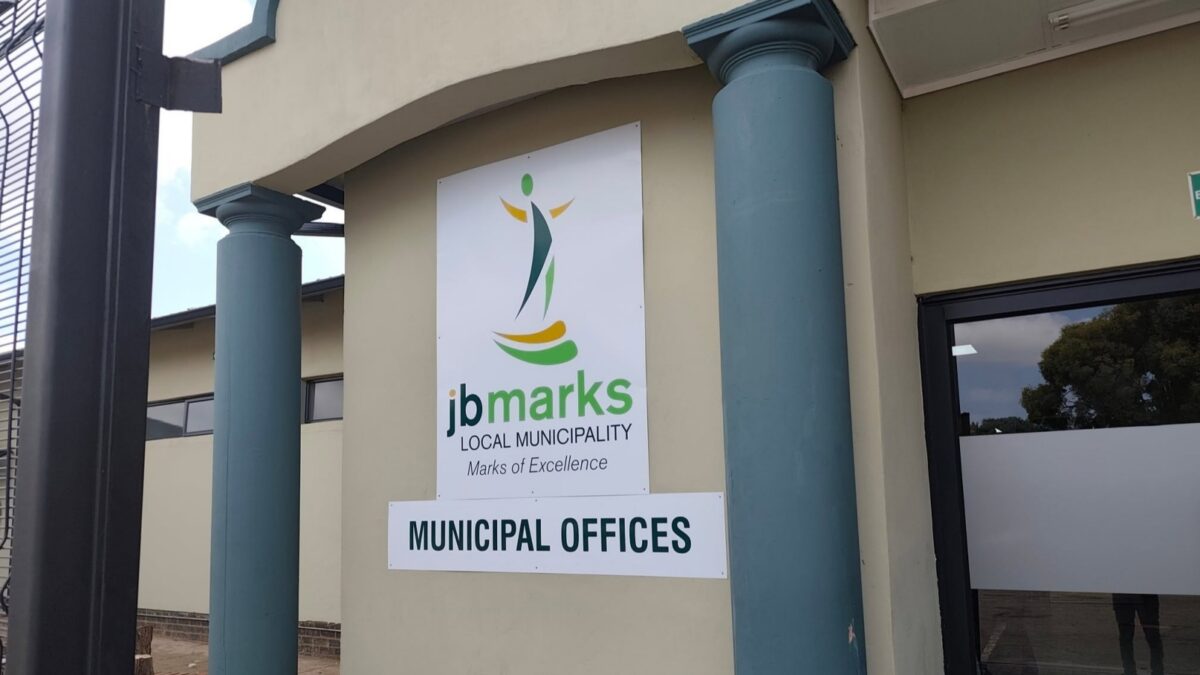
The JB Marks Local Municipality has proposed a 25-year solar deal just three weeks before the local government elections, despite unanswered questions on costs and transparency.
The Kopano Renewables solar proposal was considered during a 65-minute special Council meeting covering seven substantive agenda items.
This left councillors little time to properly assess the proposal, as they had reportedly received it only at 19:46 on Monday evening, days before Thursday’s meeting.
JB Marks Ward 24 councillor Sean Trautmann said this raised serious questions around whether sufficient scrutiny was given to the long-term consequences for residents.
“Committing the municipality to a proposed 25-year electricity agreement without adequately demonstrating how the supplier was selected or what residents could ultimately pay exposes taxpayers to unacceptable uncertainty,” Trautmann said.
“The information presented to Council did not demonstrate a transparent and competitive procurement process or establish the agreement’s full costs and risks.”
Trautmann said public consultation under section 33 of the Municipal Finance Management Act was not a suitable replacement for applicable procurement requirements.
He also said that a majority vote in Council could not adequately substitute for proper compliance with legislation.
While the proposed purchase tariff has been described as an applicable NERSA-approved tariff less 10%, Trautmann said this did not necessarily mean residents would pay 10% less on electricity bills.
He also questioned whether JB Marks could afford the arrangement, given that it currently owes R1.84 billion in consumer debts and R945 million to Eskom.
Trautmann called on the municipality to disclose the projected annual costs, escalation provisions, and all minimum purchase obligations, guarantees, or termination liabilities.
He requested the publication of the final agreement, procurement records, financial assessments, statutory consultation submissions, and relevant ownership disclosures.
“Without transparency about procurement, ownership and financial obligations, concerns about who ultimately benefits will persist,” Trautmann said.
“Residents deserve proof that the agreement serves their electricity needs. Any outstanding legal requirements must be fulfilled before signature or implementation.”
Trautmann warned that even if the current administration leaves office after the November elections, the financial obligations of this agreement would remain into the 2050s.










 Loading ...