
Transnet spent R38.6 billion on trains and it cannot use 361 of them


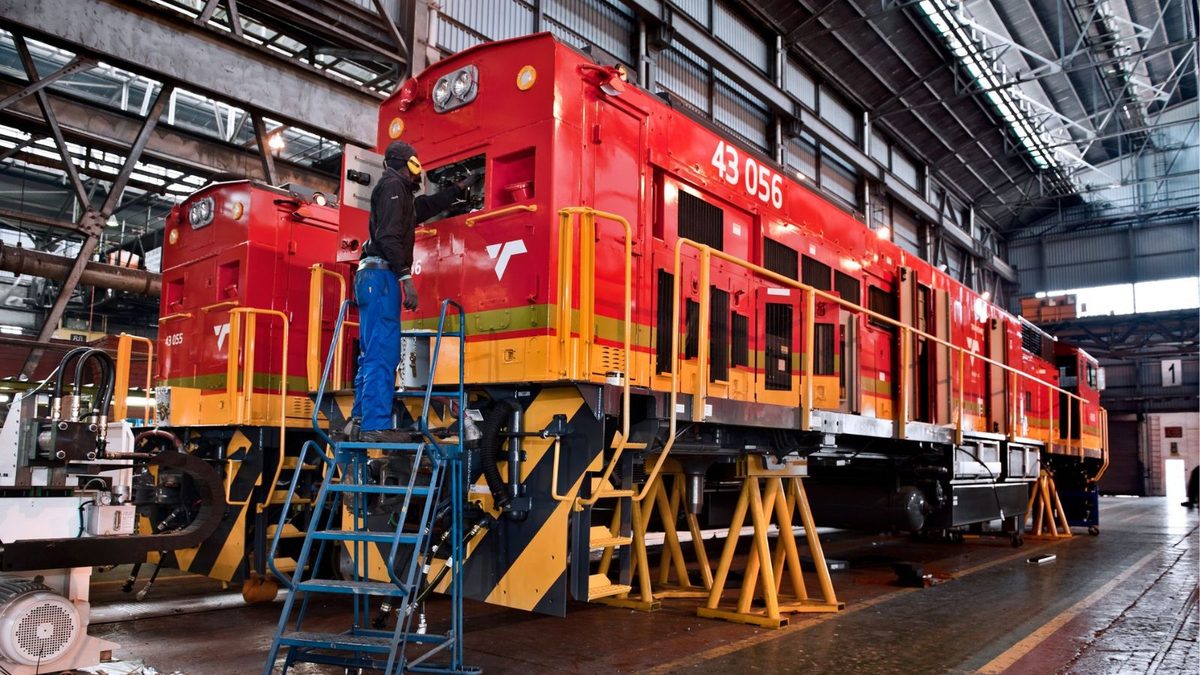
Transnet spent R38.6 billion on 1,164 locomotives to upgrade its fleet and meet projected rail freight demand. Today, it cannot use 361 of those trains.
These trains are standing out of service due to a lack of spare parts, with the original equipment manufacturers suspending contracts with Transnet.
The utility has spent heavily to procure critical parts from alternative suppliers, re-engineer the locomotives, and return them to service.
These efforts have been unsuccessful so far, with the scandal serving as a case example of how state capture has hollowed out the capacity of South Africa’s state-owned enterprises (SOEs).
The Transnet 1,064 Project, as the company calls it, was launched in March 2014 as the flagship transaction under its Market Demand Strategy (MDS).
MDS was designed to overhaul Transnet Freight Rail and shift freight from road to rail by modernising ageing infrastructure.
In particular, the MDS aimed to upgrade Transnet’s locomotives to meet a forecast increase in freight rail demand.
Under the strategy, Transnet Freight Rail would procure 599 electric and 465 diesel locomotives to replace its existing fleet.
This was budgeted to cost R38.6 billion, with 55% of the diesel and 60% of the electric units to be manufactured in South Africa to stimulate job creation.
There were four main vendors that Transnet was buying from –
- CSR Zhuzhou Electric Locomotive (China): 359 electric locomotives
- Bombardier Transportation South Africa (Germany/Canada): 240 electric locomotives.
- General Electric South Africa Technologies (now Wabtec): 233 diesel locomotives.
- CNR Rolling Stock South Africa (China): 232 diesel locomotives.
CSR and CNR merged in 2015 to form China Railways Rolling Stock Corporation (CRRC), which became the largest supplier.
The first problem began before any train touched the tracks, with Transnet forecasting annual economic growth of 5% in South Africa from 2014 to 2024.
This did not materialise, with the country’s growth averaging 1% in that period, leaving Transnet with a huge debt burden that could not be serviced from its rail revenues.
Corruption, state capture, and recovery attempts
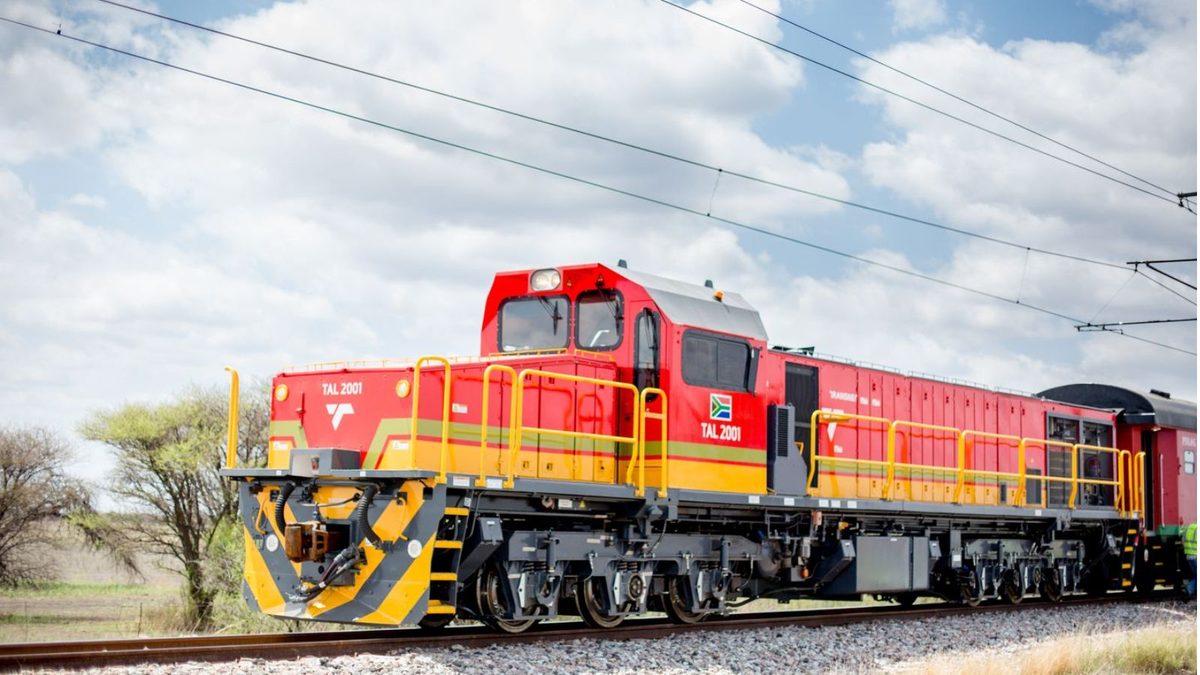
Poor forecasting was the least of the project’s issues, as corruption and irregular expenditure came to light.
Investigations by the Public Protector, the Special Investigating Unit, and the Zondo Commission show extensive irregularities in the procurement process.
It was revealed that tens of billions of rands were siphoned off through advisory fees and kickbacks to Gupta-owned entities.
Offshore front companies also received payments, with subsequent investigations linking them to Chinese suppliers.
Transnet executives at the time, including CEO Brian Molefe and CFO Anoj Singh, were found to have unlawfully inflated the budget by R15 billion.
This was supposedly to cover hedging costs, escalations, and kickback structures.
Transnet revealed the fallout in its annual reports over the past decade, with the utility still grappling with the effects of the project.
In 2021, Transnet began the process of setting aside all the original contracts, arguing they were awarded through corrupt and illegal procedures.
The utility only succeeded against GE/Wabtec, with the contract declared invalid in 2025. It kept the delivered locomotives and received cash settlements.
There were minor victories against the other vendors, with Transnet receiving R618 million from CRRC and having the Chinese company’s bank accounts in South Africa frozen.
However, Transnet’s efforts to recover lost funds have resulted in more challenges being created for the utility.
Because contracts with the vendors, particularly CRRC, were suspended during the review proceedings, Transnet could not secure spare parts.
The utility did not conclude maintenance, reliability, and spares agreements with the vendors, leaving it unable to keep the fleet operational for long.
Transnet’s annual report shows that 455 of the 1,164 ordered locomotives were “sterilised” and are standing out of service due to a lack of spare parts.
The inability to deploy these locomotives severely crippled Transnet Freight Rail’s capacity on major export channels, the utility said.
Transnet was forced to rely on an ageing, failure-prone fleet, resulting in lost railed volumes during global commodity surges, increased derailments, and rising unscheduled maintenance expenses.
It said it was working on re-engineering and modifying the locomotives to enable their use, and that a deal between Transnet and CRRC was unlikely.
At the end of the 2026 financial year, Transnet has managed to reduce the sterilised fleet to 361 trains.





 Loading ...
And fake bs’ter Mr. Tall Trains – “make the wheels smaller” – where does his almighty f* up fit into this Transnet picture?