
The government pays R400 for a product which costs R50


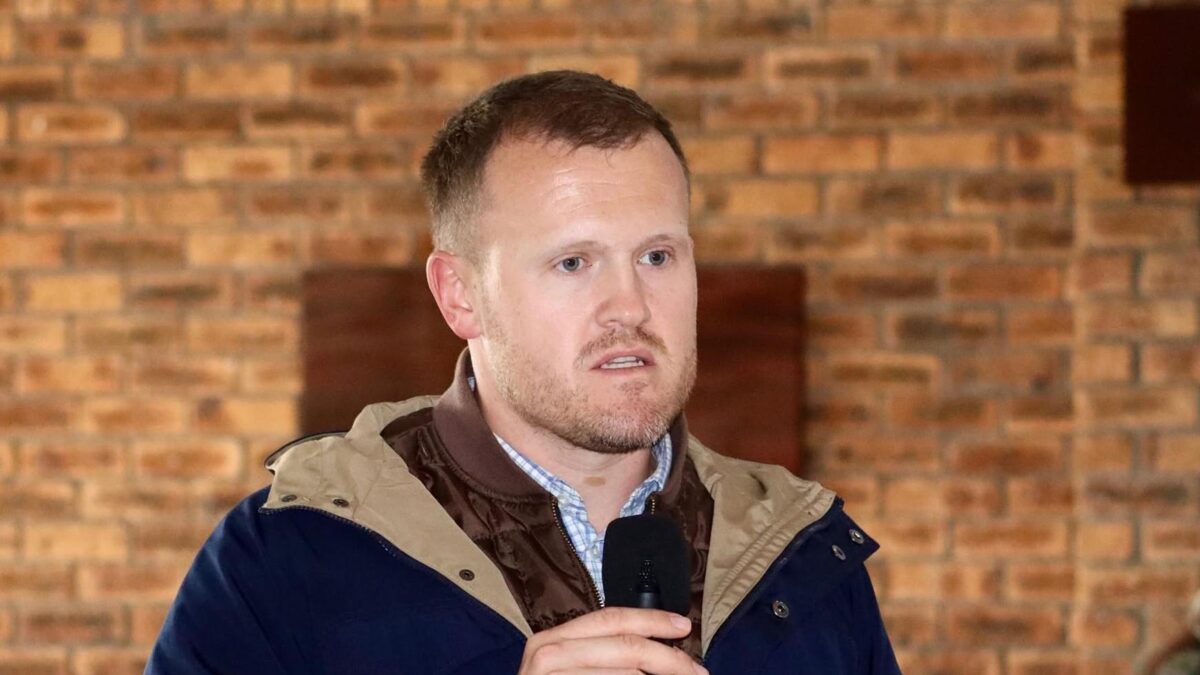
Ian Cameron, Chairperson of Parliament’s Portfolio Committee on Police, revealed that the government pays R400 for a rape kit that costs R50.
He shared this information during the 2026 Biznews Conference, which took place at the Champagne Sports Resort in August.
Cameron said that there was systemic procurement waste within the government, where taxpayer money is wasted through poor management.
He cited the example of rape kits, where the government paid 700% more than what it should for these products.
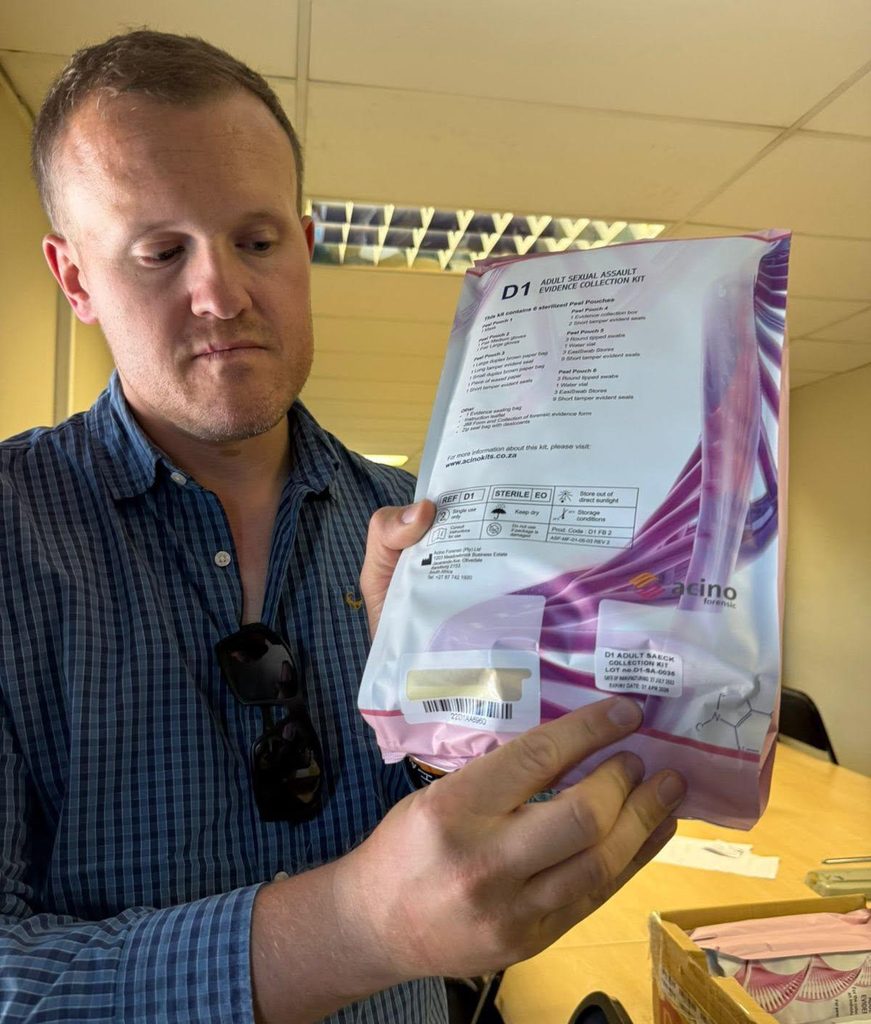
“It is a forensic kit that contains a swab and everything needed to gather bodily fluid and a DNA sample from a victim of a sexual offence,” he said.
“That kit can be assembled and packed for less than R50. However, the state pays over R400 per kit.”
He said that, with the help of his colleague in the National Council of Provinces, they are investigating the issue.
However, it is not easy to get results. “The government does not want help, because somewhere along the line, someone is getting a payout.”
He added that because of widespread government corruption, it is challenging to address these problems.
“We get stopped by so-called bureaucracy, but it is usually because someone corrupt will either be exposed or someone isn’t getting a kickback,” he said.
The widespread corruption is not isolated to a few government departments or a handful of state-owned enterprises.
It has become pervasive in most areas where the government has control or influence over the entity’s management.
Eskom is a good example. Former CEO Andre de Ruyter lifted the lid on widespread fraud and corruption at the state utility in his book, Truth to Power.
He said that at Eskom, no item was too small to serve as a conduit for the looting, even a single-ply roll of toilet paper.
De Ruyter listed numerous examples where fraud and corruption cost the power utility lots of money.
- Eskom paid R26 for a single-ply roll of toilet paper, which cost R5 – a 420% markup.
- Eskom paid R51 for a black refuse bag, which retailed for R2.99.
- Eskom ordered a mop for R238,000.
- Eskom paid R80,000 for knee pads, which cost R150 at Builders Warehouse.
- One kneepad supplier paid R4,025 and charged Eskom R934,950.
“I was struck by the sense of normality that had been created as if these acts were entirely within the normal course of Eskom’s business,” De Ruyter said.
“Board members displayed neither outrage nor courage. They didn’t question these decisions and were only too happy to acquiesce in criminal acts.”
It quickly became clear that it was open season at Eskom, and many employees, ably abetted by contractors and suppliers, gorged themselves.
“In the governance vacuum created by the Zuma years, the floodgates were open to all and sundry to get their moment at the trough,” De Ruyter said.
DNA kit example






 Loading ...
Typical of the stinking ANC crooks.