
Foot-and-mouth disease found at national park in South Africa


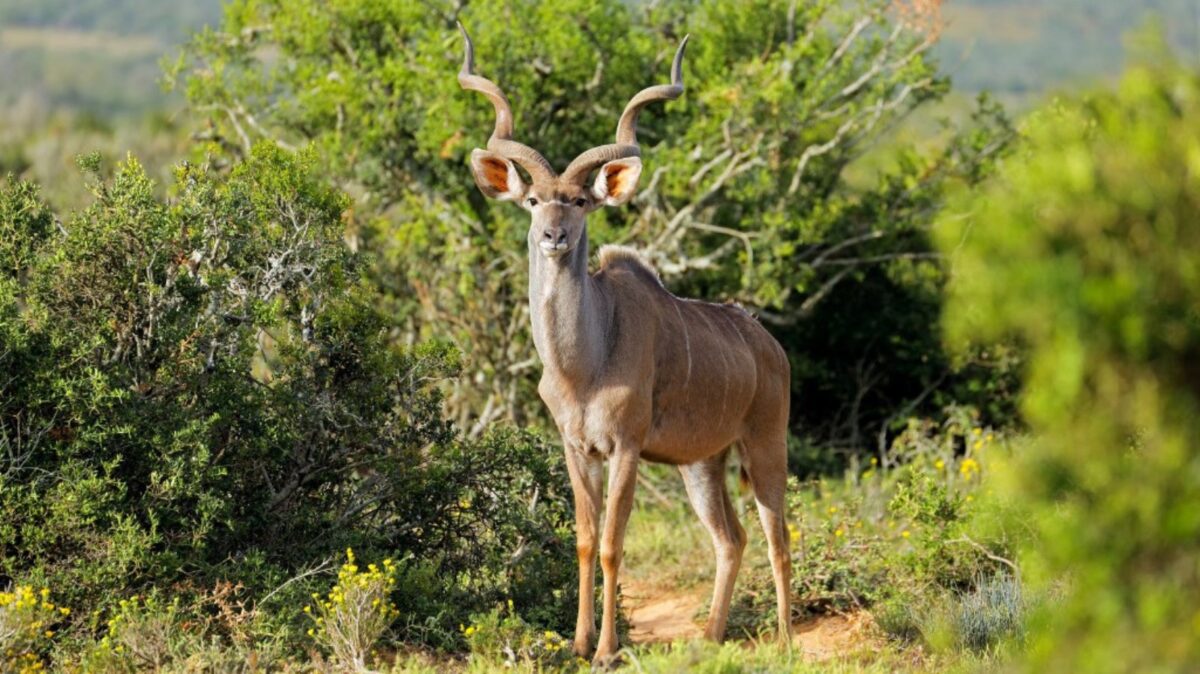
SANParks has confirmed the presence of foot-and-mouth disease (FMD) in kudu at the Addo Elephant National Park near Gqeberha in the Eastern Cape.
This comes after further testing of the affected animals. The source of infection, the direction of transmission, and the connection to existing outbreaks are still under investigation.
South Africa is currently navigating a widespread outbreak of FMD, which President Cyril Ramaphosa declared to be a national disaster in February of this year.
The finding has raised concerns about the protection of susceptible livestock at reserve boundaries and in shared grazing areas.
Member of the Eastern Cape Provincial Legislature Heinrich Müller said he raised concerns about the spread of FMD in the province last month in the Inxuba Yethemba Local Municipality.
This came after the disease was confirmed on local farms, with Müller warning that the uncontrolled movement of stray animals could undermine containment efforts.
He advised municipalities in affected and high-risk areas to identify roaming livestock, trace their owners, and ensure safe containment,
He also said that any collection, transport, or impounding of these animals should follow strict state veterinary guidelines.
“Moving potentially exposed animals into shared pounds could spread infection further,” Müller explained.
“Municipalities need suitable isolation facilities and procedures that prevent animals of uncertain disease status from being mixed.”
Müller called on the Eastern Cape Provincial Government to take urgent provincial action to control stray livestock and strengthen biosecurity in areas where they mix with wildlife.
He also called on the Eastern Cape Parks and Tourism Agency to urgently assess provincial nature reserves and strengthen controls in line with veterinary instructions.
This includes boundary fencing, surveillance of susceptible wildlife, restrictions on animal movement, and disinfection of park vehicles and equipment.
In addition, Müller said the provincial government must publish regular updates on testing, vaccine deployment, and containment measures for neighbouring communities and livestock owners.
“I have written to Eastern Cape Agricultural MEC Nonceba Kontsiwe to bring municipalities, provincial conservation authorities, SANParks, and national veterinary authorities together to address this issue,” Müller said.
“The consequences of a further spread would fall on farming families, workers, and rural businesses already under immense pressure.”
Addo Elephant National Park is the third largest national park in South Africa, covering an area of 1,640 square kilometres. It was established in 1931.
SANParks has confirmed that the park remains open and said that while FMD is not a health hazard to humans, visitors to the park are expected to follow strict biosecurity instructions.









 Loading ...
In our Stormberg area… roaming kudu between the farms were the main source of the spreading infection of F&M. By now all our cattle and the kudu in the area are immune to this current outbreak.