
R700 million of taxpayer money disappeared into thin air through land reform schemes


R700 million in public funds was invested into farm worker equity schemes in South Africa, but the intended beneficiaries received little to no financial benefit.
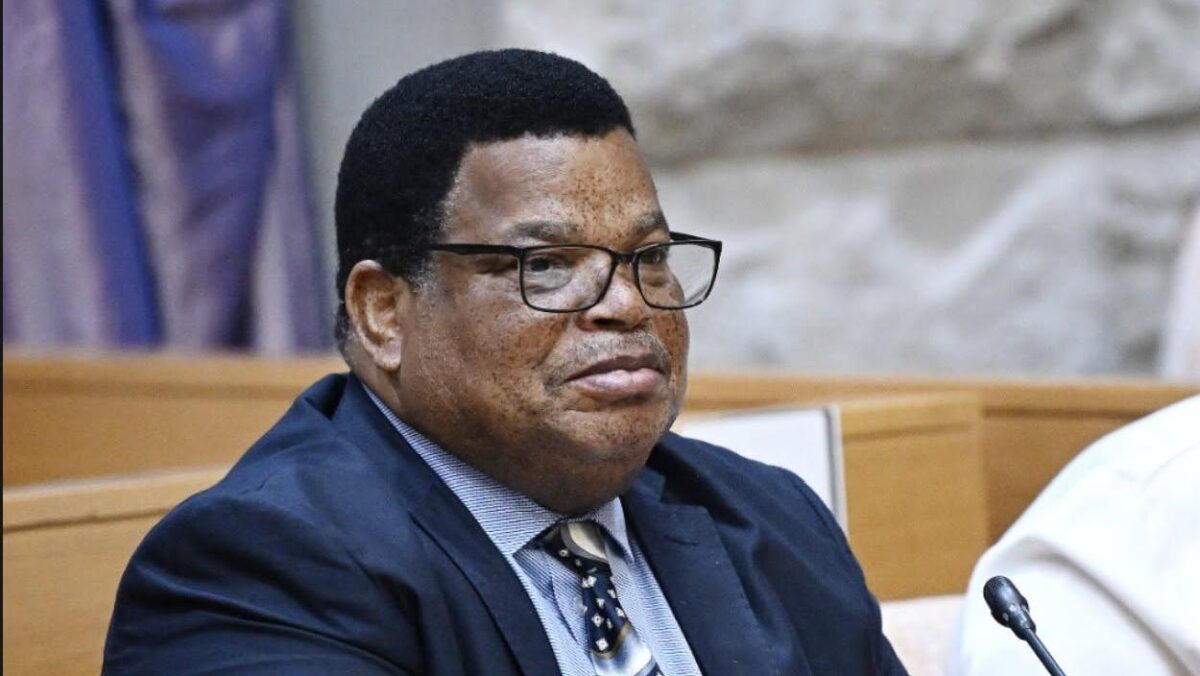
Chairperson of Parliament’s Land Reform and Rural Development, Albert Mncwango, shared this information during an Economic Cluster Media Briefing.
Mncwango said that failed farm worker equity schemes and unresolved labour tenant claims contribute to rural poverty and inequality.
He said that in November 2025, the National Assembly referred a petition submitted by non-governmental organisations to the committee.
These organisations include the Surplus People’s Project, Corruption Watch, the Legal Resources Centre, and the Support Centre for Land Change.
The petition alleged that, despite substantial public funding over many years, farm worker equity schemes failed to provide meaningful benefits to farm workers.
In response, the committee launched fact-finding engagements across provincial authorities, beneficiaries, and researchers.
The Land Reform and Rural Development Committee also conducted oversight visits to the Western Cape and Eastern Cape.
He said that over R700 million in public funds was spent to set up farm worker equity schemes spanning 24,000 hectares of agricultural land.
Despite this major state investment, there was very little benefit to the people the project was intended to help.
“Rather than becoming genuine commercial partners sharing in agricultural wealth as promised, many workers received little to no financial payout,” Mncwango said.
“Beneficiaries lacked access to basic financial statements, held minimal decision-making power, and had no actual control or ownership rights.”
The Department of Land Reform acknowledged that the initiative failed to meet its goals to empower people in rural communities.
“Past evaluations had warned of flawed governance, lack of beneficiary participation, and poor transparency,” he said.
“However, despite these repeated warnings, corrective recommendations were delayed or ignored for years.”
He said that the state effectively abandoned oversight once the initial arrangements were in place, resulting in weak monitoring systems.
This produced undesirable results, which left farming communities to absorb the fallout of failed projects.
Mncwango recommended a forensic investigation into the schemes to restore public trust and hold those responsible for mismanaged public funds accountable.





 Loading ...
The ANC shows total disrespect for taxpayer’s monies.Its now time that SA Taxpayers draw a thick line on spending of their hard earned tax monies and say enough is enough!!! Taxpayers develop a spine and start a tax revolt.