
The reason Markus Jooste killed himself


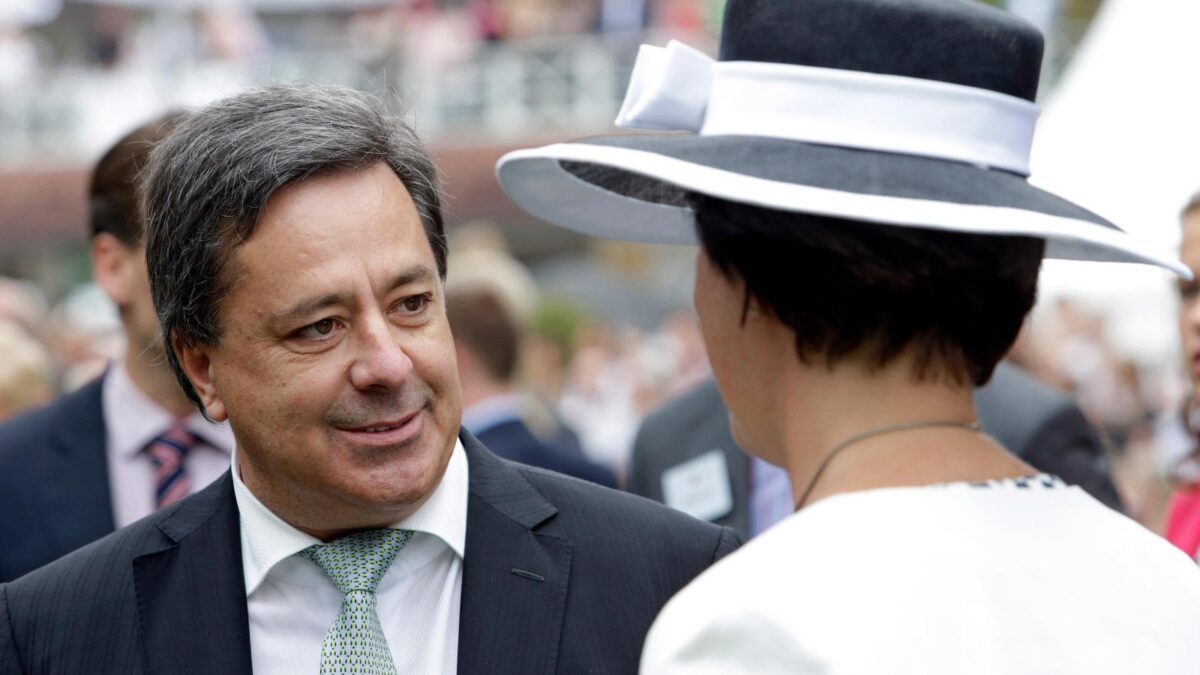
Former Steinhoff CEO Markus Jooste committed suicide because he ran out of money and did not want to face the humiliation of an arrest.
This is the view of Bernard Mostert, the former CEO of Tekkie Town, who had close dealings with Jooste during Steinhoff’s collapse.
In 2016, founder Braam van Huyssteen and Mostert sold a 59% controlling stake in Tekkie Town to Steinhoff International.
They received R1.85 billion in Steinhoff shares in return for the majority stake in their retail business.
Following the transaction, Mostert took on executive leadership roles within Steinhoff’s retail operations, including Steinhoff Africa Retail.
In December 2017, Jooste resigned abruptly as Steinhoff’s CEO amid revelations of large-scale, long-running accounting irregularities.
This was one of the biggest corporate scandals in history, and wiped out over 95% of Steinhoff’s market value.
This rendered the shares exchanged for Tekkie Town virtually worthless. Mostert resigned from his role within the Steinhoff stable in 2018.
During the Tekkie Town negotiations and his time at Steinhoff, Mostert worked closely with Jooste.
During a discussion at the 2026 Biznews Conference at the Champagne Sports Resort in the Drakensberg, he shared his views on Jooste.
“Markus came across as very arrogant and bombastic, but looking back now, I believe he was a hugely insecure person,” Mostert said.
“He never showed people a version of himself that they liked. He was a big people-pleaser who did things primarily to make others happy.”
“Along the way, as he became wealthy, I believe that wealth fueled his ego, creating what turned out to be a very dangerous cocktail.”
The reason Markus Jooste killed himself
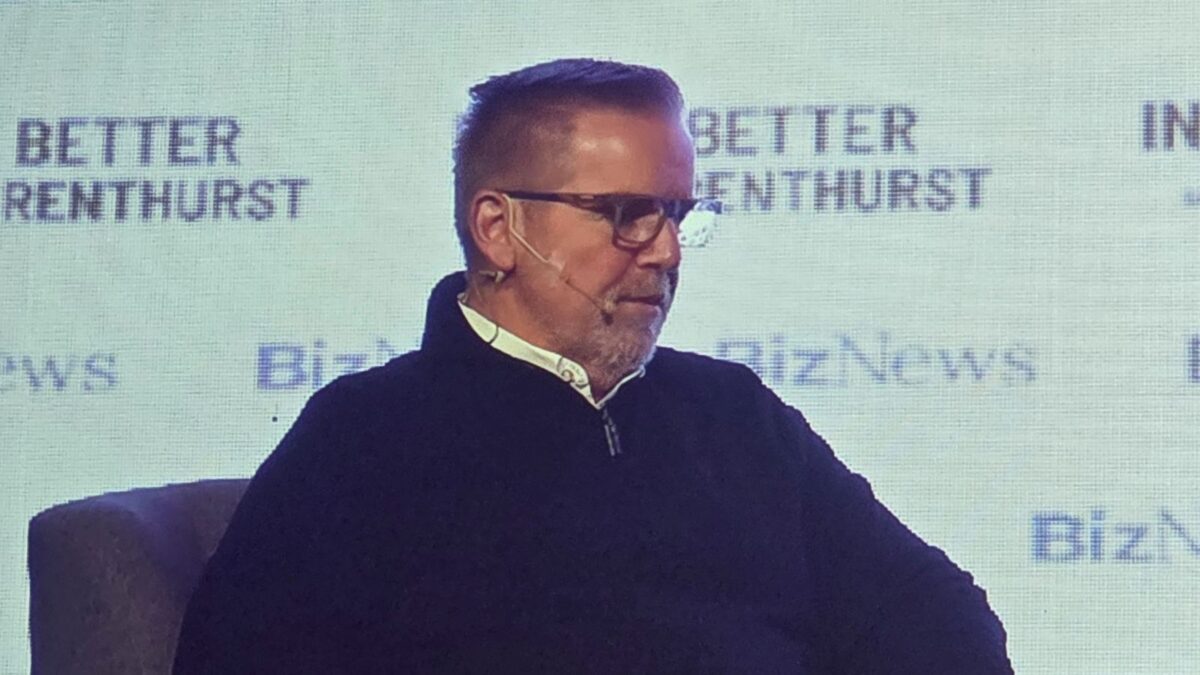
Mostert believed that Jooste committed suicide because he ran out of money and did not want to face the humiliation of an arrest.
He explained that in the mid-2000s, Jooste began buying PSG Group shares in his personal capacity and through his private investment vehicles.
Jooste accumulated a large stake in PSG Group, making him one of the company’s largest individual shareholders.
As Steinhoff sought to expand its domestic footprint and asset backing, a deal was structured between Steinhoff and PSG.
PSG Group transferred its block of Steinhoff shares, while Jooste’s investment vehicles transferred their PSG Group shares into Steinhoff.
“If Markus Jooste hadn’t moved those PSG shares, he would have had the means to defend himself for decades,” Mostert said.
“Had he not done the PSG deal, we could still be having this conversation about when Markus was going to be charged.”
He said that Jooste was successful in delaying prosecution. However, he had run out of money to defend himself.
“I am convinced that he committed suicide because he did not want to face the humiliation of an arrest the following day,” Mostert said.








 Loading ...
He fell on his sword – it was the honourable thing to do.
If only members of the BEE elite and ANC would do the same.
Fall on your sword or drive into a bridge. Die with honour.