
South African National Defence Force targets tuck shops and shebeens instead of gangs and criminal networks


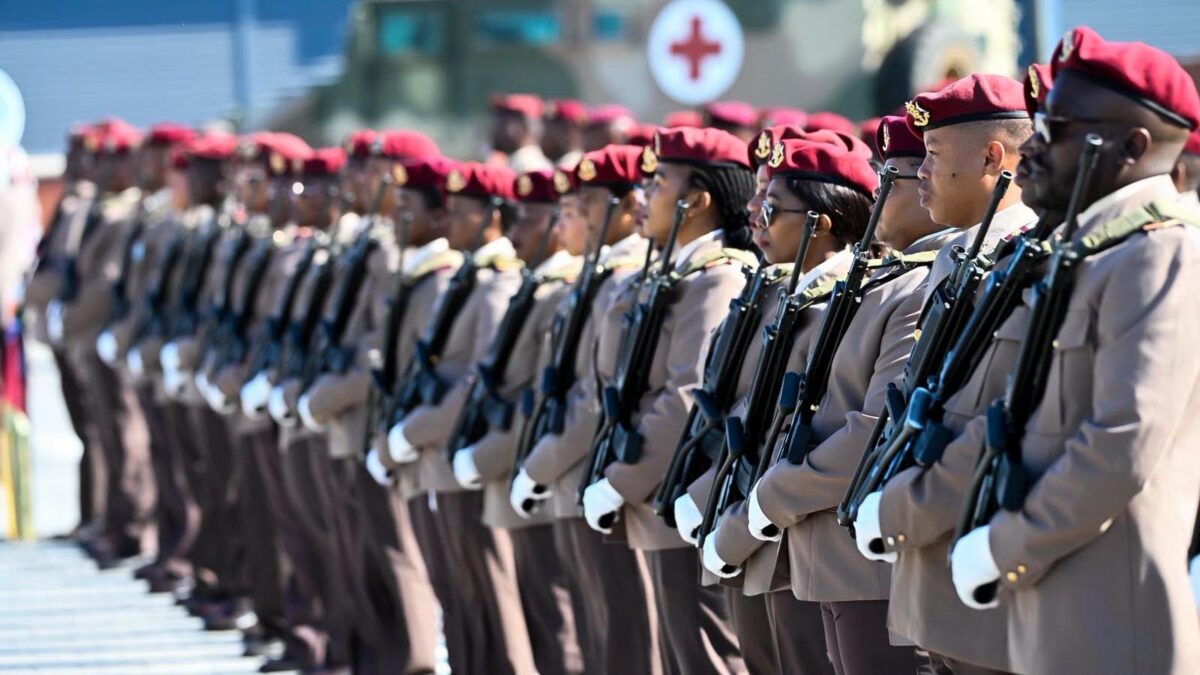
Oversight visits have exposed operational failures within Operation Prosper, which should target drugs, gangsters and organised criminal networks.
This was revealed by Dereleen James, an MP who was part of the Standing Committee on Defence and the Police Portfolio Committee’s oversight visit in the Western Cape.
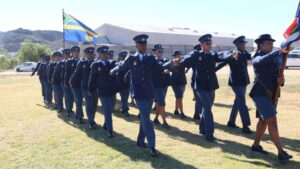
“During the oversight visit, South African National Defence Force (SANDF) members indicated that the focus of operations has been placed on tuck shops and shebeens,” she said.
This is a big difference from the operation’s intention to target drugs, gangsters and organised criminal networks.
Soldiers also complained about inadequate resources, vehicle delays, poor coordination and a lack of intelligence required to conduct effective operations.
Of particular concern are allegations that SANDF members are not being taken into areas where known criminals and gang members operate.
Soldiers further indicated that operations are often limited to stop-and-search activities, rather than targeted operations based on intelligence.
This means that Operation Prosper, which costs millions, will not disrupt organised criminal networks as intended.
James added that SANDF members faced victimisation when they spoke out about the challenges they face.
“This is unacceptable. Soldiers deployed to protect communities must be supported and able to raise operational concerns without fear of reprisal,” she said.
She added that Operation Prosper was intended to strengthen the fight against serious and organised crime.
Instead, the oversight visit has raised serious questions about whether the operation is being properly coordinated and whether the deployments are being used effectively.
Not a single gang dismantled

Acting Minister of Police Firoz Cachalia recently said that, despite deploying the SAPS and the SANDF to gang hotspots, no gang had been dismantled.
Lisa Schickerling, the DA’s Spokesperson on Police, said that Cachalia’s admission that not a single gang was dismantled after three months is troubling.
This is despite deploying the SAPS and the SANDF to gang hotspots on the Cape Flats and surrounding areas at an estimated cost of R823 million over 13 months.
Schickerling called for intelligence-led policing and specialist gang prosecutions that lead to measurable results of catching and convicting criminals.
“Communities were promised restored order, disrupted criminal networks and a visible reclaiming of the state’s authority,” she said.
“Instead, residents have seen continued shootings, escalating gang violence and little meaningful change in their daily lived reality.”
She said that Phase One of Operation Prosper may have provided limited visible policing and some temporary stabilisation. However, this is not enough.
“The facts show that it has failed in its central purpose of weakening organised criminal networks,” she said.
Minister Cachalia admitted in Parliament that no gang was dismantled during the first phase of the operation.
“This is a damning indictment of an intervention that was sold to the public as a serious anti-gang response,” she said.
Schickerling said strong crime intelligence, capable detectives and coordinated prosecutors are needed to fight the gangs.
“Without these components, criminal syndicates simply regroup and continue terrorising communities,” she said.
Police Minister said they are making progress

The Police Minister denied that the impact had been limited. He told Parliament that there has been progress.
“For the period 1 April 2026 to 24 May 2026, a total of 672 arrests were effected in the Western Cape in connection with offences,” he said.
These offences included murder, assault, possession of illegal firearms, possession of illegal ammunition, possession of drugs and other crimes.
“In addition, firearms, explosives, ammunition and illicit narcotics were recovered during operational activities,” he said.
The SAPS acknowledged ongoing community concerns regarding gang-related violence and localised flare-ups.
However, he said the available operational results do not support the assertion that the intervention has had no impact.
“In addition to arrests and confiscations, operational assessments indicate that the deployment has contributed to reductions in violent crime,” he said.



 Loading ...
Every Government department controlled by the archcriminal ANC is criminal itself. Including SAPS and SANDF. How can you then send criminals to catch other criminals? Ultimately, they will join forces and commit more crimes.