
The ANC is collapsing


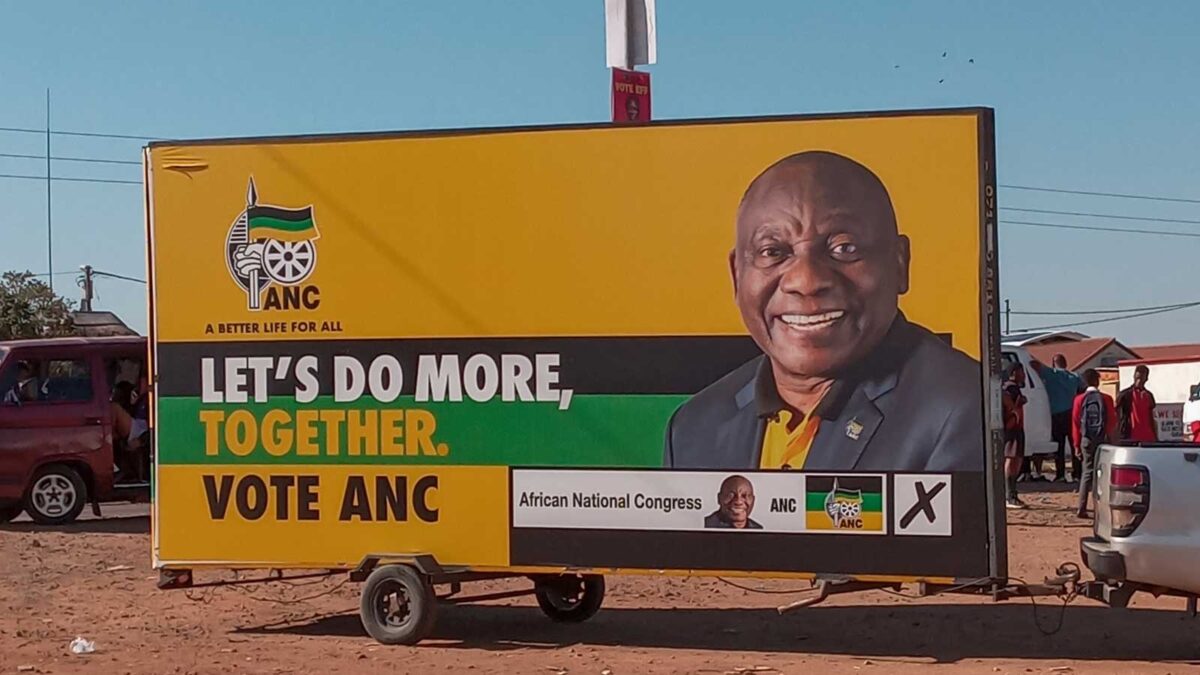
The ANC, South Africa’s dominant political party since 1994, is steadily losing ground, as voter confidence and projected poll attendance plummets to historic lows.
In a recent interview on the State of the Nation podcast, Gabriel Makin, SRF CEO and Host of THE COMMON SENSE, discussed the findings of the recent polling data from the Social Research Foundation.
The report revealed that the ANC’s national support has dropped to 34%, the second-lowest national poll result the party has ever received, following its lowest in February 2025 at 32%.
Makin noted that the poll was taken at the height of concerns about a proposed VAT increase, which may have skewed the figures and led to an unusually low score.
Additionally, opposition parties saw a rise in national support, with the Democratic Alliance hitting 27% and uMkhonto weSizwe (MK) securing 15% of the voter share.
During the podcast, Makin has attributed this fall in national support to several factors, including the declining popularity of President Cyril Ramaphosa.
President Ramaphosa has seen a massive loss in support, dropping from 60% favourability to only 33% with the latest poll.
A major contributor to this is the public perception of his guilt in the Phala Phala scandal, which involved the theft of foreign currency from the President’s game farm and allegations of a subsequent cover-up.
“Phala Phala is the final nail in the coffin of the idea that Cyril Ramaphosa is not corrupt in the way that the rest of the ANC is,” said Makin.
Along with the President’s decline in support, the growing anti-immigrant sentiment in the South African public has also added to the problem, with many blaming the ANC for the problems.
However, one of the major concerns for the ANC is the silent threat of Differential Turnout, where, rather than shift their vote, ANC supporters don’t go to the polls at all.
Policy discontent and voter apathy
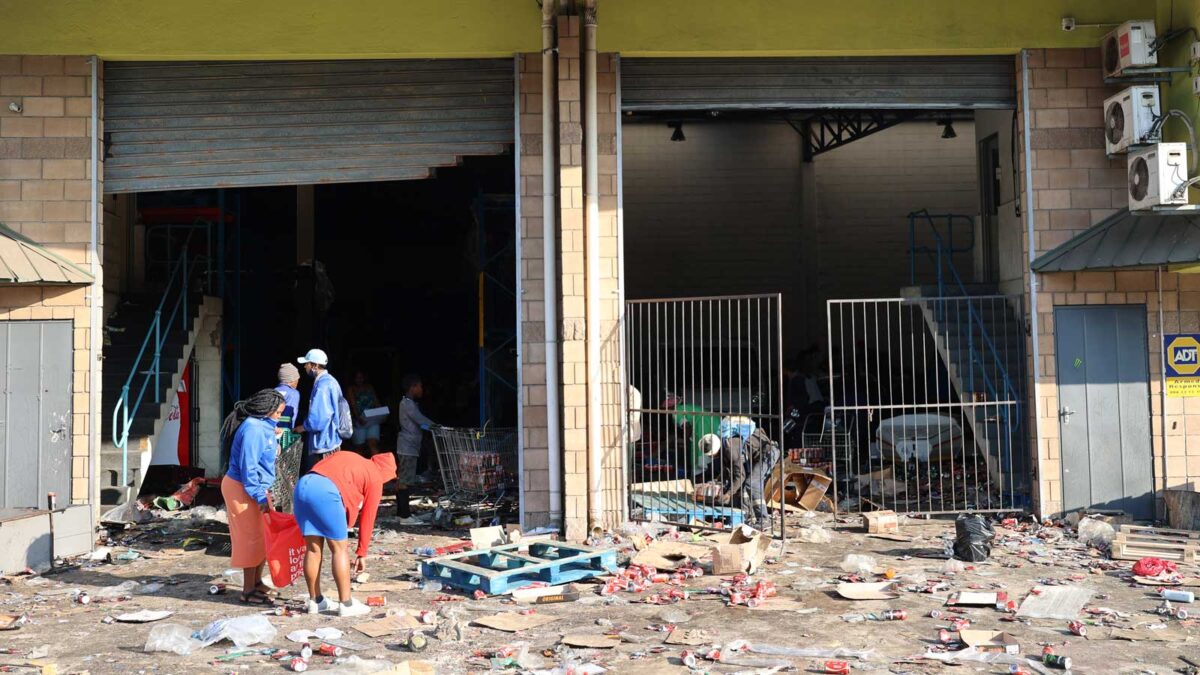
ANC supporters do not like or support ANC policies, with the poll finding that over 60% generally don’t agree with the party’s policies.
This has then fed into the growing problem of Differential Turnout, with Makin noting that the gain in support for opposition parties is directly linked to ANC voters refusing to go to the polls.
“The trend for ANC voters is that they don’t go to the polls; most stay at home,” said Makin.
He added that this has aided the DA in the long term, with the opposition party gaining a greater share of the total vote thanks to the ANC’s diminished turnout.
“If it’s a very low turnout, that is always to the favour of the DA and not the ANC, as it’s probably going to be ANC voters who don’t turnout for the election.”
This trend is most noticeable in Johannesburg, where the poll found only 18% of voters supported the ANC, while more than double that, at 42%, supported the DA.
The failing state of the metro’s infrastructure due to severe mismanagement has been an instrumental factor in this divide.
“The ANC has governed Johannesburg as badly as you possibly could, and this is what happens; this 18% in the city is what you get,” said Makin.
These results come ahead of the 2026 South African municipal elections, which will be held on 4 November, and paint a grim picture for the ANC’s potential performance.





 Loading ...
I do not think South Africa can be fixed in present circumstances. Even if a good, capable and constructive party would win elections outright ( no chance of that ) the destructive element of the ANC, EFF and MKP would ensure through sheer sabotage that the decline into total chaos would continue. Destruction and corruption is all they are capable off.