
A new era for petrol stations in South Africa


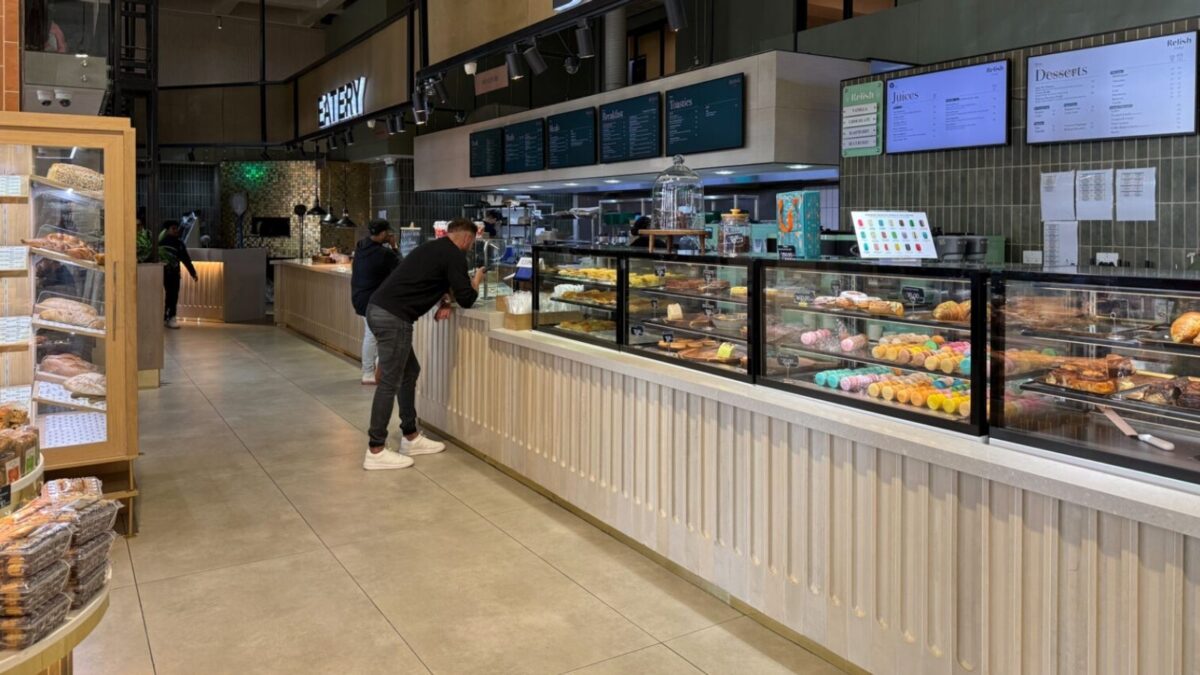
For decades, petrol stations in South Africa were built around the single purpose of selling fuel to motorists.
However, this is changing due to shifts in consumer behaviour, and two businesses have proved that turning petrol stations into a consumer experience can be highly successful in South Africa.
In the early days of service stations in South Africa, motorists stopped to fill their tanks while attendants checked oil, water, and tyres, and washed windscreens.
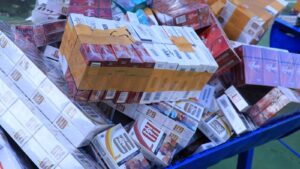
Retail options were limited to small counters selling items such as motor oil, fan belts, maps, cigarettes and cold drinks.
That model began changing in the 1980s as fuel companies faced increasing margin pressure and recognised that the time motorists spent at filling stations presented another business opportunity.
Small convenience stores appeared, selling essentials such as bread, milk, snacks and beverages, and the concept expanded rapidly.
Shell introduced Ultra Cities on major routes, while Engen developed 1-Stops, combining fuel with larger retail and takeaway fast-food options.
Major brands subsequently launched convenience formats, including Engen Quickshop, Shell Select, Caltex Star Mart and BP Express.
Today, the South African forecourt industry is entering a new era, with fuel itself becoming less central to the business.
Karen Keylock, National Retail Franchising Manager at Nedbank Commercial Banking, said the sector is not in decline but has to evolve with changes in consumer behaviour and mobility.
“The real question facing the industry is no longer whether it has a future, but whether it can adapt fast enough to secure it,” she said.
Working from home, household financial pressures, e-hailing, online delivery, cheaper domestic flights, and the gradual adoption of electric vehicles are all putting pressure on fuel demand.
“While fuel’s dominance as a profit driver is declining, these trends are unlocking new opportunities for value creation and diversification,” said Keylock.
Reggie Sibiya, CEO of the Fuel Retailers Association, said fuel margins had become so thin that retailers were increasingly dependent on their stores and other services.
“Margins are now so thin that fuel is increasingly becoming a loss leader, meaning retailers make almost no profit on fuel itself,” he said.
A shopping mall with pumps
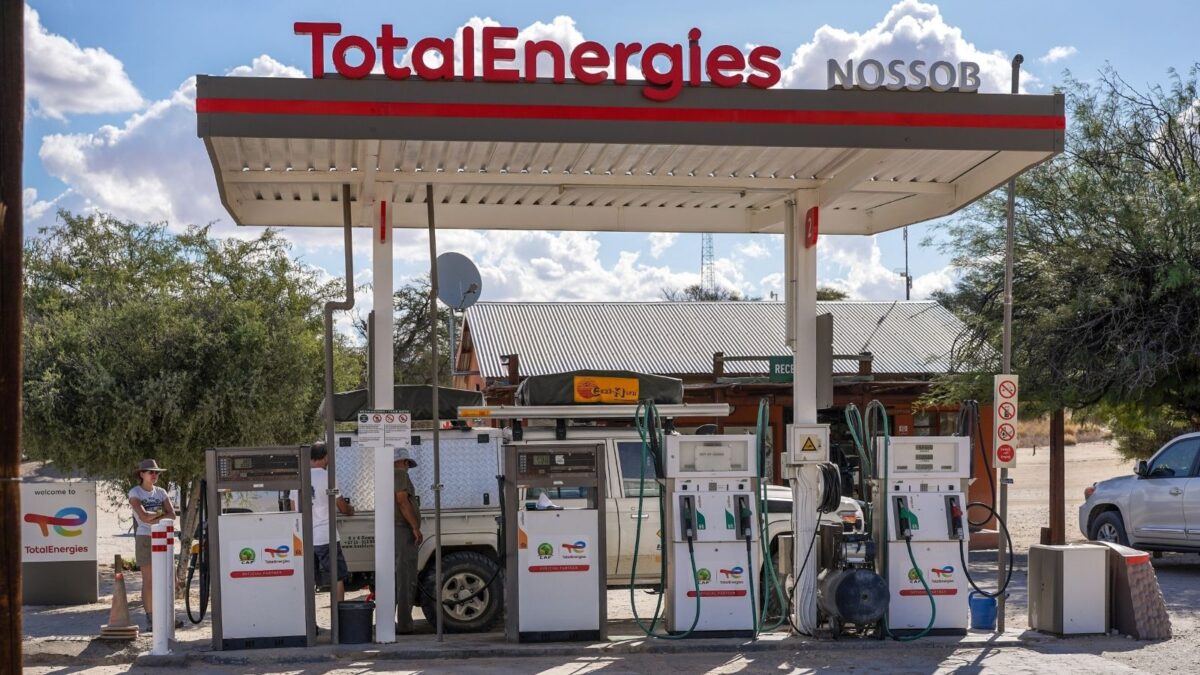
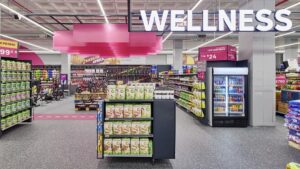
This is driving a broader shift towards forecourts becoming retail and lifestyle destinations rather than simple refuelling points.
This was also highlighted at the latest Fuel Retailers Association and the Association for Convenience & Fuel Retailing Convenience (NACS) leaders’ exchange held in May 2026.
Representatives from Puma Energy, Sasol and BP Southern Africa said customers increasingly view service stations as places for food, banking, ATMs, pharmacies and other services.
“The future of forecourts is the shopping mall with pumps,” they said. However, the opportunity is not just to add as many products as possible.
Keylock said retailers need to understand their customers and create a carefully selected mix of products and services.
International research from the National Association of Convenience Stores has highlighted categories such as coffee, fresh food and premium convenience products as important drivers of forecourt profitability.
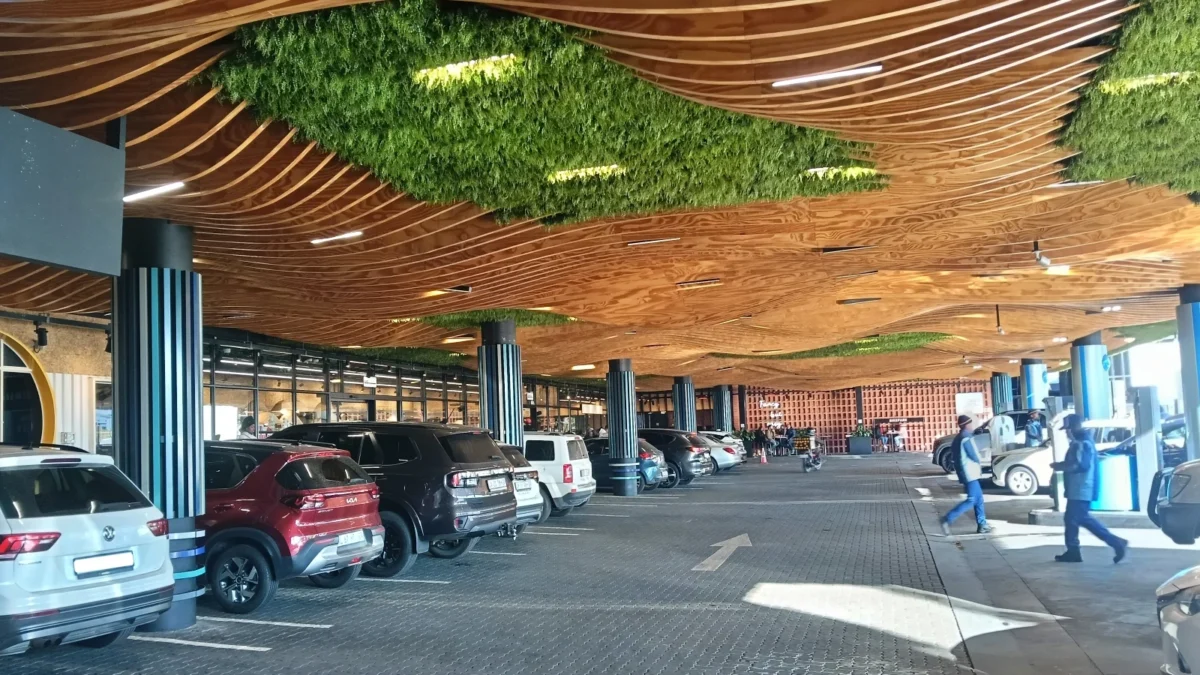
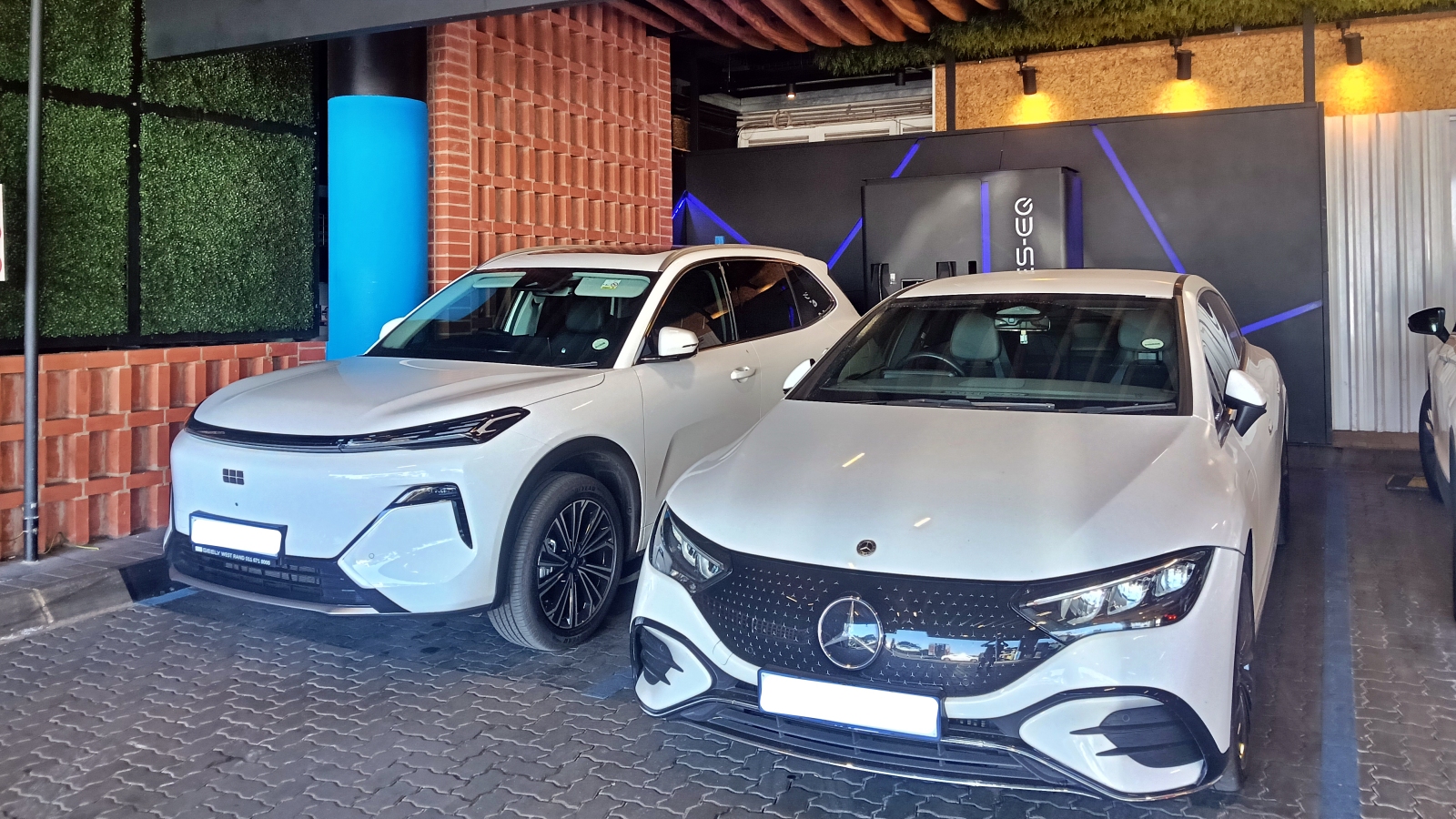
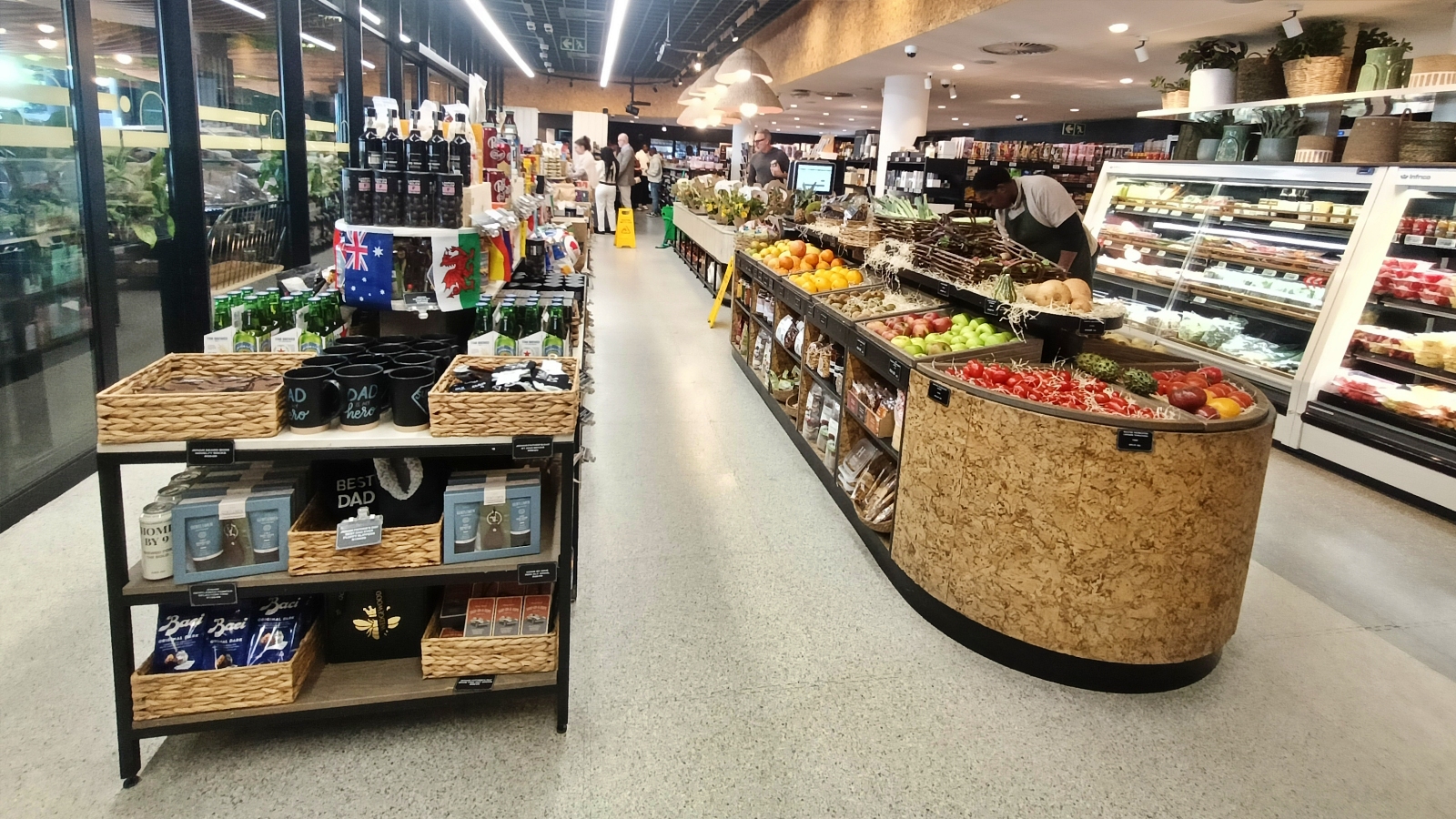
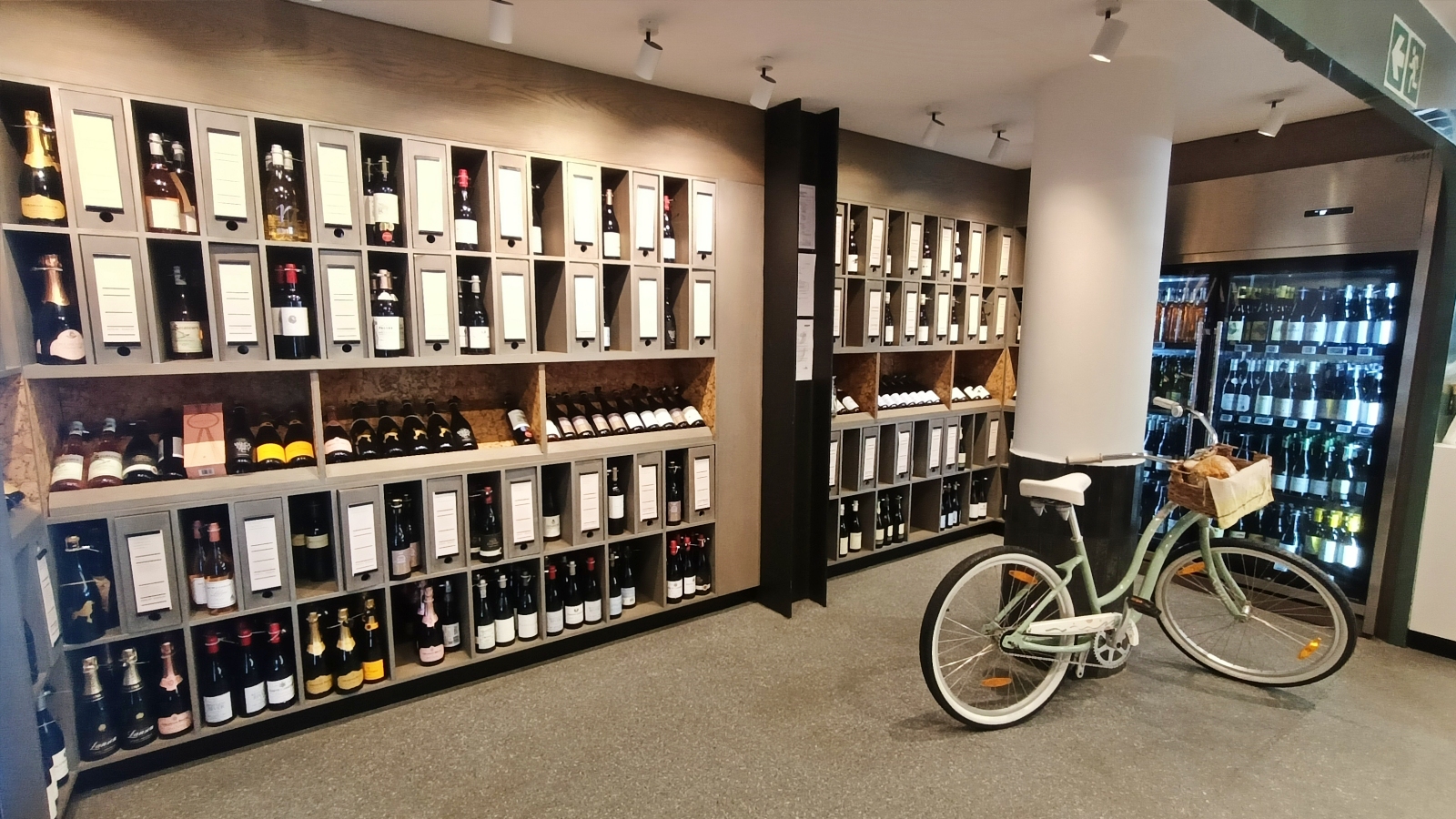
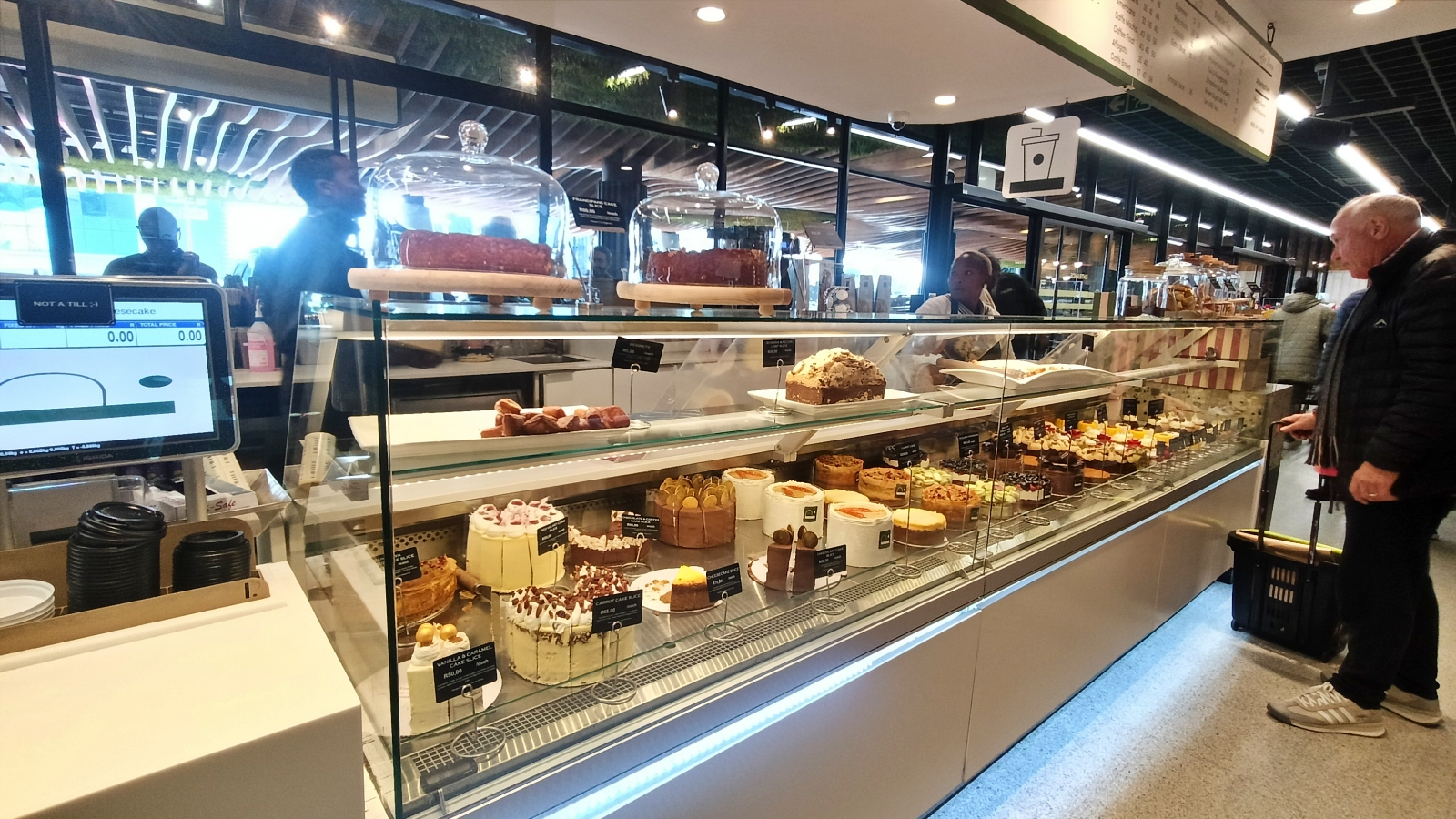
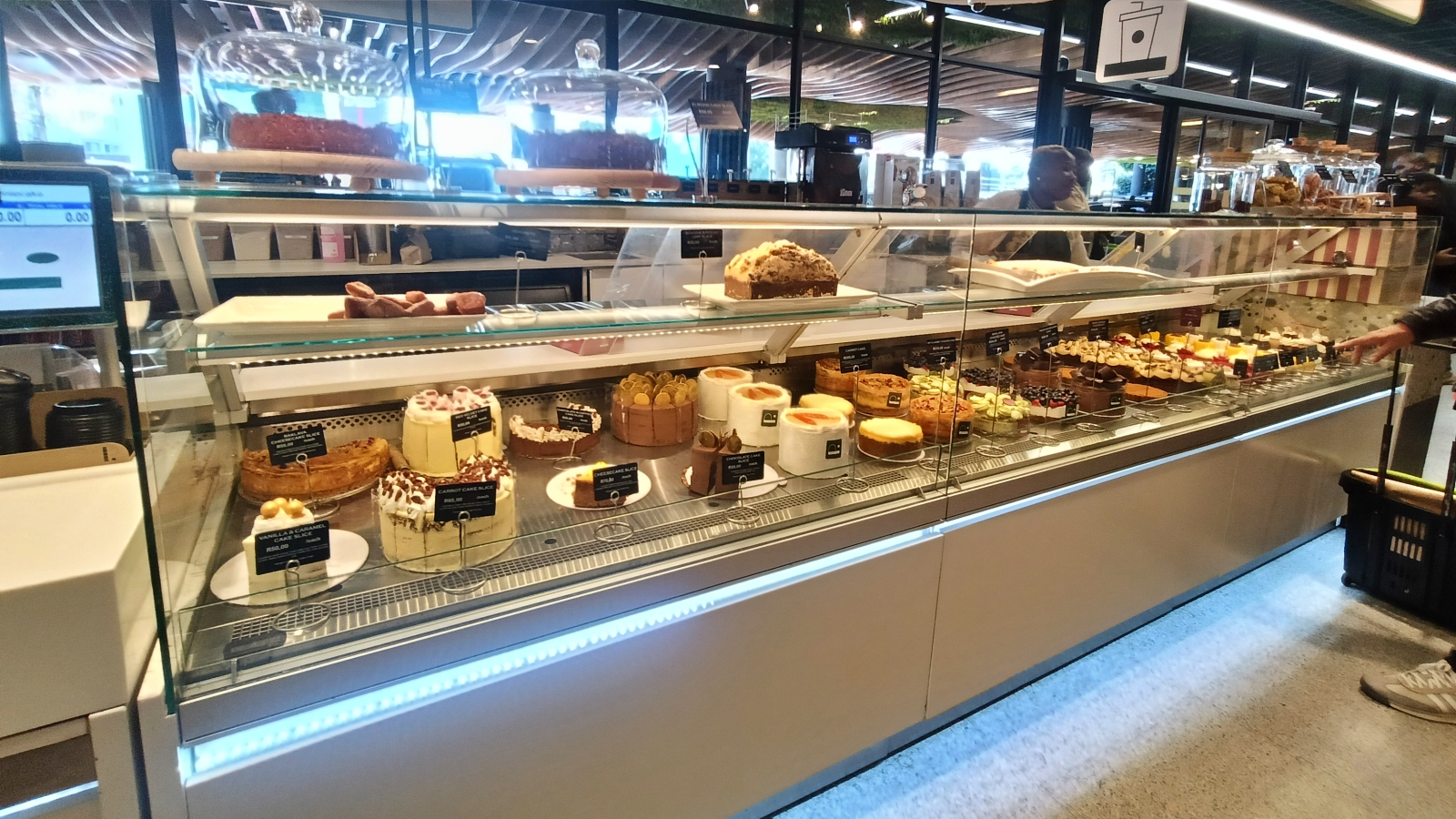
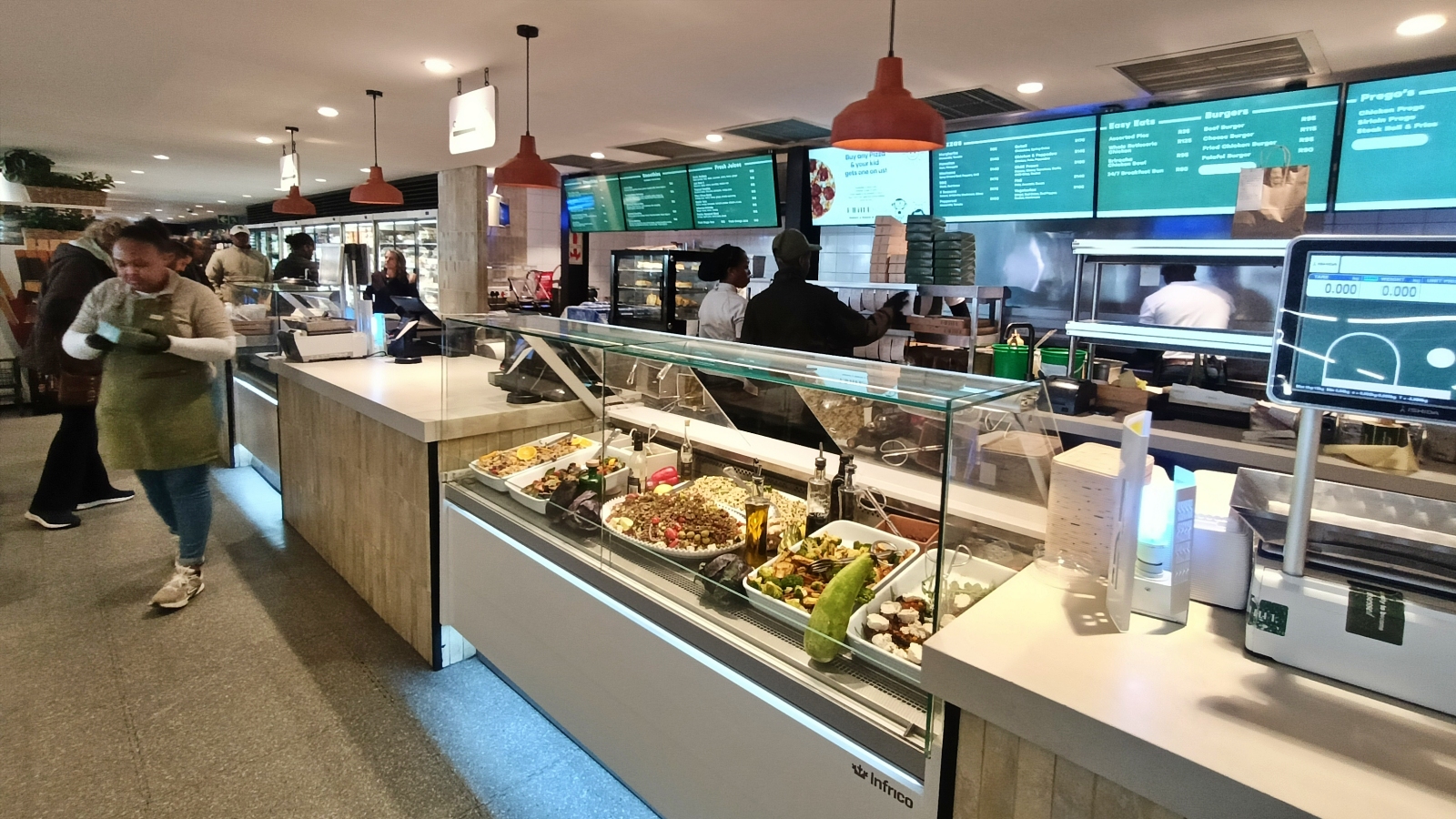
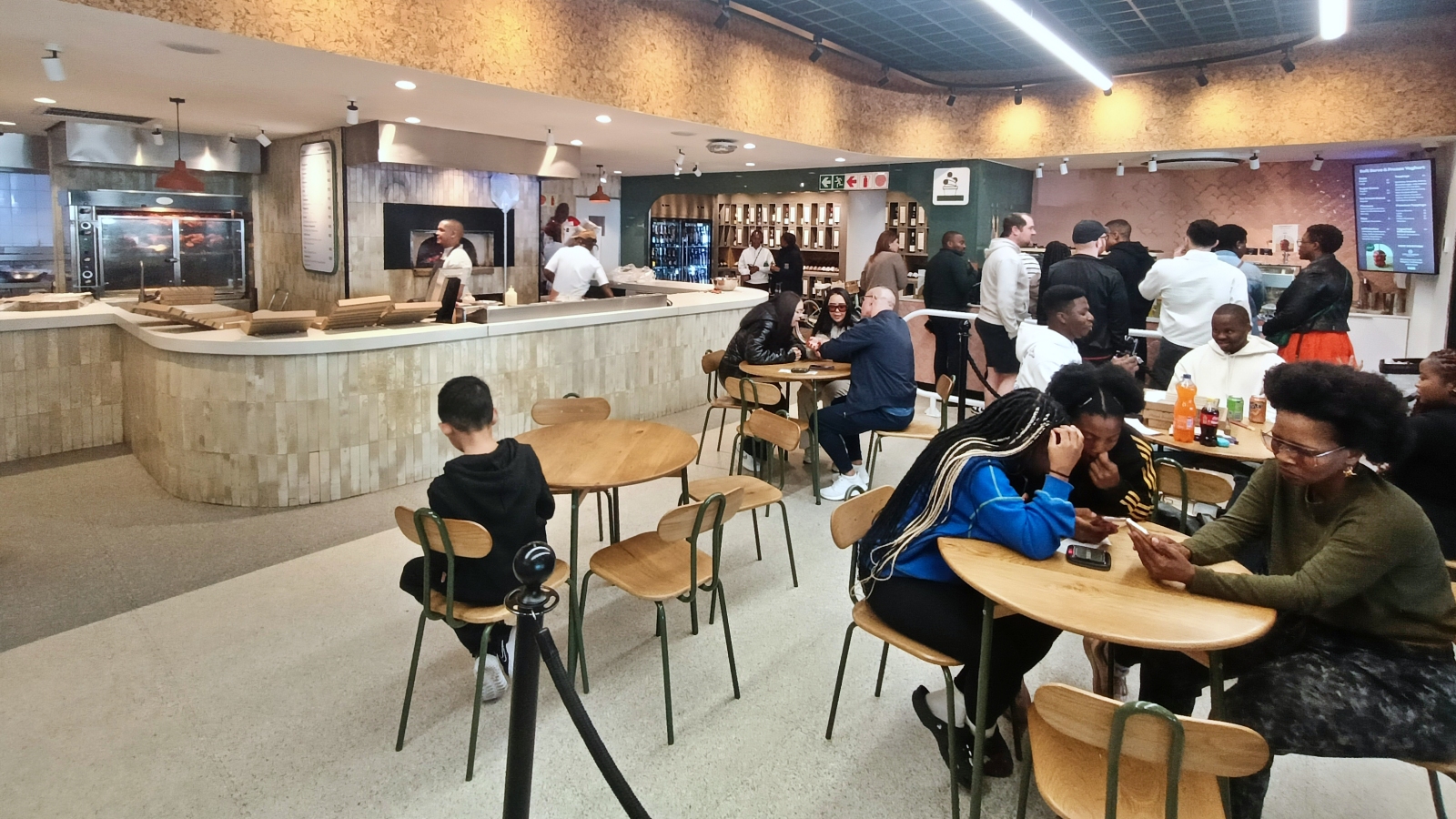
South Africa already has examples of how far this model can go. The Pantry, developed by Marble Hospitality Group, opened beneath the Marble restaurant in Rosebank, Johannesburg, in 2022 and is attached to a Sasol service station.
The concept combines fuel, grocery shopping and restaurant-quality food. Its premises include seating areas, greenery and outdoor spaces.
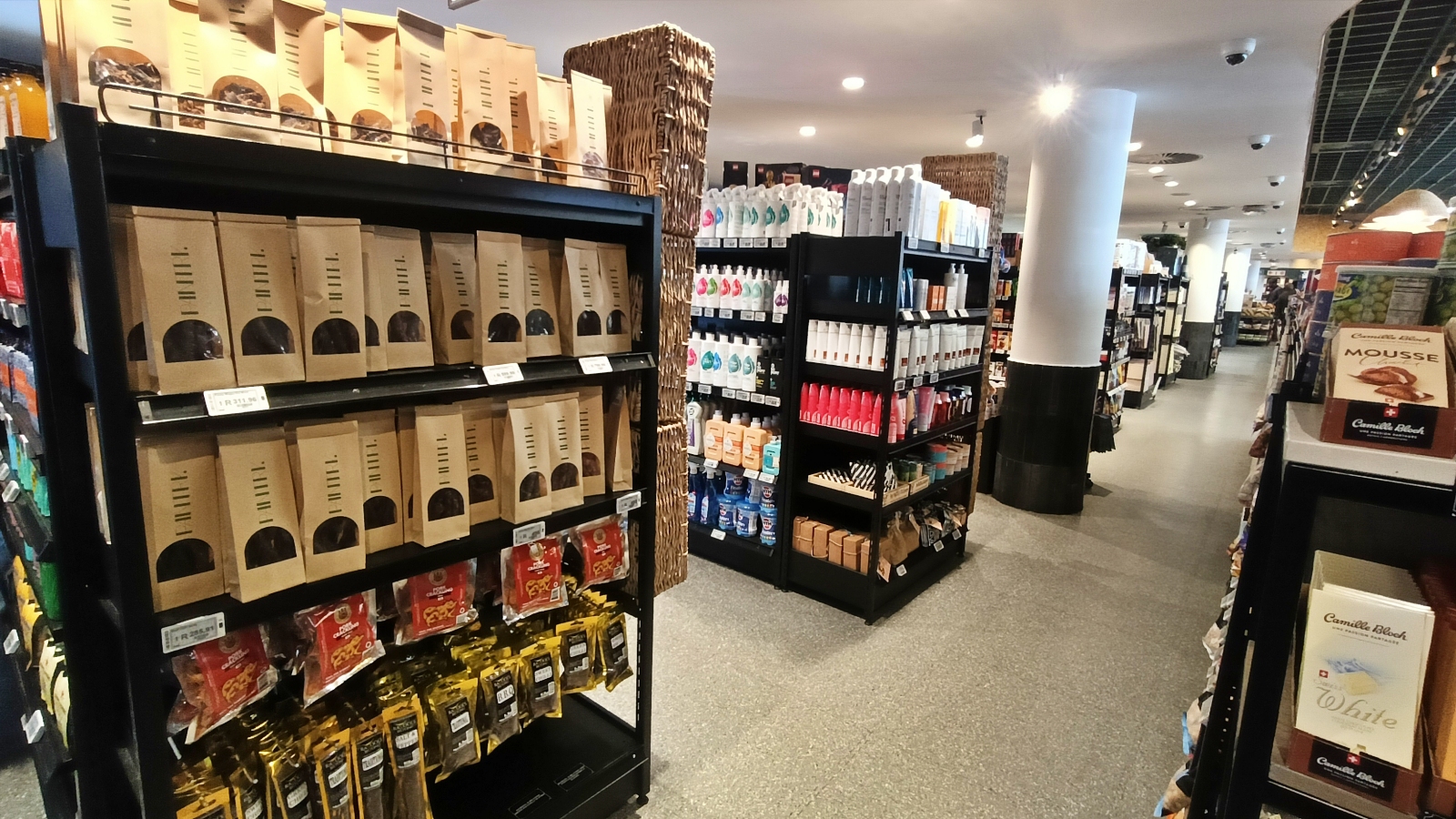
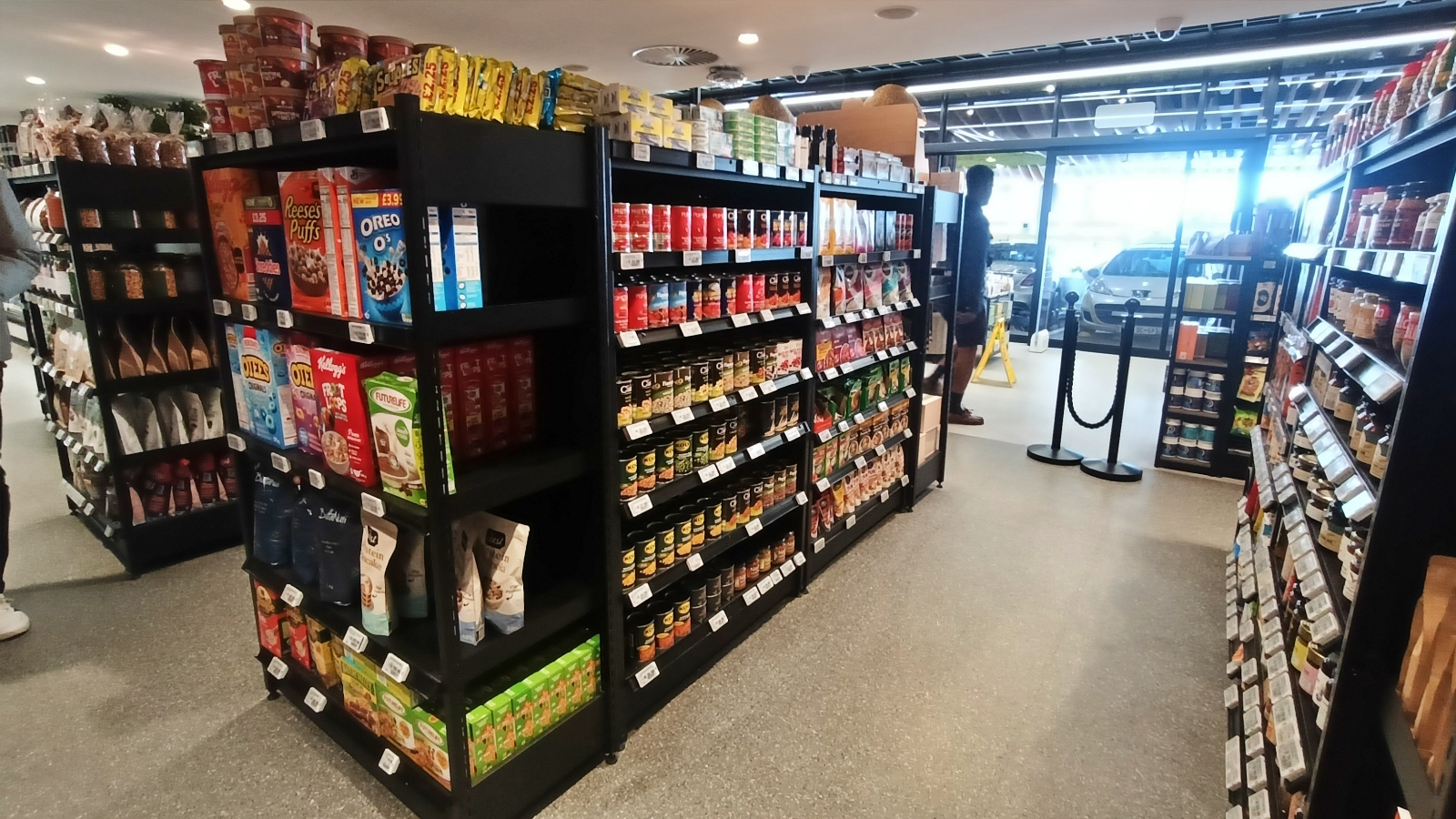
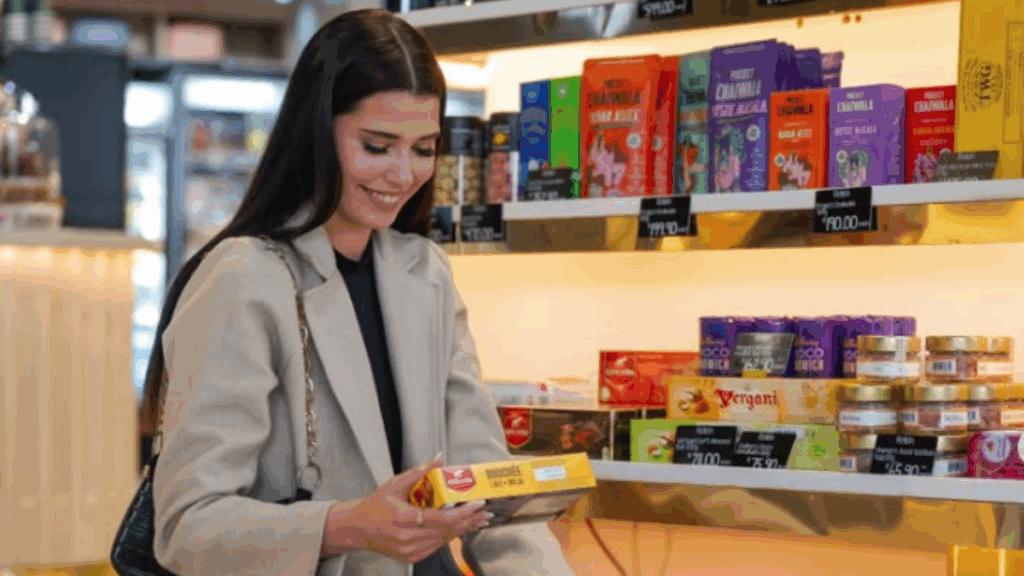
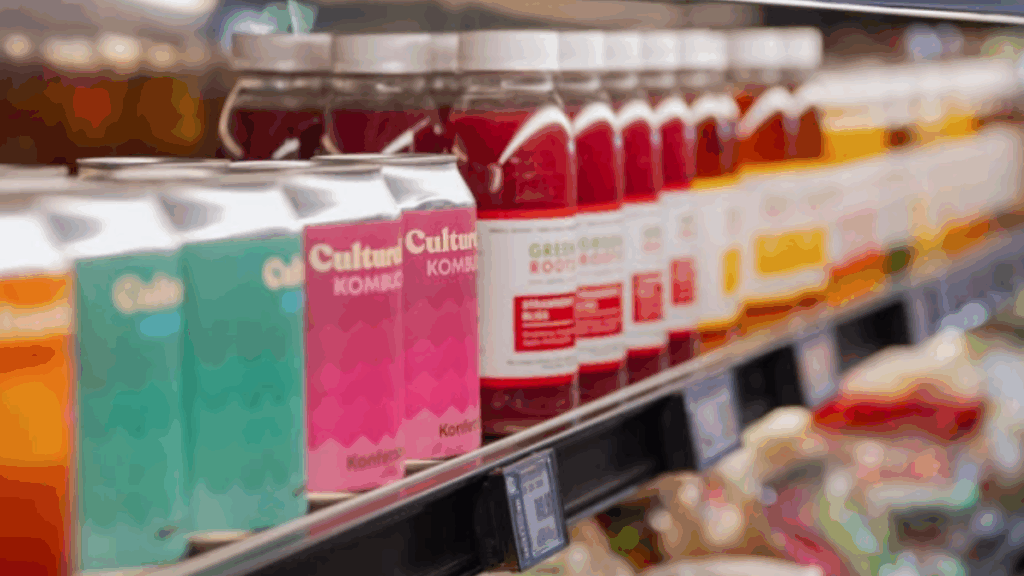
Its store stocks fresh produce, meat, frozen food, toiletries, imported products and premium items, and has consequently become a destination for residents, diners, and motorists.
The success of the Rosebank operation has encouraged further expansion. A permanent branch opened in Hazelwood, Pretoria, followed by a third location in Bassonia, south of Johannesburg, at the newly developed Omni Square Shopping Centre.
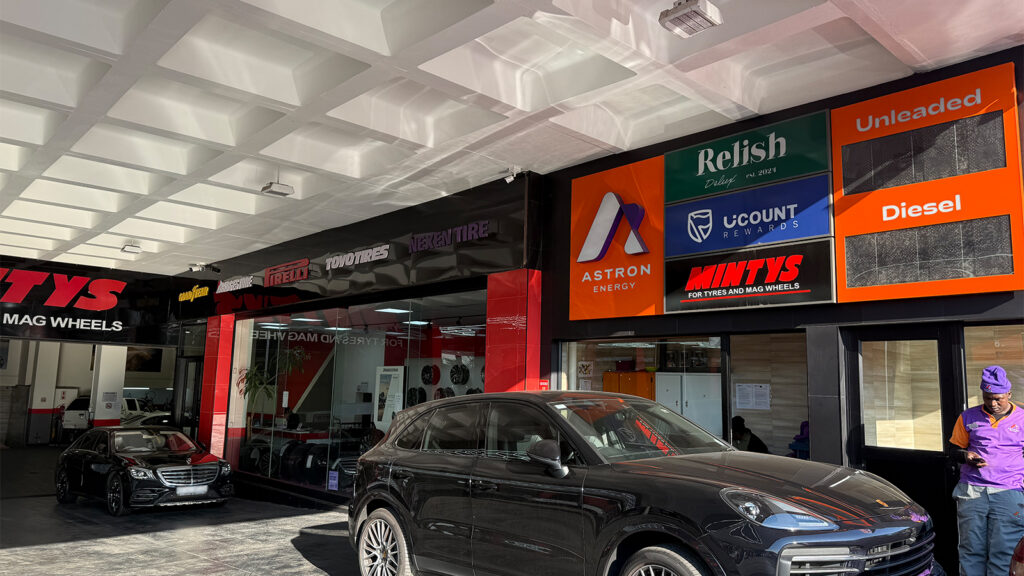
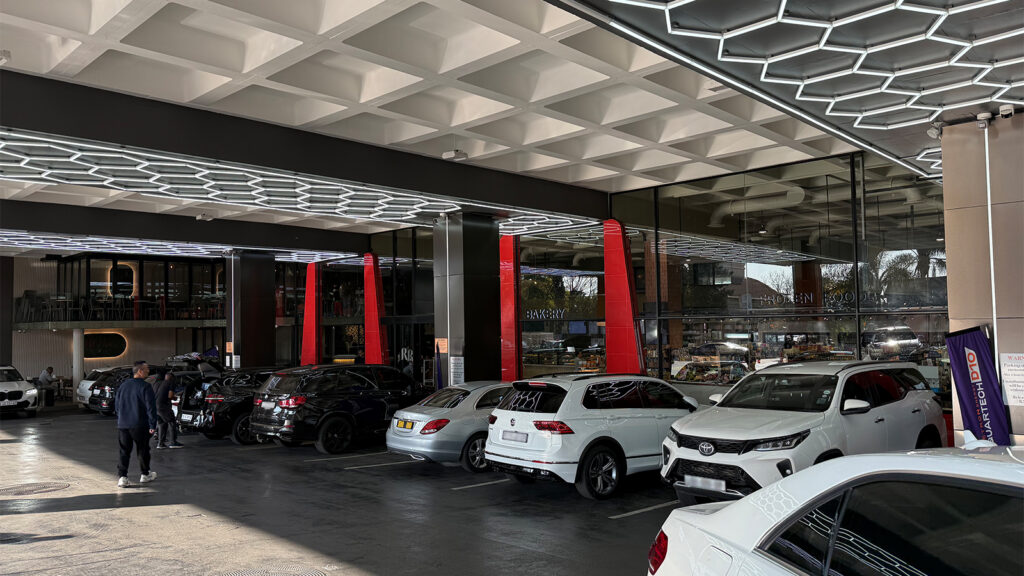
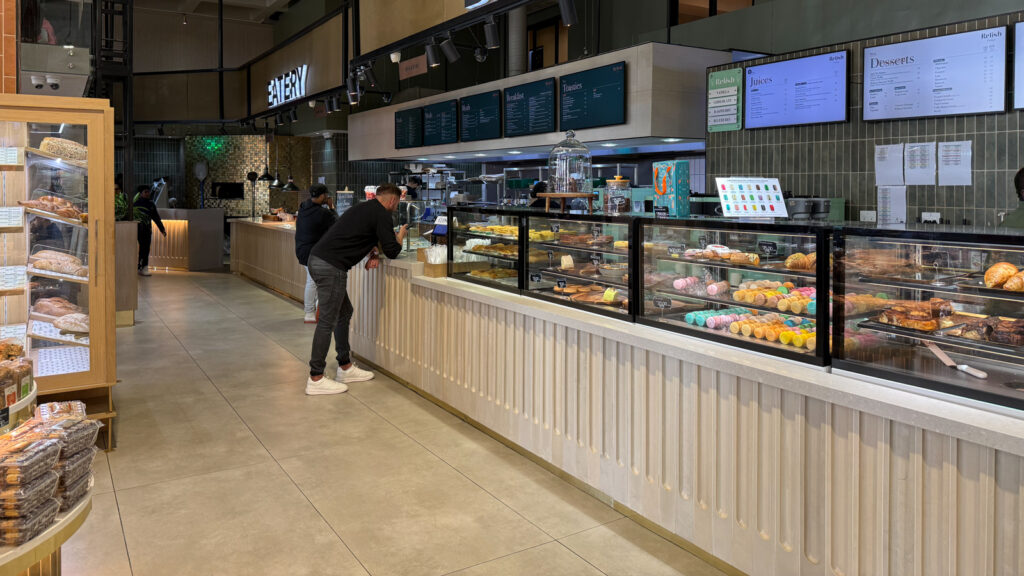
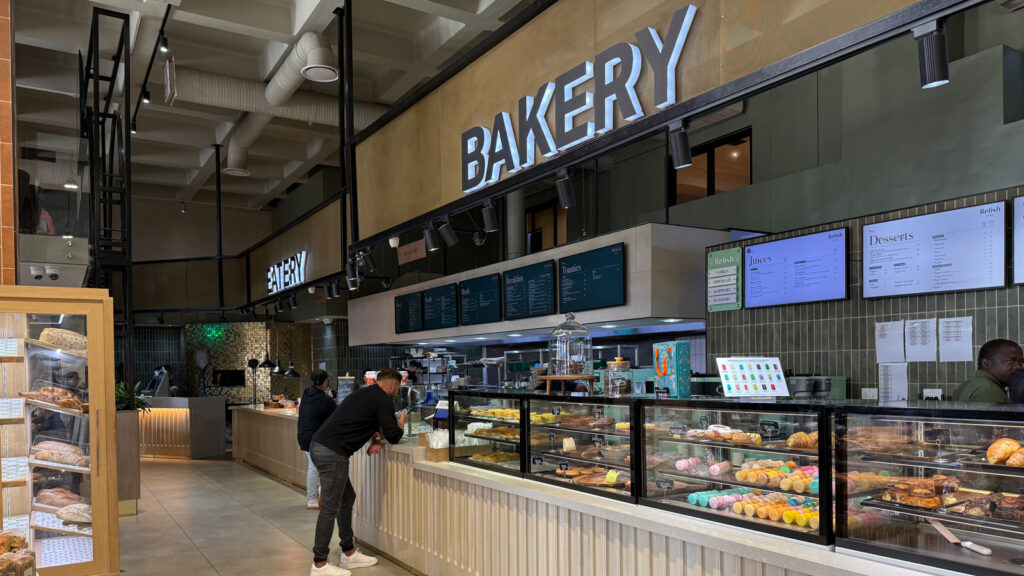
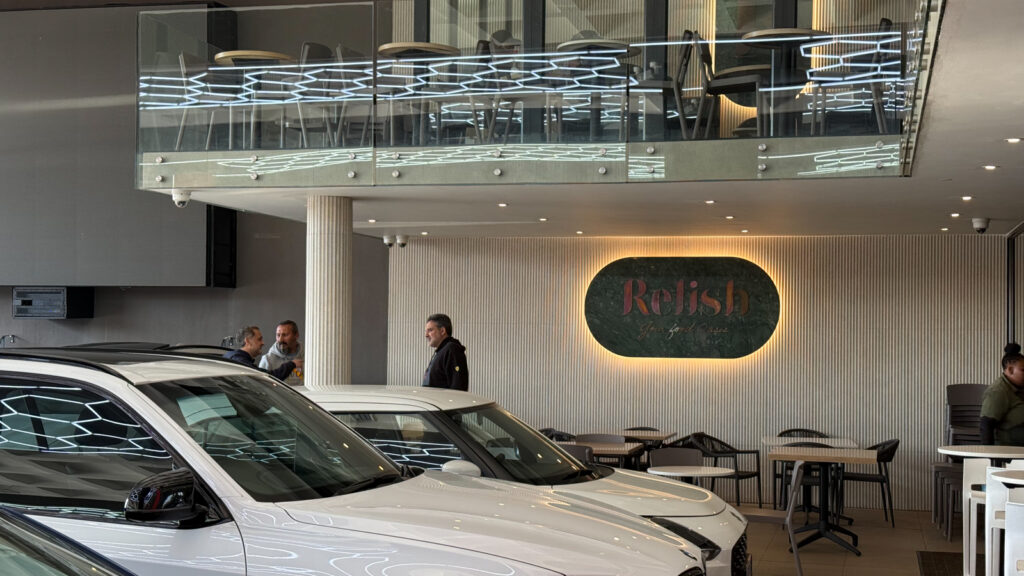
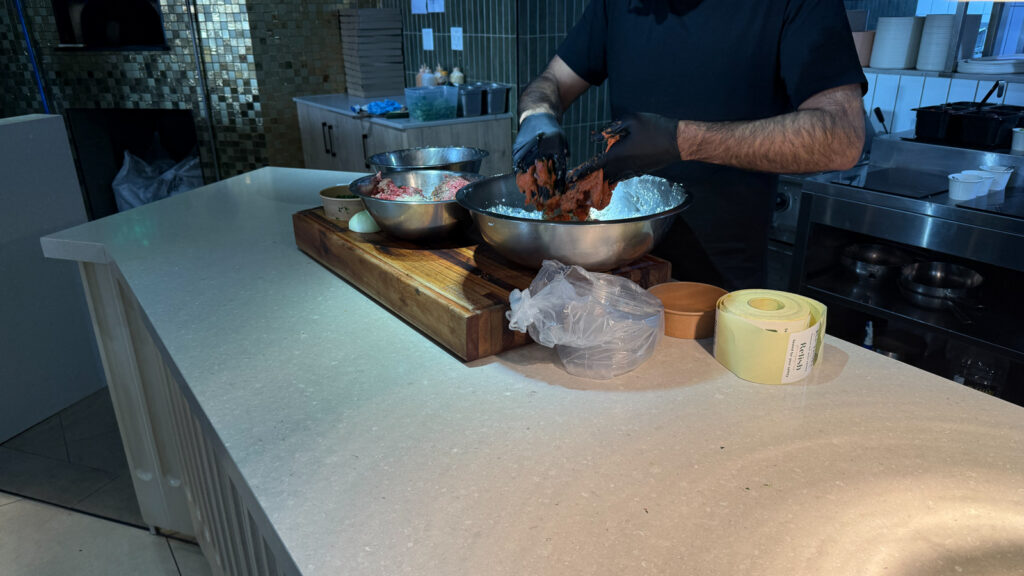
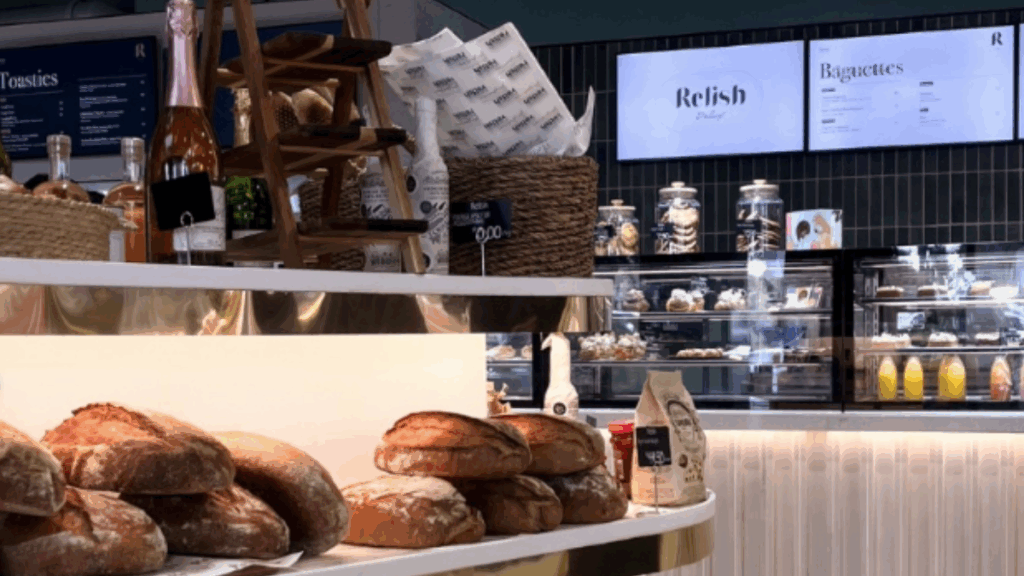
A similar approach has been taken by Relish Delux, which opened in April 2025 on Jan Smuts Avenue in Johannesburg.
Created by executive chef Muhammad Patel, the 24-hour halaal convenience store is attached to an Astron Energy station.
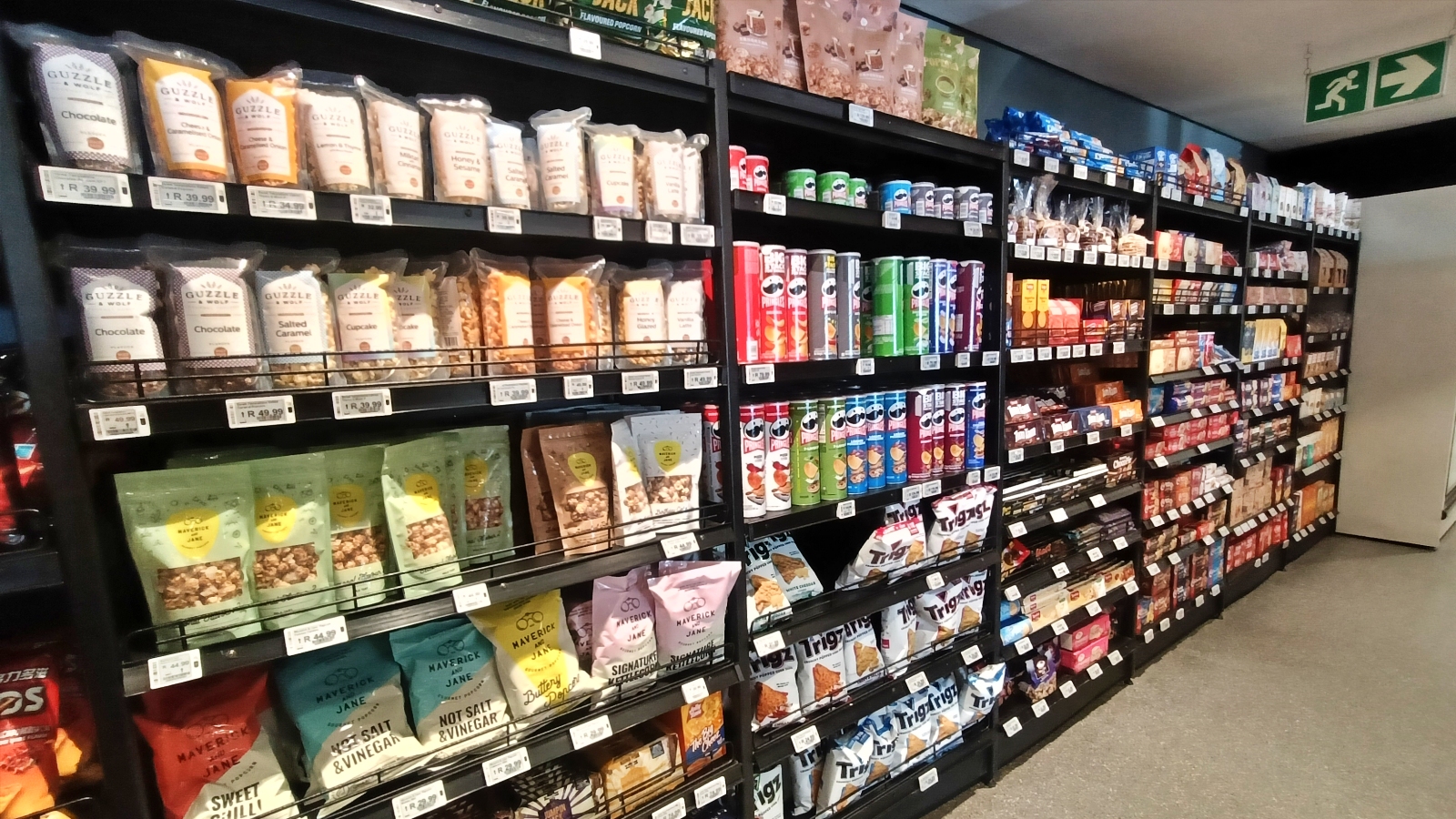
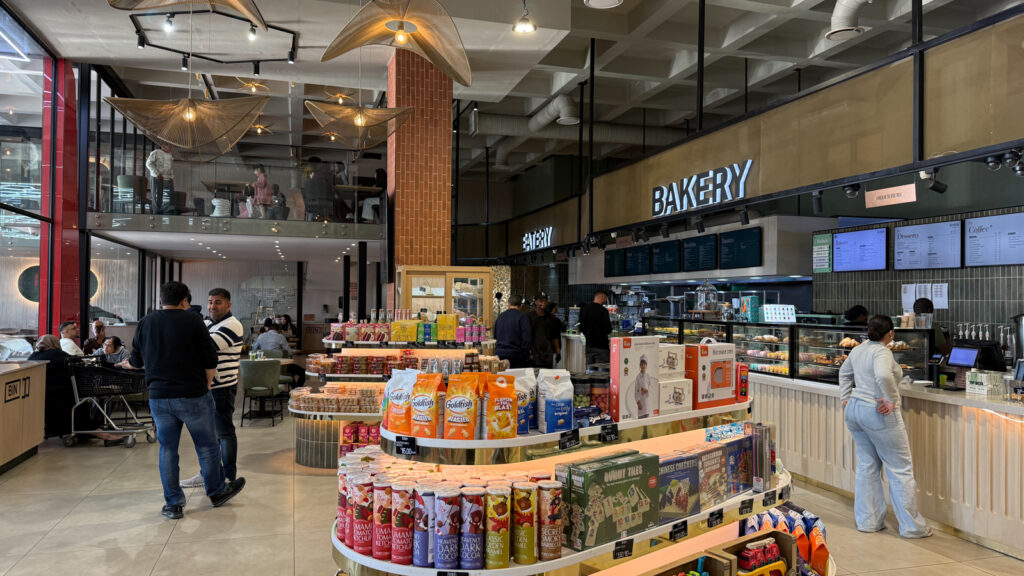
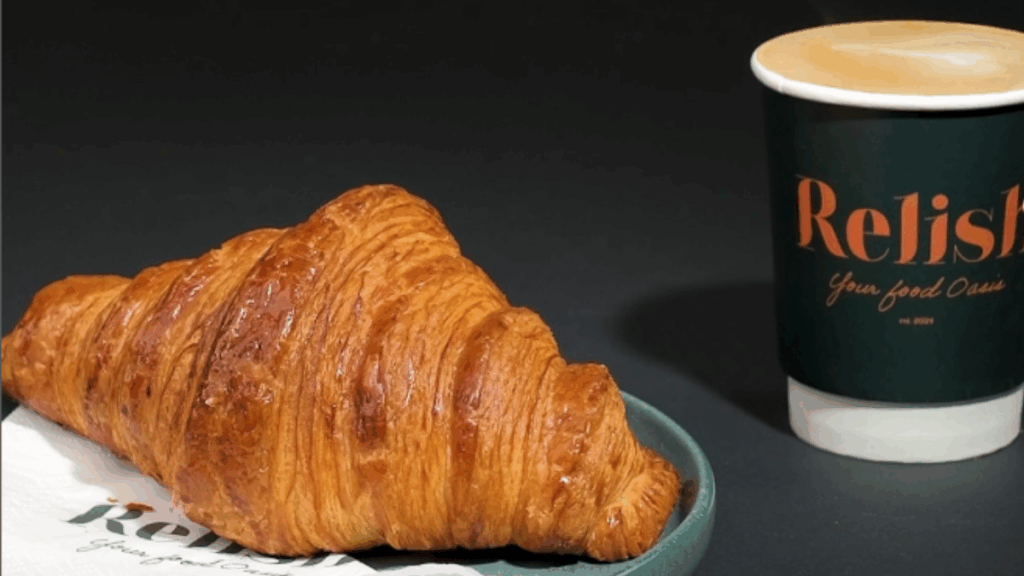
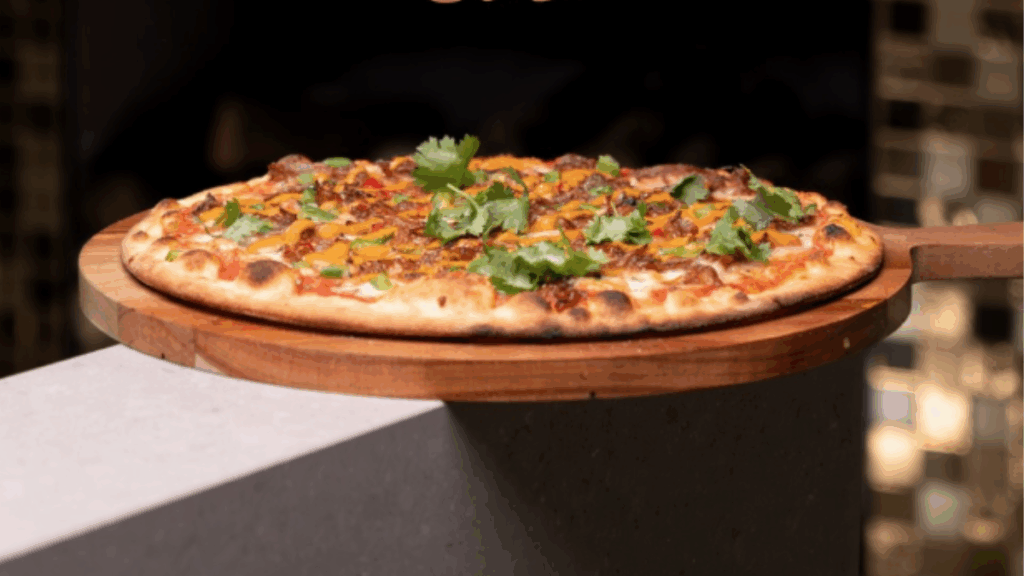
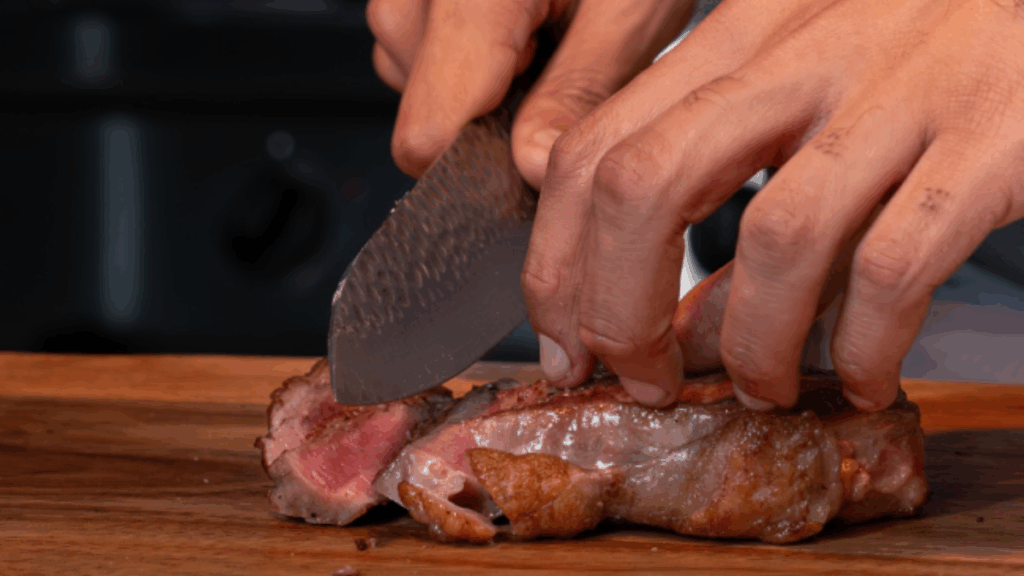
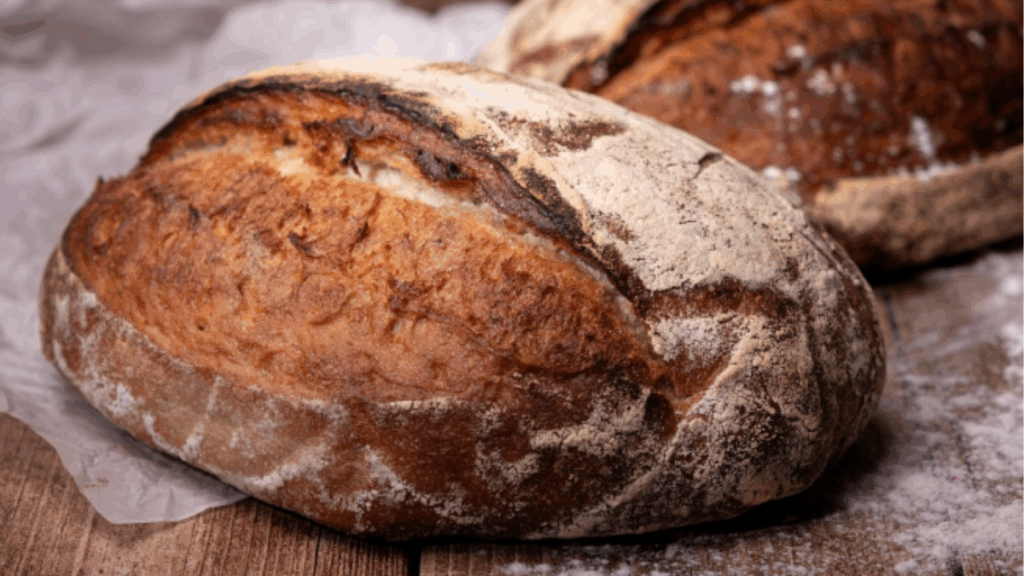
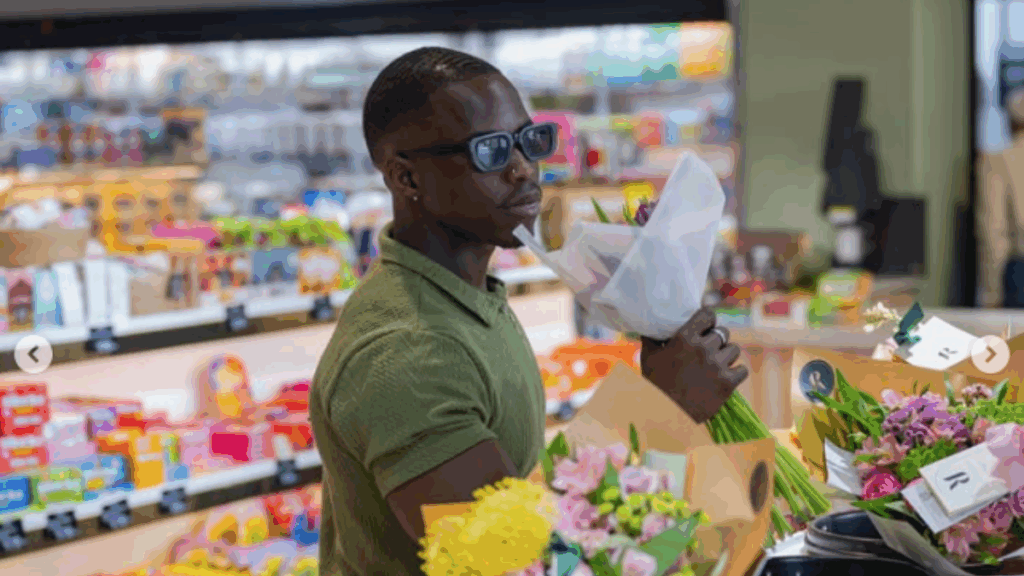
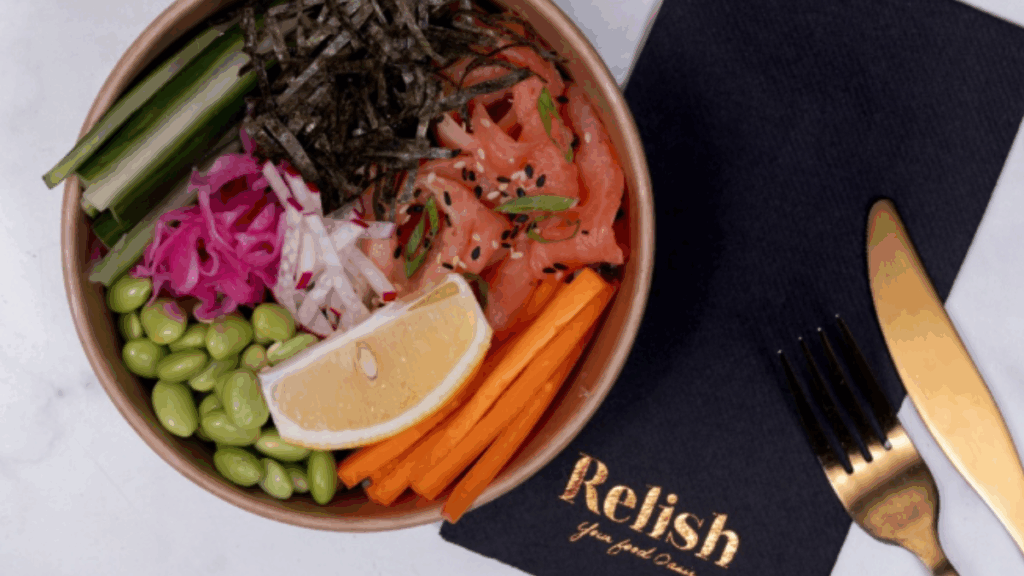
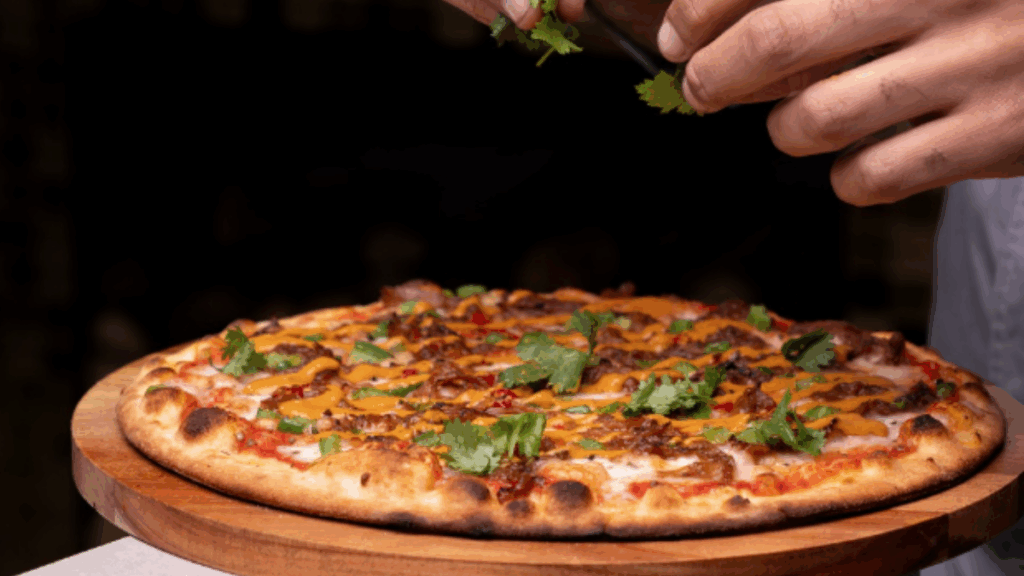
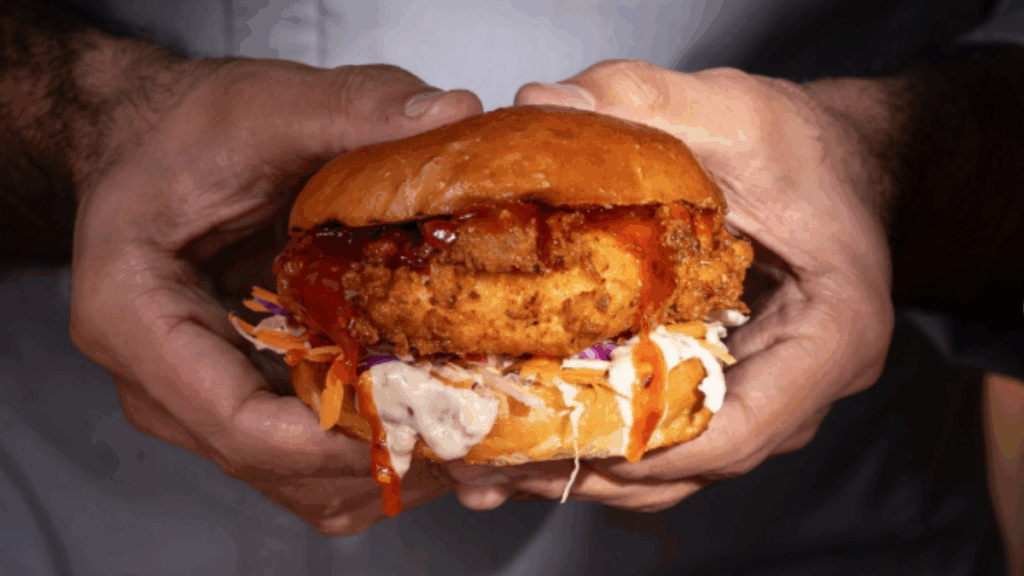
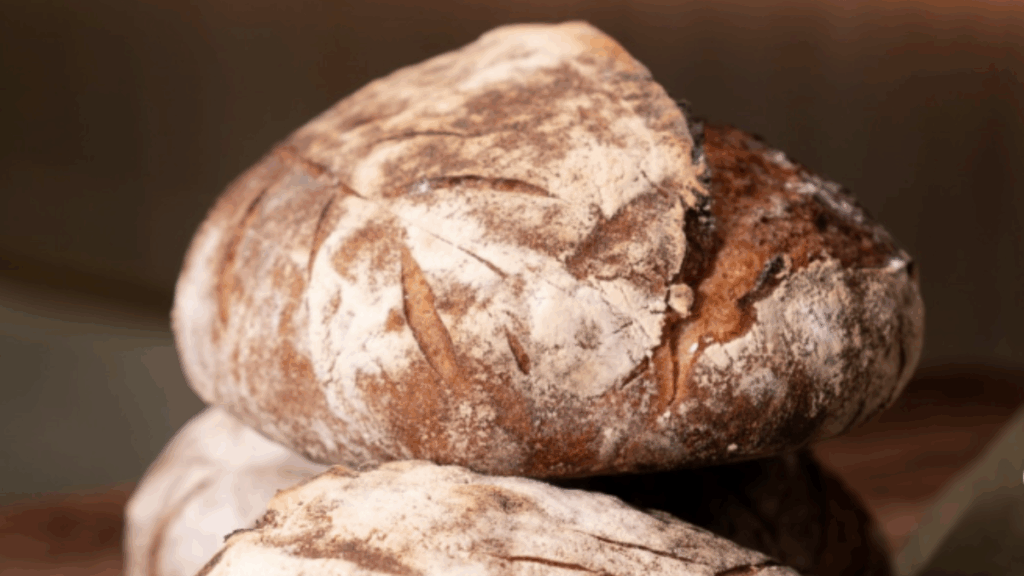
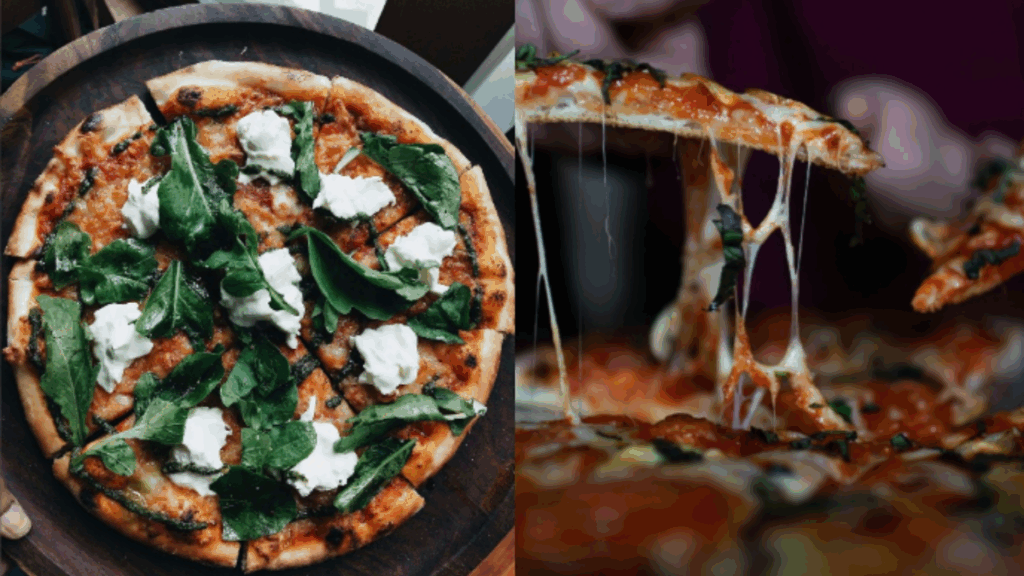
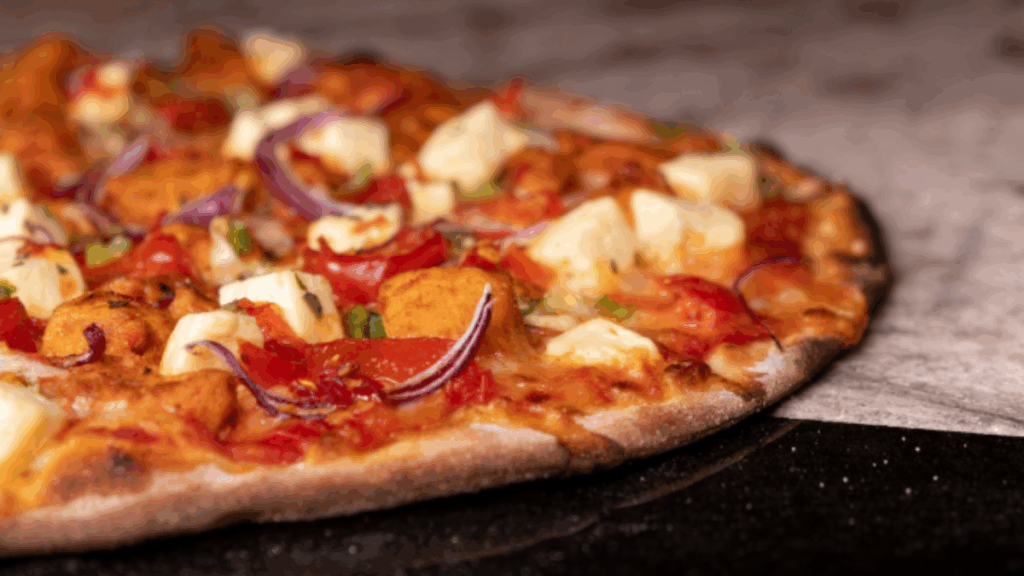
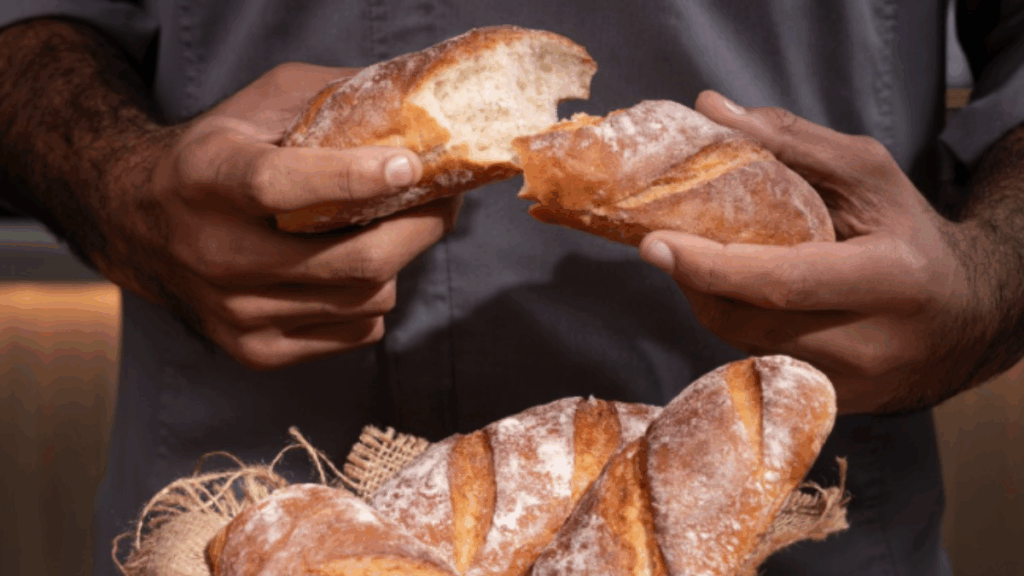
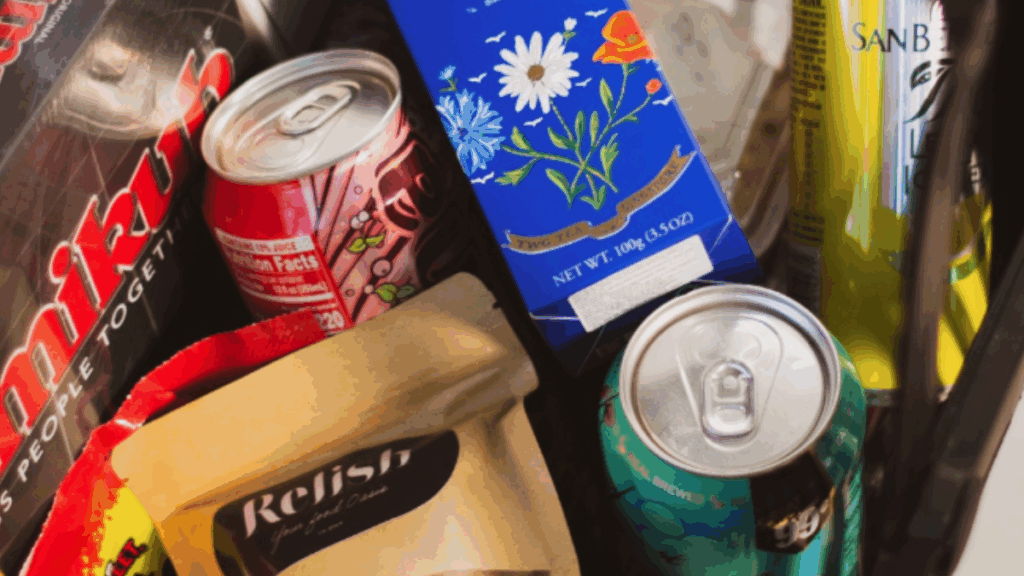
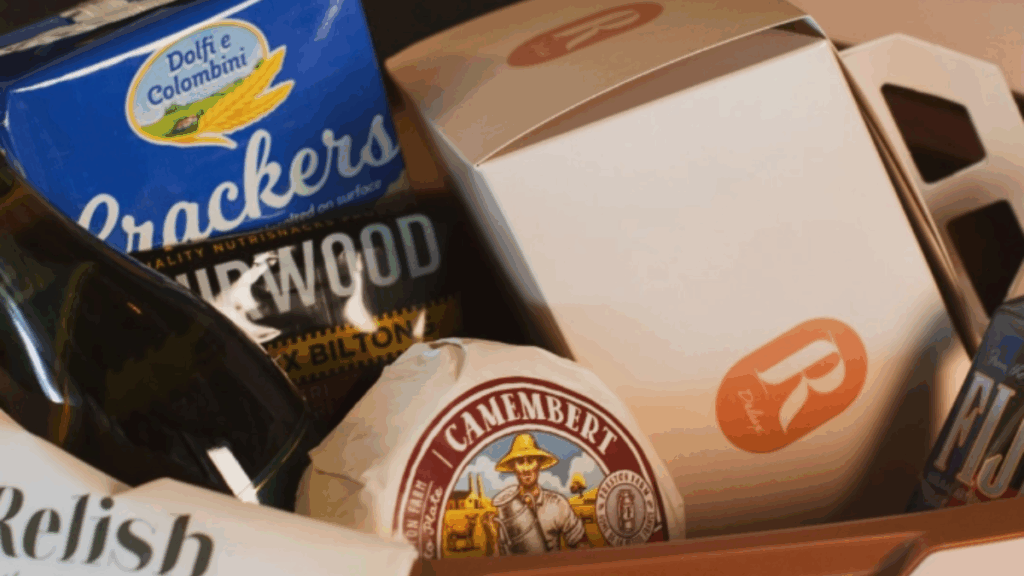
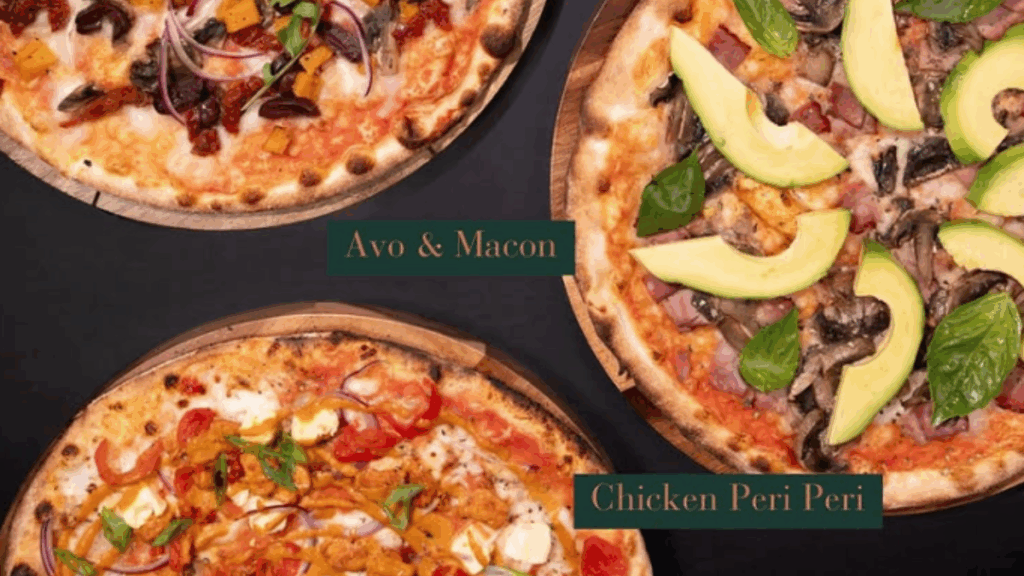
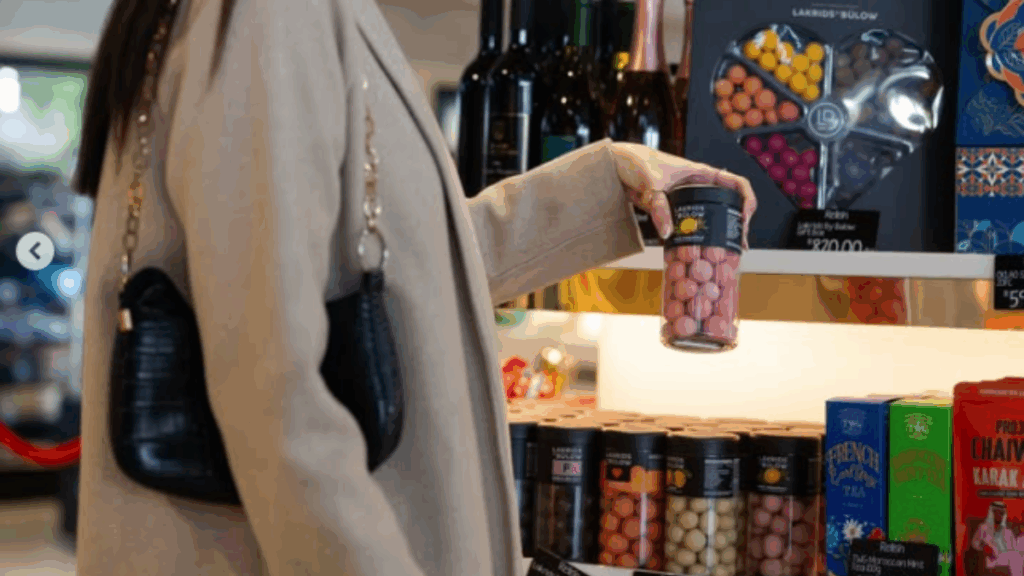
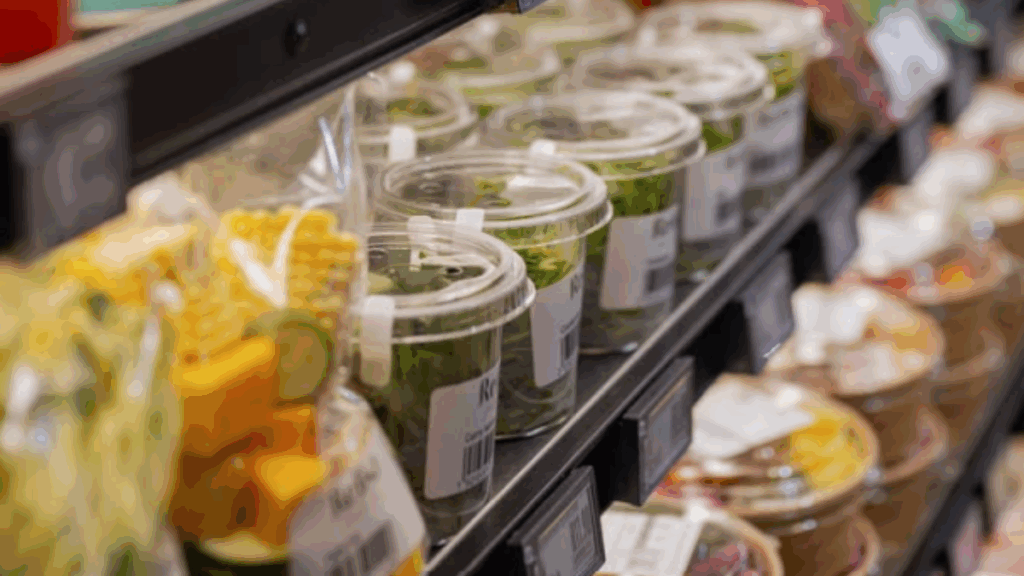
It combines traditional convenience retail with wood-fired pizzas, gourmet burgers, coffee, pastries, imported products, flowers, local goods, meats and cheeses.
Customers can also find products such as board games, Lego, beauty items and party decorations.
Since the store opened a few months ago, it has quickly cemented itself as one of Rosebank’s top petrol stations and dining locations. The examples illustrate how the forecourt is being repositioned.
Photos of The Pantry petrol station
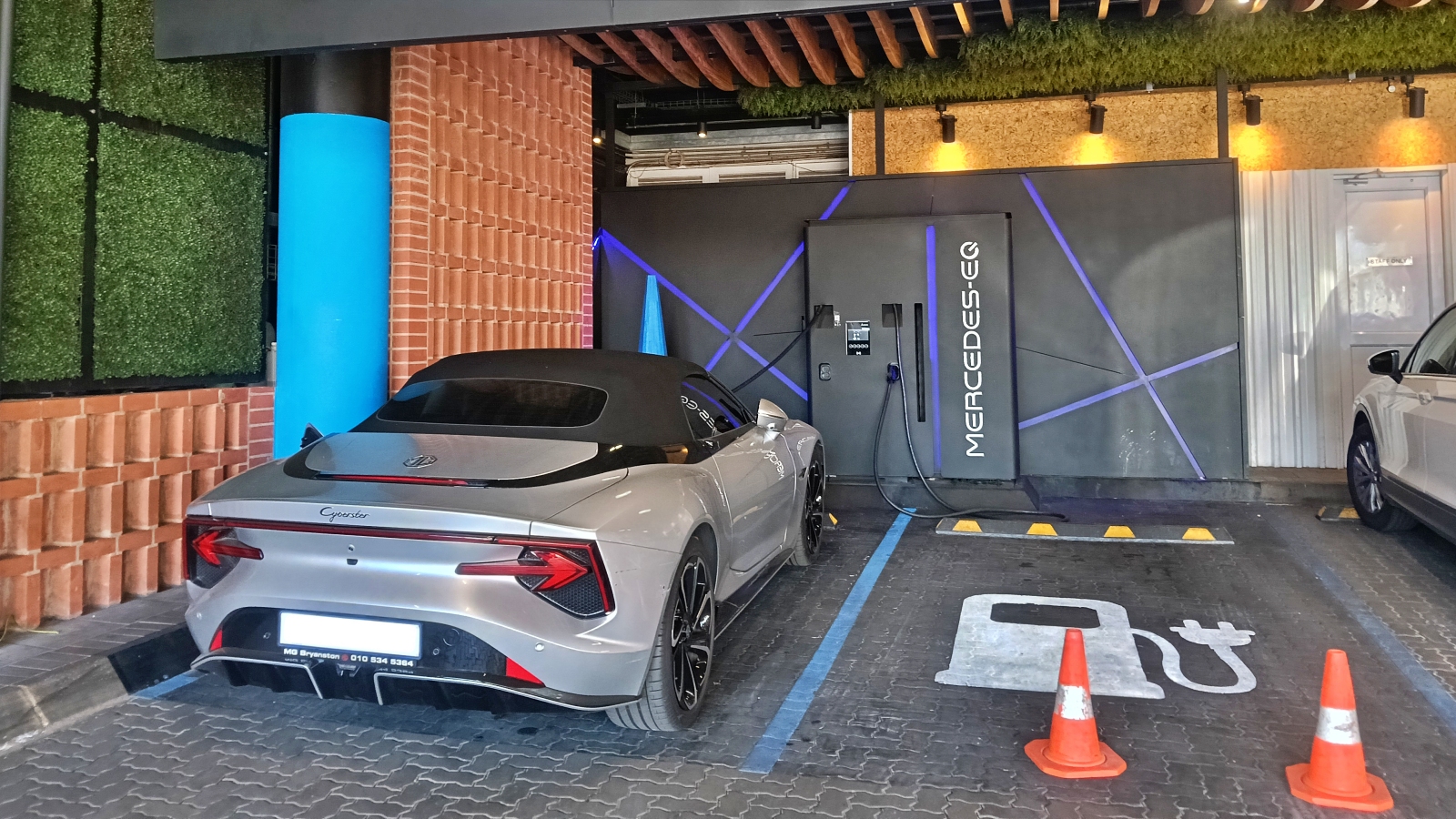
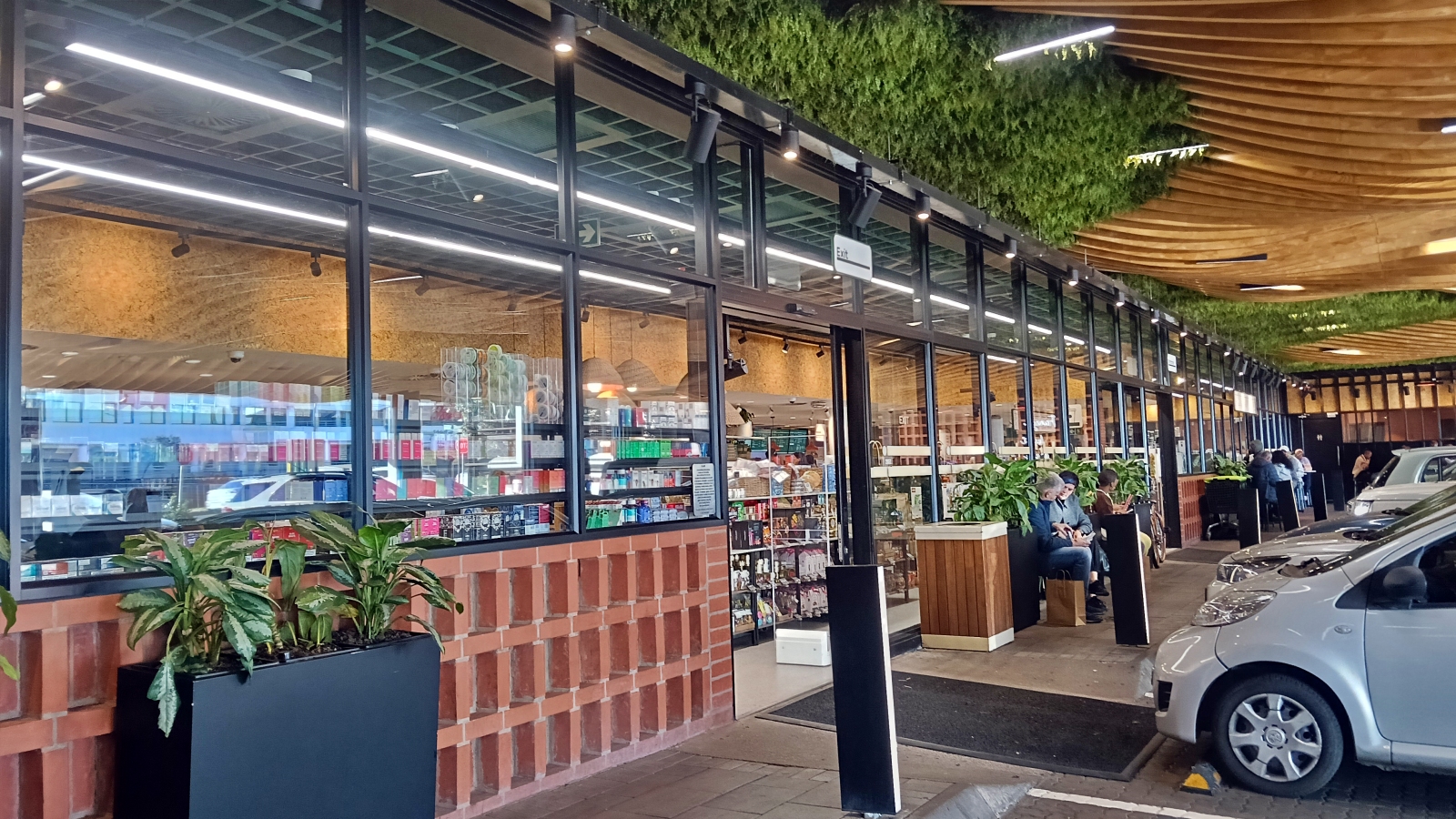
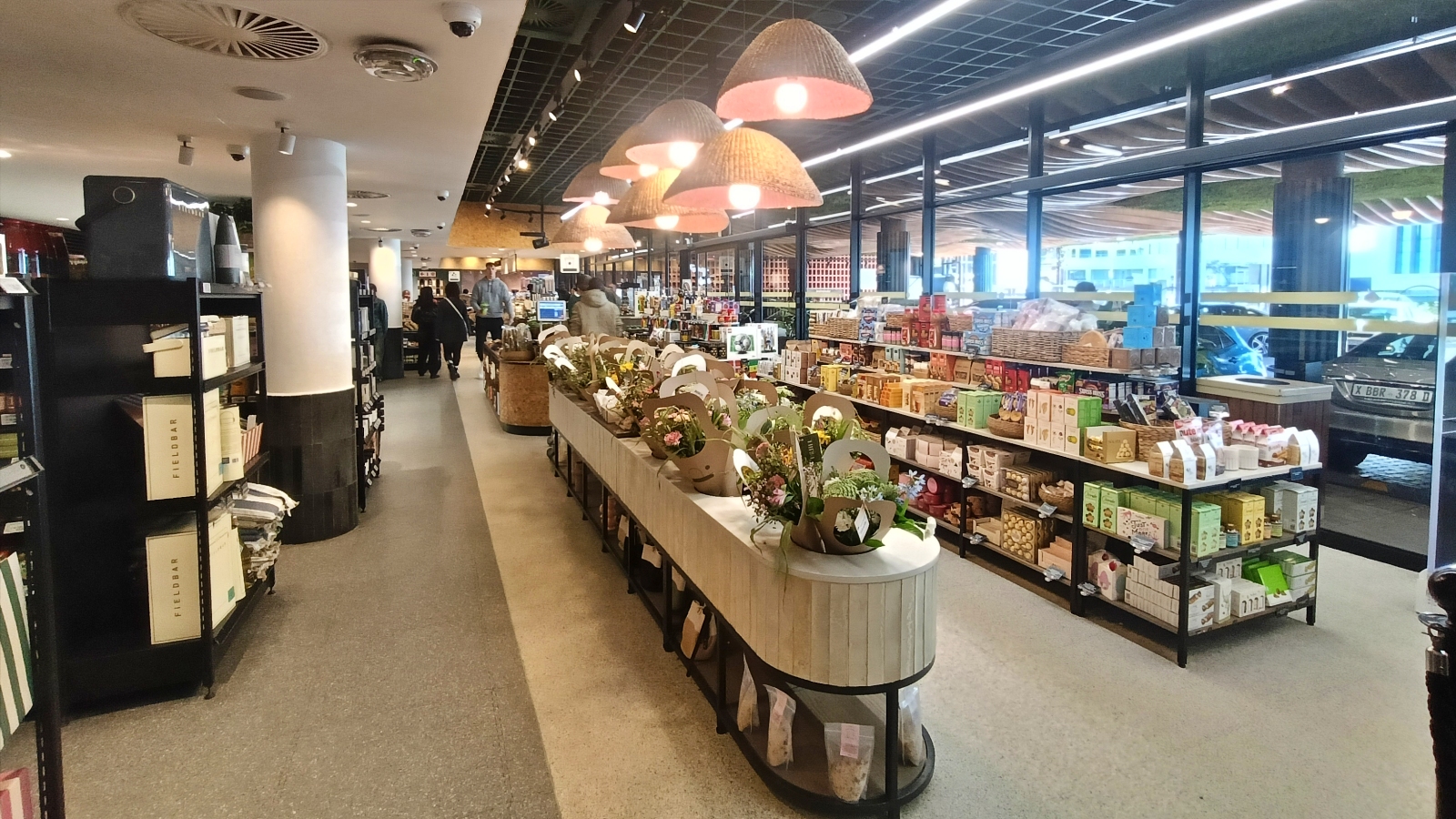
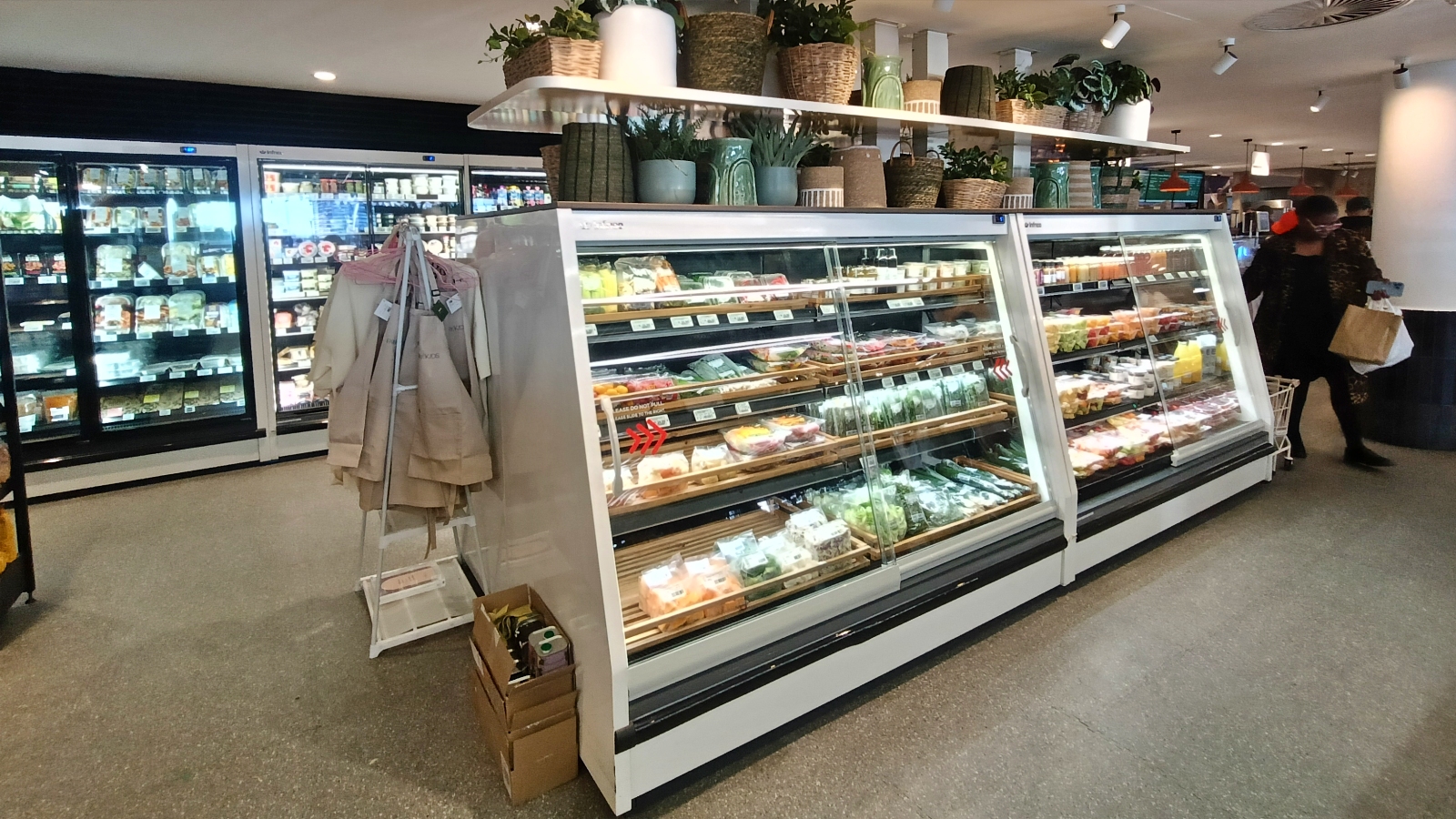
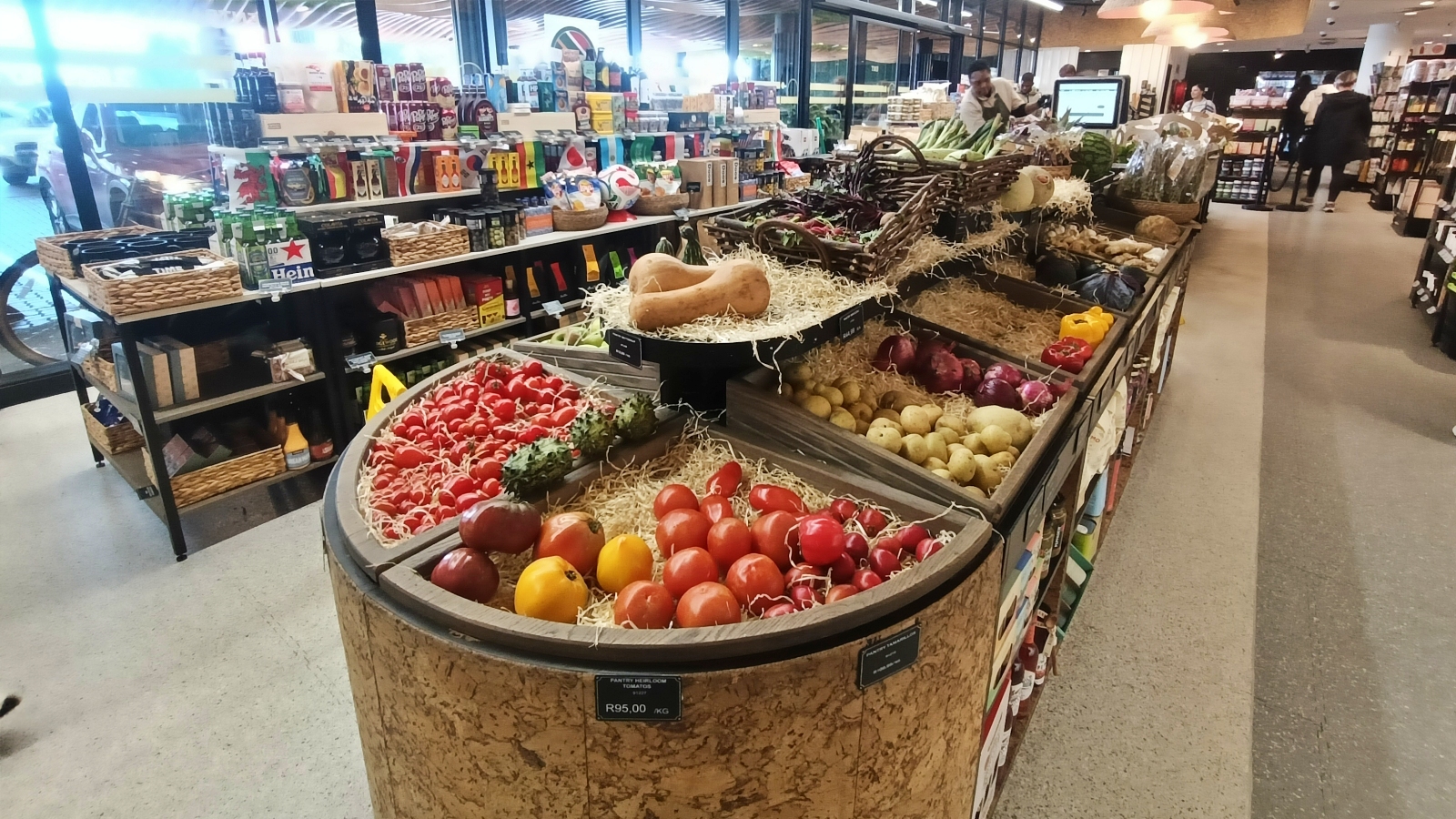
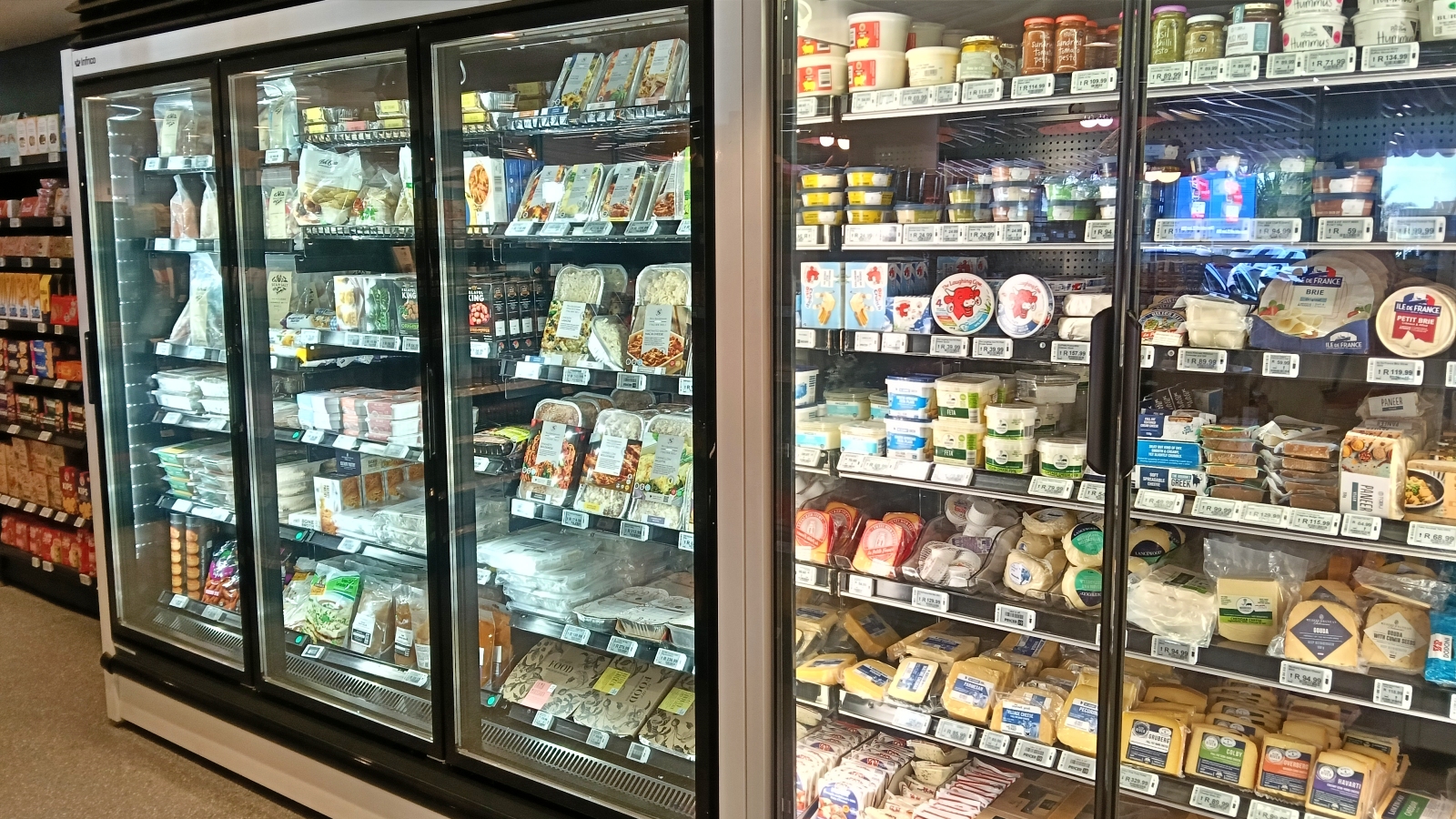
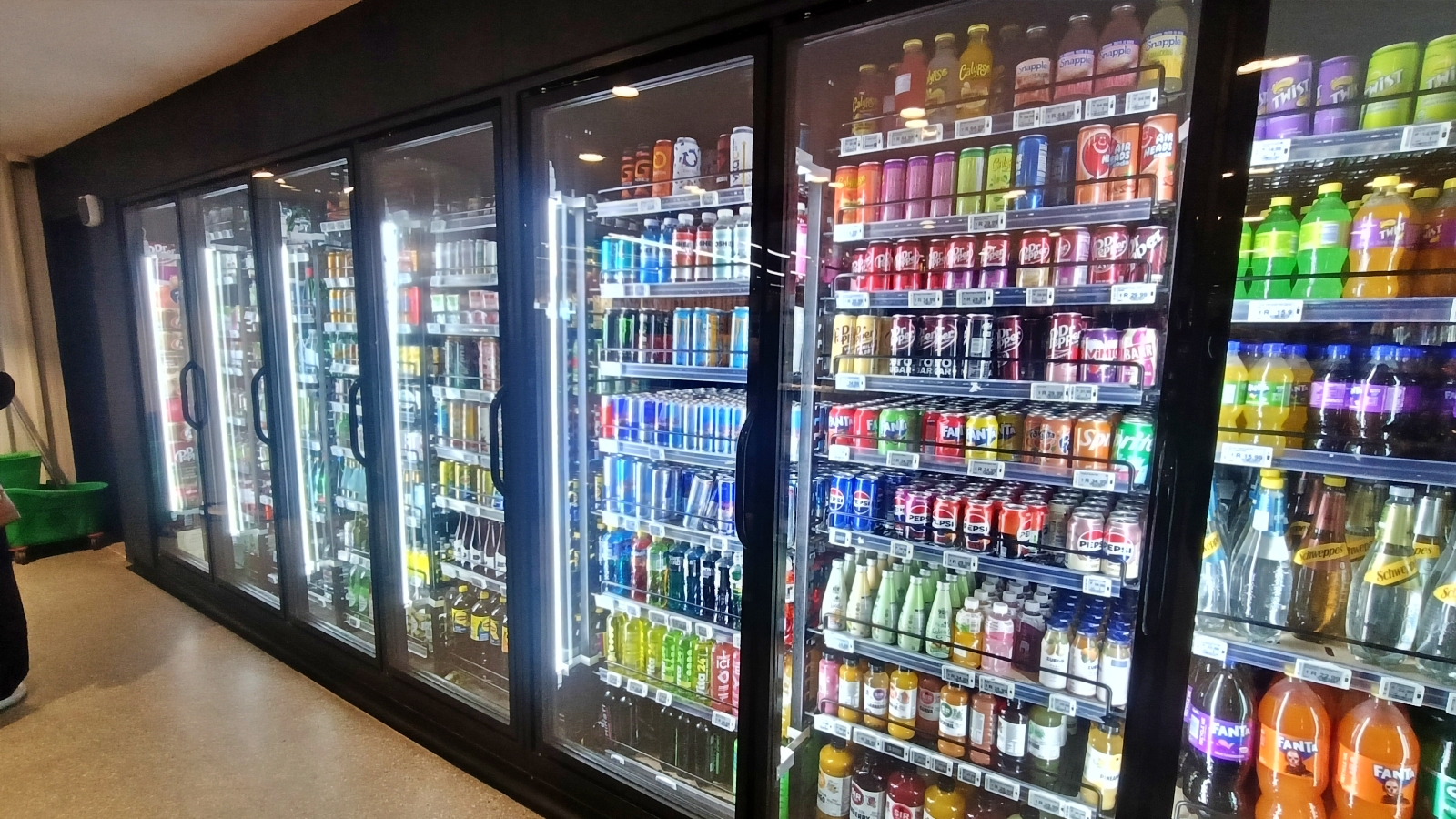
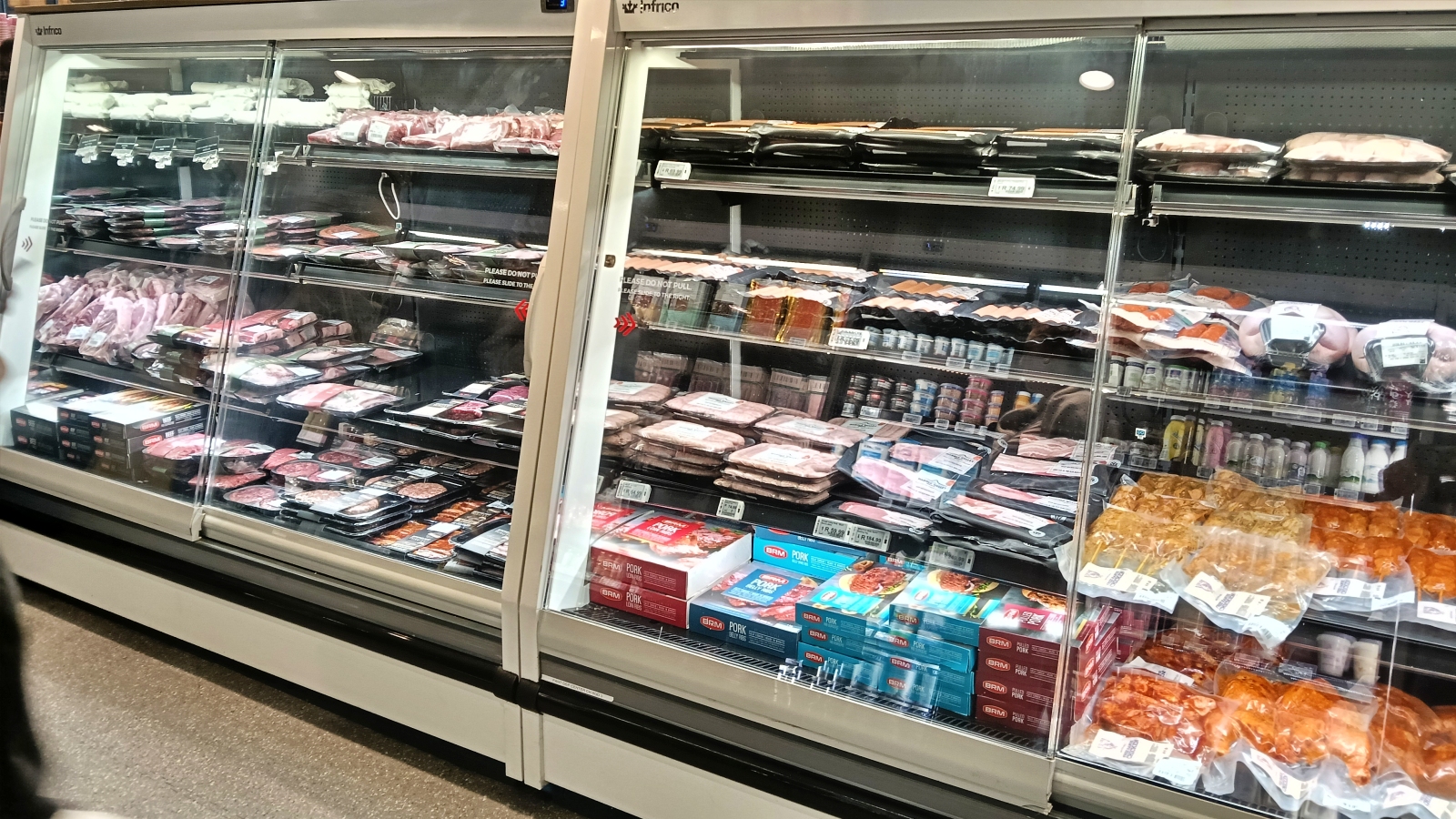
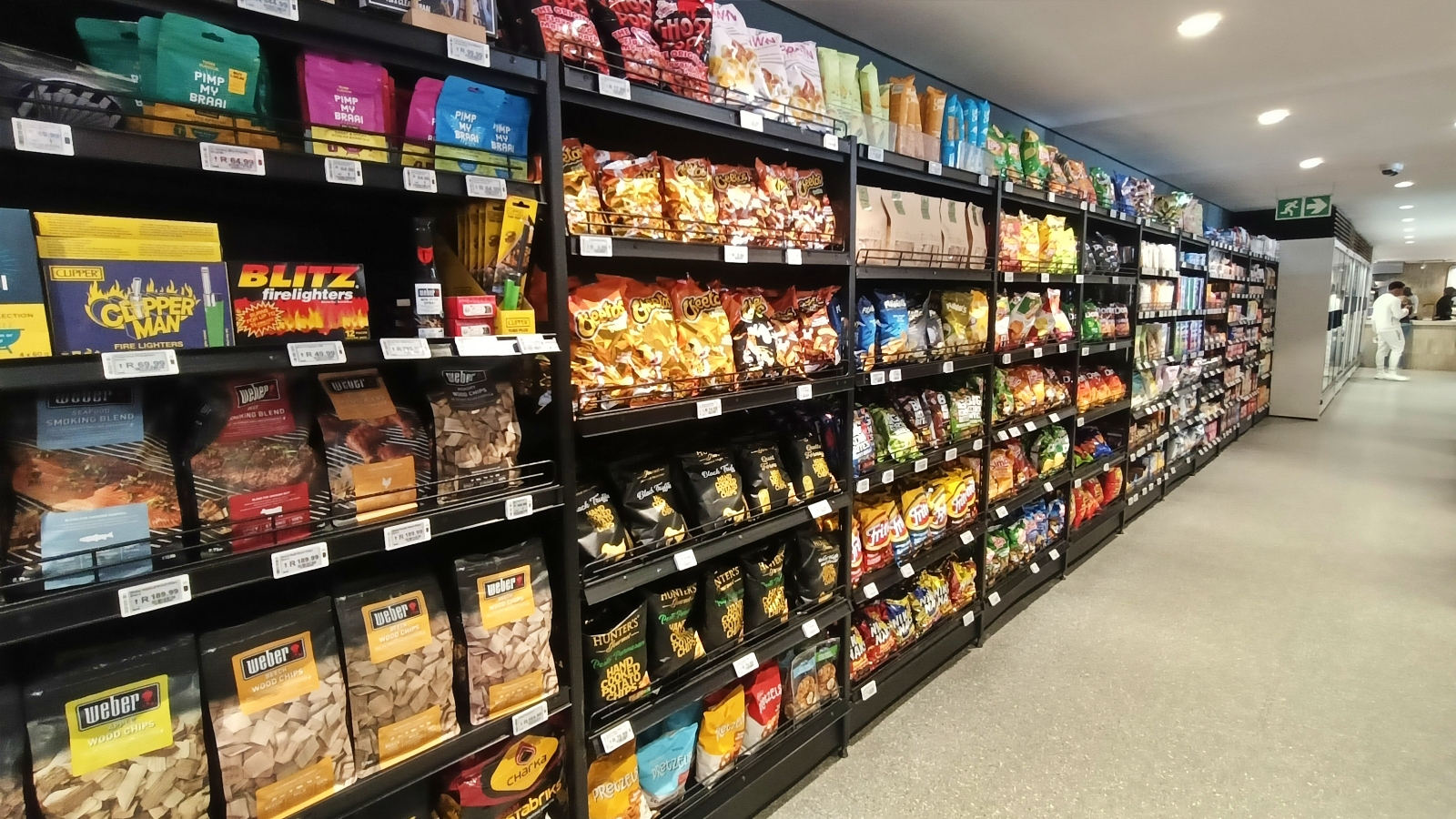
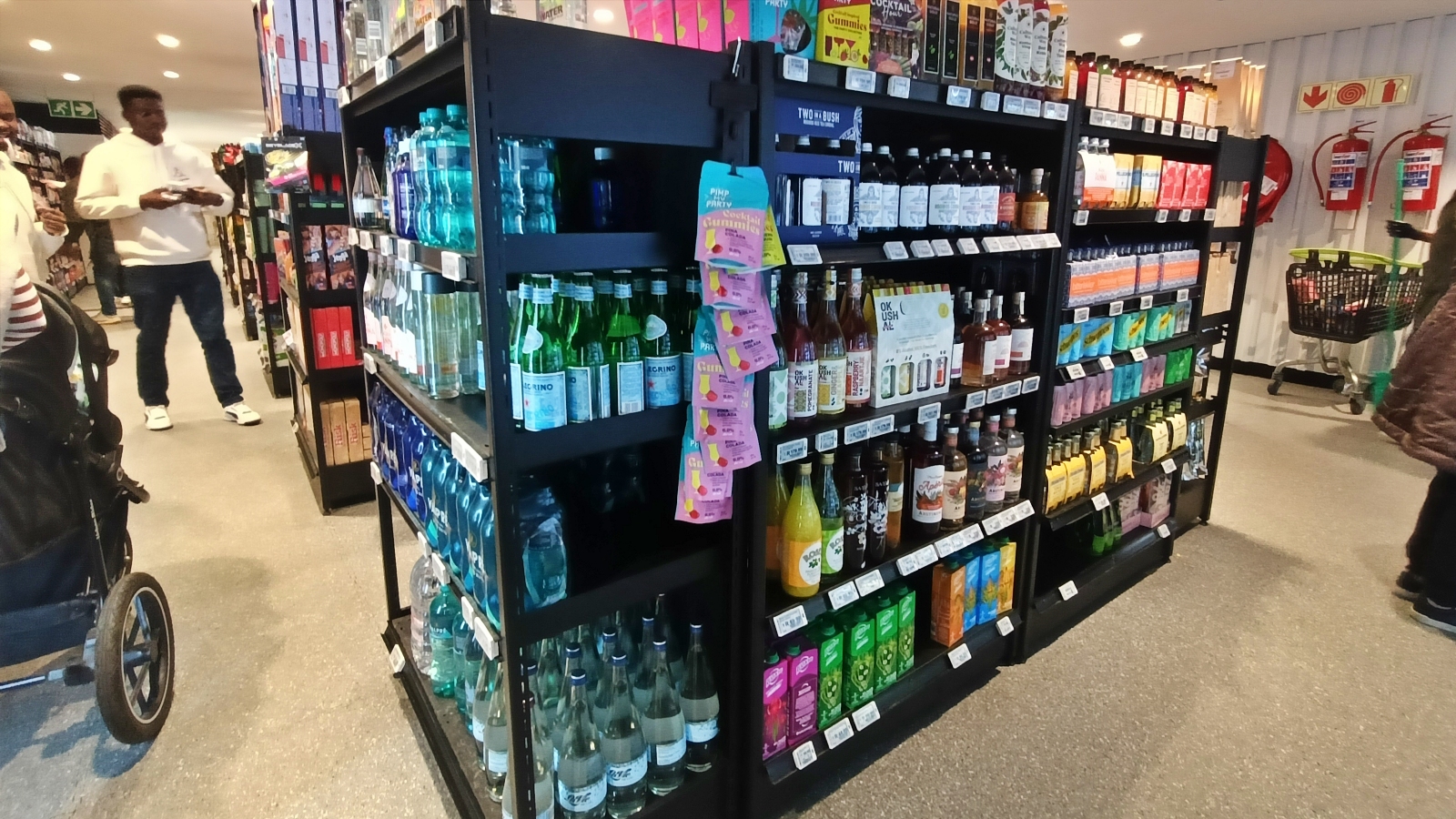
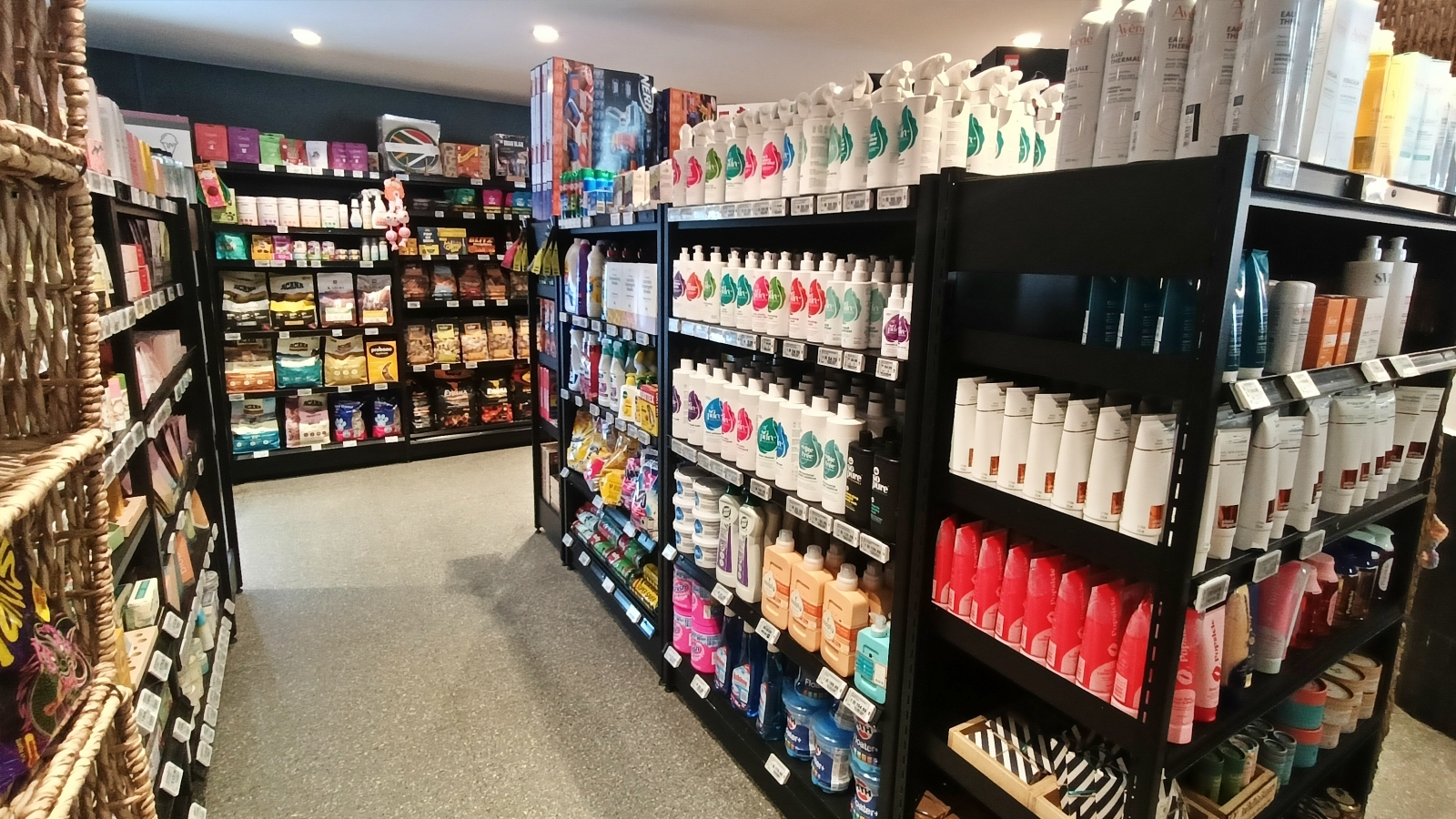
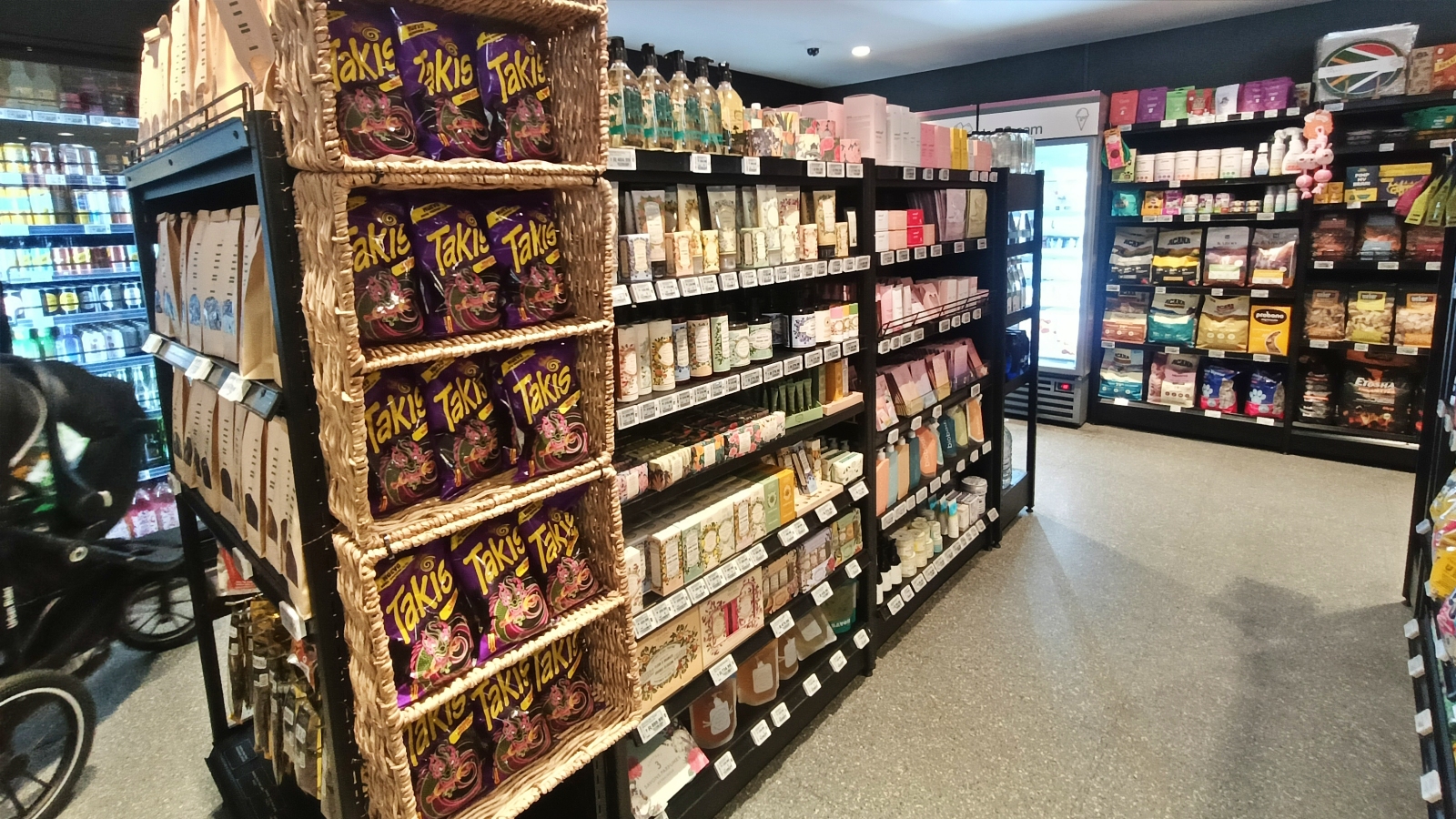
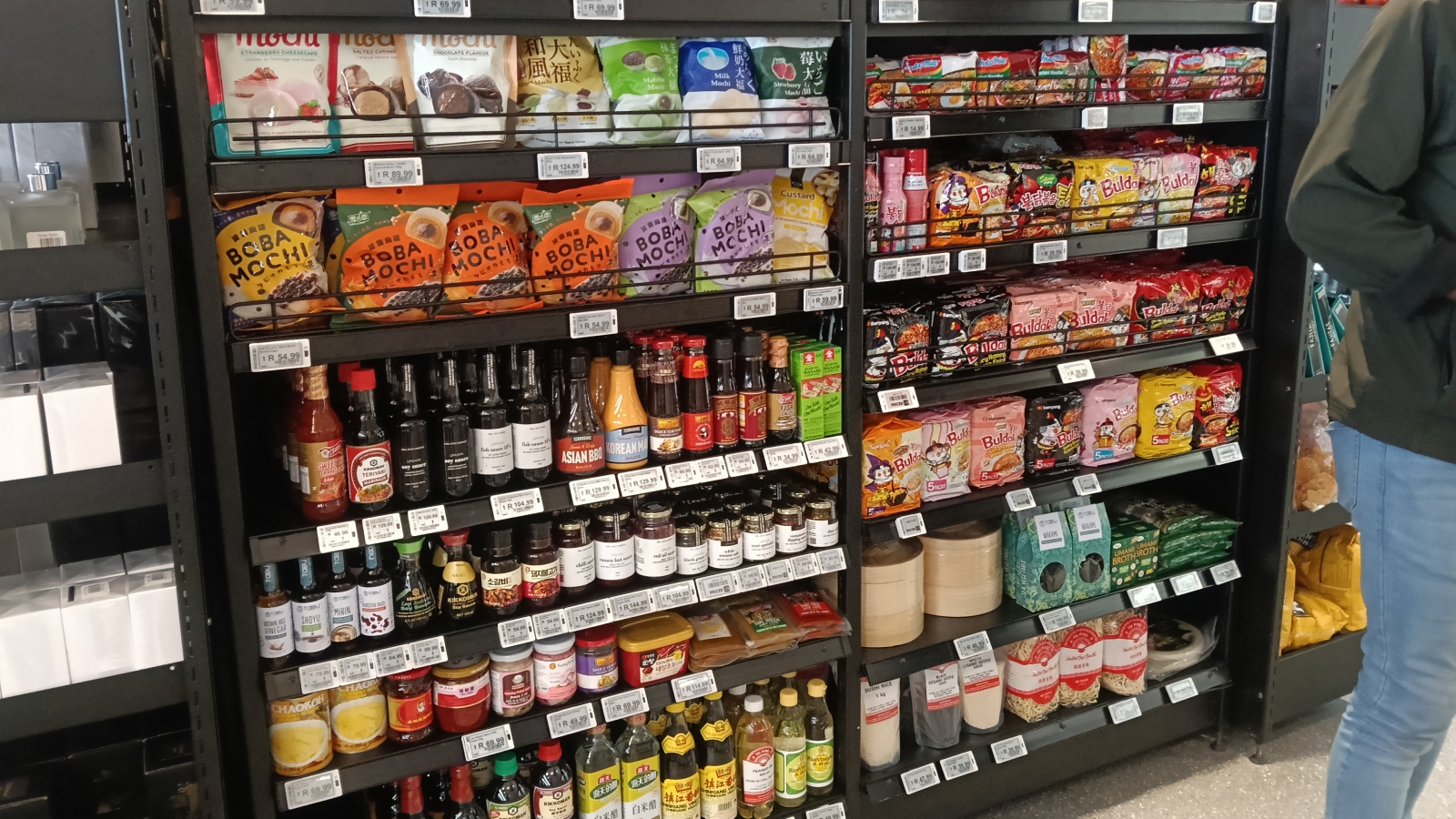
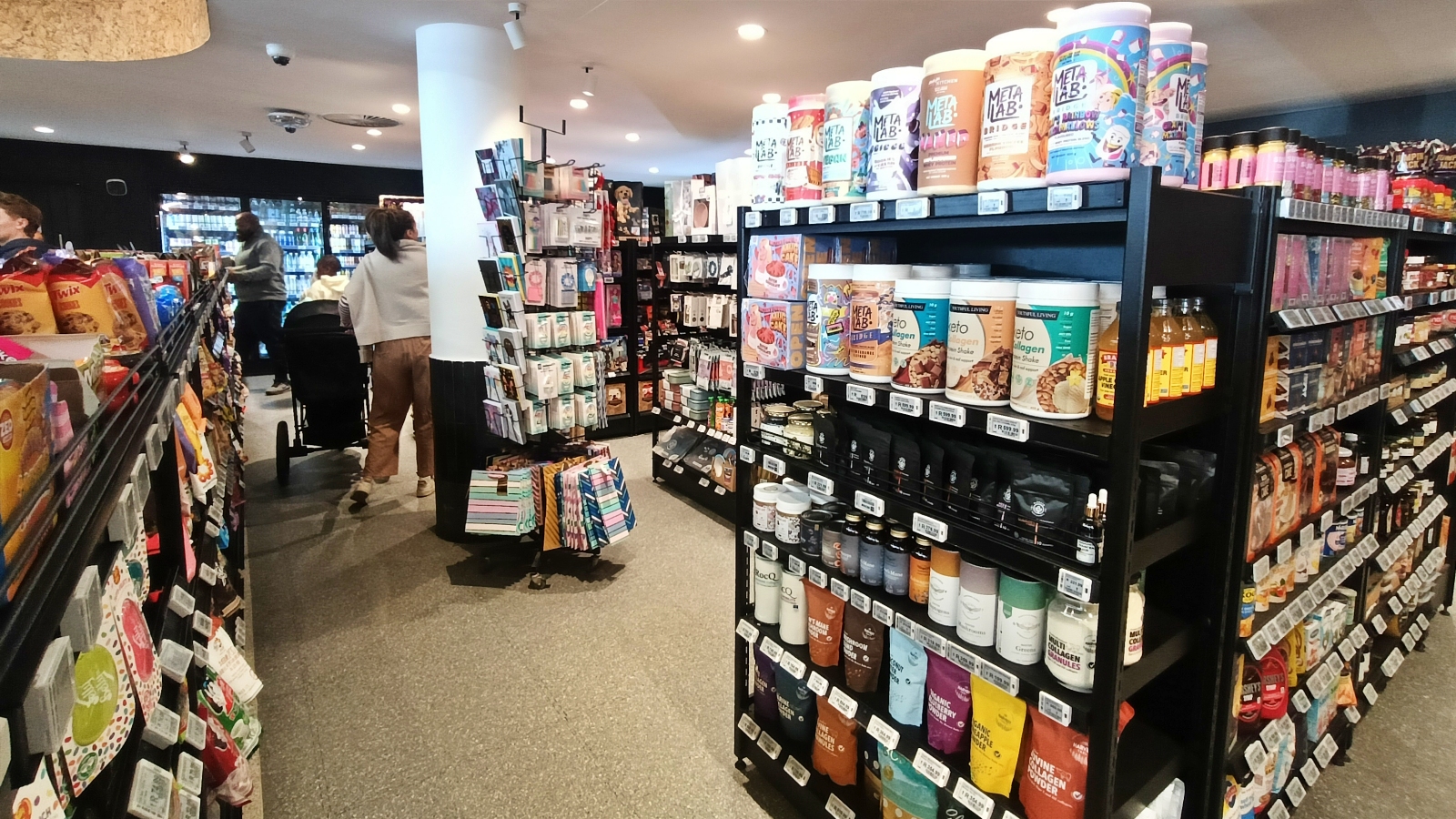
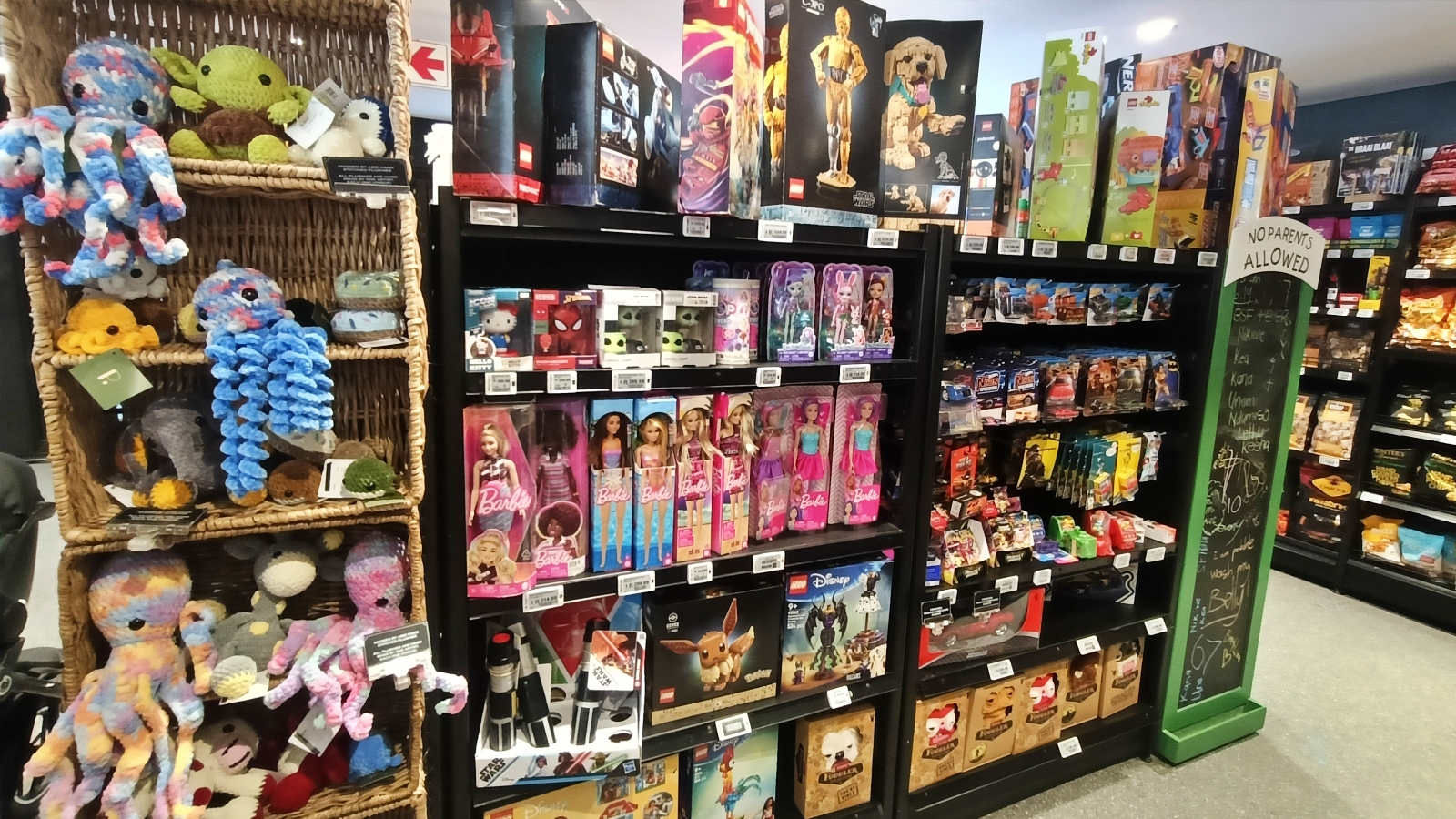
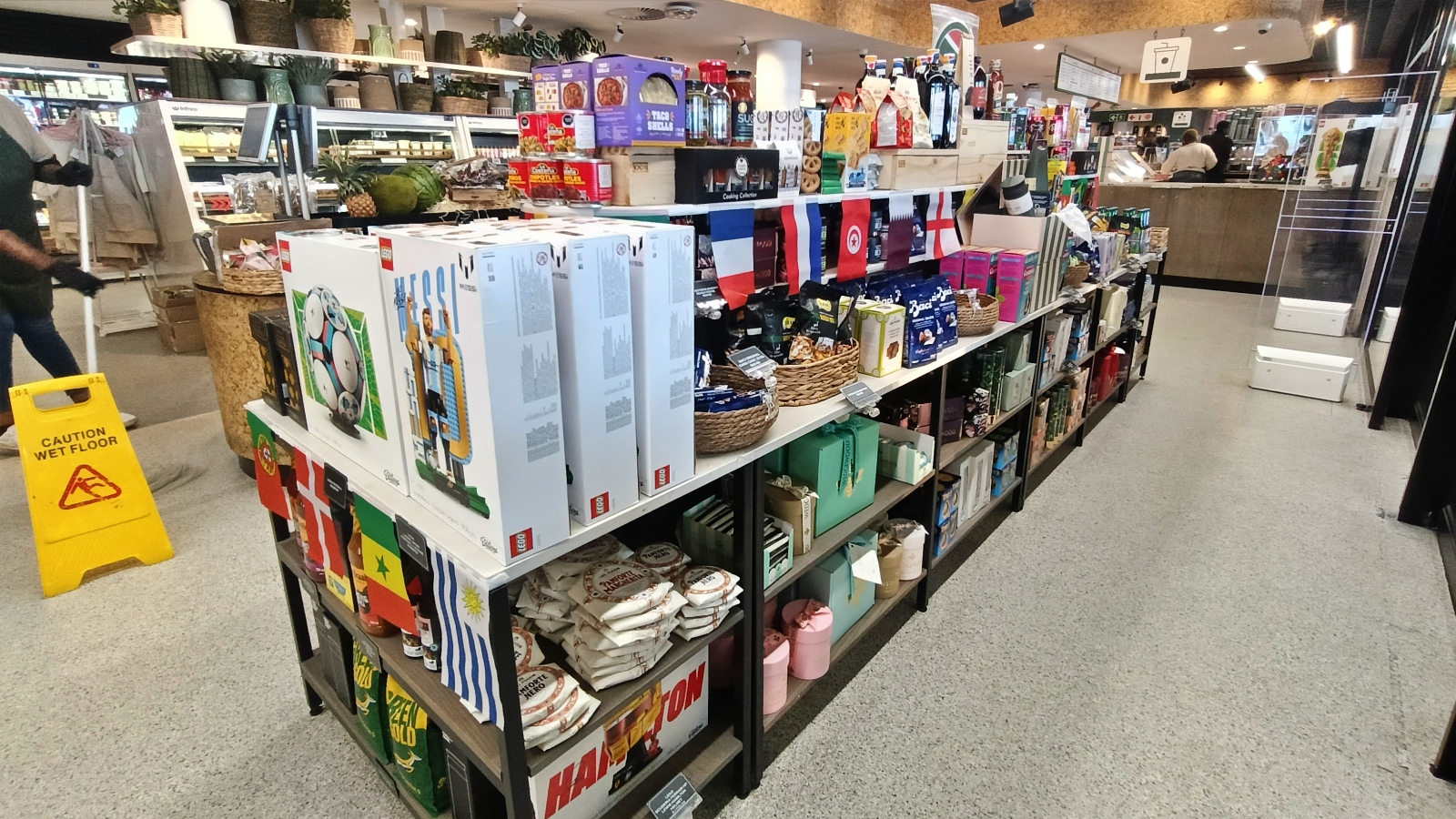
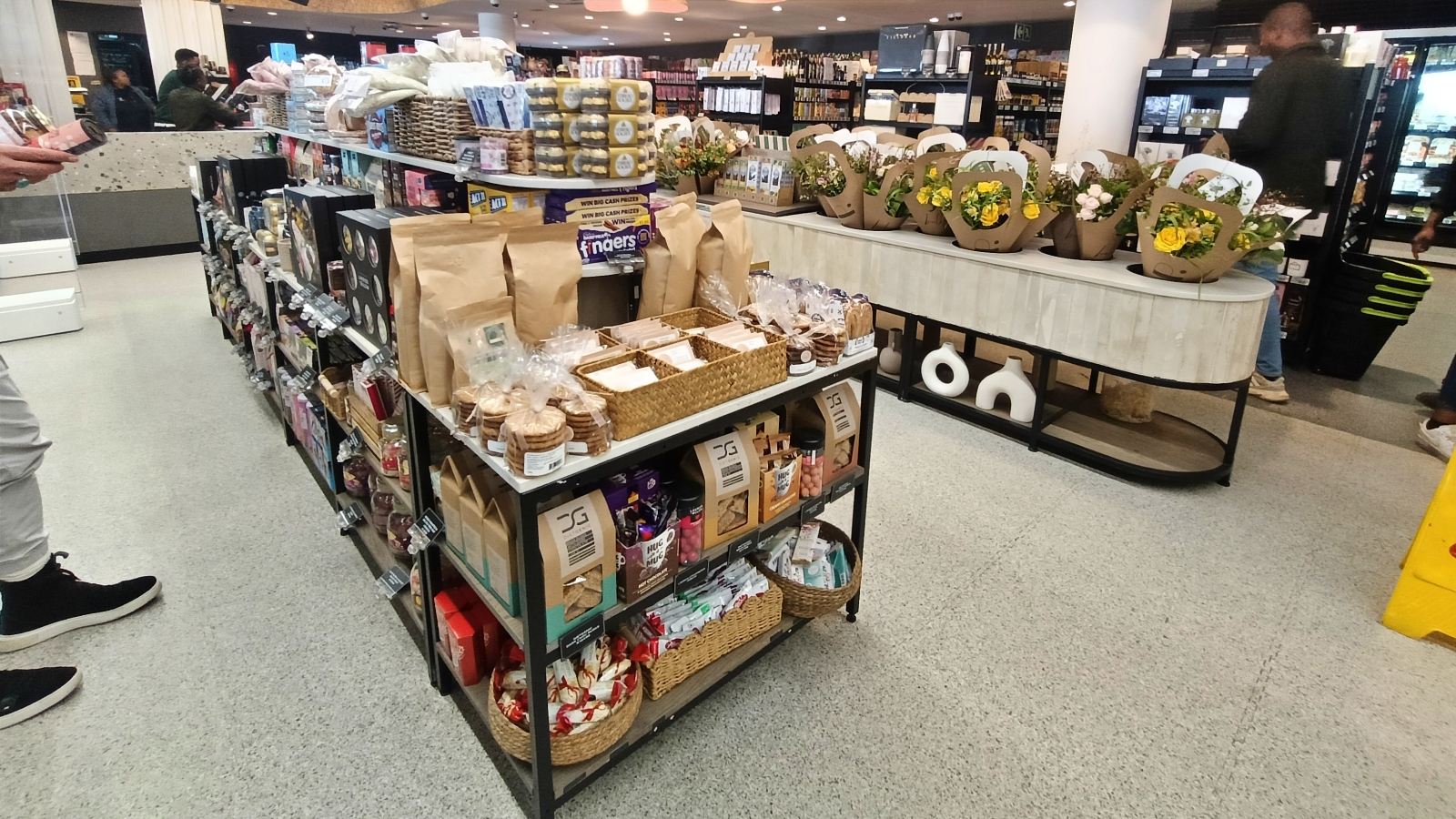
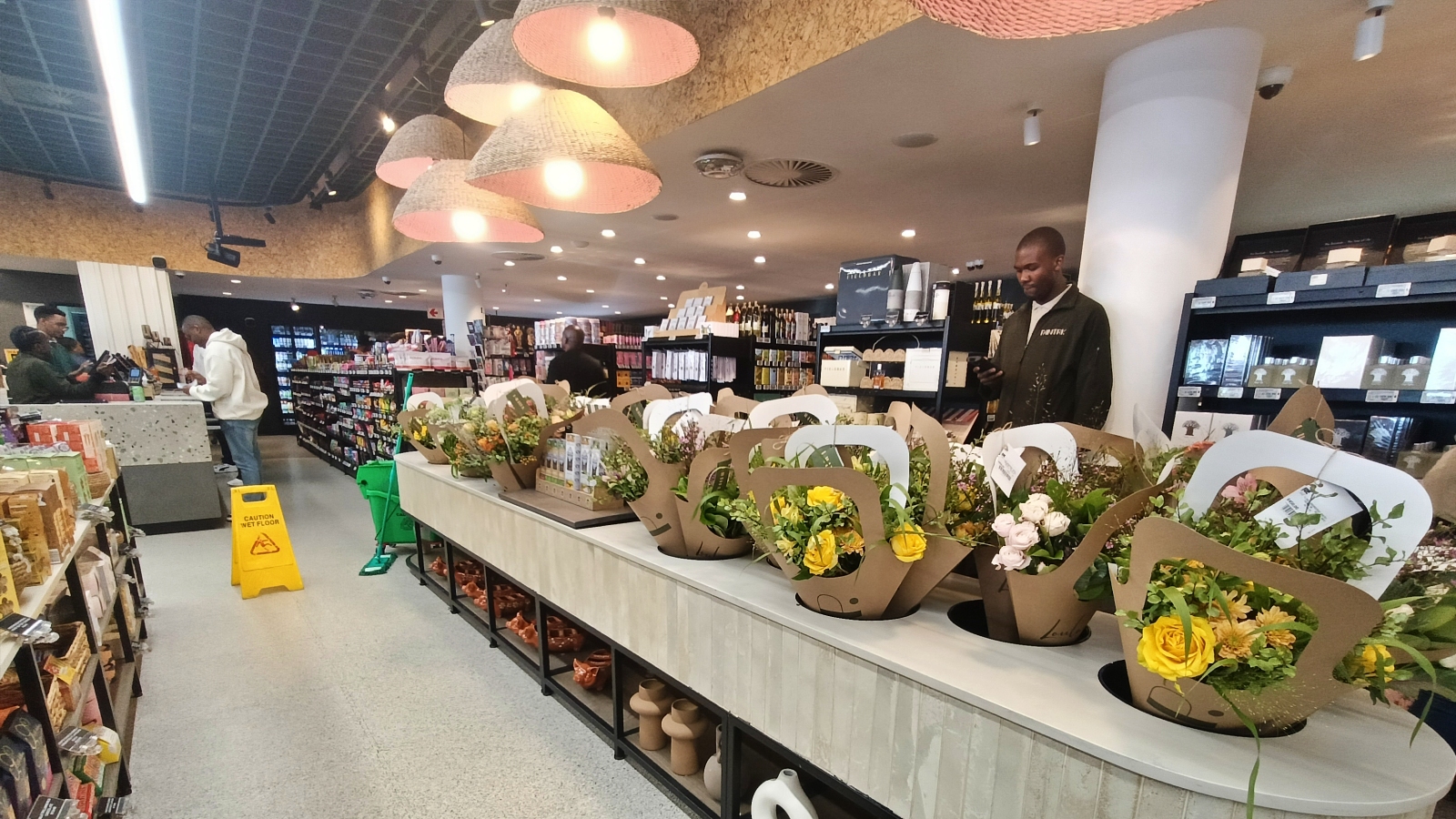
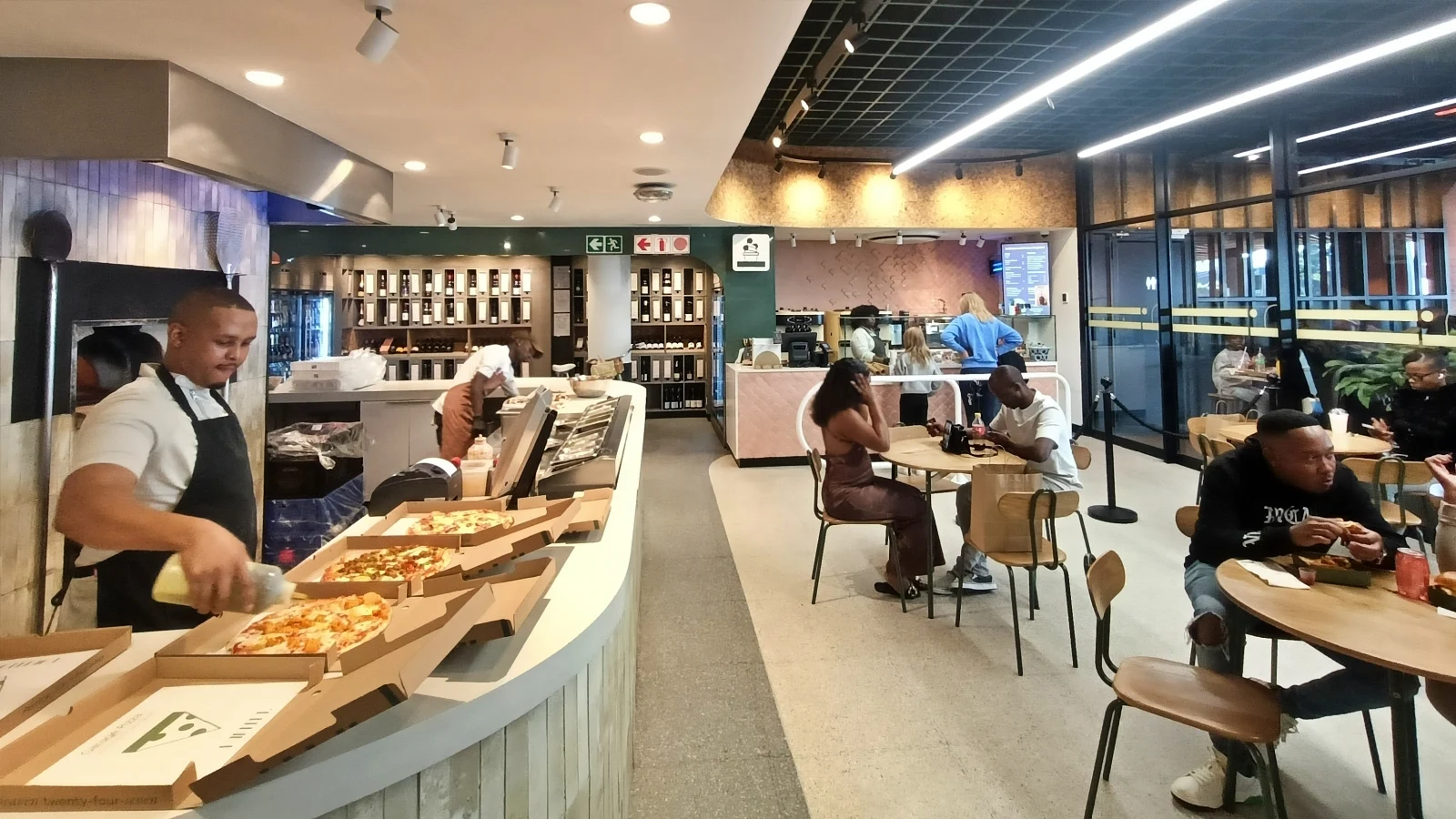
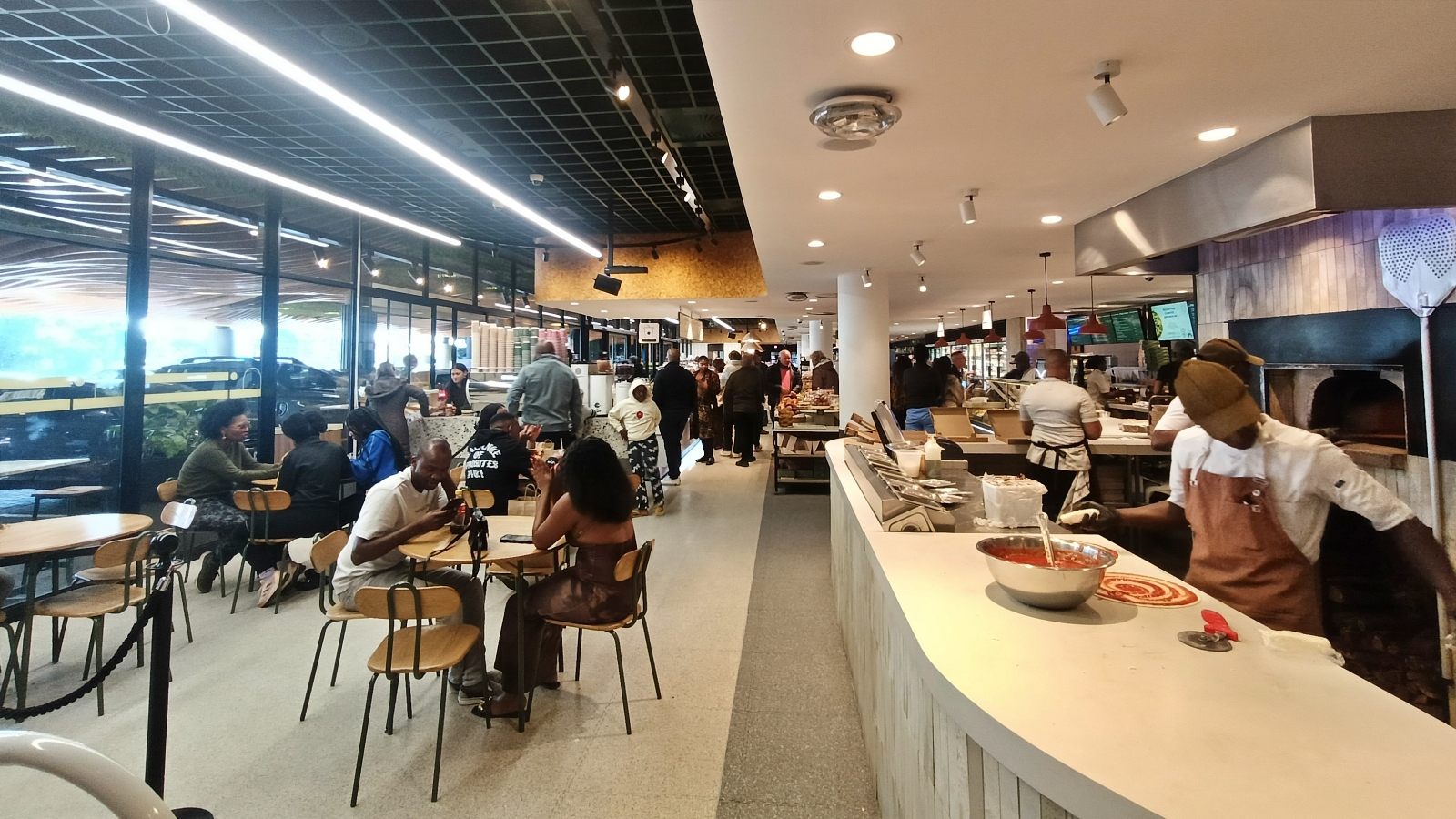
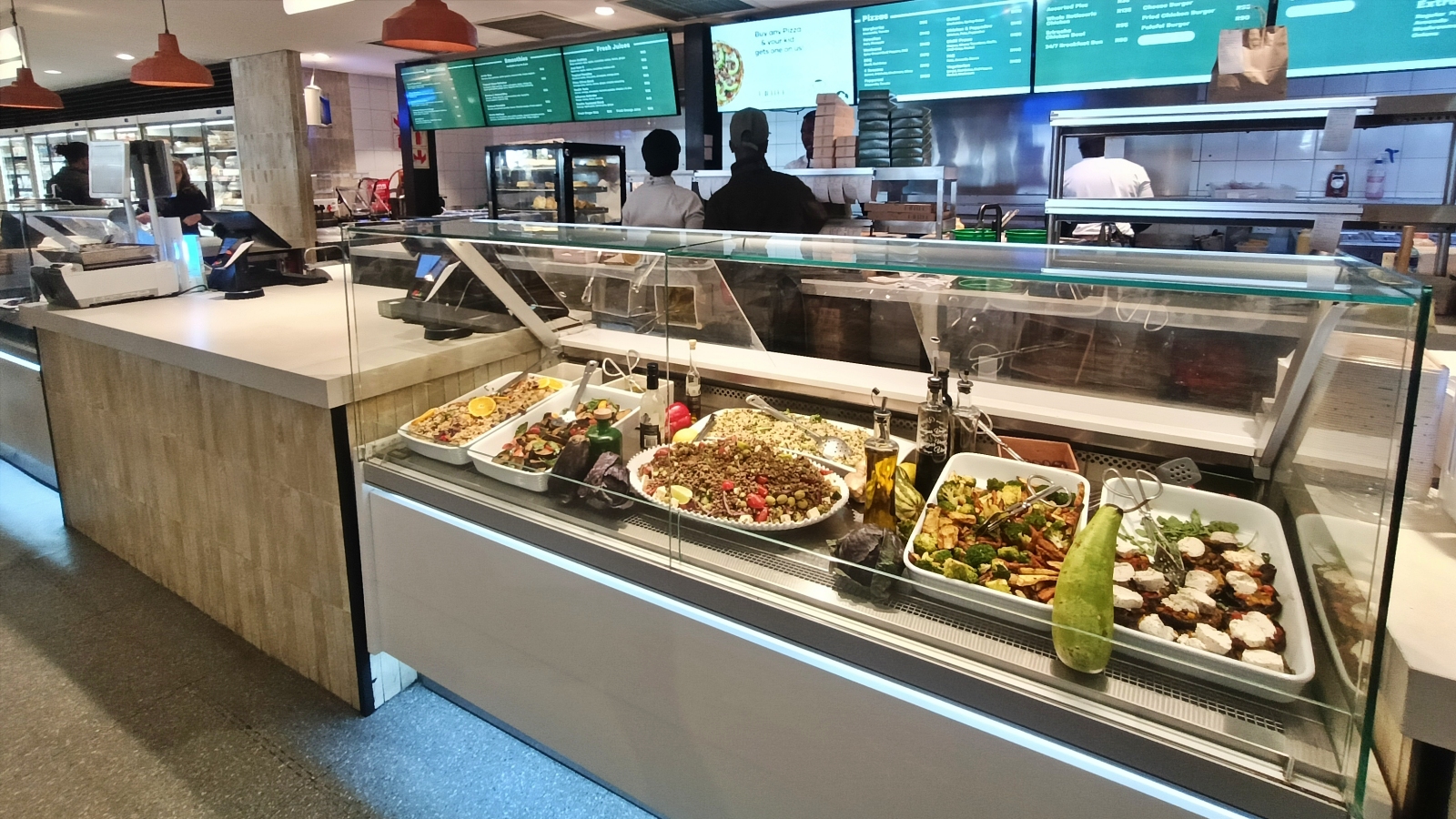
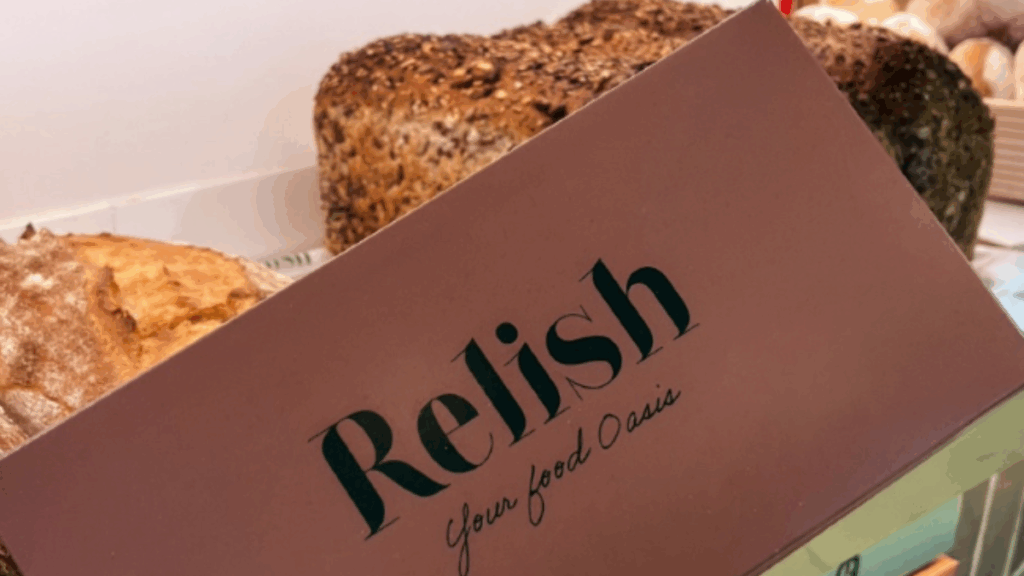
Photos of Relish in Rosebank



















 Loading ...
Guy walks into a forecourt shop, picks up a small choc bar, small packet of chips, and a small soft drink. He brandishes a R100 note and says to the cashier “sorry, this is all I’ve got”. “That’s okay”, she replies “just put the chips back”.