
The tiny South African town famous for tourism, trout fishing, and athletes training for the Olympics


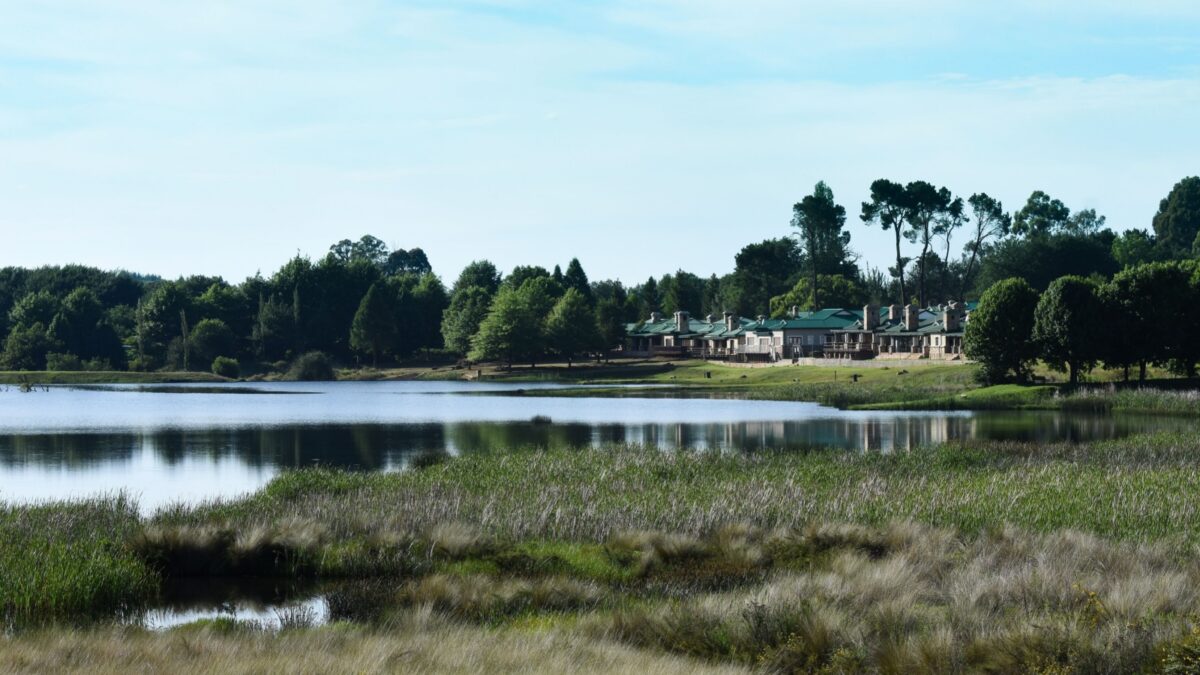
Dullstroom is the highest town in South Africa, located at over 2,000 metres above sea level on the Steenkampsberg Plateau.
This makes it the ideal place for Olympic athletes to train at altitude before competing and ensures the town is covered in mist for most of the year.
Dullstroom is also unique in that it was founded by people living outside South Africa’s borders and by a private company.
In the early 1880s, a group of Dutch men formed a company in Amsterdam under the chairmanship of Wolterus Dull.
This company was formed to raise funds to help Afrikaners recover from the devastation of the first Anglo-Boer War.
The company’s directors used the funds to buy two farms in South Africa for Dutch immigrants to settle on and begin farming.
This is despite many of the company’s directors never having been to South Africa, nor knowing where the farms would be located.
The first settlers arrived in a harsh climate that was not conducive to farming. There were no houses or shops nearby, and the nearest post office was 35 kilometres away.
These men and women suffered against extreme hardship, with many becoming disillusioned with the rugged lifestyle and returning to the Netherlands soon afterwards.
Those who hung on saw the town burnt to the ground twice during the second Anglo-Boer War. However, this was also a decisive turning point.
The remaining settlers slowly began leveraging the nearby Crocodile River to power water mills and irrigate the land to farm crops and livestock.
Crucially, Prime Minister Louis Botha oversaw the construction of a railway line through the town, creating significant opportunities to sell produce into urban areas and cape value from passing trade.
This is also when the town’s famous fishing industry started, with postmaster J Gurr catching a trout in the Dorps River.
From this catch, trout hatchlings were released into local streams from hatcheries in the Cape. By 1927, the fish were flourshing, and trout boxes were built at the municipal dam.
This allowed the streams to be stocked with trout for locals to catch and tourists to come try their hand at fishing.
In the second half of the 20th century, a new municipal dam was built and stocked with 17,000 trout. These formed the basis of the modern-day trout industry in Dullstroom.
Olympic training
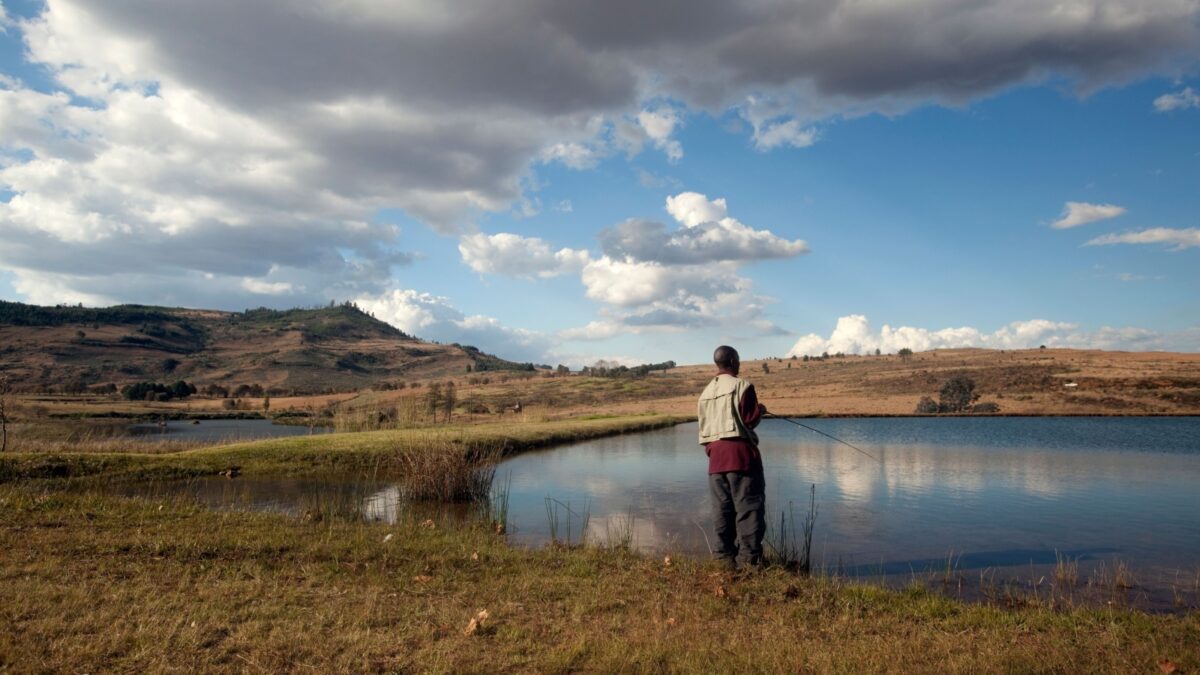
Dullstroom has become increasingly popular for Olympic training, thanks to its high altitude, which makes it one of the 15 best training venues in the world.
This training is typically reserved for elite athletes and endurance runners or bicyclists looking to gain an edge on the competition.
At 2,100 meters above sea level, Dullstroom is considered to be in the sweet spot for altitude training by sports scientists.
The town’s elevation means the air is thinner, so athletes inhale around 25% fewer oxygen molecules per breath than at sea level.
To cope with lower oxygen levels, the athletes’ bodies adapt differently during exercise. In particular, the body produces more red blood cells, which transport oxygen around the body.
Thus, when these athletes return to sea level to compete, their blood can carry significantly more oxygen, boosting endurance.
The altitude of Dullstroom is not the only reason for its popularity among athletes, as it also has significant advantages for European athletes in particular.
European athletes can travel to Dullstroom with close to zero jet lag, as it lies on the same time zone as much of the continent.
Furthermore, the alternating seasons make Dullstroom the ideal place for warm-weather altitude training to prepare for the European summer.
The town also provides perfect terrain for training, with it being surrounded by quiet, relatively flat dirt roads, making it safe for long-distance running and cycling.
The town of Dullstroom has adapted to accommodate this specific type of tourist through the launch of specialised athlete retreats.
For example, the Highland Hotel specialises in catering to performance athletes, offering tailored diets, steam rooms, saunas, and recovery facilities.
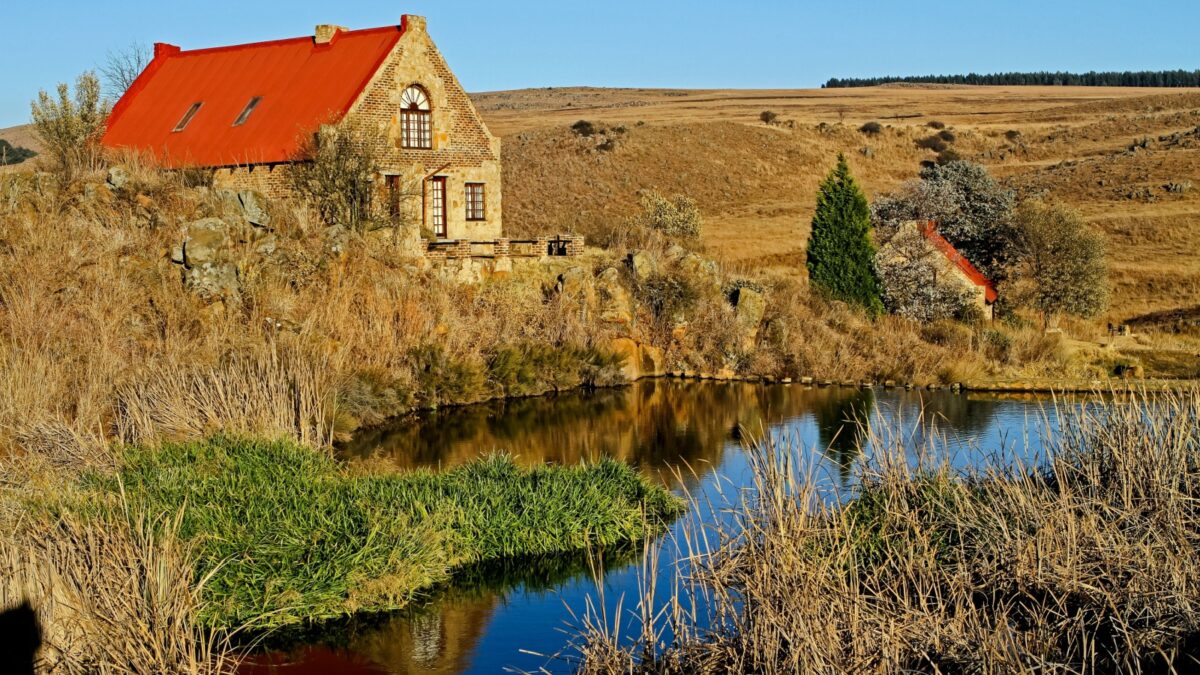
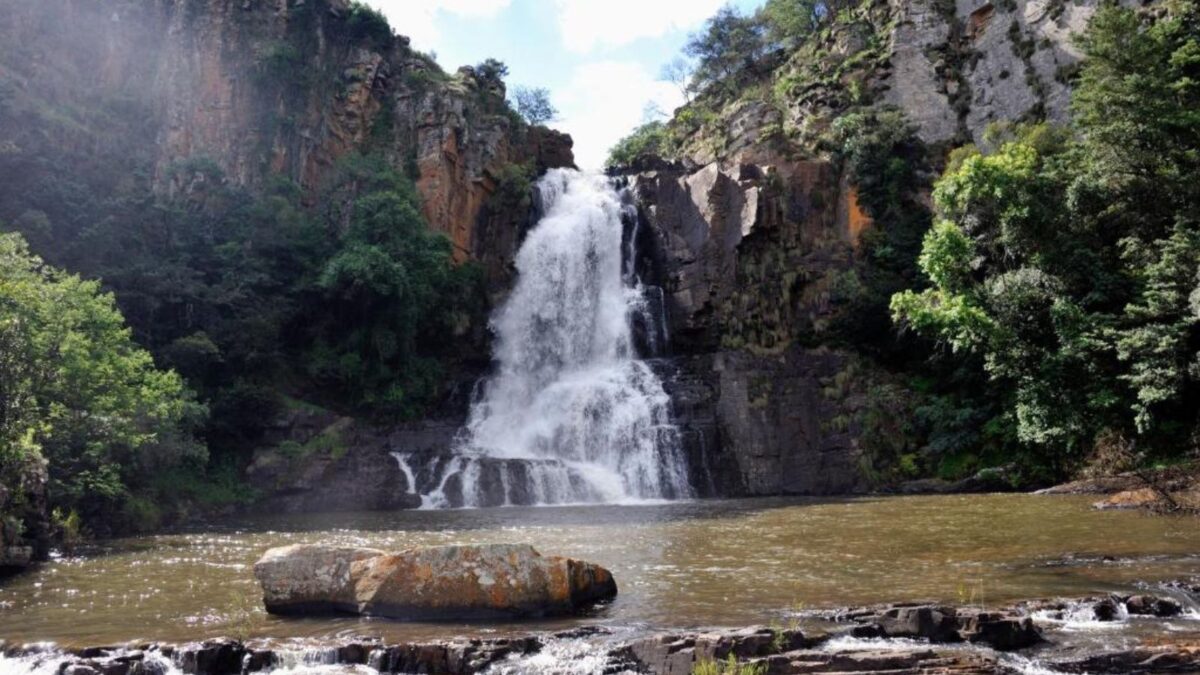
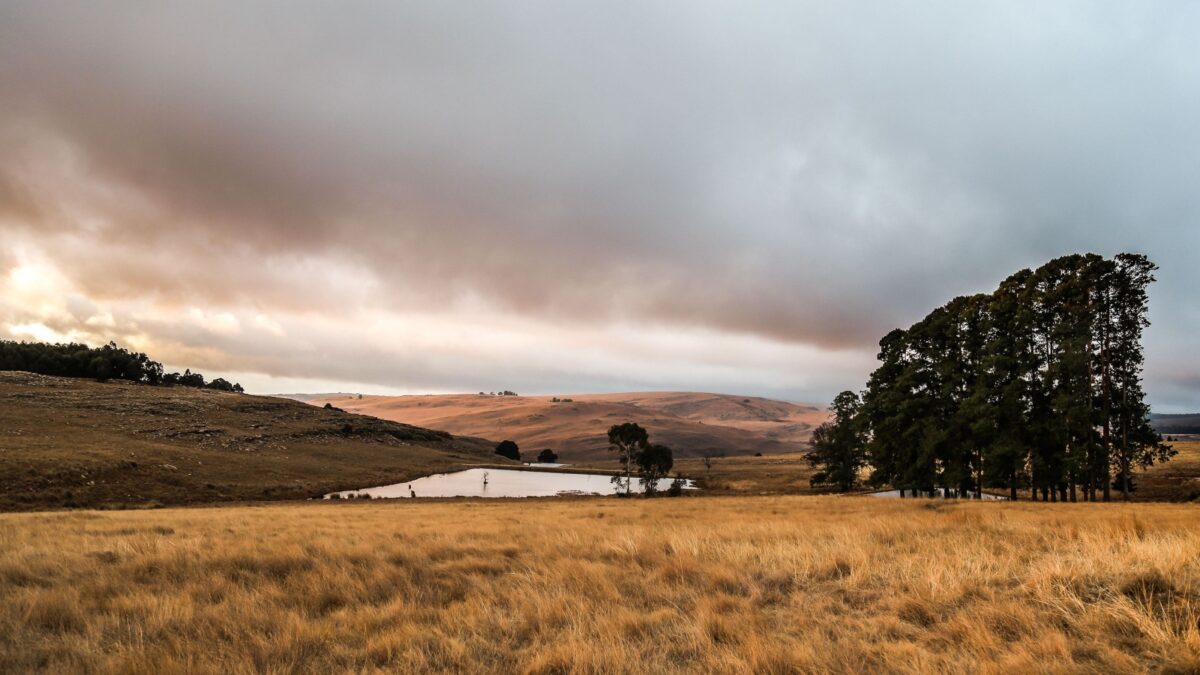
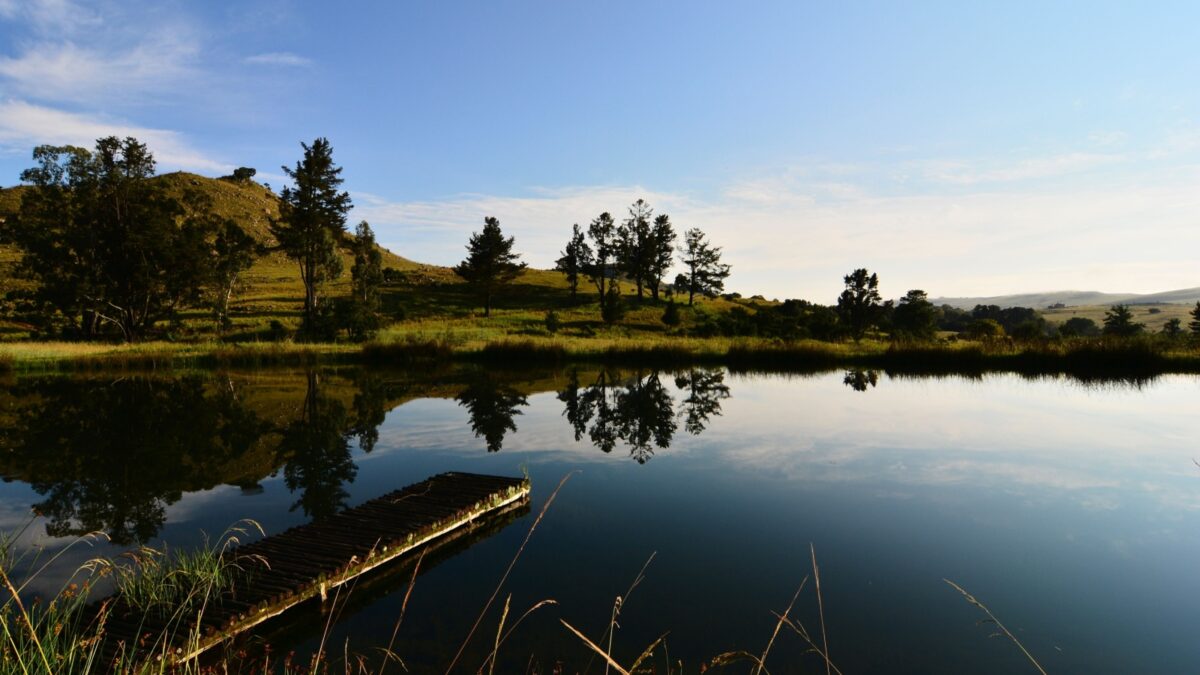
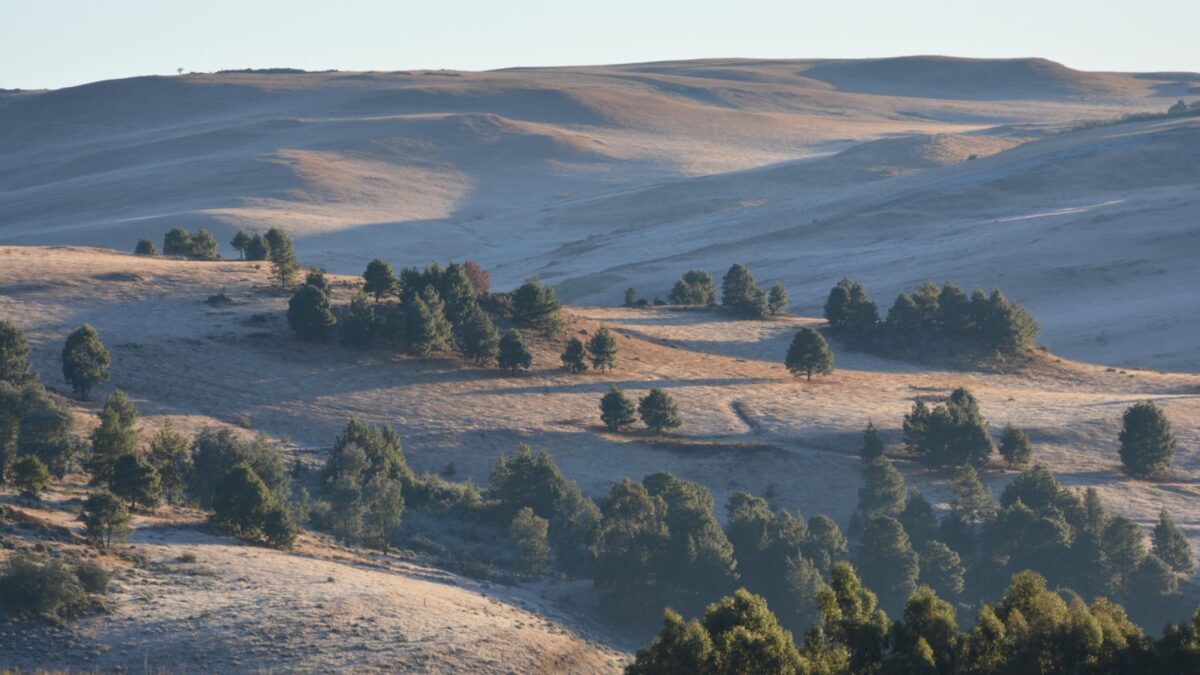
Dullstroom photos







 Loading ...
No mention of the state of the surrounding roads.We stopped going there two years ago. Only those with large SUV’s can safely negotiate them.