
The small South African town that attracts famous authors and book lovers from around the world


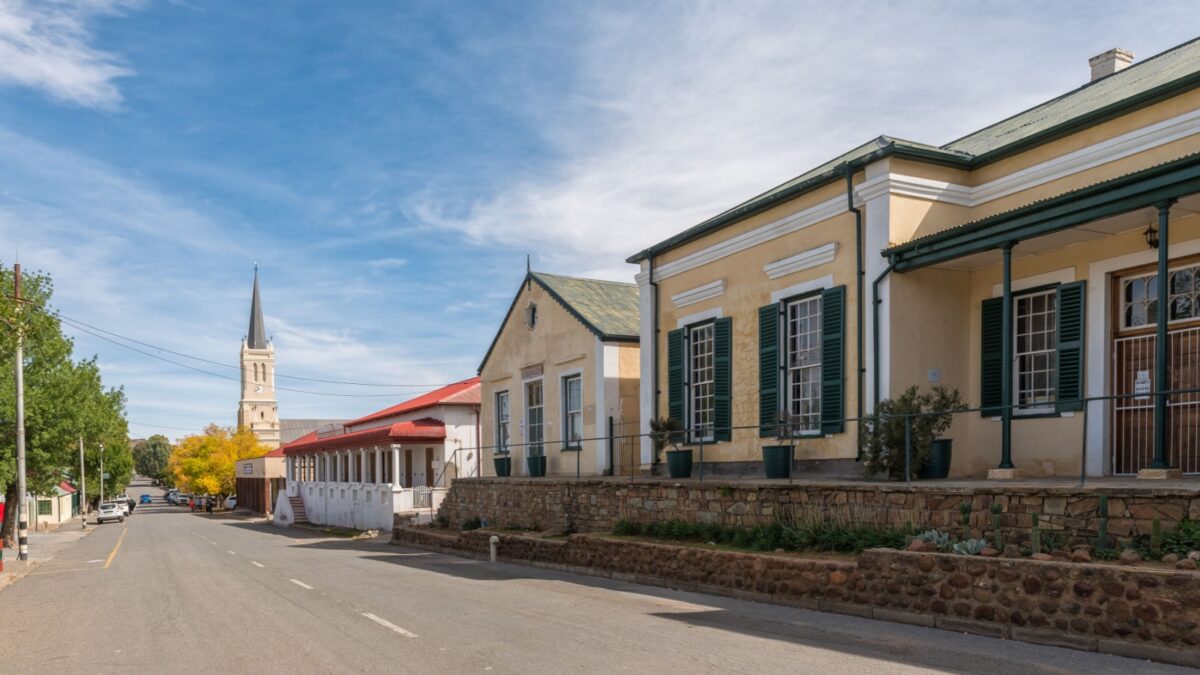
Voted one of the best small towns in South Africa, Richmond in the Karoo is considered the country’s only official ‘Book Town’, with its annual literary festival drawing visitors from around the world.
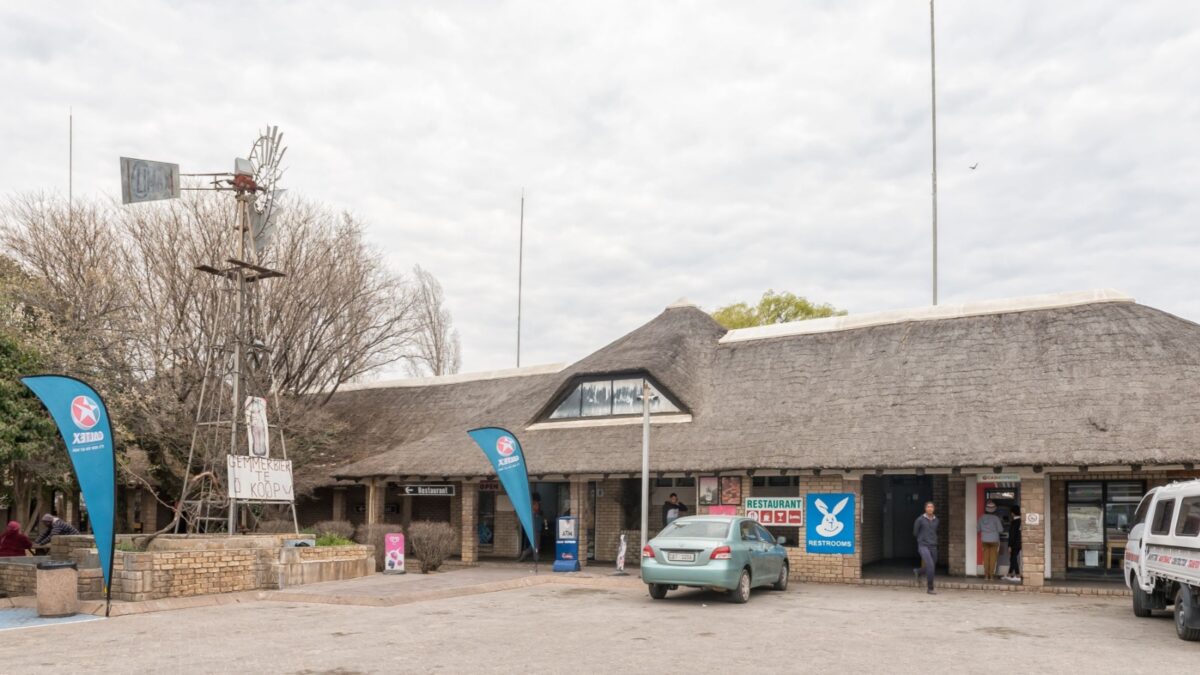
Richmond is located in the heart of the Northern Cape’s Great Karoo, alongside the N1, halfway between Cape Town and Johannesburg.
It is popular with both local and international tourists and has been recognised by Daily Maverick as one of the best small towns in South Africa.
Surrounded by wide plains and mountain ranges, the area was once known for vast herds of springbok before sheep farming became dominant, giving rise to the region’s famous Karoo lamb.
The town was established in 1843 on the farm Driefontein to serve the religious needs of local farming communities. During this period, local residents sought to rename the town after Cape Governor Sir Peregrine Maitland.
However, he suggested that it should instead be named after his father-in-law, Charles Lennox, the 4th Duke of Richmond. The name officially became Richmond in 1845.
Despite its remote location, Richmond developed into an important Karoo settlement. It became a magisterial district in 1848 and a municipality in 1854.
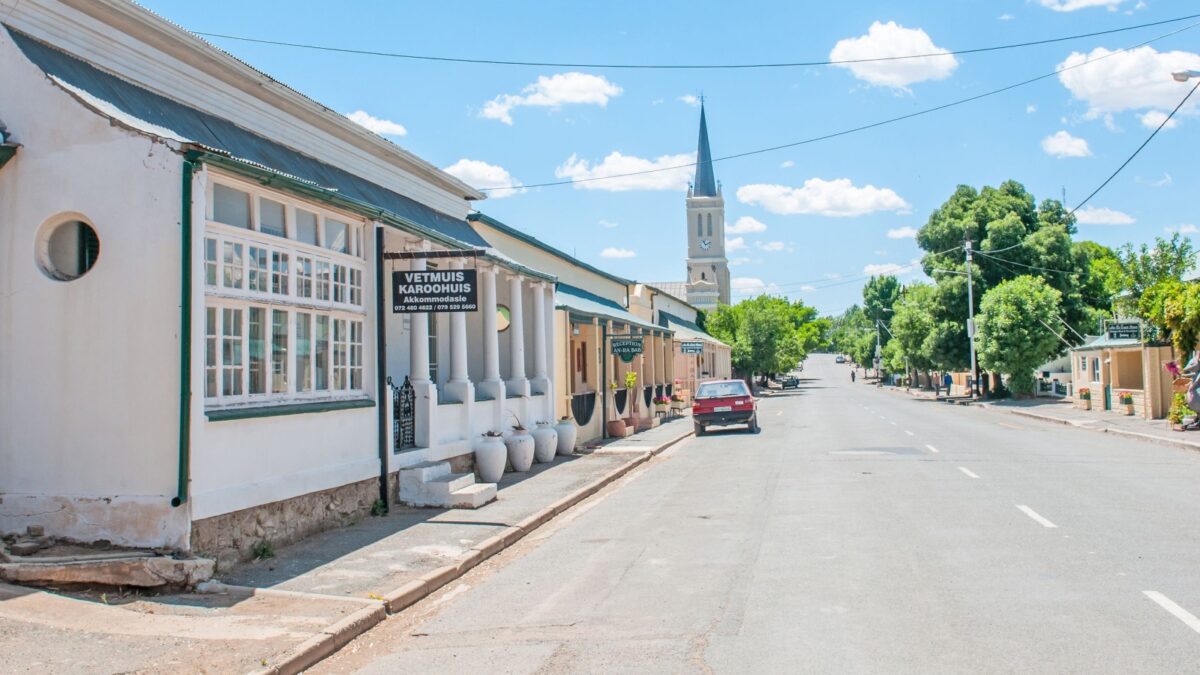
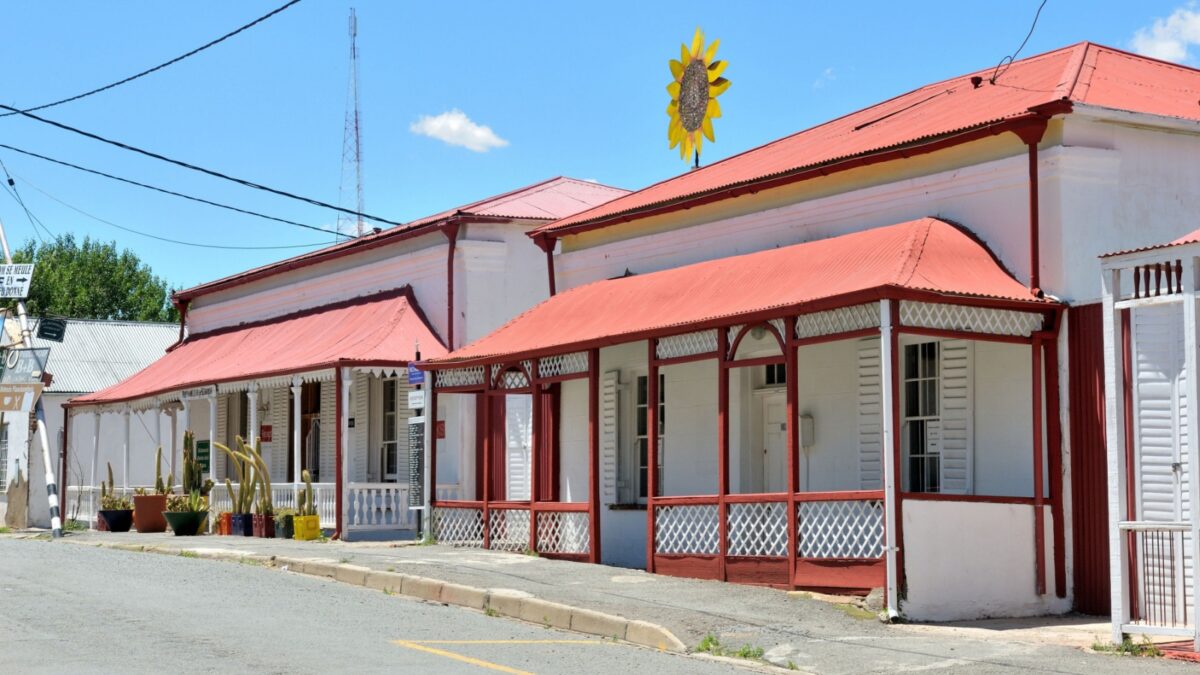
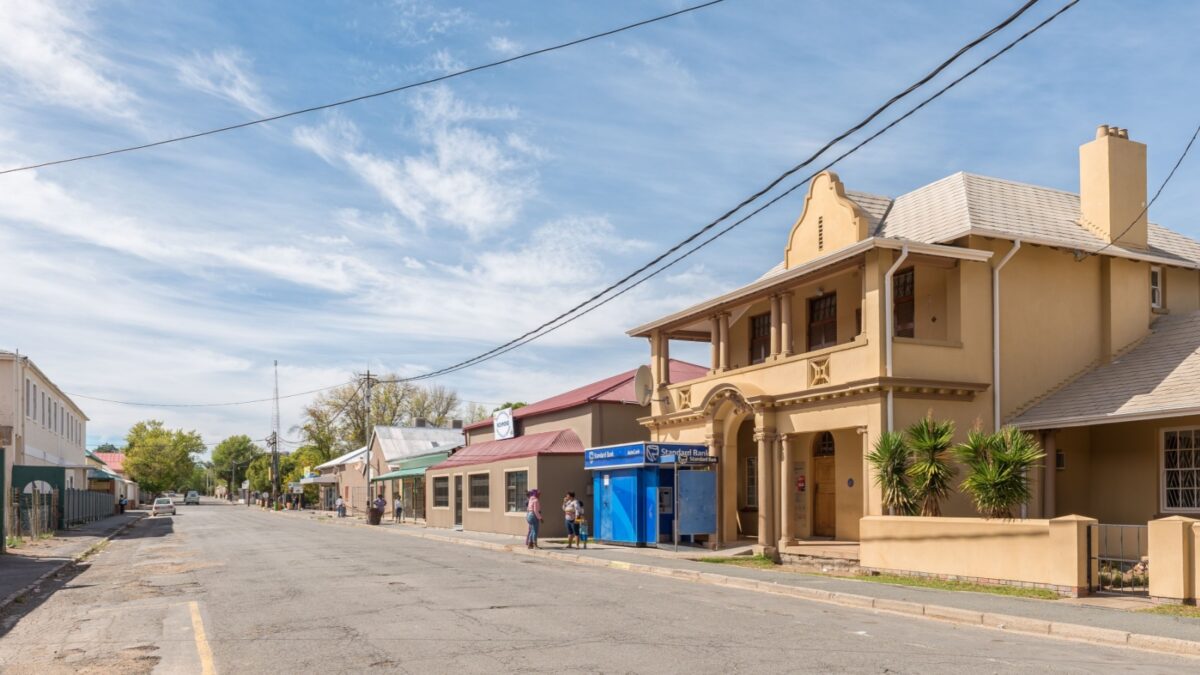
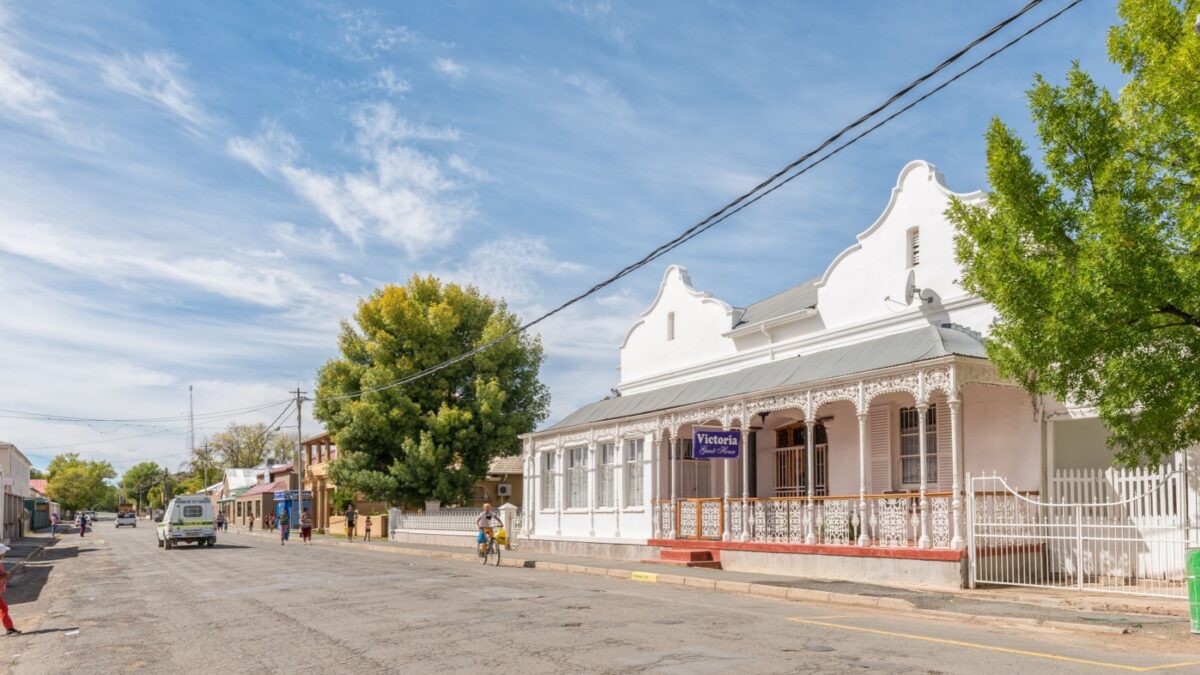
Much of the town’s historic character remains intact today. Victorian and Edwardian buildings line the streets, with many old Karoo cottages and verandahs dating back more than a century.
During the Anglo-Boer War between 1900 and 1902, the surrounding area saw numerous clashes between British and Boer forces in the guerrilla phase of the conflict.
Richmond also has several unusual attractions linked to its history. The town is home to one of only two Saddle Horse Museums in the world.
The other is located in Kentucky, in the United States. The museum displays saddles, harnesses, horse-drawn carriages and other equestrian artefacts.
Visitors can also see Daniel Skuil’s traditional brickworks, where bricks are still produced using centuries-old methods, with a donkey-powered mixing wheel.
South Africa’s only Book Town
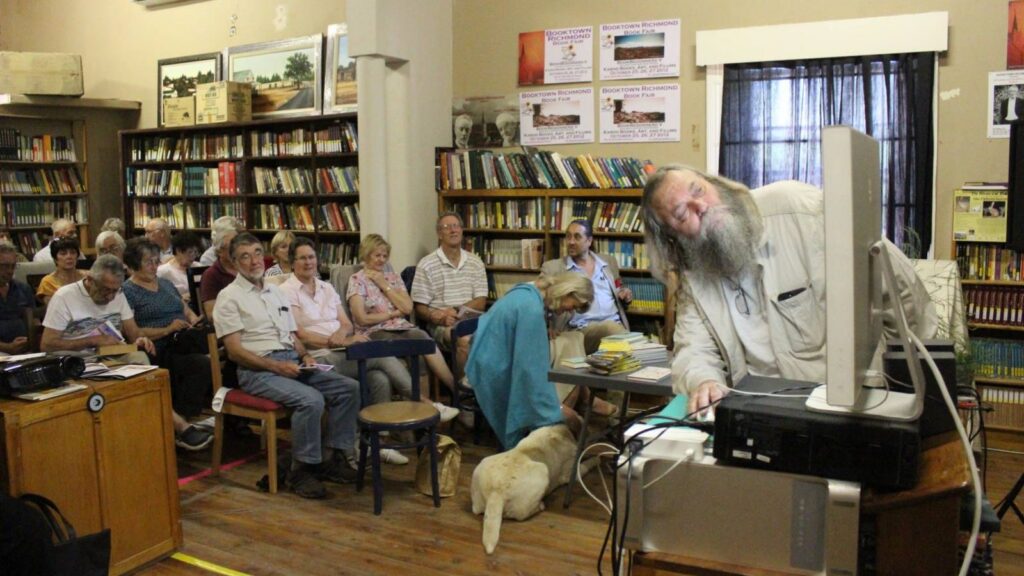
Richmond’s historic character is not its only drawcard. The town is recognised as South Africa’s only official Book Town and the only one of its kind in Africa.
The town is home to more than a dozen second-hand bookshops, many of which are filled floor to ceiling with rare and collectable books.
Richmond’s designation as a Book Town was awarded by the International Organisation of Booktowns, which recognises only a small number of towns worldwide.
The decision considered Richmond’s large concentration of bookshops, literary culture, historic character and tourism infrastructure.
One section of the town features several interconnected Victorian cottages that together form one of South Africa’s largest second-hand bookshops.
The town’s popularity with literary enthusiasts has completely transformed its fortunes, said Richmond resident Peter Baker, one of the founders of the annual BoekBedonnerd Literary Festival.
He explained that the Book Town status has helped reverse years of population decline as more people move to the town seeking a quieter lifestyle.
Richmond has also developed a growing collection of guesthouses, restaurants, coffee shops, galleries, and antique stores that cater to visitors year-round.
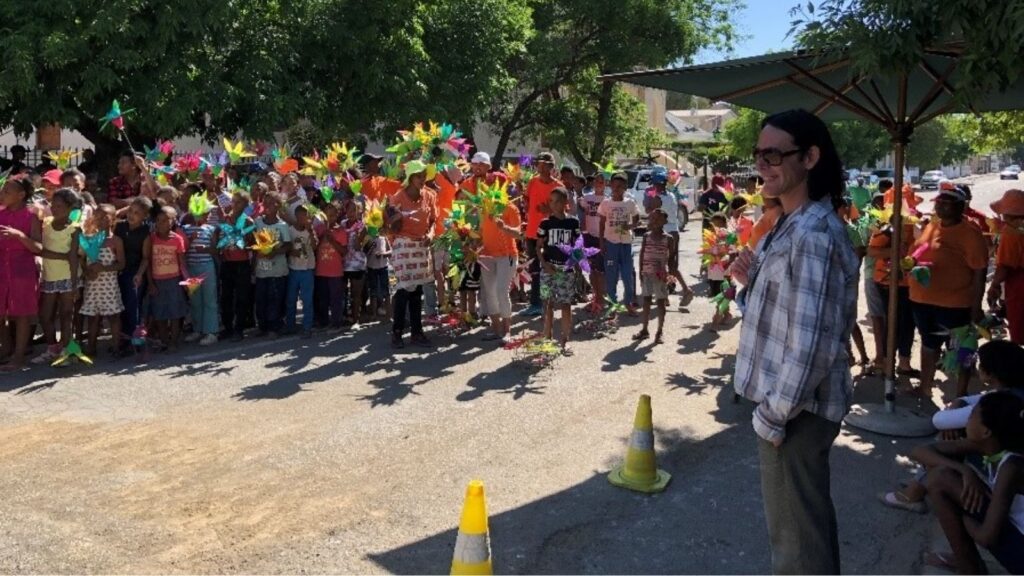
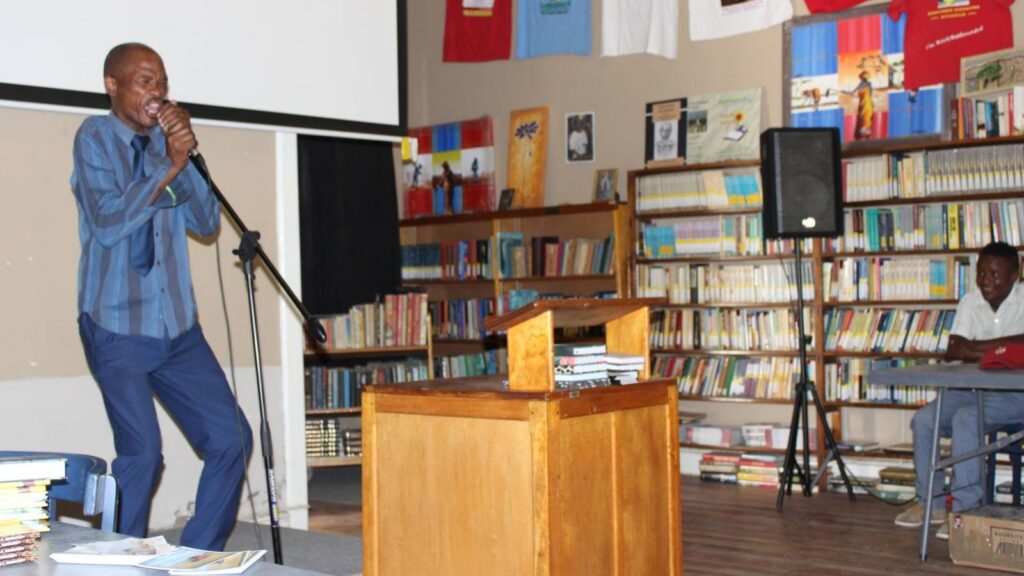
The most important event on Richmond’s literary calendar is the BoekBedonnerd Literary Festival, which is held annually during the last weekend of October.
The festival was founded in 2007 by Afrikaans lecturer Darryl David, who drew inspiration from the famous Hay Festival in Hay-on-Wye, Wales.
Together, he and Baker launched the festival. Its beginnings were humble, with the pair using the town’s small library and community halls to host the event.
Now, nearly two decades later, BoekBedonnerd has become one of South Africa’s well-known literary festivals. Every year, it attracts visitors from across South Africa and internationally. However, many sessions remain free to attend.
Over the years, the festival has hosted acclaimed writers including Ben Okri, John Banville, Breyten Breytenbach, Deon Meyer, Athol Fugard, Antjie Krog, Mongane Wally Serote, Albie Sachs and Shehan Karunatilaka.
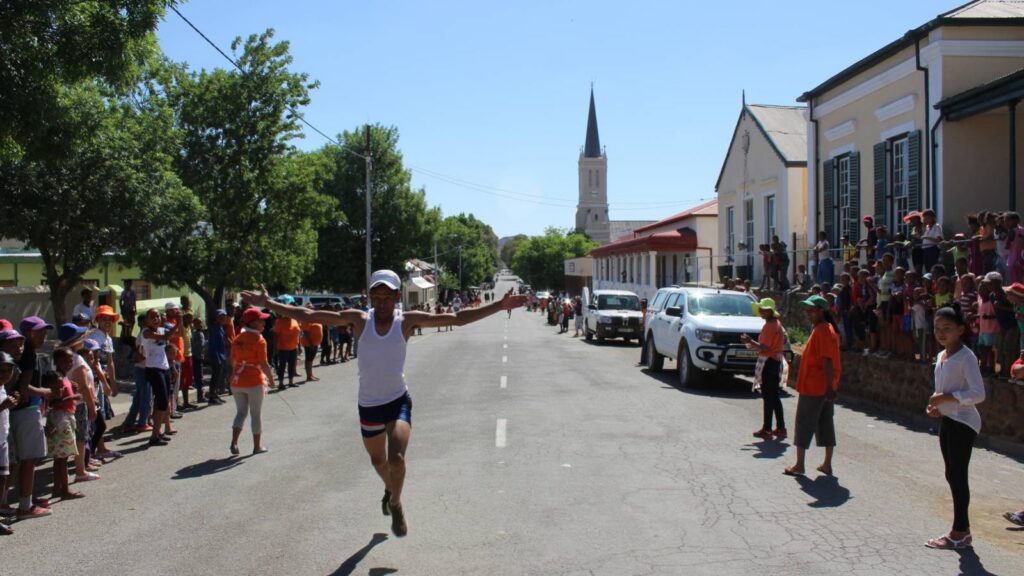
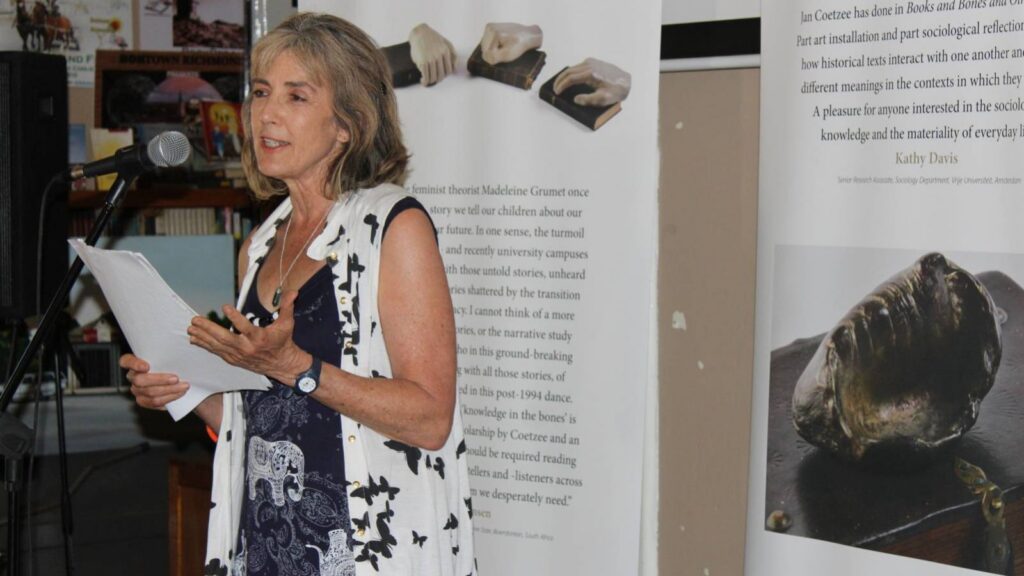
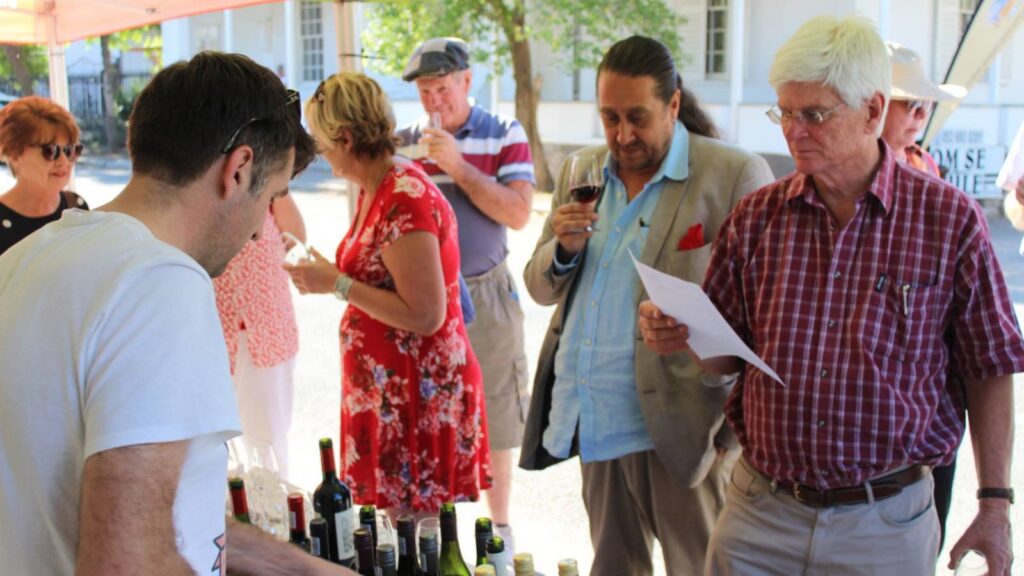
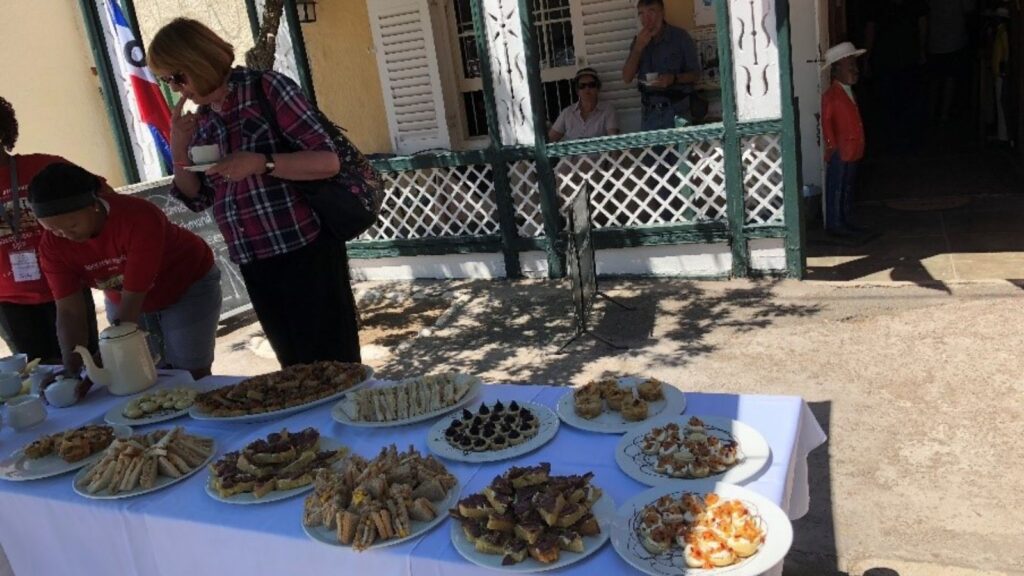
Alongside author talks, visitors can enjoy poetry readings, history discussions, film screenings, art exhibitions, food stalls, wine tastings, a farmers’ market and the Richmond Mile Road Race.
The festival has survived financial challenges through crowdfunding, local sponsorships, volunteer support and donations from international patrons.
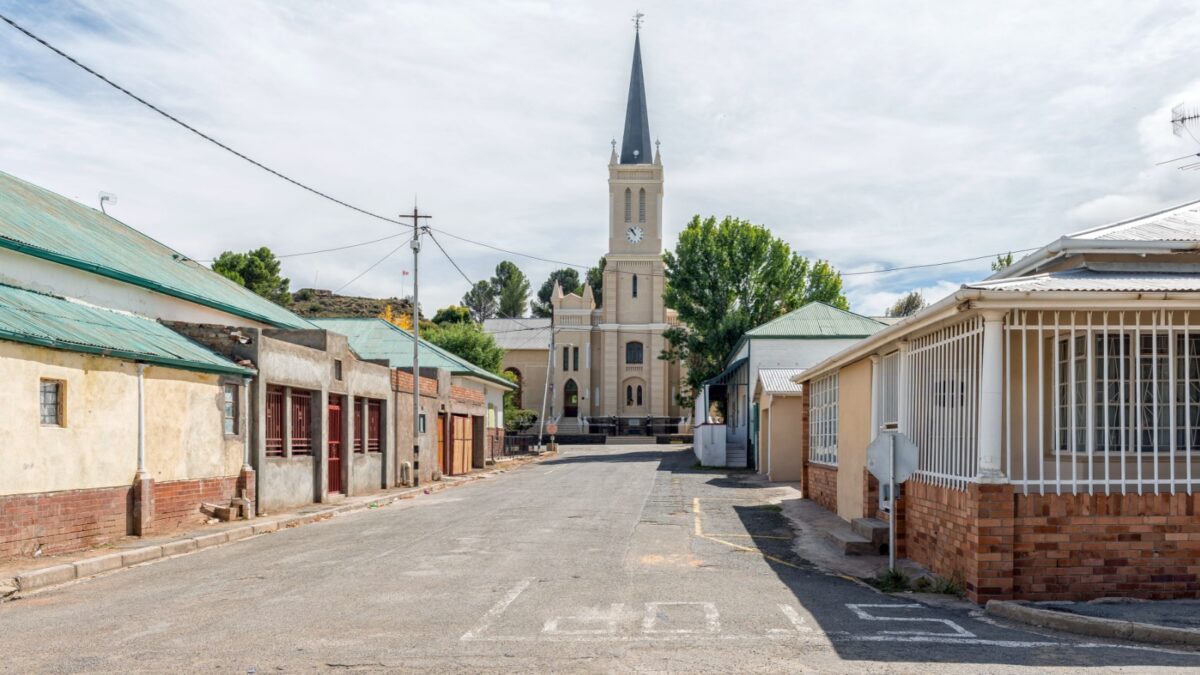
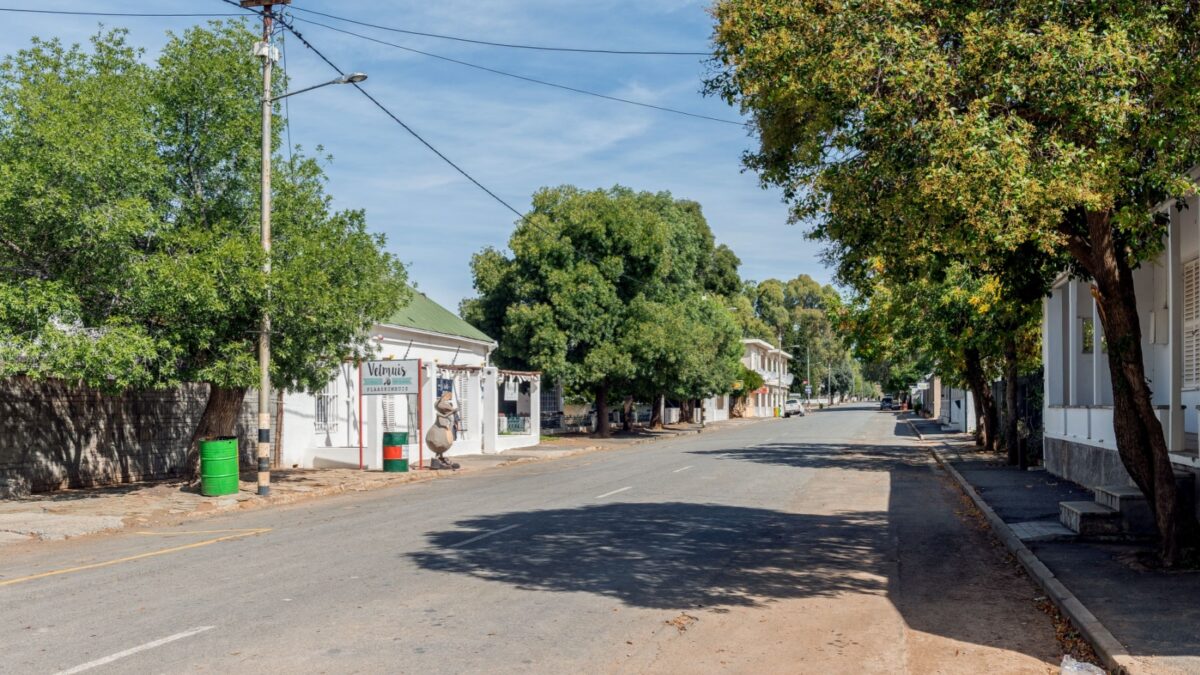
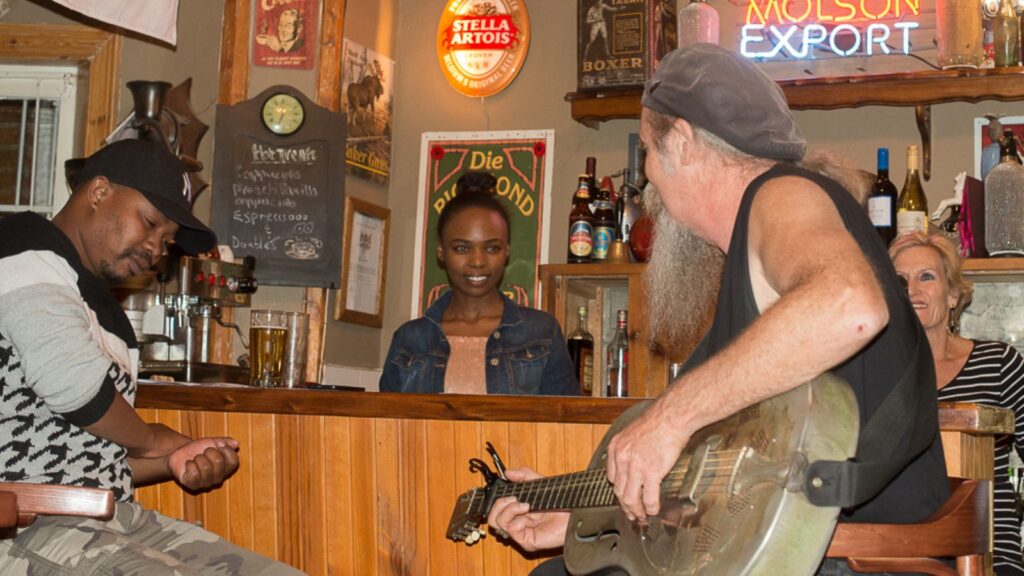
Photos of Richmond





 Loading ...
Good to know,I thought Merweville was famous for attracting famous authors.