
The 149-year-old South African seaside village that former president PW Botha declared a national park


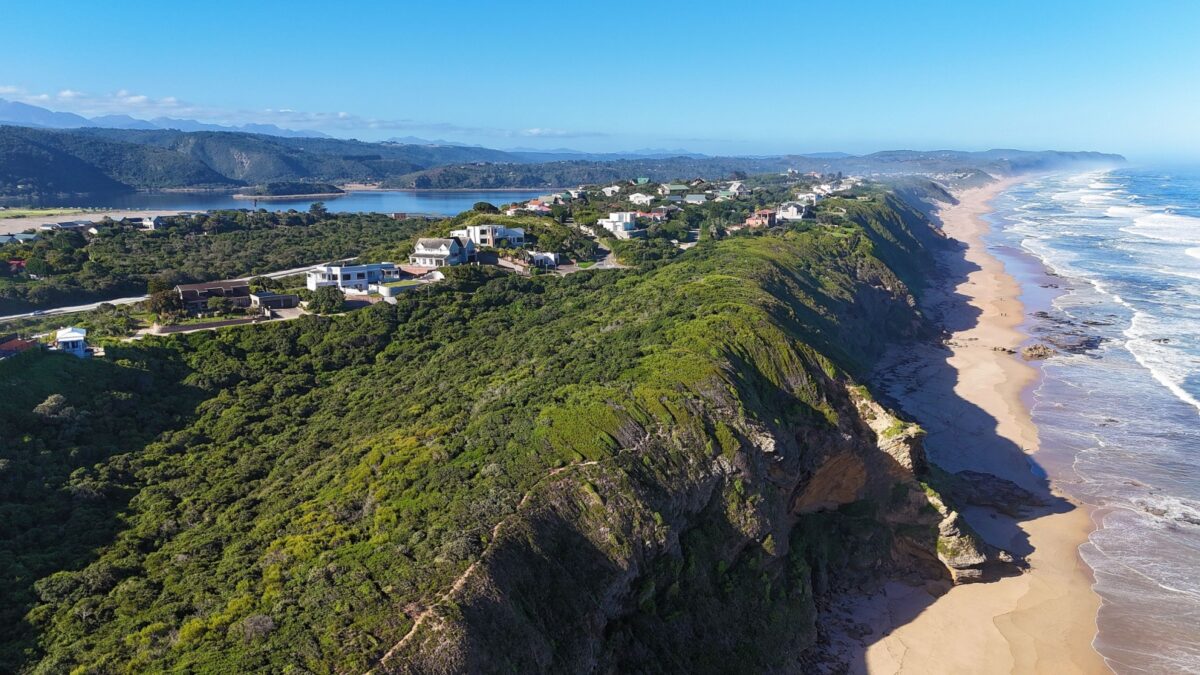
Between mountains, forests, and lakes on one side and the Indian Ocean on the other, lies the quiet holiday village of Wilderness.
Indigenous San people lived in or around the Garden Route village several hundred years ago, but the region remained largely untouched by Europeans during the early period of settlement.
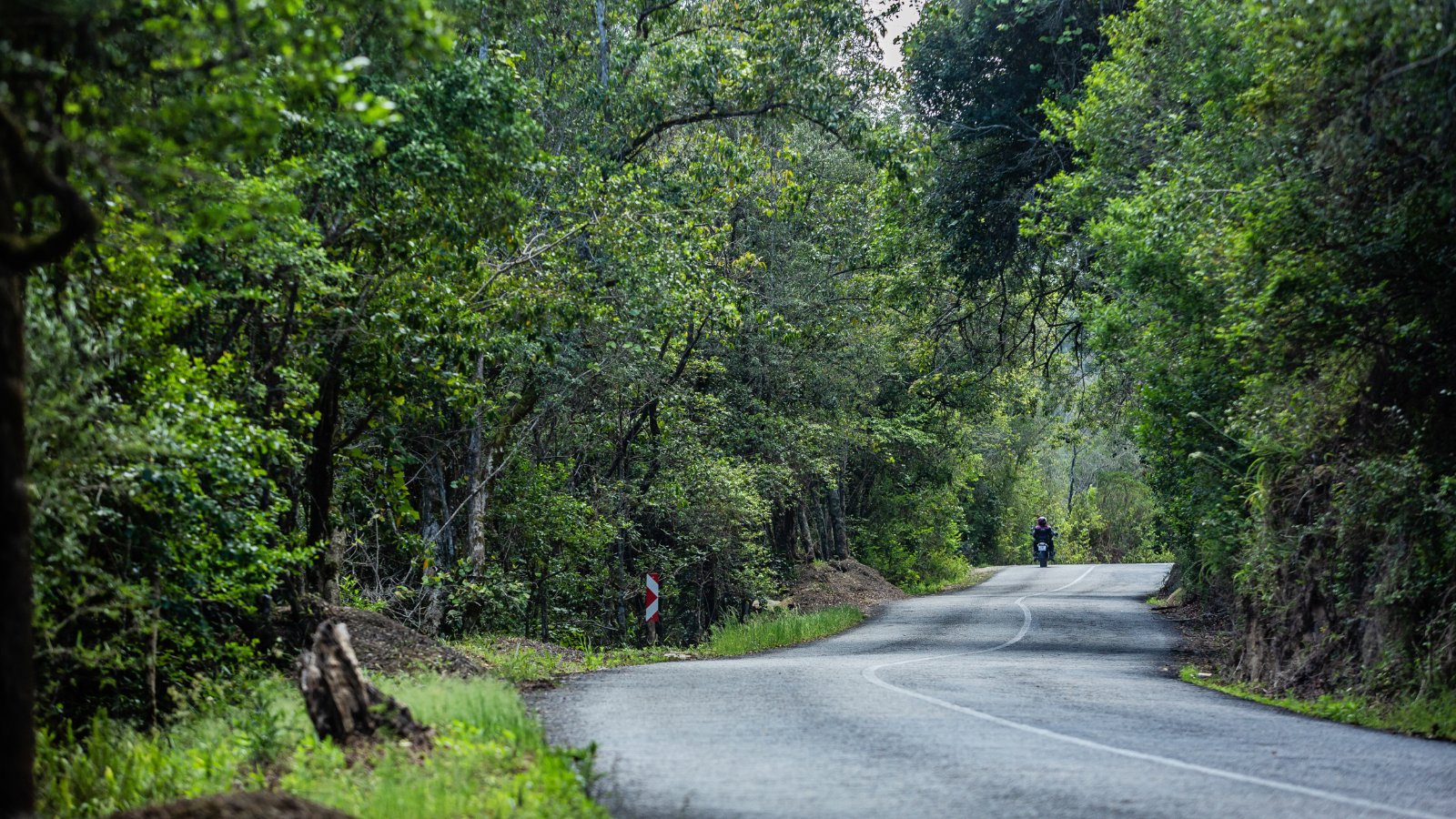
The gorges of the Kaaimans and Touw rivers made it difficult to access the area by ox wagon, the preferred mode of transport for people settling across South Africa.
Road engineer Thomas Bain’s construction of the first proper road through the area in the late 1860s paved the way for the village’s establishment.
The first settlers arrived in 1877, when George Benett, from Liverpool, England, bought a piece of land at the mouth of the Touw River.
He named the farm Wilderness after a remark by his wife Henriëtta, who exclaimed, “What a wilderness” upon seeing the landscape for the first time.
Following the end of the Anglo-Boer War in 1902, Montagu White bought the property and converted the farmhouse into a guest house.
White served as the Consul-General for London in the Zuid-Afrikaansche Republiek during the 1890s. Over time, the farm was developed into a proper hotel.
Roads and plots for houses were also rolled out in the area, primarily in the vicinity of a lagoon. A shop, petrol pump, and post office soon emerged.
The opening of the Wilderness railway station along the line between George and Knysna in 1928 made the village even more accessible for visitors.
The next major infrastructure development in the area was the construction of the N2 crossing the Touw River. It bypassed the Seven Passes road, opening the floodgates for holidaymakers.
The town slowly expanded outward, with new areas including Wilderness East, Kleinkrantz, and Die Duine. However, residents resisted extensive commercialisation.
Protected status stops heavy commercialisation
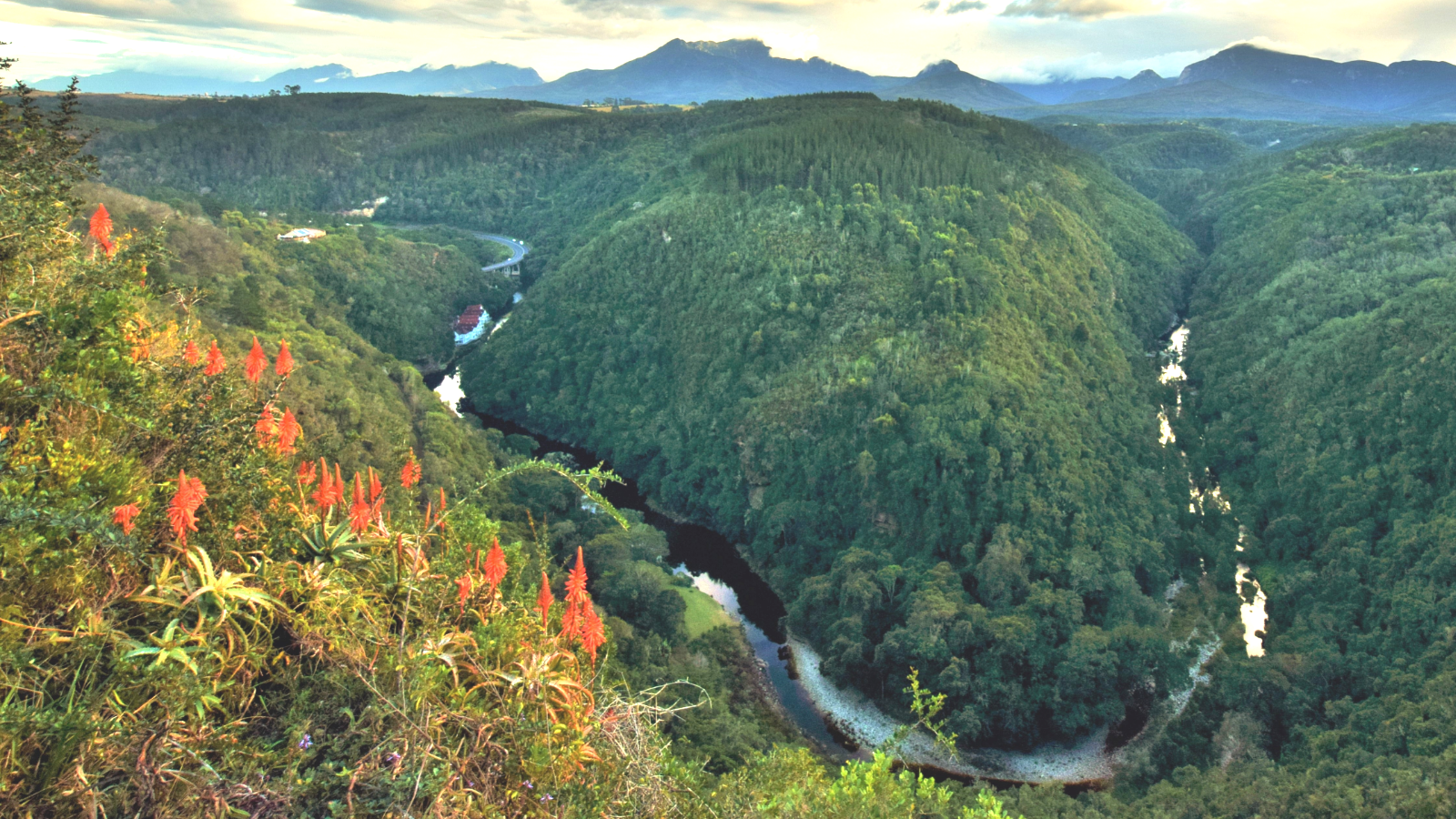
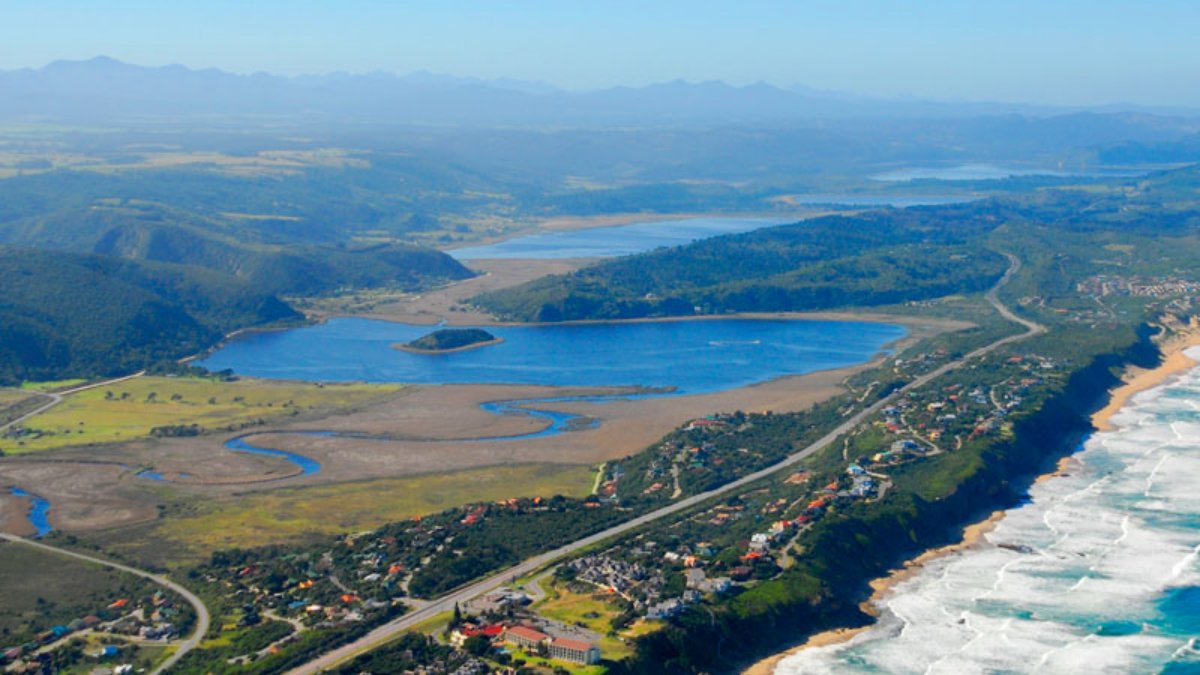
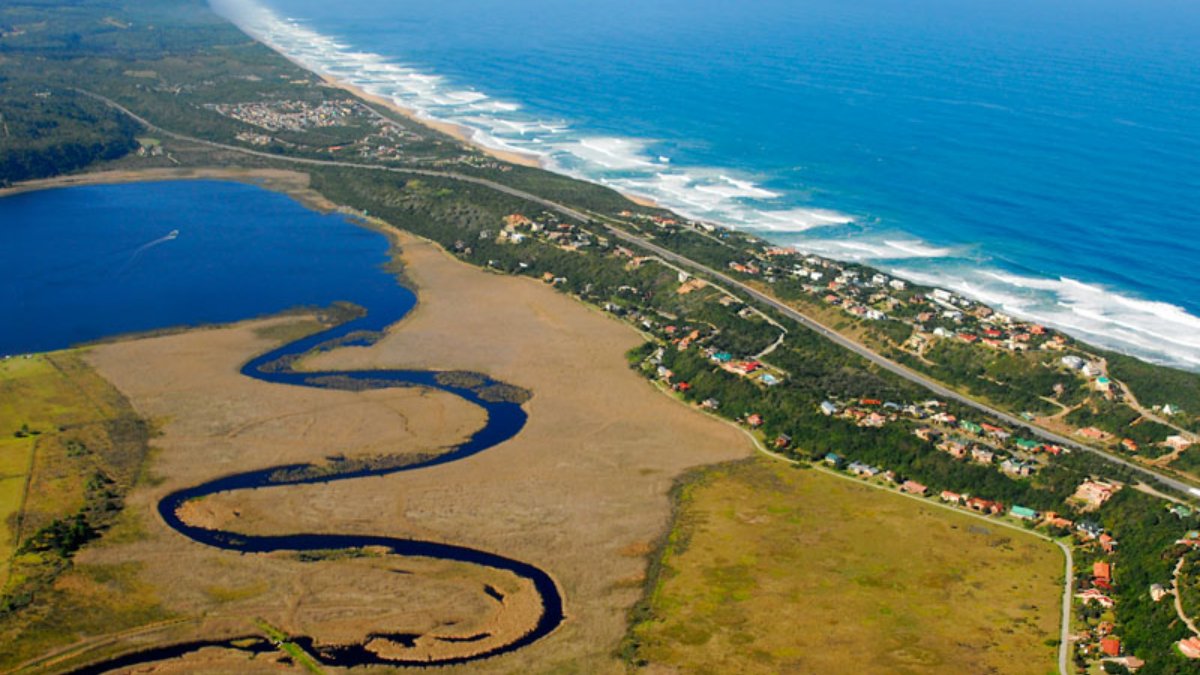
In 1987, the government proclaimed the area from the mouth of the Touws River to the Eilandvlei estuary, linking into Swarvlei Lake, as the Wilderness National Park.
PW Botha, who was president at the time, had a house in Wilderness called Die Anker, where he spent his years in retirement.
The protected area creates a natural border where development is prohibited or limited, ensuring Wilderness remains quiet outside of peak holiday periods.
The park is a destination for nature lovers, particularly birdwatchers. It also offers a host of activities for adventure-seekers.
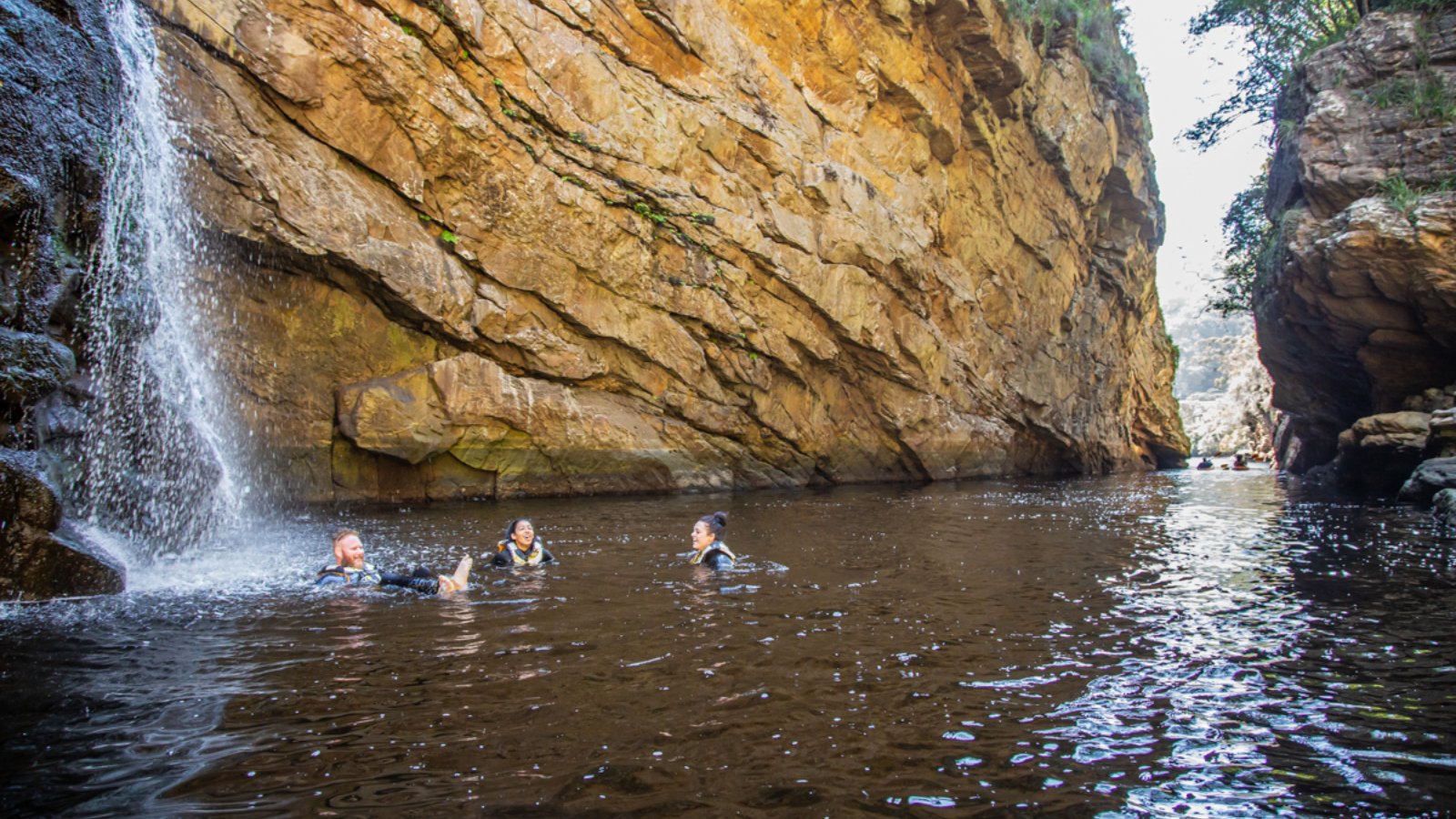
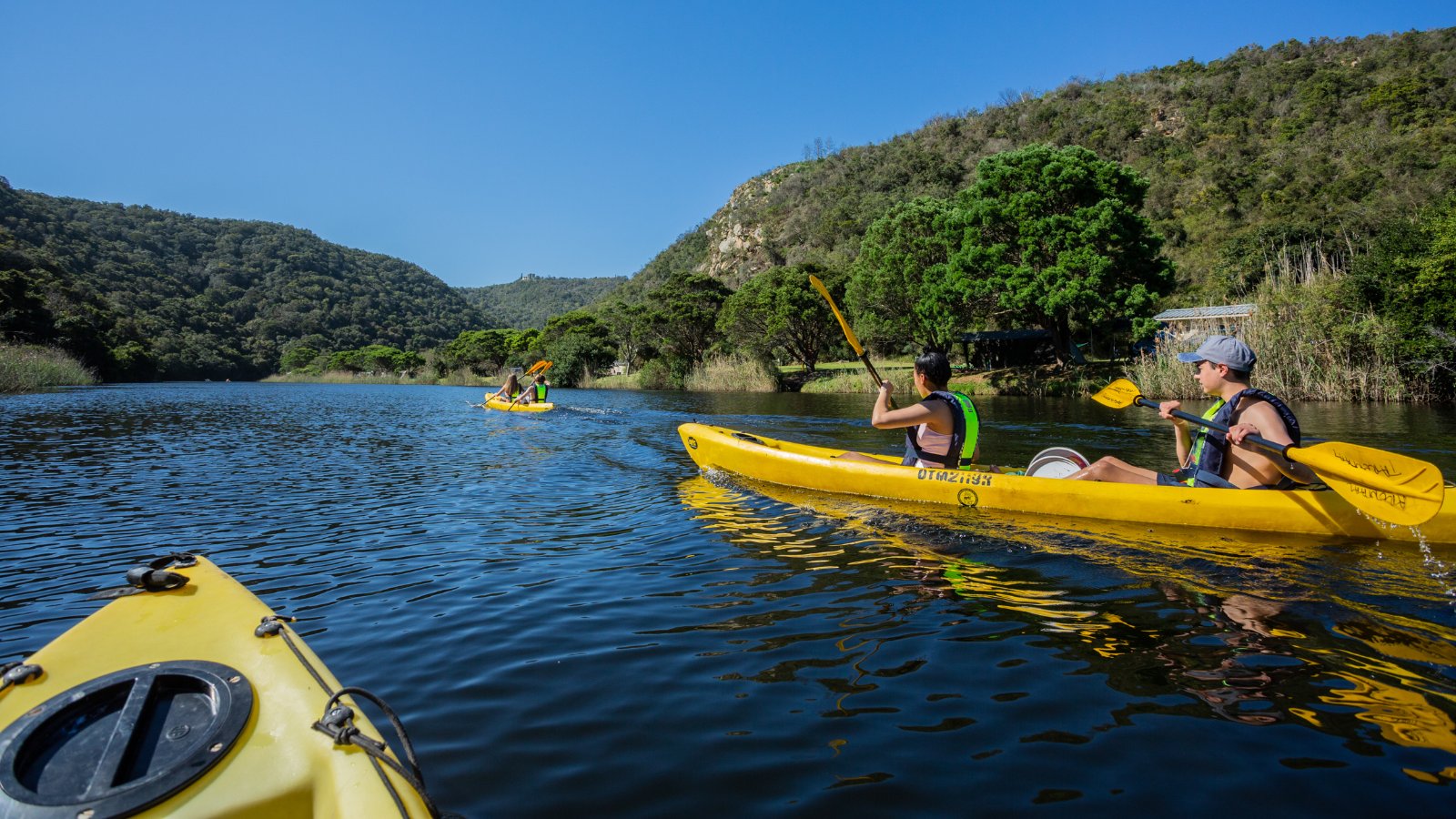
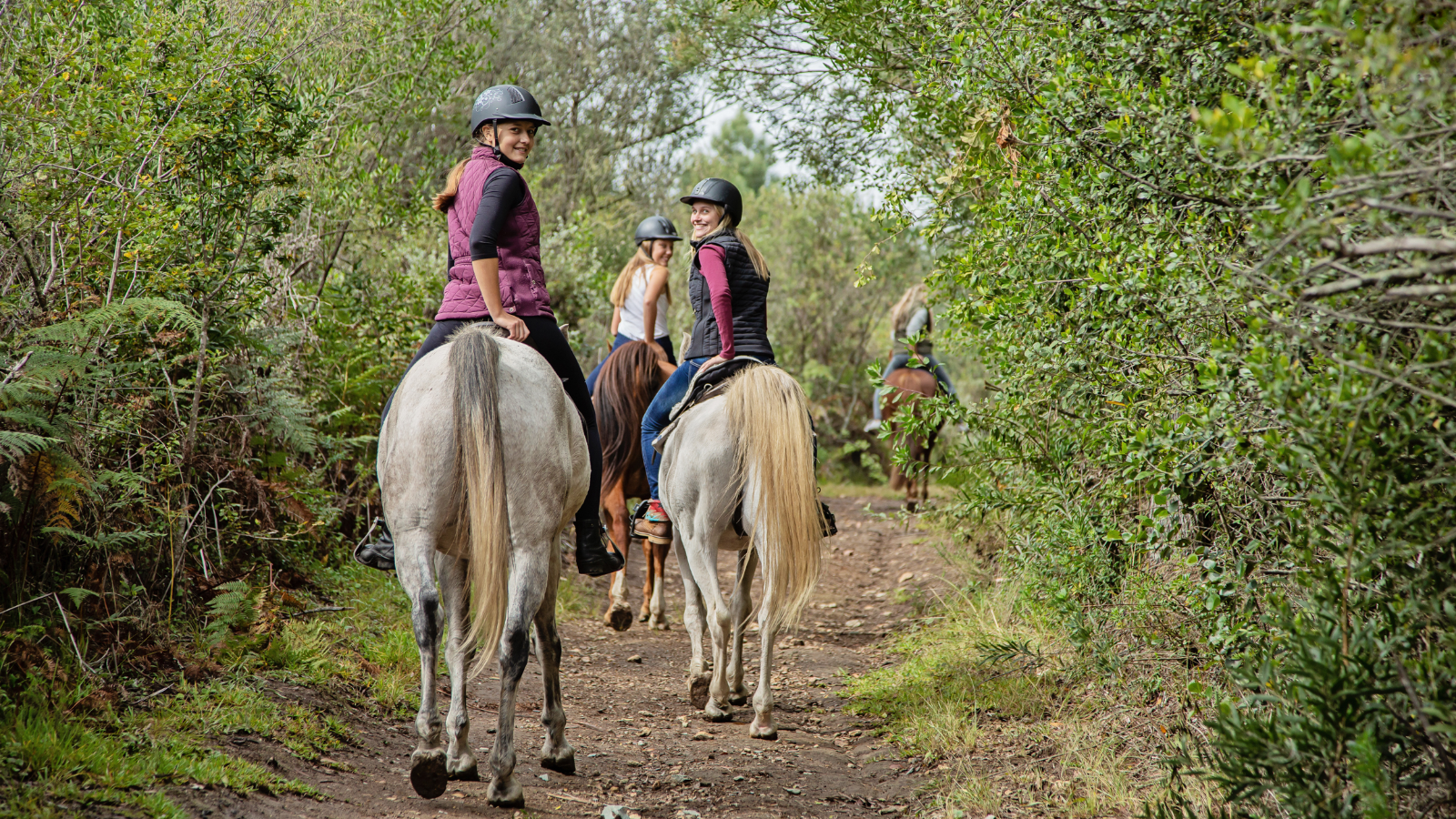
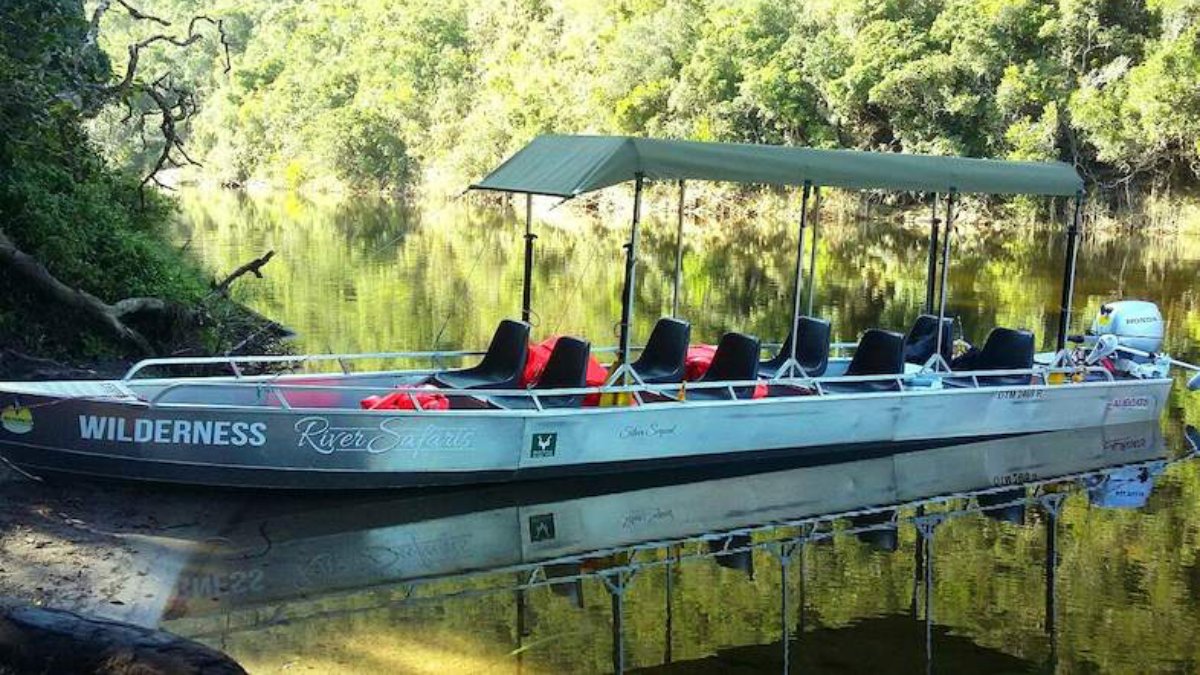
These include hiking, horse riding, mountain biking, canoeing, kayaking, kloofing, paragliding, and river safaris via boat.
Two popular viewpoints in the area offer breathtaking views of the landscape and coast: the Map of Africa and Dolphin Point.
An estimated 6,500 people call the greater Wilderness area home, but they are spread over a large area, meaning there are roughly just 166 people per km².
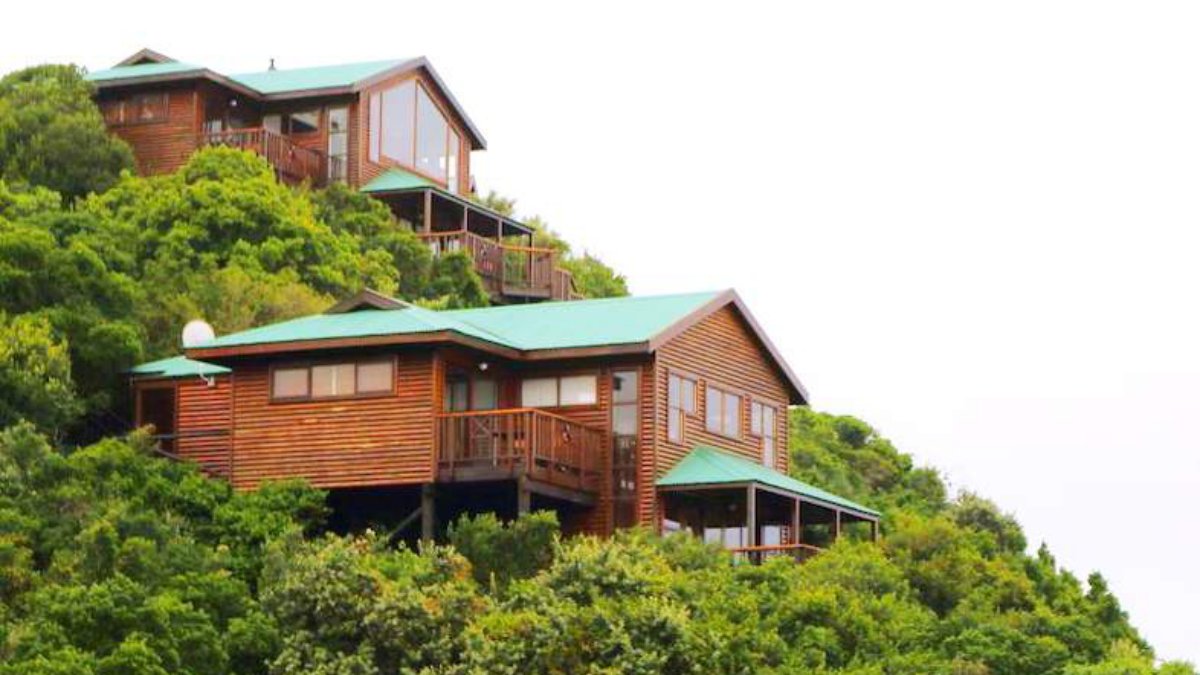
This makes Wilderness the ideal area for those seeking a peaceful home. The combination of limited development and a prime location drives up residential property prices.
In Wilderness Central, a 625m² piece of vacant land or a 31m² single-bedroom apartment will set you back R1.55 million.
The most affordable 3-bedroom house in the area was priced at R3.3 million, although it was more common for 2- and 3-bedroom properties to be priced well over R4 million.
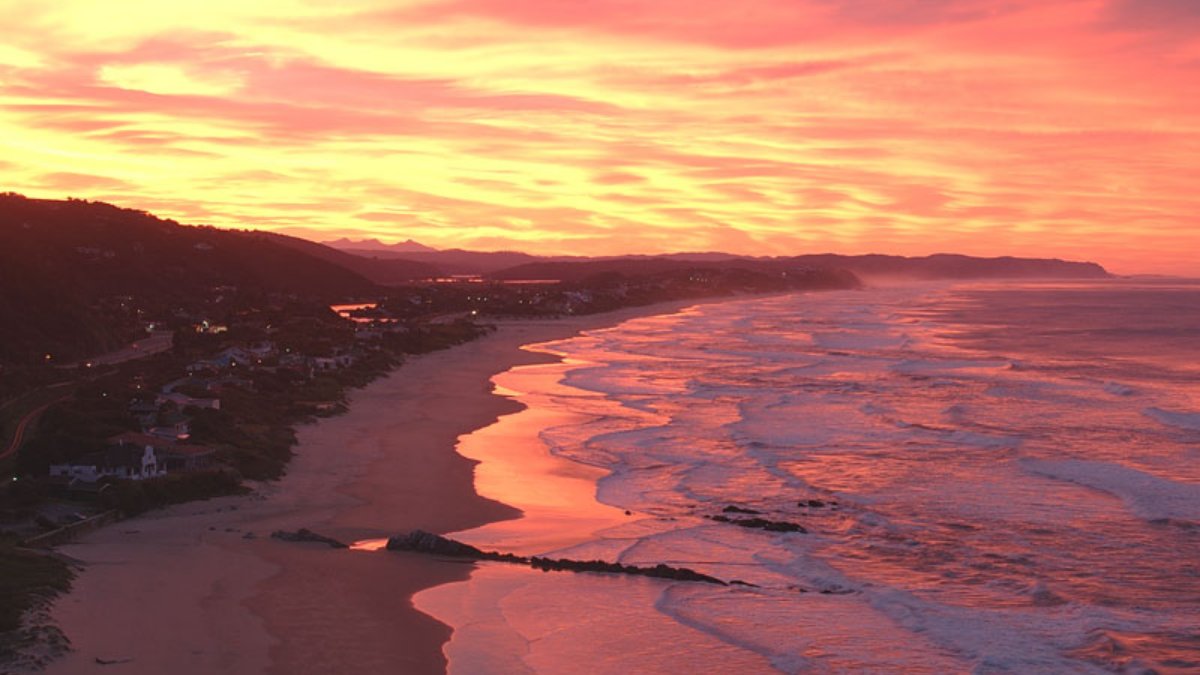
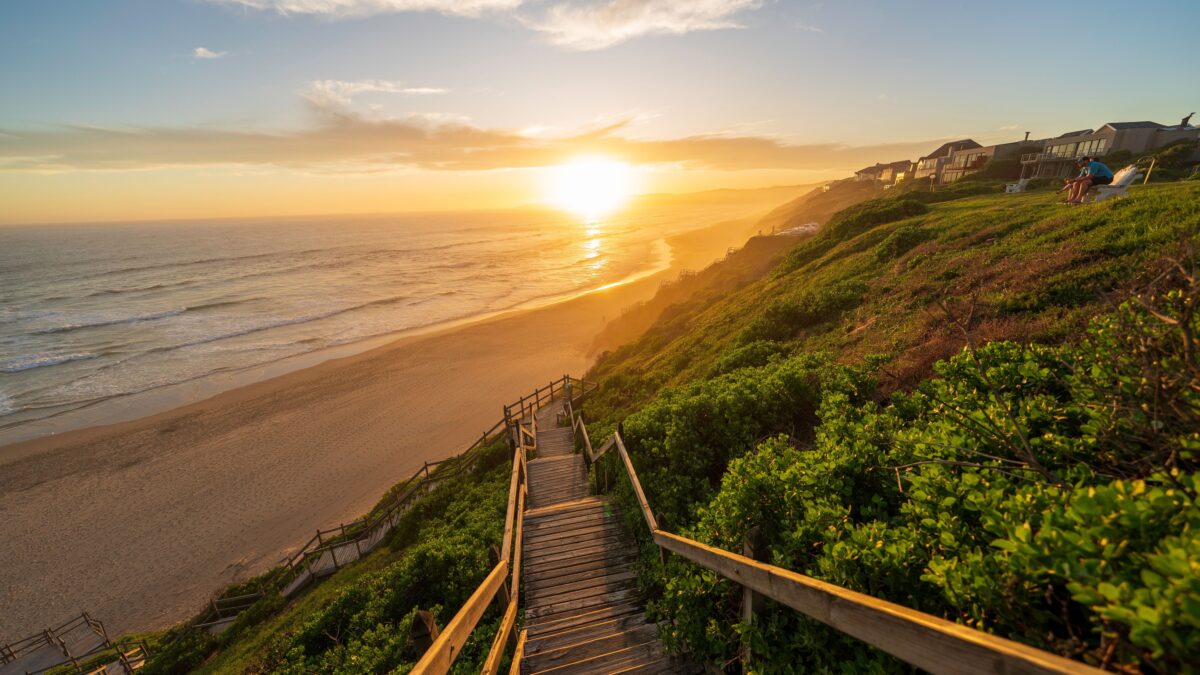
Photos of Wilderness and the surrounding areas




 Loading ...