
Only 40% of South Africans pass the new learner’s license tests


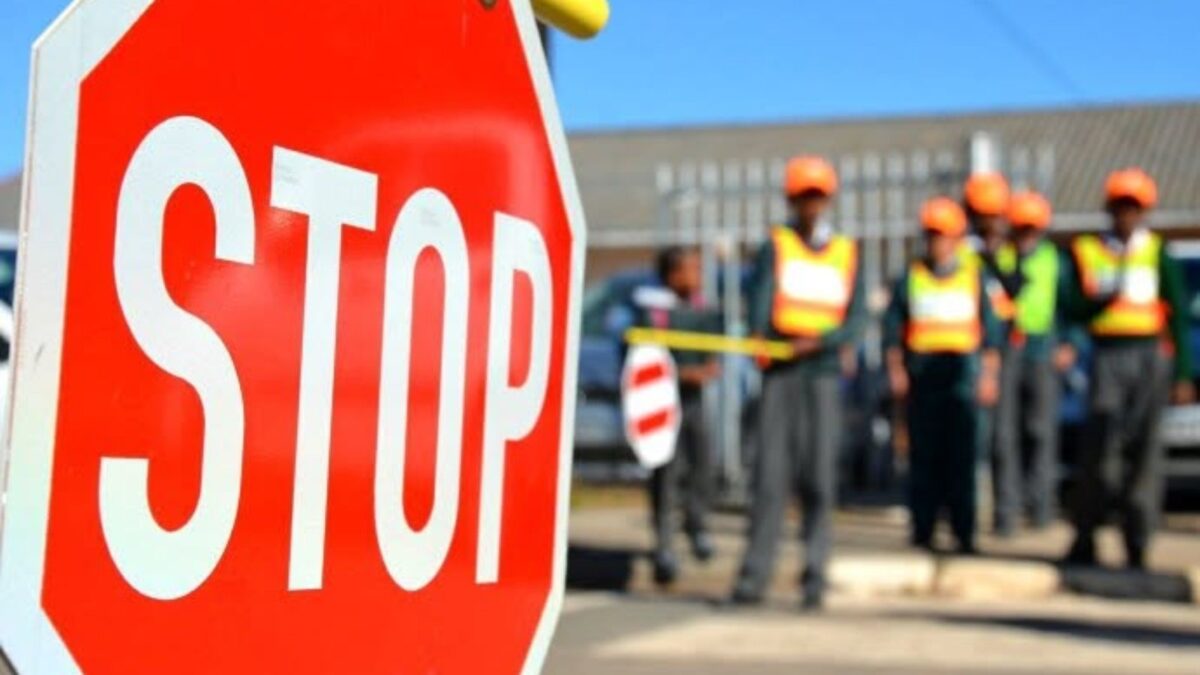
South Africa’s new learner’s license tests have caused pass rates to plummet, but the problem could be due to digital literacy.
In May 2026, the national pass rate for learner’s license tests dropped from 68% to 40% after changes to the previous format.
The Road Traffic Management Corporation (RTMC) overhauled the previous test, introducing electronic systems and a larger pool of questions.
The new test has 1,200 questions, with the digital system selecting 64 at random for each test and automatically grading them.
This differs from the old format, where traffic officials allegedly knew which questions would be asked and helped test-takers cheat.
In an interview with Cape Talk, the National Driving School Association of South Africa (NDSASA) secretary general, Lazarus Mokwena, spoke about the new system.
He said the reason for the increased failure rate was a lack of digital literacy in South Africa, rather than a lack of knowledge to pass.
Digital literacy is a growing concern in South Africa, with an estimated 36% of citizens lacking basic computer skills.
Mokwena argued that this lack of digital skills left people unable to understand the format of the learner’s license test adequately.
“30% of the people looking for their learner’s license are not actually familiar with the computerised systems that the government has introduced,” he said.
He said the shift to digital systems had happened too quickly, leaving many South Africans unable to obtain a learner’s license.
“It’s not user-friendly at all, even the booking system itself,” he said. “Some people have never used a computer system in their lifetimes.”
Along with the test changes, the RTMC moved to an online-only booking system, creating a challenge for South Africans who do not own any digital devices.
The booking system was introduced to streamline the testing process and ensure that testing slots were allocated fairly.
The test is not hard, but it’s confusing
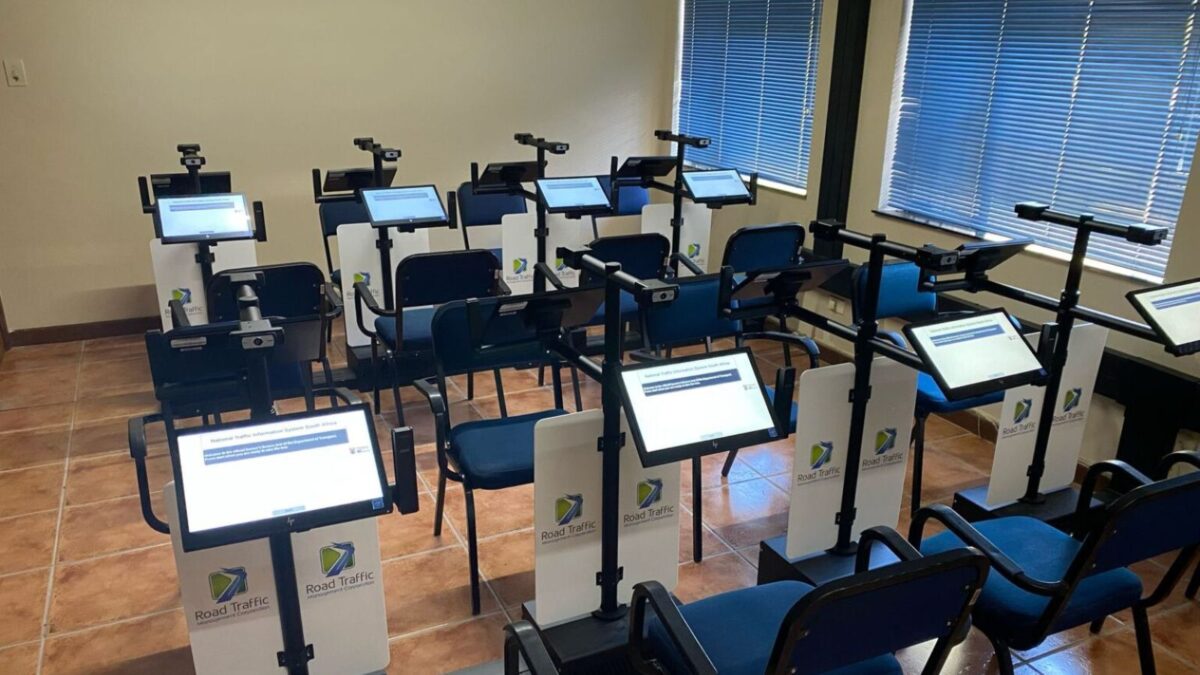
Another issue raised with the new tests was that the phrasing of some questions was not understandable to many South Africans.
The phrasing of questions was changed to ensure clarity and accurately assess each test-taker’s knowledge of road rules.
Mokwena said the problem with this change is that it isolates many South Africans who may know the answer but cannot understand how the question is asked.
He argued that if people cannot get their learner’s permits and subsequent driver’s license, there could be major economic consequences.
The first consequence could be fewer people on the roads, reducing the profitability of car manufacturers and petrol stations.
This would also result in a loss of tax revenue from the General Fuel Levy (GFL) and lower amounts going to the Road Accident Fund (RAF).
Without a driver’s license, many South Africans would also see their job opportunities shrink from a lack of reliable transport.
Many South Africans have to commute long distances for work and cannot rely on the existing public transportation infrastructure.
Fewer job opportunities are particularly worrying for South Africa, due to its 32.7% unemployment rate.
Since job opportunities are already limited, many citizens need to look outside of their communities for employment.
While the ability to travel independently is a major economic advantage, road safety must still be considered.
Roughly 12,000 people die on South Africa’s roads annually, with 88% of these fatalities occurring due to driver error.
This demonstrates a need to ensure that people are competent before they can get behind the wheel of a car.
South Africa’s previous learner’s testing format had significant flaws, allowing people to obtain licenses without having adequate knowledge of road rules.
The new system was introduced to correct this problem and increase the safety of South Africa’s roads.







 Loading ...
Unpopular opinion… But if you can’t figure out how to answer the questions on a tablet, you probably shouldn’t be driving. Perhaps the number of road accidents and trucks getting stuck in places they shouldn’t be (like the Swartberg Pass) will also decline.