
Trash piling up in South Africa’s richest city


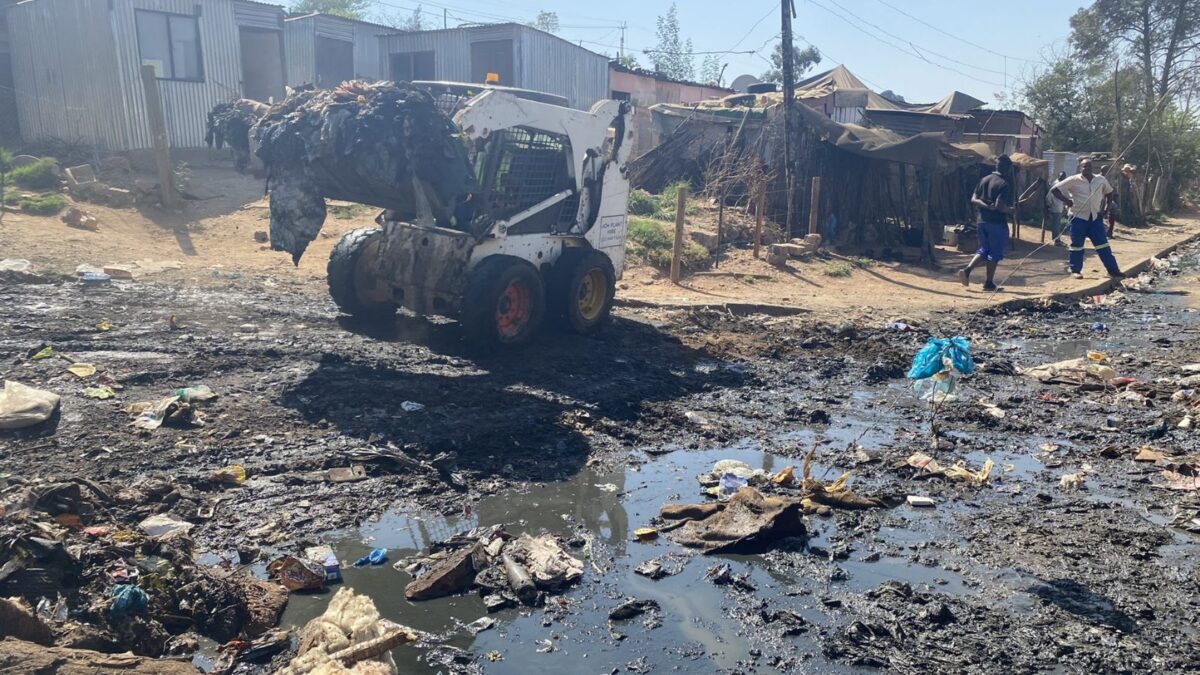
Refuse removal in Johannesburg has come to a standstill due to ongoing challenges with the city’s waste management company.
Johannesburg’s waste management partner, Pikitup, has increasingly struggled with operational pressures and payment delays.
The company is responsible for refuse collection across the entire city, spanning over 1,600 square kilometres.
Recently, the company has struggled after several landfill sites in the city have either been partially or completely closed.
These closures force trucks to drive much longer distances than before, increasing Pikitup’s operating costs and delaying service delivery.
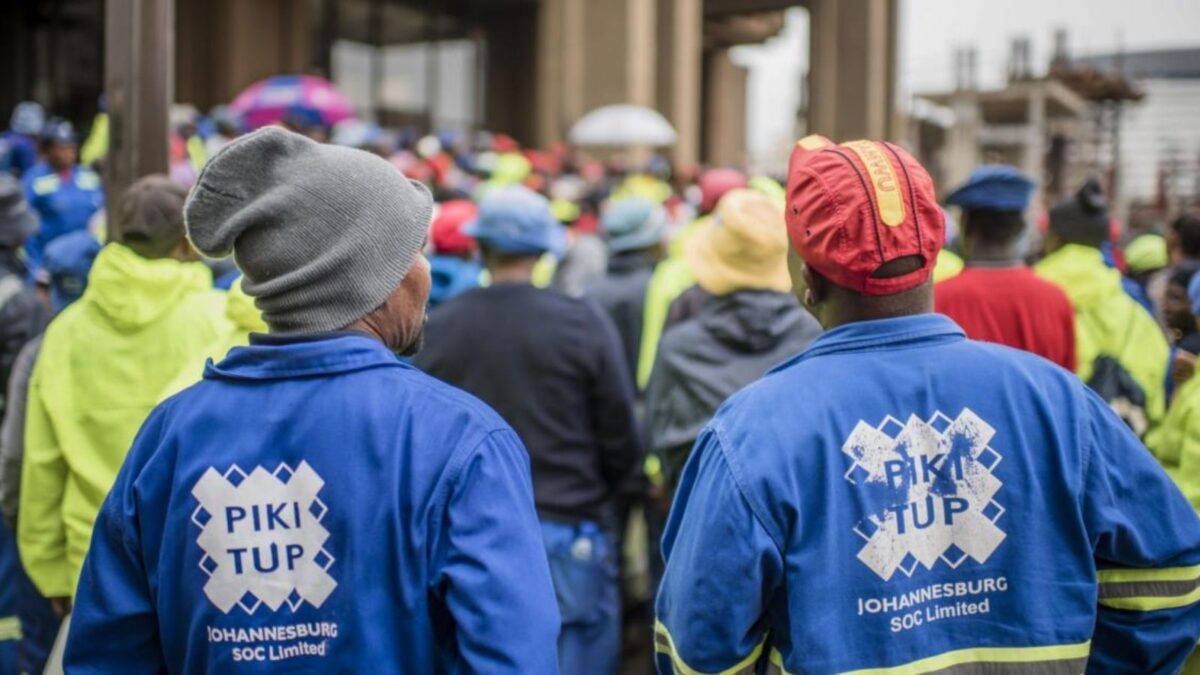
The company has also suffered from recent employee protests, which have significantly affected its operations.
These demonstrations have been carried out by casual workers who are seeking full-time employment with the company.
The company has also been affected by a fuel crisis in Johannesburg, where the city is unable to afford enough petrol for its fleet.
This was confirmed by the city’s MMC for Transport, who said the shortage would impact service delivery and would affect Pikitup.
Pikitup said on 2 June 2026 that a large portion of its fleet was not operational and that waste removal services would be significantly affected.
The group said the ongoing strikes by workers seeking full-time employment were to blame for the poor service delivery.
While the strike action is a major setback for the company, its numerous challenges and financial woes have also contributed to its poor performance.
Currently, Johannesburg residents are seeing waste piling up in their streets, with no one coming to collect it.
The Democratic Alliance (DA) has said the waste removal issues are due to ineffective management from the city’s local government.
The party said the Johannesburg municipality should be required to provide a clear plan to combat Pikitup’s operational inefficiencies.
It also said long-term efforts must be made to ensure that poor service delivery does not become a repetitive problem for the city’s residents.
The party highlighted the need for long-term plans, calling the current service delivery failures “repetitive and disruptive”.
Johannesburg’s struggles with service delivery
The lack of waste removal is not the first service delivery issue Johannesburg residents have faced in recent years.
The city has experienced deteriorating infrastructure, leading to major water outages, with some areas experiencing dry taps for up to 12 days.
These outages often occur after planned maintenance, which reveals larger issues in the water systems, leading to extended delays.
The critical condition of water infrastructure also comes as Johannesburg’s municipality has incurred major debts with Rand Water.
These debts have accrued as the city has fallen behind on bulk water supply payments, placing financial pressure on the city.
This financial pressure is not exclusive to Rand Water – the city also owes significant debts to Eskom for bulk electricity purchases.
The non-payment of these debts has recently been highlighted by Eskom, which has threatened to cut off power to parts of the city in response.
The energy supplier has already acted on this promise in small ways, switching off streetlights in selected areas around the city.
This action was criticised by the city, which said that turning off the lights posed a danger to residents and could contribute to increased crime.
The lack of municipal services in Johannesburg has been in the spotlight in recent months, with waste removal being the latest in a series of issues.
Pikitup has said it is introducing temporary measures to improve service delivery while its fleet is not at full capacity.
Despite these measures, many Johannesburg residents are still seeing their trash pile up in the streets.





 Loading ...
Joburg,A World Class African City.