
BLSA CEO Busi Mavuso takes on Eskom chairman Mteto Nyati


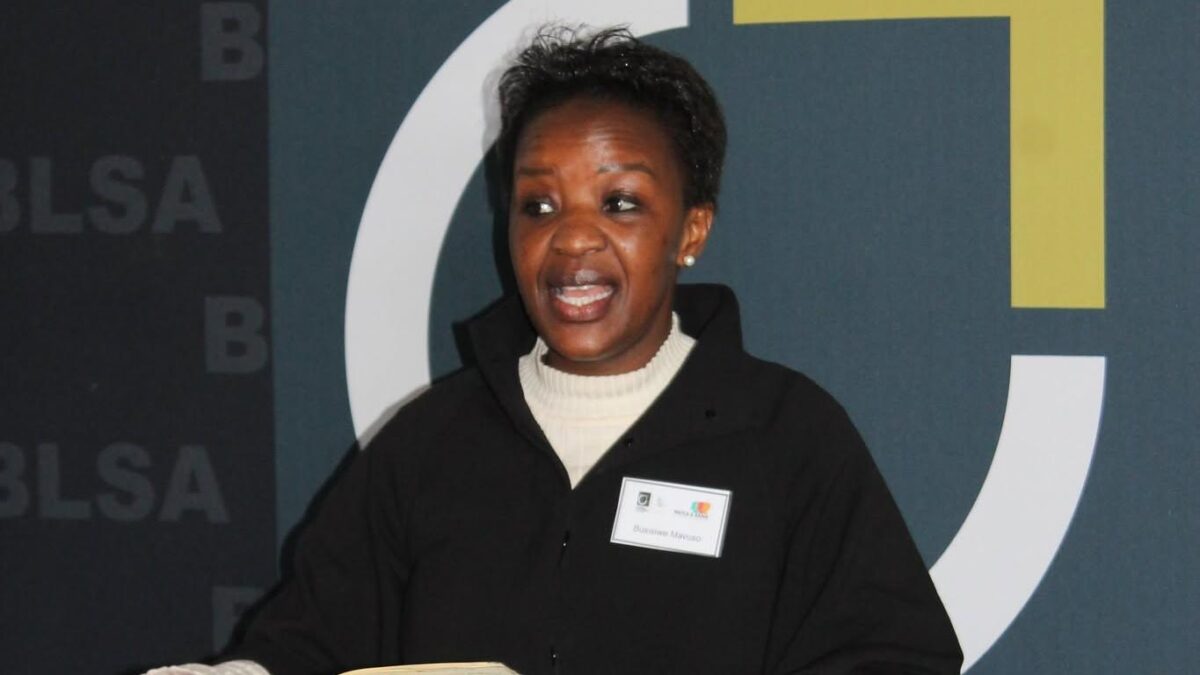
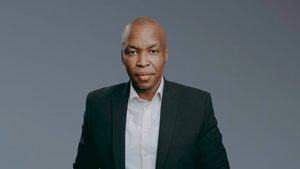
Business Leadership South Africa (BLSA) CEO Busi Mavuso said Eskom chairman Mteto Nyati was fundamentally mistaken in a recent argument regarding the power utility.
Mavuso shared this view in her weekly newsletter after Nyati criticised the BLSA’s position on the independent transmission system operator (ITSO).
Nyati said there is a belief among business and political leaders in South Africa that rules and ethical standards that apply to others do not apply to them.
“Too many among South Africa’s elite believe the rules that govern the rest of us do not apply to them,” he said.
He said that, as chairman of a state-owned enterprise, he is regularly approached by business leaders who ask him to intervene in operational or procurement matters.
“When I explain that my role is governance and oversight, not management, they say they understand. Yet the requests continue,” he said.
He explained that this reveals a belief from these business leaders that exceptions exist for the connected few.
He said it was striking to see BLSA and Business Unity South Africa (BUSA) actively advocate for political intervention to transfer Eskom’s transmission assets.
There is a deep policy and ideological rift over how Eskom’s unbundling should proceed as part of a push to liberalise South Africa’s electricity sector.
Electricity and energy minister Kgosientsho Ramokgopa and Eskom want to keep as much of the state-owned power utility’s vertical integration intact as possible.
Eskom and the Minister want to retain ownership of the grid, rather than transferring it to an independent transmission system operator.
President Cyril Ramaphosa overruled Ramokgopa, saying the new transmission system operator would be a fully independent, state-owned company.
BLSA and BUSA have expressed concerns about a shift in government strategy regarding Eskom’s unbundling.
They want the independent Transmission System Operator (TSO) to own the grid assets, enabling it to raise funds and operate independently to foster competition.
Busi Mavuso takes on Mteto Nyati
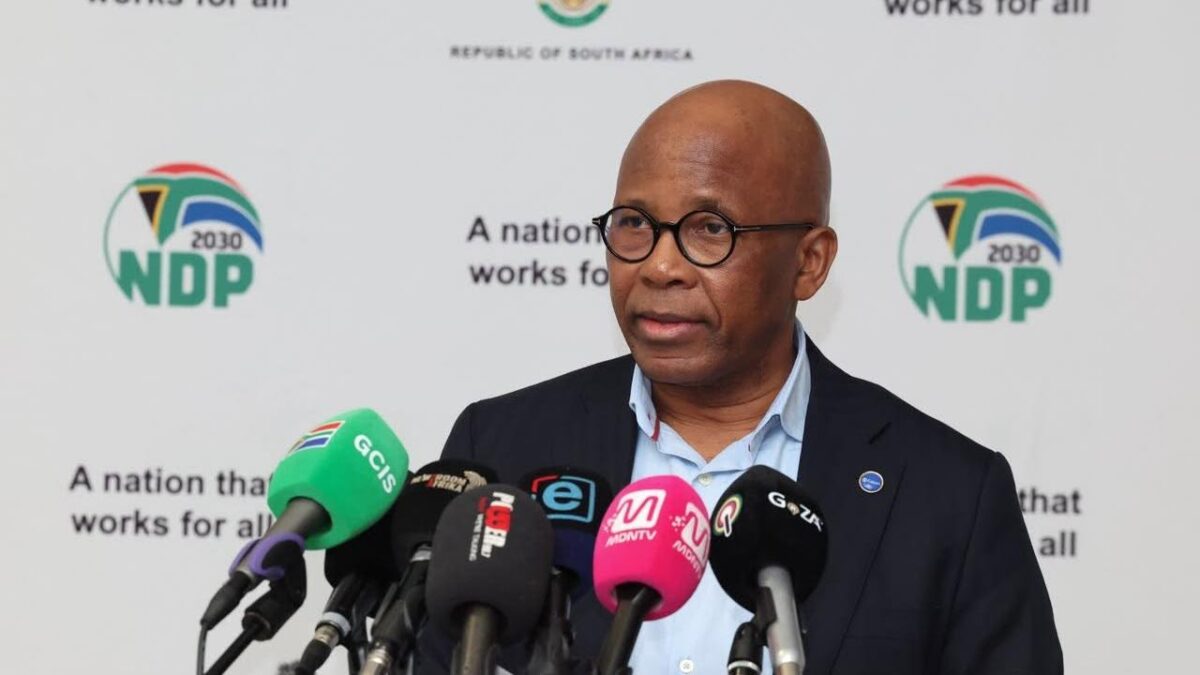
Mavuso struck back after Nyati’s comments, saying it was alarming to hear Nyati argue that BLSA and BUSA were guilty of political interference.
“Nyati is fundamentally mistaken both on the motives for our advocacy and what good governance demands of the Eskom board,” she said.
She said conflating breaking the rules with BLSA’s position on the independent transmission system operator is disingenuous.
“First, this is not a private request for a favour. It is a public, published position grounded in law,” Mavuso said.
Section 34A of the Electricity Regulation Amendment Act requires that the ITSO, as the licensed transmitter, control the network it operates.
“Second, our position is designed to resist precisely the pattern Nyati rightly criticises,” she explained.
The reason for separating ownership from Eskom is to remove the conflict of interest that arises when the same entity is both generator and gatekeeper of the grid.
“Third, what Nyati criticises is undisclosed, personal, and made in private, away from any public record,” she said.
“What BLSA does is the opposite. We publish our position, we sign joint letters with BUSA, and we engage Parliament and the Presidency.”
She said that this is done in the open, and they track outcomes through the BLSA Reform Tracker for anyone to see.
She added that an operator that does not own the assets it manages has no balance sheet of its own.
Therefore, it has no capacity to raise the financing needed for the R440 billion transmission expansion that South Africa urgently needs.
“It would also remain permanently dependent on Eskom for its financial standing, which is the opposite of the independence Nyati says matters,” she argued.
“We are not asking for anything beyond what Eskom’s own shareholder has already made clear is public policy.”
“We are asking that Eskom stick with that policy and implement the unbundling without further delay.”






 Loading ...
You go for it Busi. Tell that myopic Mteto where to go and stick it!
He is delaying the unbundling because they want to hold on to their monopoly to the detriment of the country. It’s absolutely disgusting!