
Small historic South African town has more ducks than people



Tucked away in Mpumalanga’s rolling plains lies Val — a speck of a hamlet where geese and police outnumber people, and echoes of history linger in the quiet air.
Once a gathering point for generals, smugglers, and wayfarers, it is now home to just eight residents, a handful of dogs, a donkey, and an unusually vocal flock of geese.
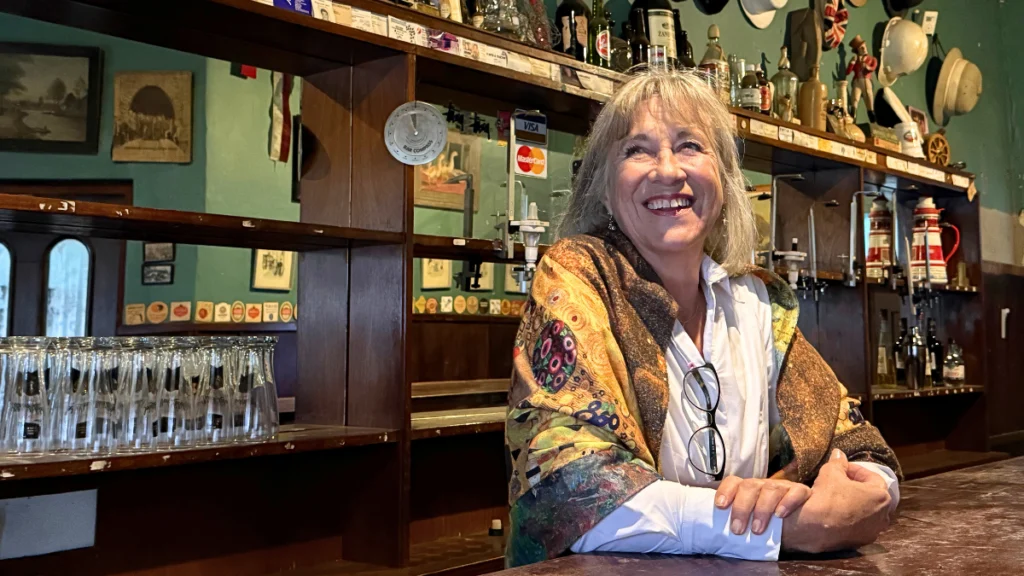
“There’s really nothing like it. Val has a huge history and a really unique charm,” says resident Rita Britz.
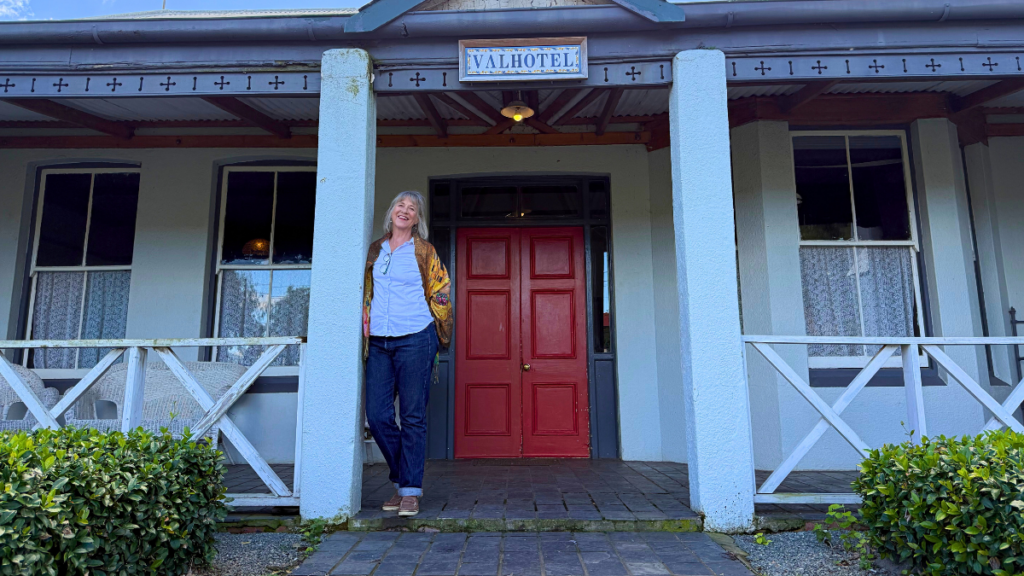
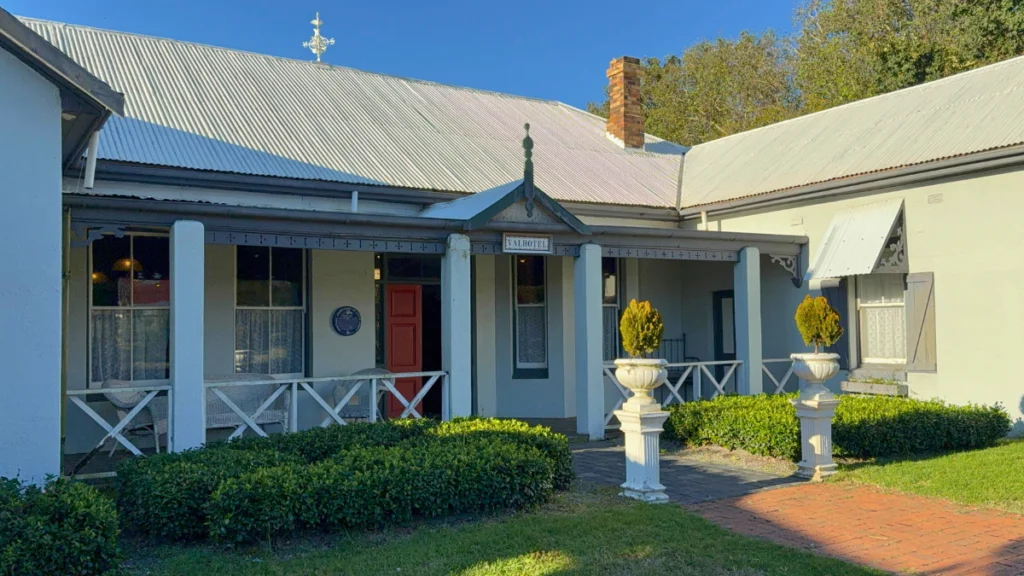
Together with her husband André, they have painstakingly restored the blue-plaque Val Hotel and several of the town’s historic buildings.
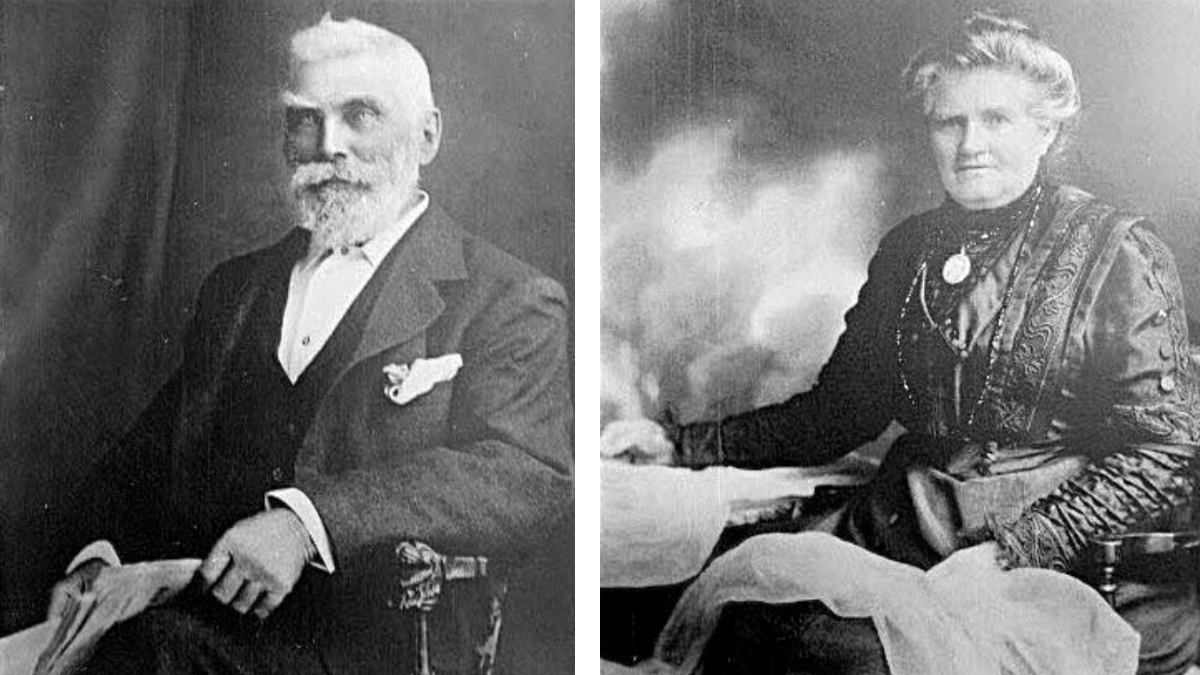
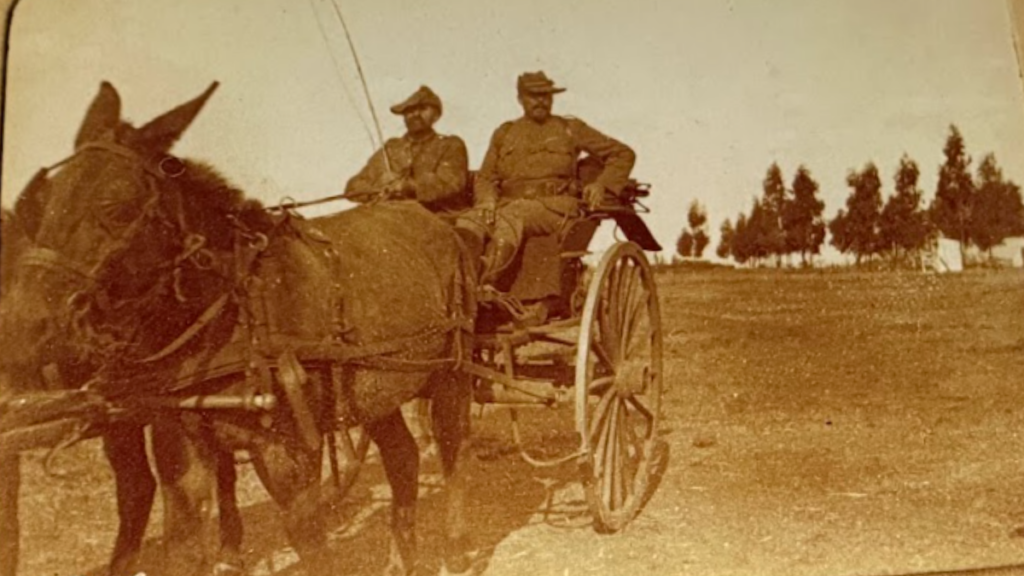
Val’s story began in the late 1800s when settler Joseph Smith and his stepsons bought a farm at Oudehoutspruit, along the Waterval River.
The family built a well-known inn serving travelers on the old stagecoach route between Johannesburg and the Lowveld.
When President Paul Kruger commissioned a new railway line through the Transvaal in the late 1890s, the route shifted, and Val was born.
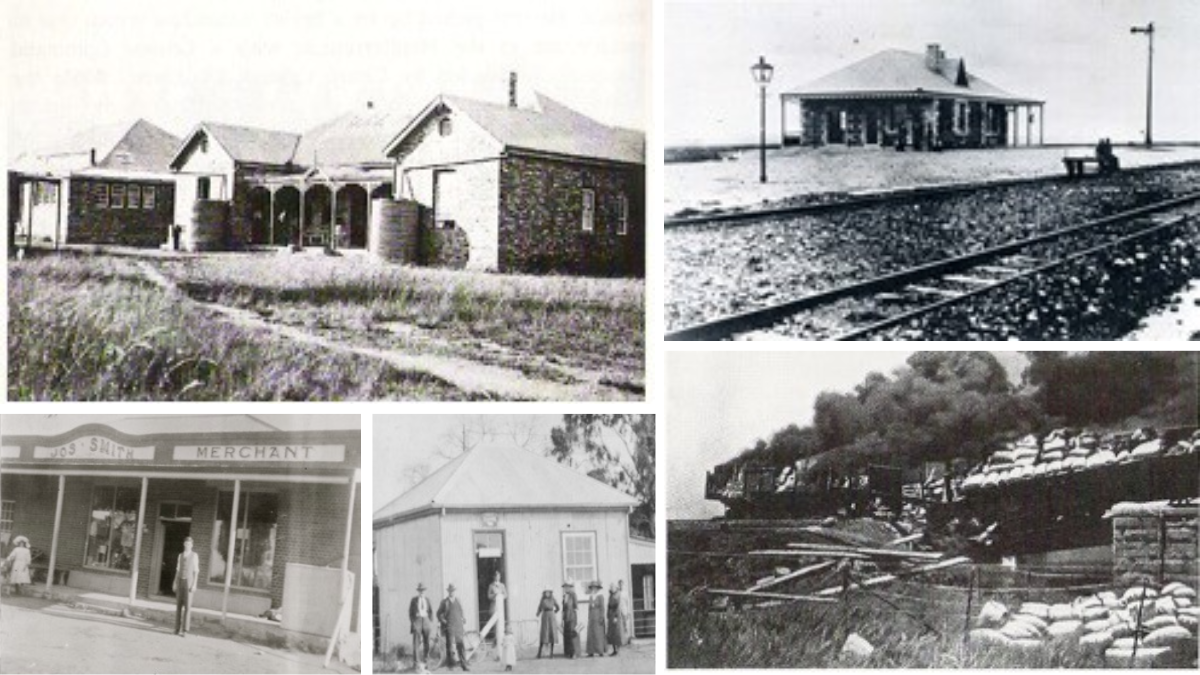
Smith built a home near the new junction, and soon the settlement boasted a general dealer, blacksmith, roller mill, post office, and hotel. It became a busy little stopover for trade and transport on the Highveld.
That tranquillity ended in 1899 with the outbreak of the Anglo-Boer War. Because of its position on the crucial Natal–to–interior line, Val’s railway station became a strategic prize.
Smith, who declared neutrality, was deported by British forces, leaving his wife Elizabeth to run their farm and businesses alone.
Elizabeth proved more resilient than most, serving tea to her Boer neighbours while quietly providing rations to passing British soldiers.
Though no major battles were fought in Val, the area bore witness to small skirmishes, sabotage, and the everyday tensions of war.
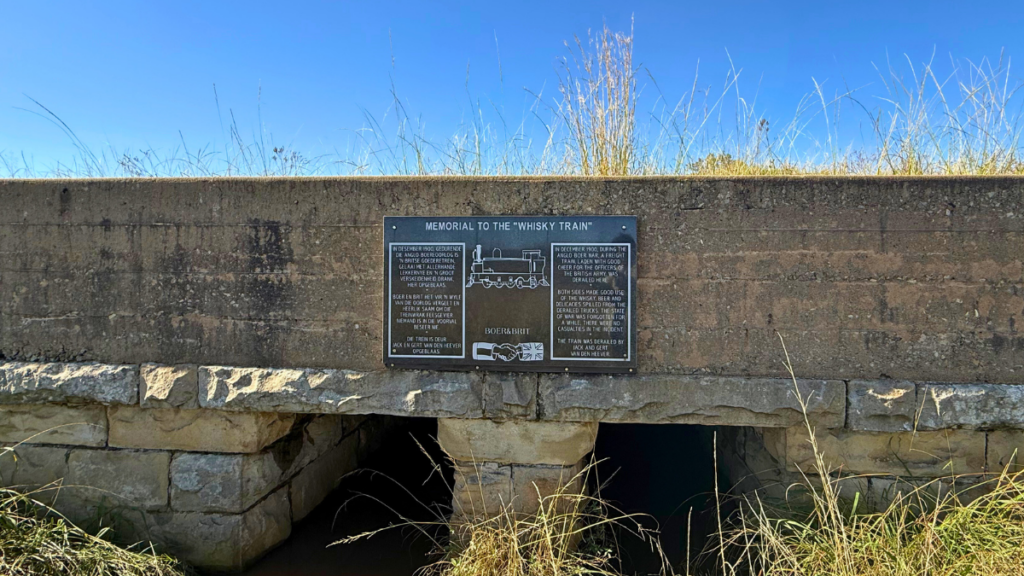
One story from that era has passed into local legend. On 29 December 1900, Boer brothers Gert and Jack van den Heever, acting under Commandant Fanie Buys, planted dynamite on the railway to derail a British supply train.
When it exploded, they rushed in expecting to find troops, only to discover a train packed with whisky and festive provisions.
Both sides shared an impromptu feast before returning to fight the following day.
In the final months of the war, Val once again became a meeting point of history.
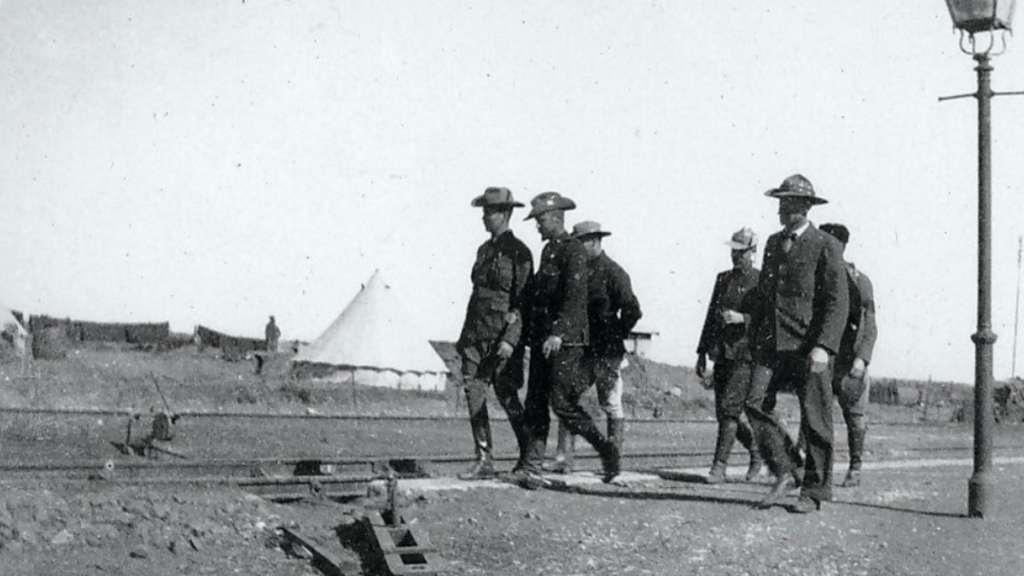
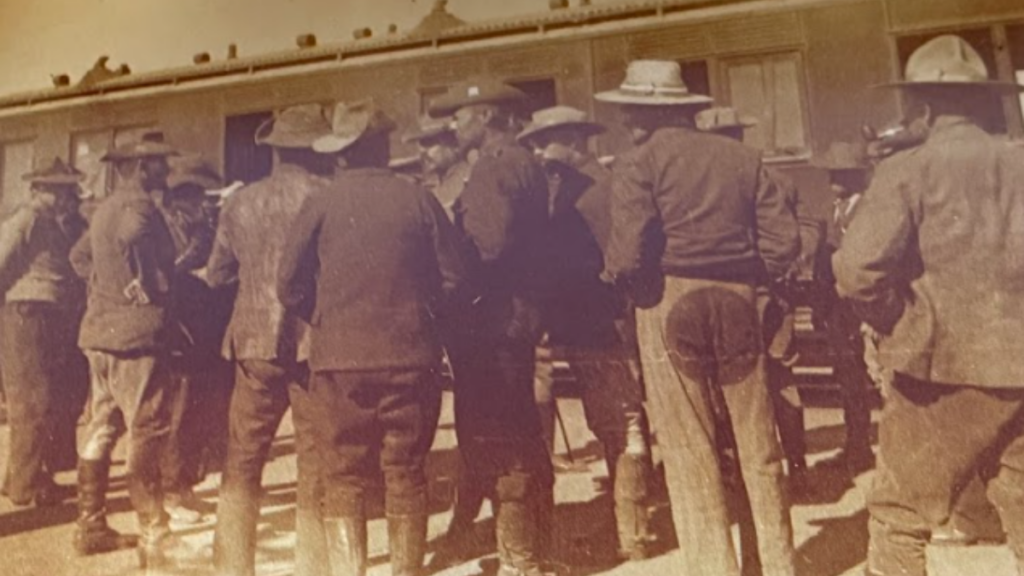
On 6 April 1902, Boer leaders gathered at Val Station before departing for Klerksdorp to negotiate with the British.
Commandant-General Louis Botha arrived with his escort a day earlier and met fellow officers in a room of the Val Hotel.
That meeting helped set the stage for the Treaty of Vereeniging, signed on 31 May 1902, which ended the war, and marked the official renaming of Waterval to Val.
The town’s quiet lanes still stir to life once a year during Boer and Brit Day, when visitors arrive for parades, wreath-laying ceremonies, and historical reenactments celebrating Val’s curious role in the country’s past.
Val’s connections stretch beyond South Africa’s borders too.
In 1913, Mahatma Gandhi was arrested there during his protest march from Natal to the Transvaal — a pivotal episode in his campaign of civil disobedience.
Through the mid-20th century, Val thrived as a farming hub centred around its hotel, railway, and sports club.
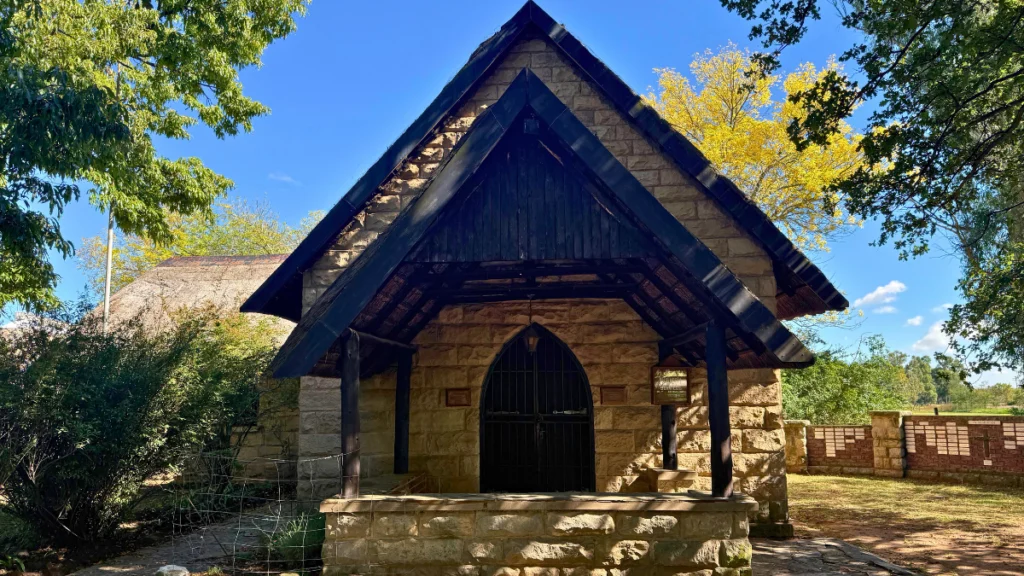
It gained a school, cemetery, and the small St Francis of Assisi Church, destroyed by fire in 1970, and rebuilt a year later.
But like so many railway towns, Val’s fortunes faded in the 1970s. The trains stopped, the station shut down, and the hotel fell silent.
As younger generations moved to the cities, the once-busy hamlet seemed destined to vanish.
Yet, thanks to the Britzes and a handful of loyal residents, Val endures: a living museum of South African history where time, it seems, took a pause.
Britz magic
When the crumbling Val Hotel went under the hammer in 1994, few saw potential in its peeling walls and empty halls.
But for André and Rita Britz, who had exchanged vows in the village’s tiny church back in 1982, it was less a purchase than a calling.
For Rita, the decision was rooted in family history as deep as Val’s soil. Her ancestors had farmed in the area since 1886.
“I grew up close by,” she recalls. “I came to this shop every Sunday to buy the paper. My grandfather even got his hair cut on his wedding day in what’s now Room 8.”
At the time, Rita was teaching in Standerton. “We didn’t really have the money,” she says, laughing. “But we knew this place was too special to let go.”
The couple bought the derelict hotel for R18,000 — about R100,000 today — and began the slow work of breathing life back into it.
By mid-1995, they had moved in with their two daughters, and by August that year, the Val Hotel welcomed its first new guest in decades. The revival had begun.
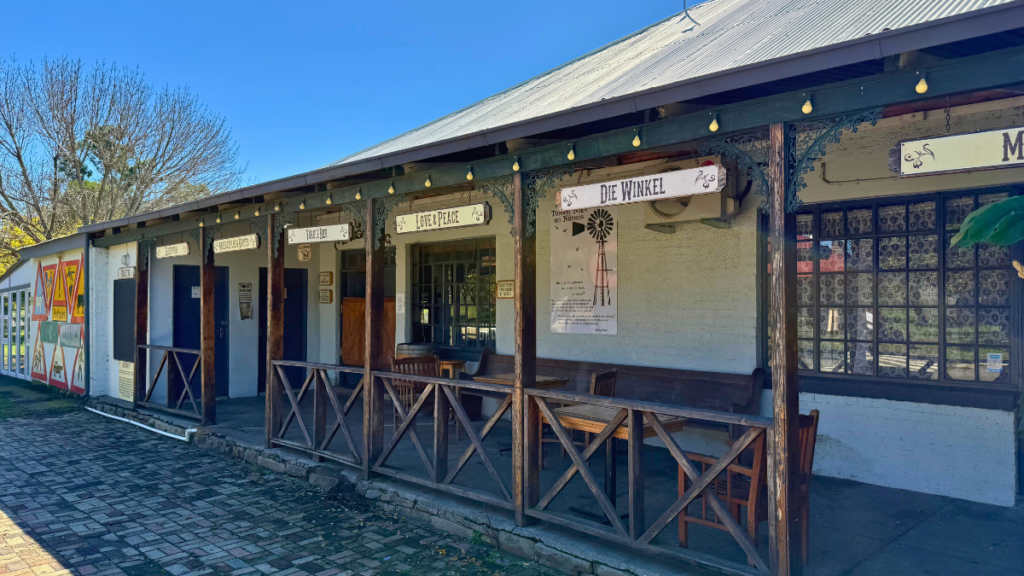
Nearly a decade later, in 2004, the Britzes expanded their efforts by buying the old general store.
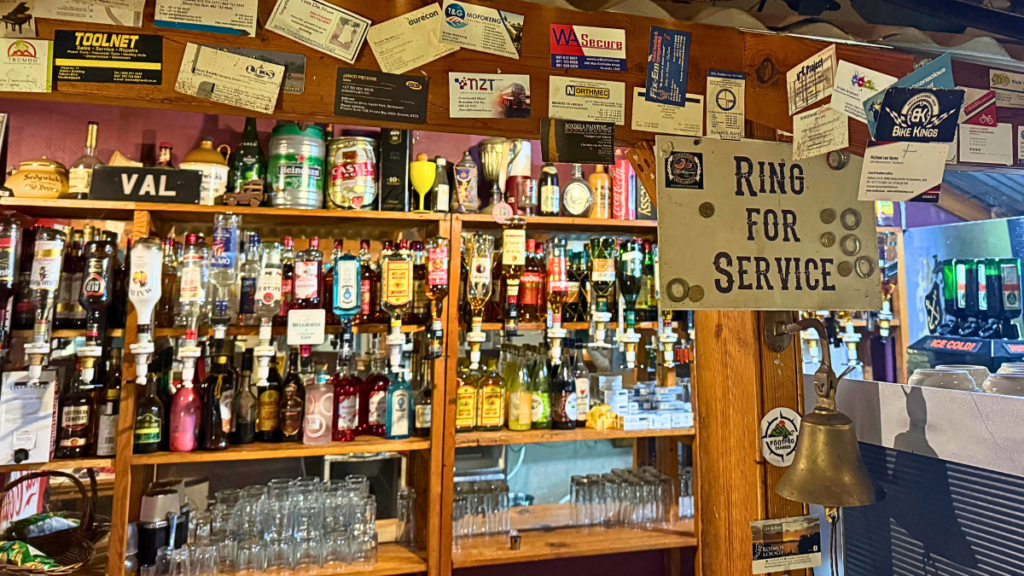
With Rita’s eye for detail and André’s practical touch, it became a warm, character-filled restaurant, bar, and museum.
Today, the establishment draws everyone from weekend bikers to city escapees looking for quiet. It’s also the social and economic heart of the village.
“We have a hundred percent employment rate in Val,” Rita quips, referring to the handful of residents who all work at the hotel, bar, or restaurant.
Visiting Val
Driving into Val feels a little like stepping back in time. The hamlet sits two hours from Johannesburg, and its main road, Smith Street, is lined with relics of both farming and faith.
The first thing visitors see is a towering AFGRI grain depot — a reminder that this region’s lifeblood is still agriculture.
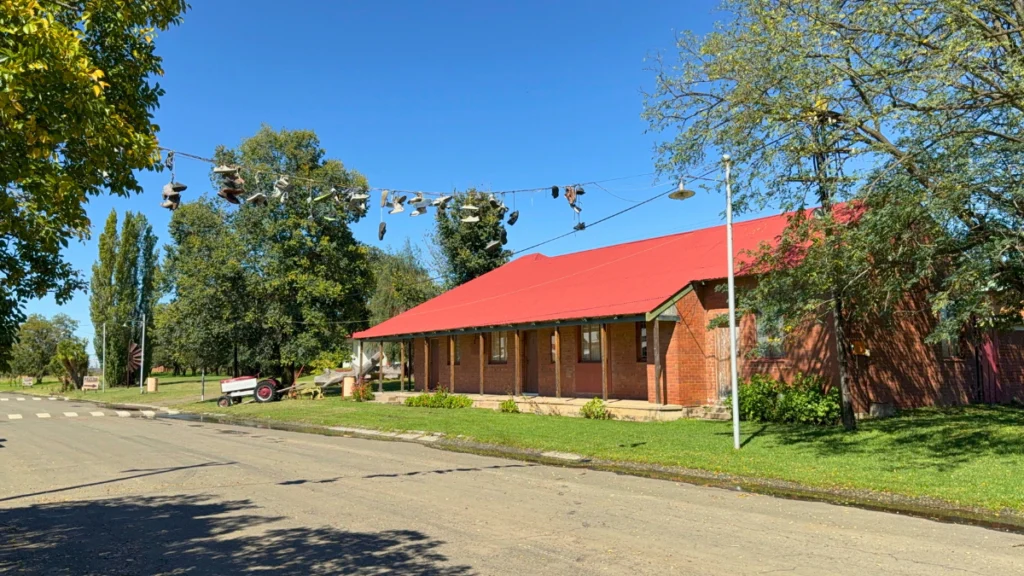
From there, a rusted red tractor marks the turnoff to the Val Hotel, while brightly painted farm tools scatter the grass like sculptures.
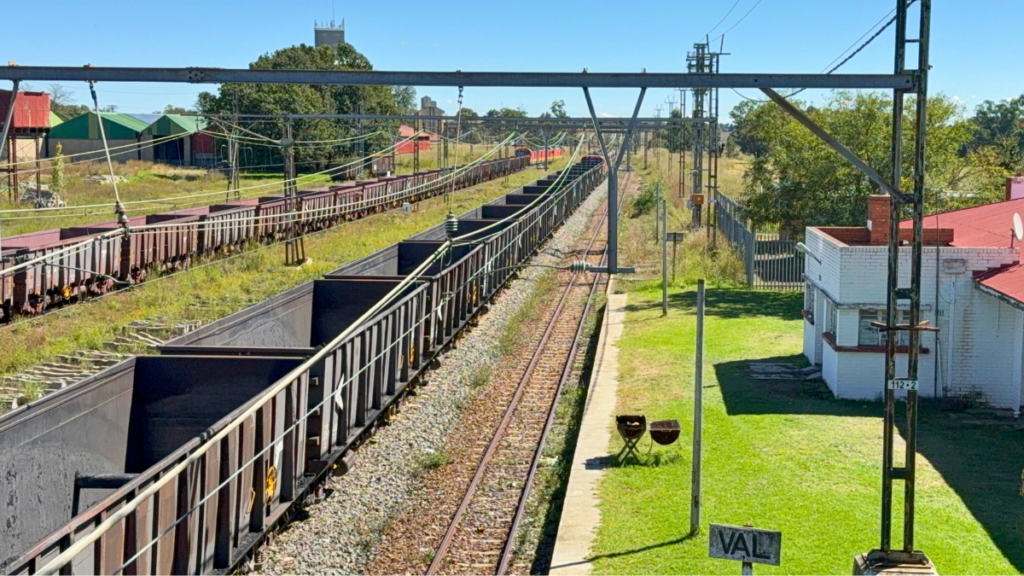
On one side of Smith Street stand the hotel, restaurant, museum, pub, church, and memorial plaques; on the other, the old post office and railway station.
Val’s quirks don’t end there. For a town with only eight permanent residents, it boasts a fully fledged police station staffed by 28 officers serving the broader area.
From time to time, the low rumble of a freight train rolls across the plains, proof that the old railway line still breathes faintly through the landscape.
Every corner of Val bears Rita’s imprint — a mix of nostalgia and ingenuity. “I suppose I’m a glorified hoarder,” she admits with a grin. That “hoarding” has given the town its soul.
Bar counters built from the old post office, original signage rescued from abandoned farms, and wooden wall panels salvaged from a demolished school where her grandfather once posed for a photograph — now framed in pride of place.
Outside, weathered ploughs and threshers rest as if mid-task, reminders of Val’s agricultural roots.
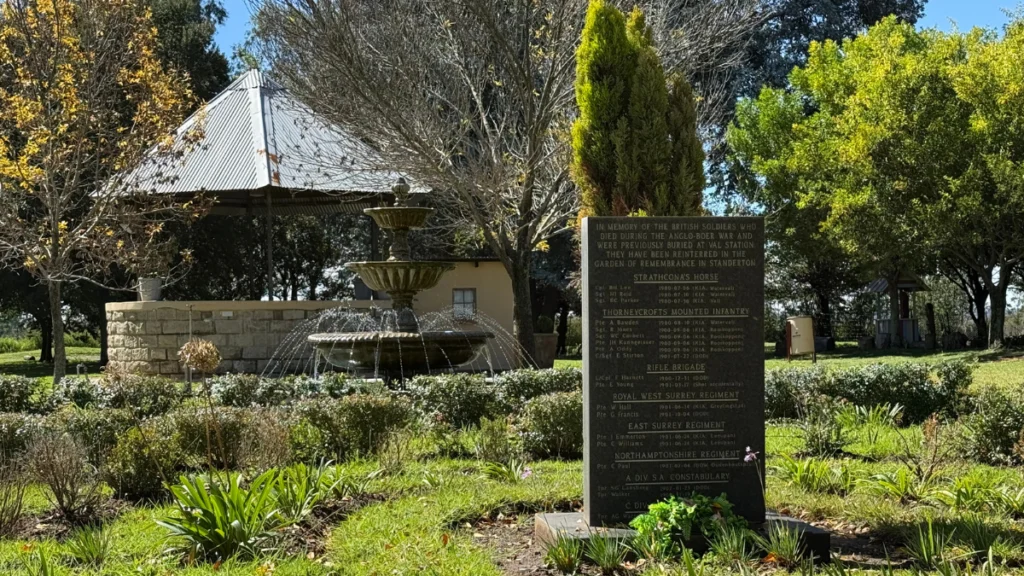
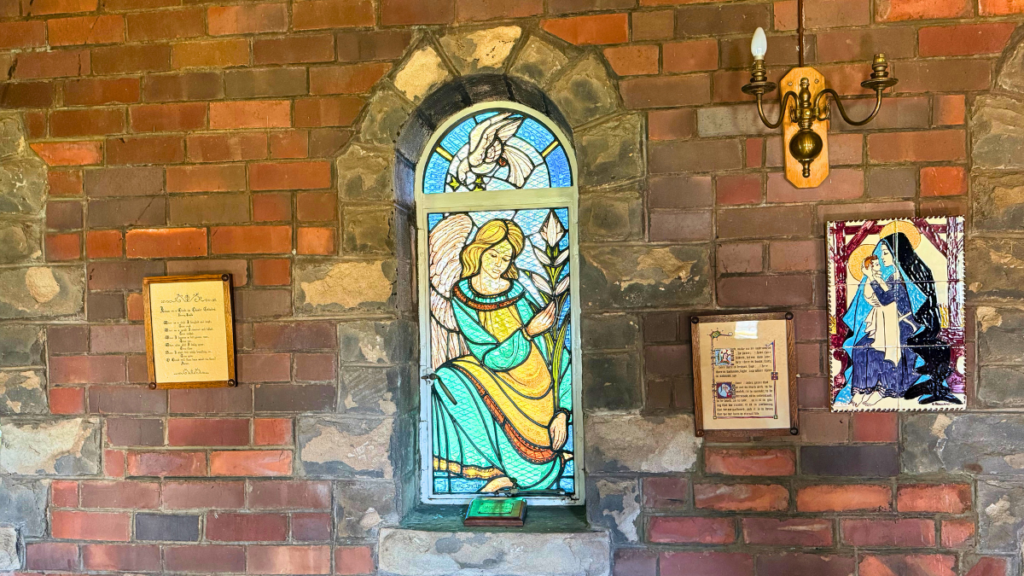
A short walk away, a quiet memorial garden honours British soldiers who fell in the area, leading to the charming St Francis of Assisi Chapel with its thatched roof and stained glass.
Visitors often speak of Val’s stillness, a hush broken only by geese, laughter from the pub, or the distant sound of a train. It’s the kind of place where time seems to idle alongside the tracks.
When asked what draws people to this speck of a town, Rita smiles. “There’s lots to see,” she says, “but nothing to do.”
And for many who find their way to Val, that’s precisely the magic.
More images of Val







 Loading ...
I started my teaching career in Newcastle in 1969 where “Ma” Goodwin looked after our “special needs” class. She took me under her wing and l have so much to thank her for. Every holiday, she would put on her favourite hat and dragging her basket suitcase, walk down to the station where she would catch the afternoon train to Val where her husband farmed. Those were the days!
MHDSRIP 🙏🙏❤️🥲