
South Africa’s capital city announces water restrictions with fines starting at R5,000 and prosecution under municipal bylaws


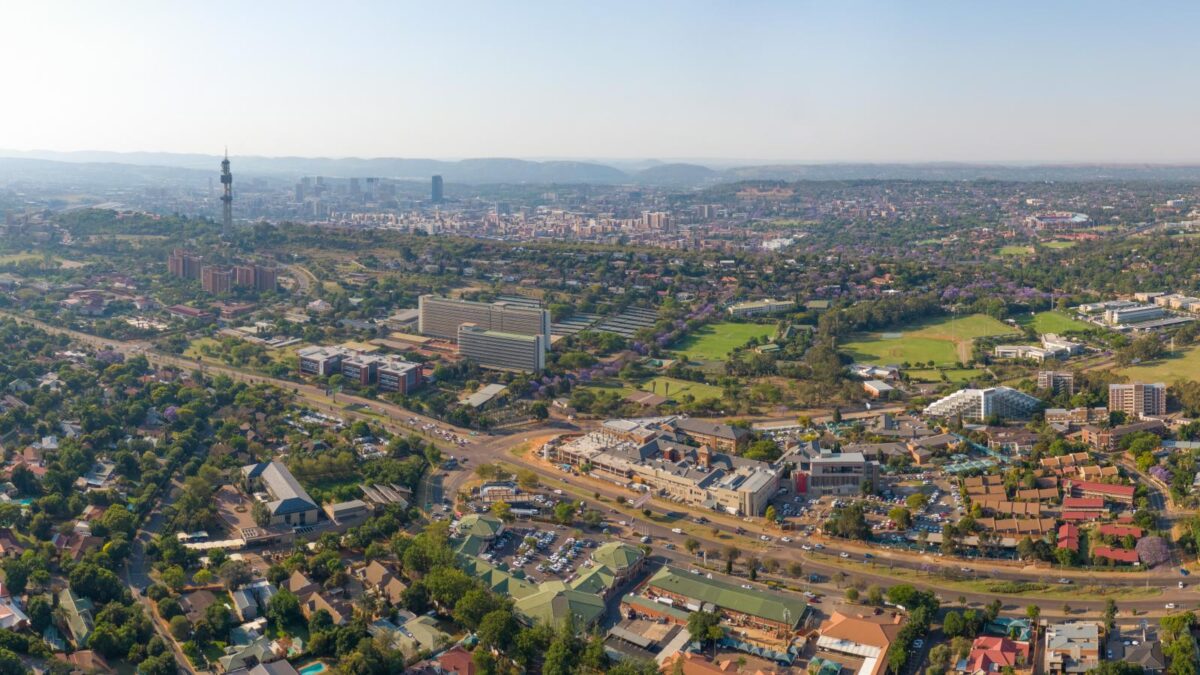
The City of Tshwane is implementing and enforcing Level 2 water restrictions from Monday, 16 November 2026.
This followed a directive from the Gauteng Department of Cooperative Governance and Traditional Affairs (COGTA).
The restrictions are aimed at reducing water consumption and preventing a potential collapse of the Rand Water supply system.
The City of Tshwane explained that its water consumption has exceeded its permanent Rand Water allocation target by 34% and its temporary target by 19%.
The city has been asked to reduce consumption by 200 million litres per day. High consumption has placed significant pressure on Rand Water’s storage capacity.
The Department of Water and Sanitation said Gauteng’s current water disruptions are due to demand exceeding treated water supply, not a lack of water in the dams.
The City warned that there will be strict enforcement by the Tshwane Metro Police Department (TMPD) and the Integrated Bylaw Enforcement Committee.
These two entities will conduct random inspections, particularly in high-consumption areas in the City of Tshwane.
Residents who contravene the restrictions face fines starting at R5,000 and possible prosecution under municipal bylaws.
Level 2 restrictions also introduce punitive water tariff adjustments, meaning households using more water will pay significantly more.
The restrictions will initially remain in place for 30 days, with an extension possible if necessary.
The City of Tshwane’s advice to residents
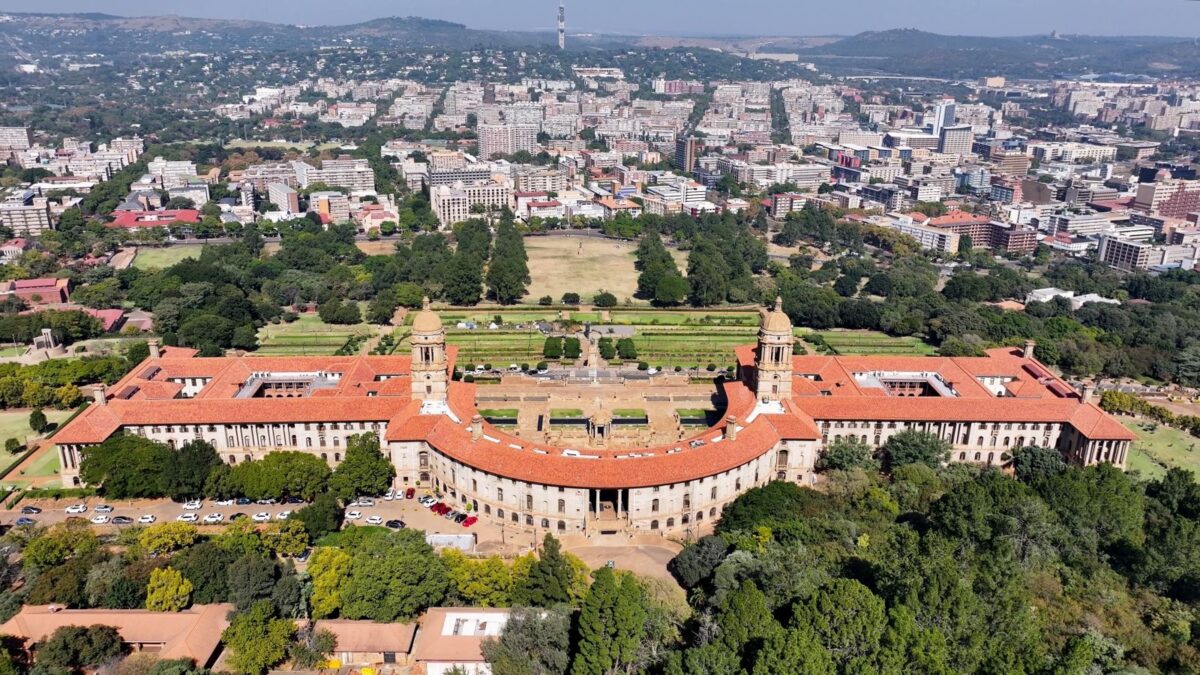
The City of Tshwane said that residents should avoid watering gardens and lawns with municipal drinking water.
“Do not wash vehicles with hosepipes and avoid filling swimming pools with municipal water,” it said.
“Residents and businesses should repair leaking taps, toilets and pipes immediately and reduce showering times.”
It added that people should avoid unnecessary water wastage, reuse greywater where appropriate, and report water leaks and burst pipes.
“Businesses and institutions must implement internal water conservation measures to reduce their daily consumption,” it added.
The City of Tshwane said that the level 2 restrictions, which carry a punitive tariff adjustment, are as follows.
- A household using 12 kl/month could expect to pay R129.60, compared to R108.03 for the additional 3 kl.
- A household using 30kl/month could expect to pay R388.80 for an additional 9kl and R871.92 for an additional 12kl, compared to R324.09 and R584.76, respectively.
- A household using 60 kl/month could expect to pay R388.80 for the additional 9 kl, and R871.92 for the additional 12 kl, compared to R324.09 and R584.76, respectively.
“The level 2 restrictions will be valid for a period of 30 days and will be implemented within 7 days of the issuing of a public notice,” it said.
“The city will continue to monitor the consumption levels, and if an extension is required, it must be approved within 7 days before the lapse of the current notice.”
You have read 3 out of 5 free articles. Log in or register for unlimited access.




 Loading ...
Perhaps it’s time for the country to pass a vote of no confidence in its leadership and replace them with business people. Already there’s civil disobedience, so maybe it needs to be targeted, before this leadership brings this country to the brink of disaster