
The popular holiday town in KwaZulu-Natal with affordable beachfront property prices and its own airport


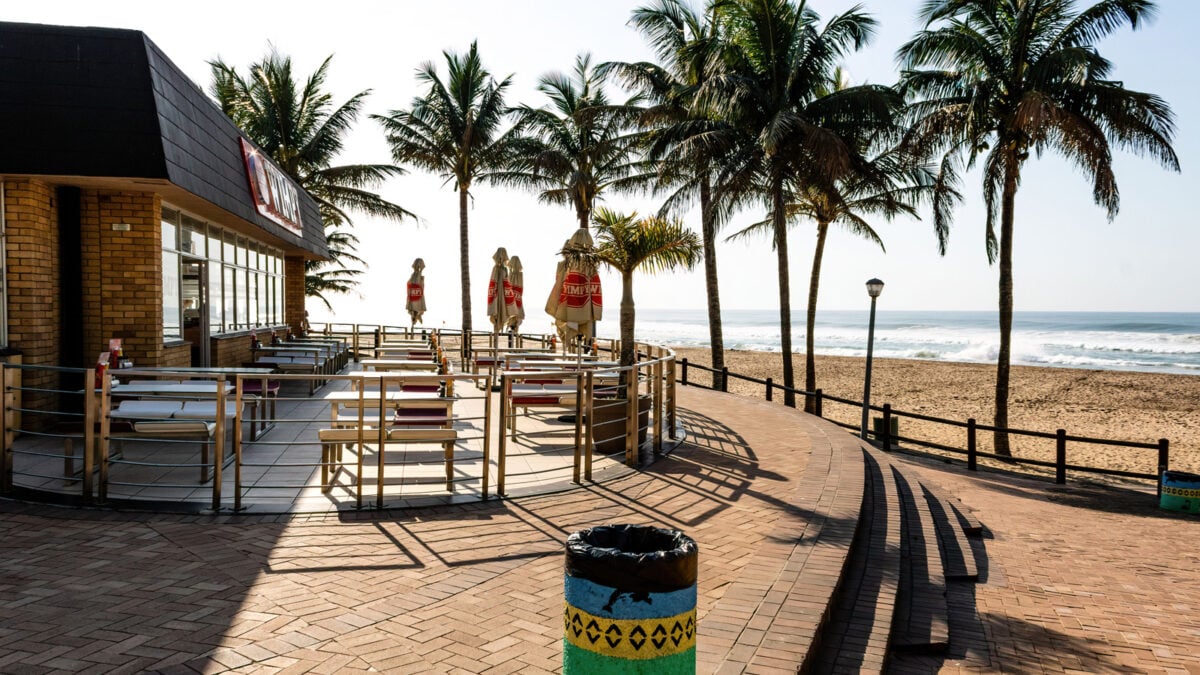
The small town of Margate is a popular resort town that has become a semigration hotspot.
The recent upgrades to its airport are a key driver of growth, along with attractions such as coastal views, marine tourism, and popular annual events.
Margate is a small South African town located on the coast of KwaZulu-Natal, about 80 kilometres southwest of Durban.
Before Europeans mapped the coastline and settled in the town, the land was inhabited by indigenous San hunter-gatherers.
This is one of the town’s modern-day claims to fame – a historical footprint is preserved in the nearby KwaXolo Caves.
The KwaXolo Caves contain rock paintings dating back thousands of years, and have become a popular tourist attraction.
During the 18th century, Central African Nguni tribes entered the region, followed by the Zulus.
The Zulu Kingdom expanded in the 18th and into the 19th century, pushing the San out of the area.
Formal European settlement began relatively recently, with English surveyor Henry Richardson laying out the town plan in 1908.
Richardson named the town Margate after the popular seaside resort town in Kent, UK.
In 1919, an entrepreneur called Hugh Ballance purchased a large farm named ‘Inkongweni’ near the river mouth, with plans to build a seaside resort.
He subdivided the farm into half-acre plots and advertised the settlement to holidaymakers.
A few years later, Margate was catapulted to international fame with the sighting of the “Margate Monster”, which even made headlines in London’s Daily Mail.
Locals reported that a massive, white-furred sea creature with an elephantine trunk and lobster-like tail engaged in a three-hour battle with two killer whales.
The ‘undiscovered sea monster’ was dubbed “Trunko” or the “Margate Monster”.
Marine biologists later identified the object as the heavily decayed, gelatinous mass of a whale carcass, known as a globster.
The ‘white fur’ was tissue fibres fraying in the ocean currents, and the ‘battle’ was likely just the Orcas feeding on the carcass.
However, the event was deliberated over and sensationalised, with theories and hoaxes about its true nature, and its popularity put Margate on the international map.
Margate was finally officially declared a town in 1941, following steady population growth and development, and six years later, it received municipal status.
Over the next few years, Margate began to turn into the holiday resort town that Ballance had envisioned.
The Casino Theatre opened in 1957, and the Margate Country Club opened in 1959.
Until that point, the town comprised mostly single-storey colonial-era cottages and bungalows.
However, from the 1960s onwards, these were largely demolished to make way for multi-storey residential complexes along the beachfront.
KwaZulu-Natal’s largest art museum, the Margate Art Museum, was established in the town centre in 1994.
A resort town and a semigration hotspot
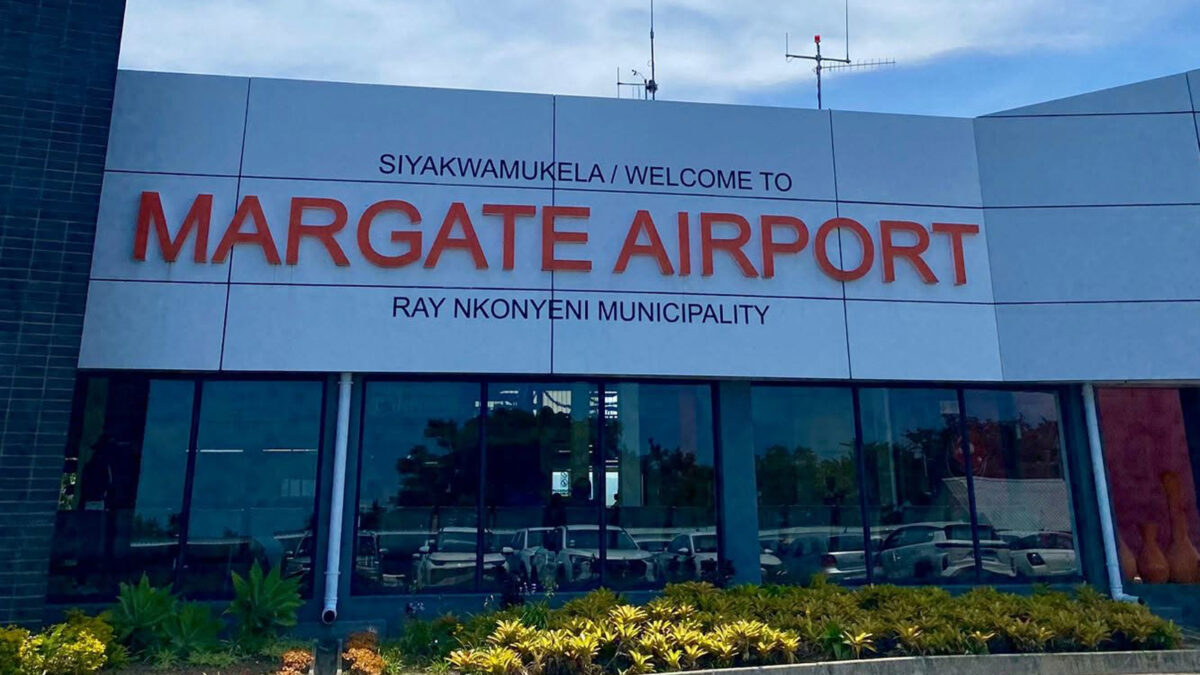
The town has stayed true to its original ‘resort town’ origins, becoming a popular seasonal holiday location for South Africans.
It is the home of the South Coast Bike Fest, a major motorcycle and music event that brings together motorcycle enthusiasts, musicians, traders, and holidaymakers.
The inaugural South Coast Bike Fest took place in April 2017 and attracted close to 60,000 visitors.
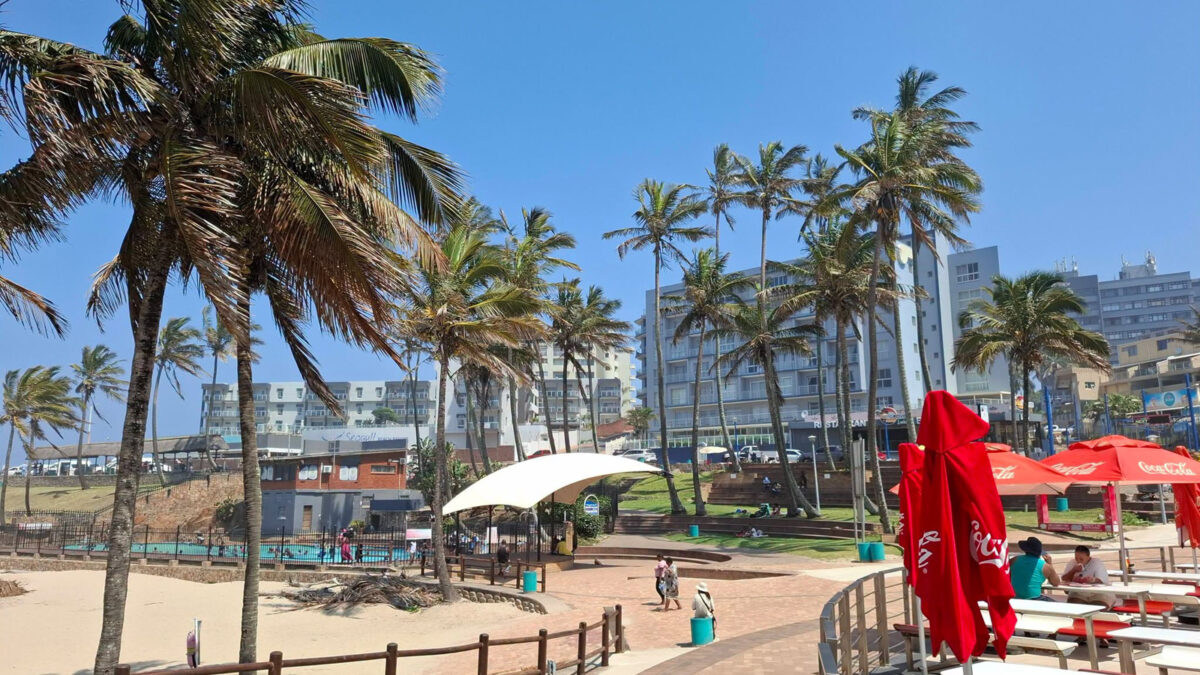
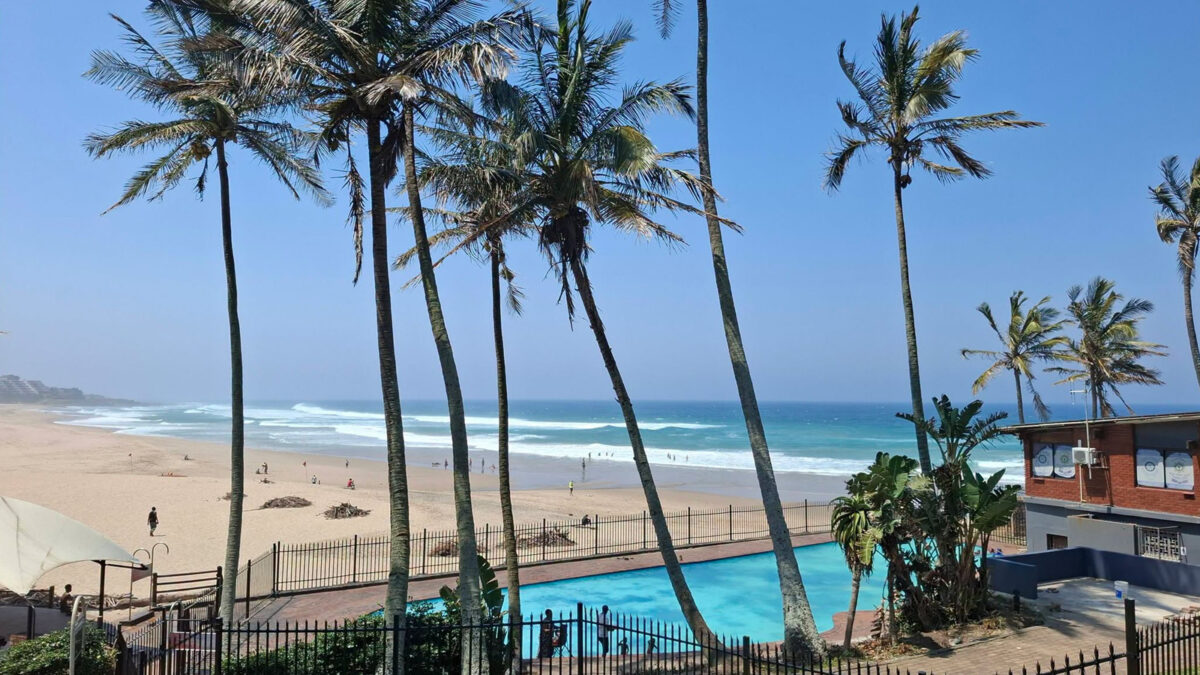
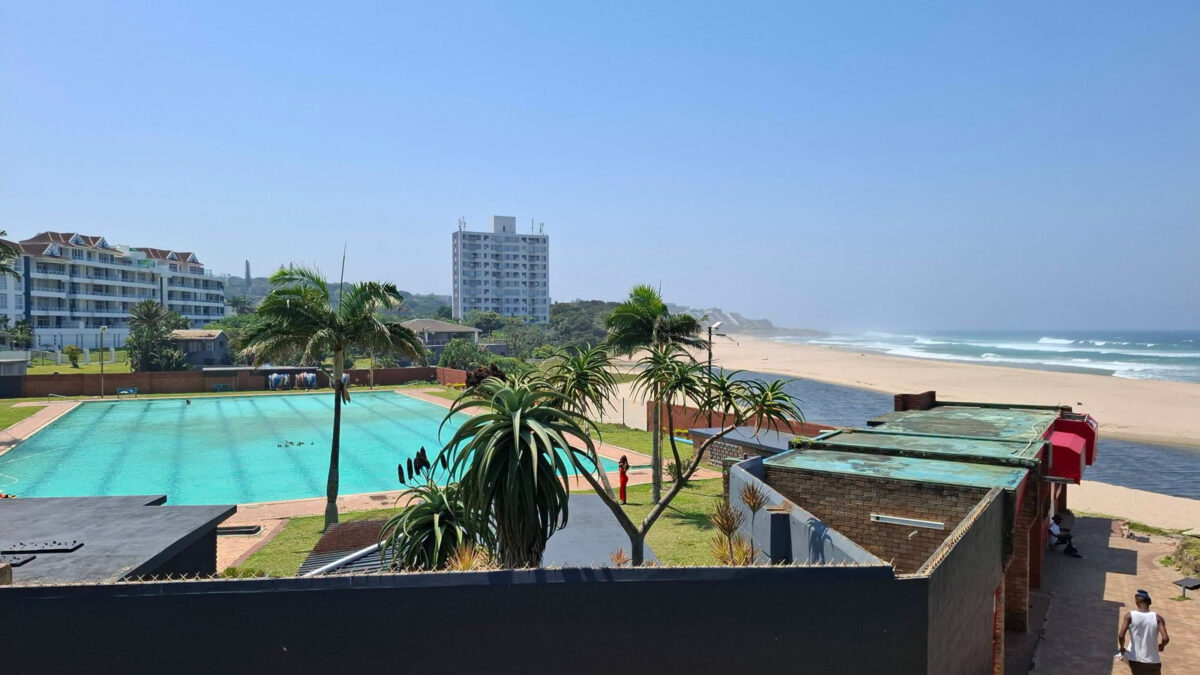
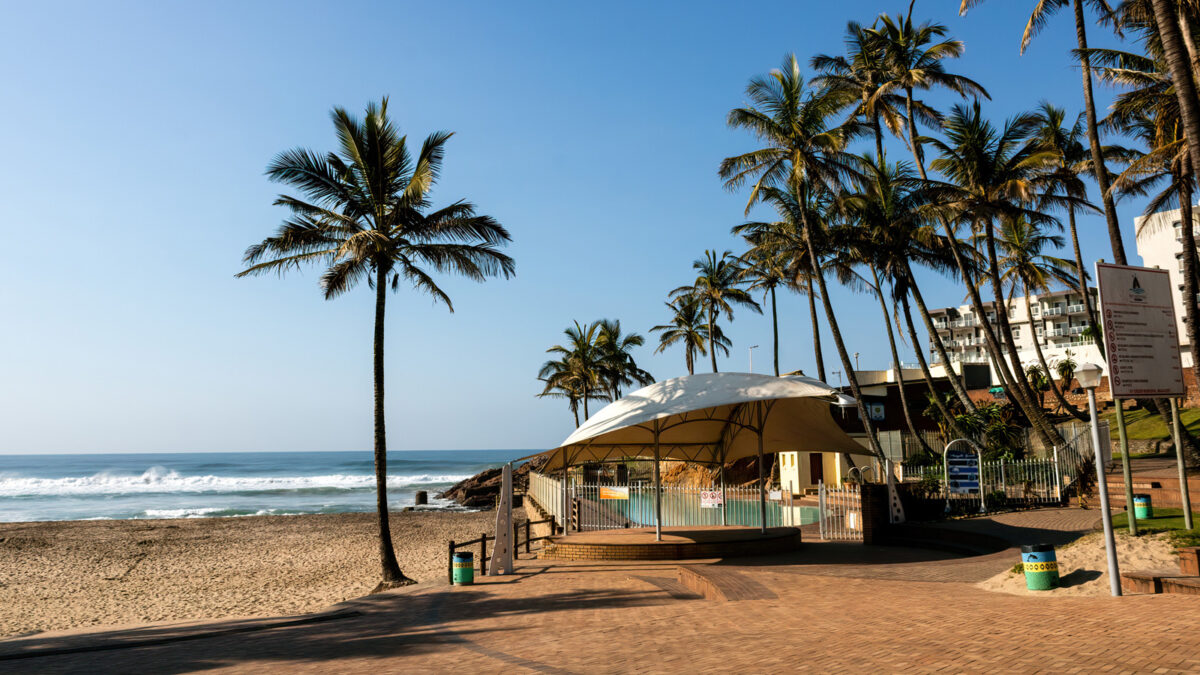
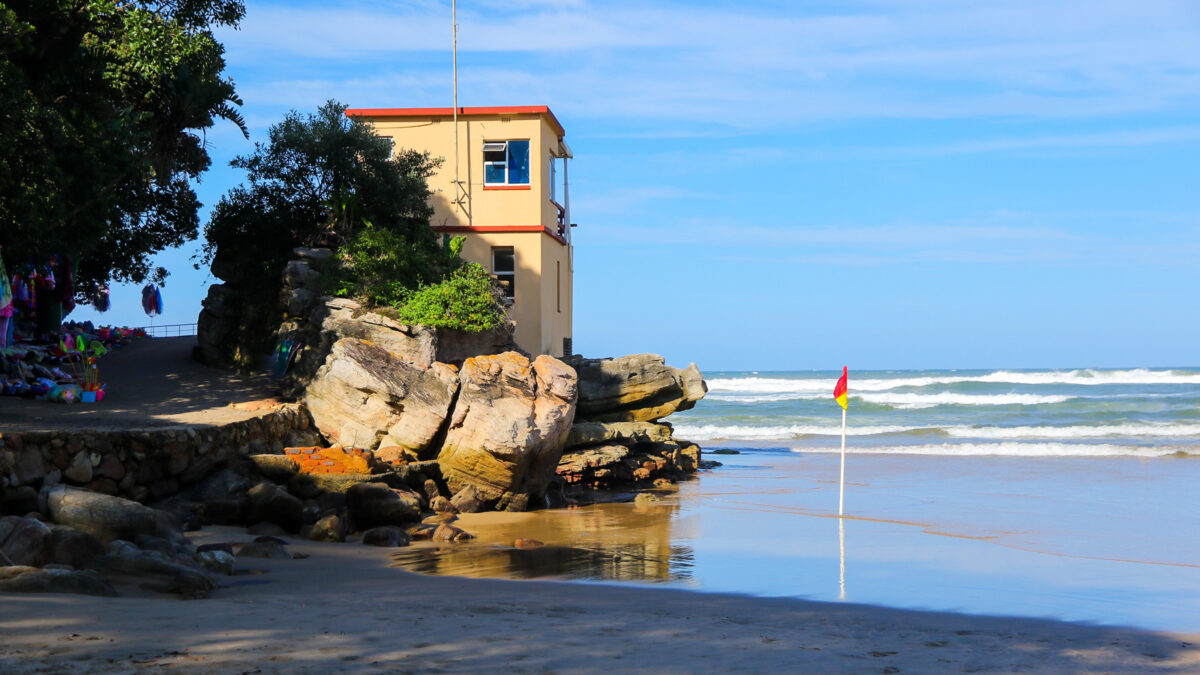
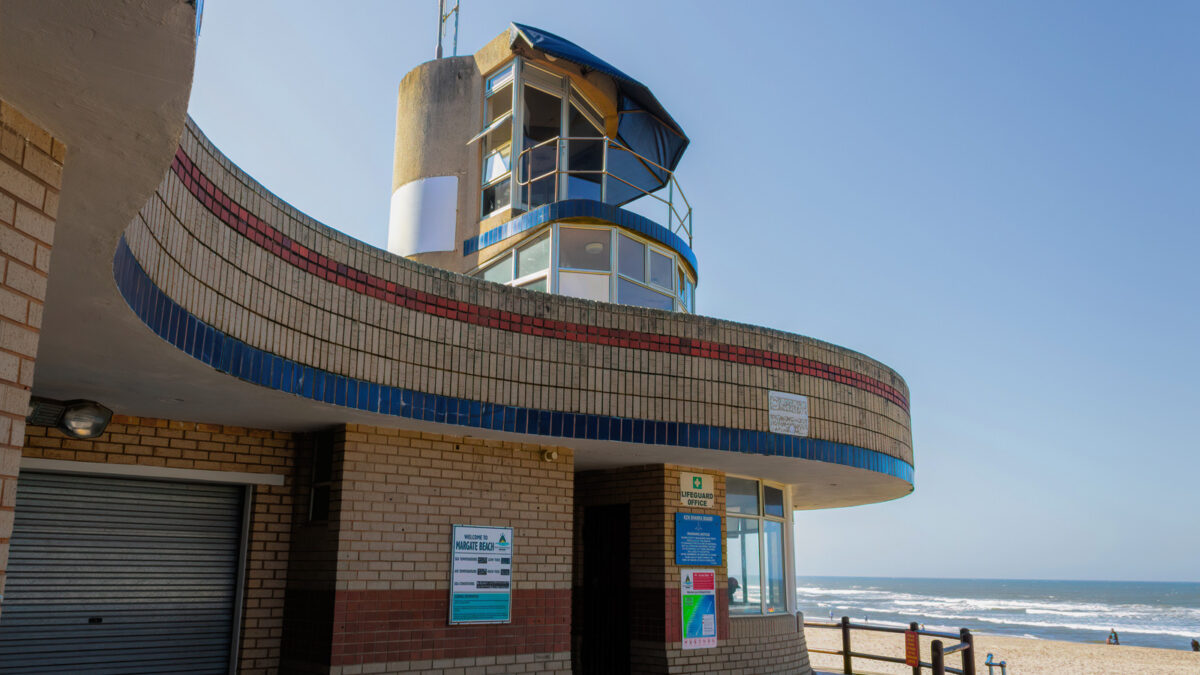
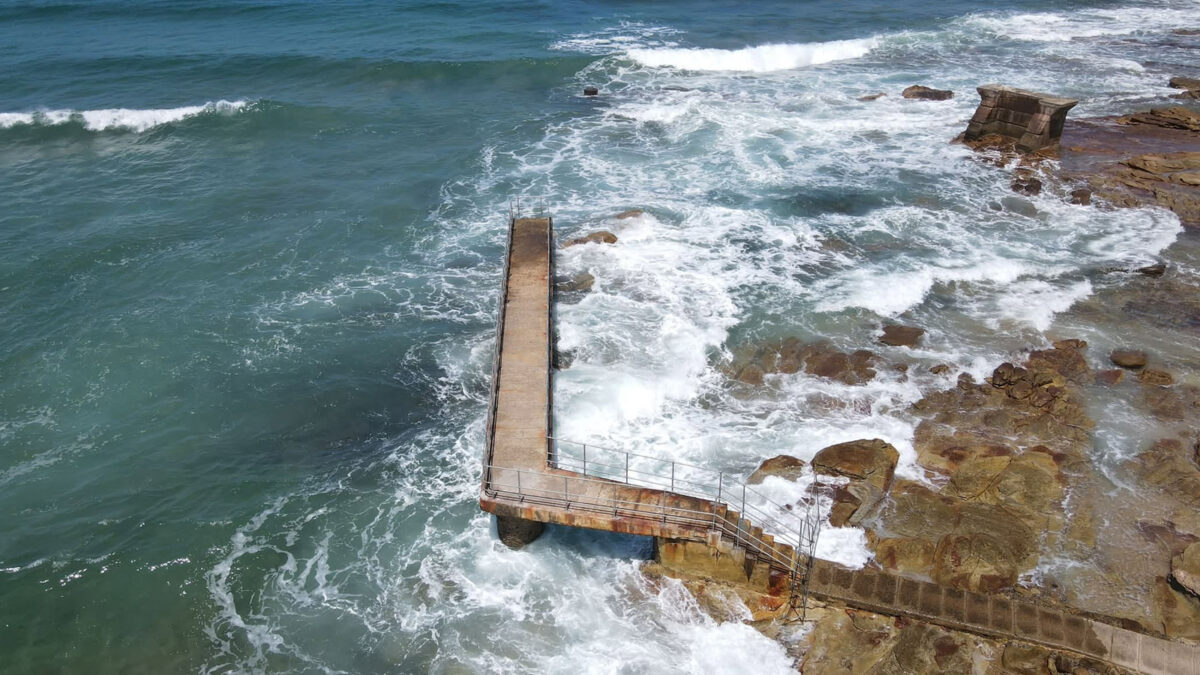
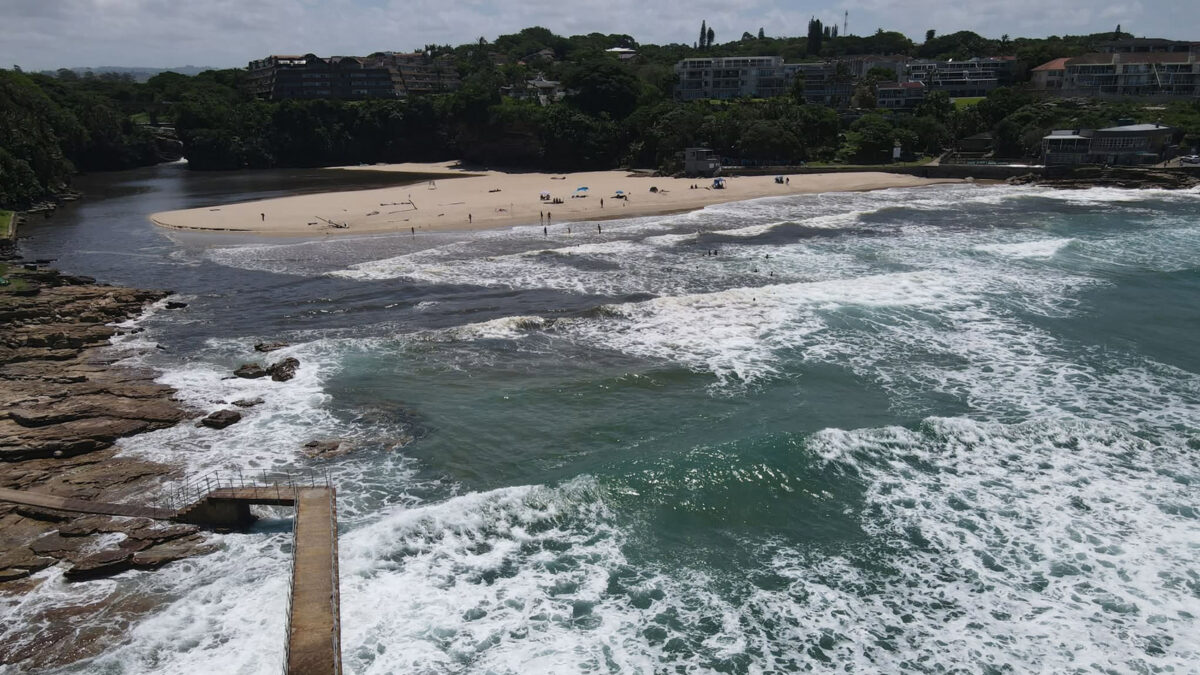
Margate also offers a selection of popular beaches, including Uvongo Beach, Margate Beach, and Ramsgate South Beach.
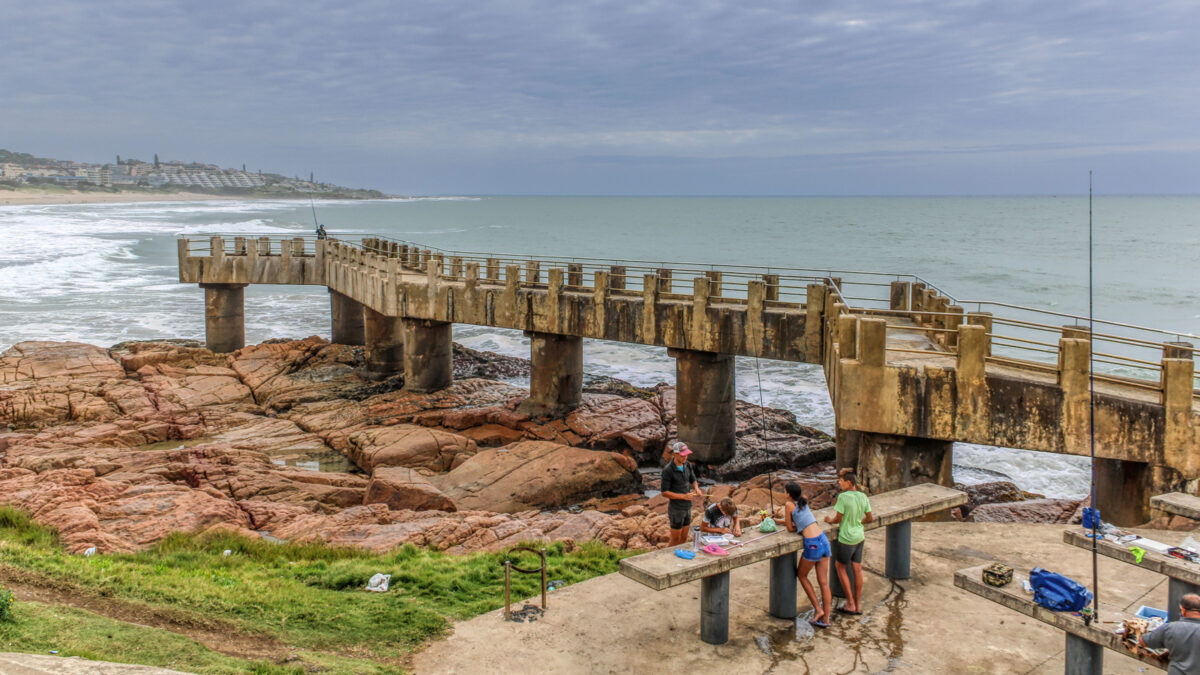
Fishing, marine tourism, and ecotourism are also popular attractions, as Margate is home to the Protea Banks.
The Protea Banks are a unique deep-reef system characterised by fossilised sand dunes and large canyons.
It is one of the few locations on the planet where marine biologists can regularly encounter massive aggregations of seven different shark species, including hammerheads and blacktips.
The town’s scenery and attractions have made it a popular semigration hotspot.
South Africans are flocking to many KwaZulu-Natal coastal towns, and the revival of the Margate Airport puts it high on the list.
R11 million upgrades to the airport were completed in 2022, with commercial flights being re-established from Johannesburg.
This is credited as a key economic driver for the town, with many South Africans flocking to the coast each year.
Previously, South Africans, especially those in Gauteng, would have to drive 700 kilometres or fly to King Shaka, then still drive two hours down the coast.
The Margate Airport has given them direct access to Margate and nearby towns like Port Edward.
Margate is particularly popular among South Africans seeking primary or retirement residences, as well as those looking for holiday homes or rental properties.
This is due to its affordable property prices.
The KwaZulu-Natal South Coast stretches from below Durban to the edge of the province’s border.
It includes Margate, Pennington, Port Shepstone, Port Edward, Shelly Beach, Scottburgh, Amanzimtoti, and several other small towns.
Sectional titles in these areas are between R900,000 and R1.5 million, while three-to-four-bedroom family homes can go for R1.2 million to R2.5 million.
Even beachfront homes in these areas typically sell for R3.5 million to R6 million, and homes that are within easy walking distance of the beach carry R1.2 million to R3 million price tags.
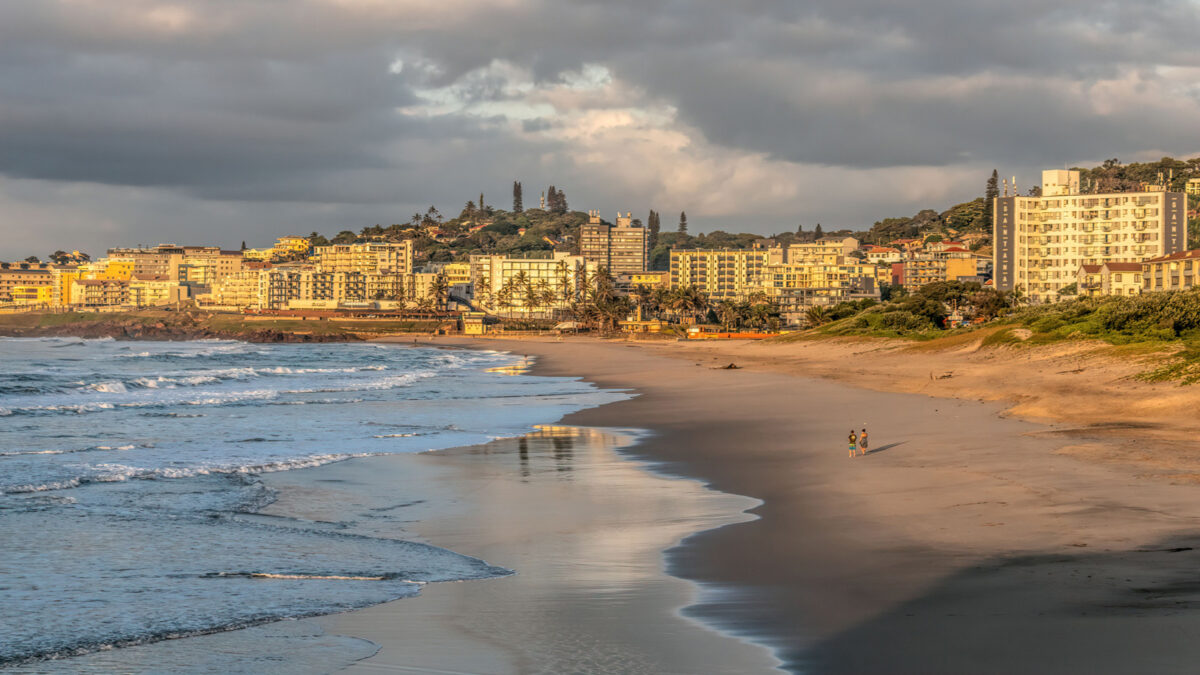
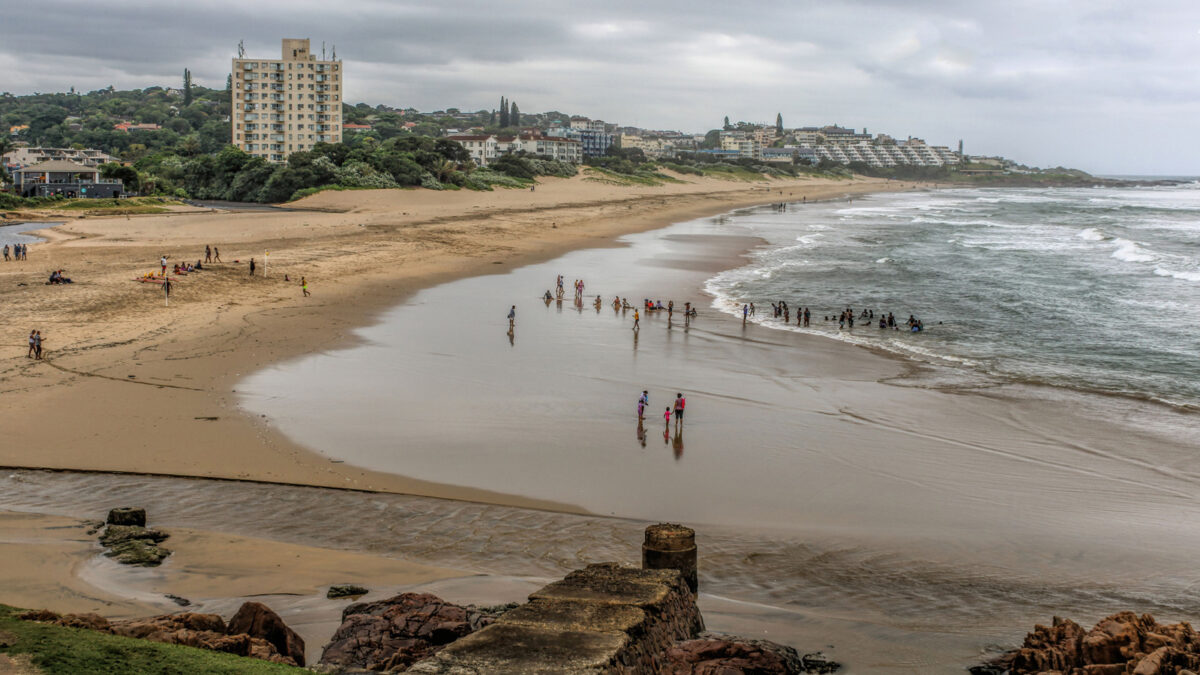
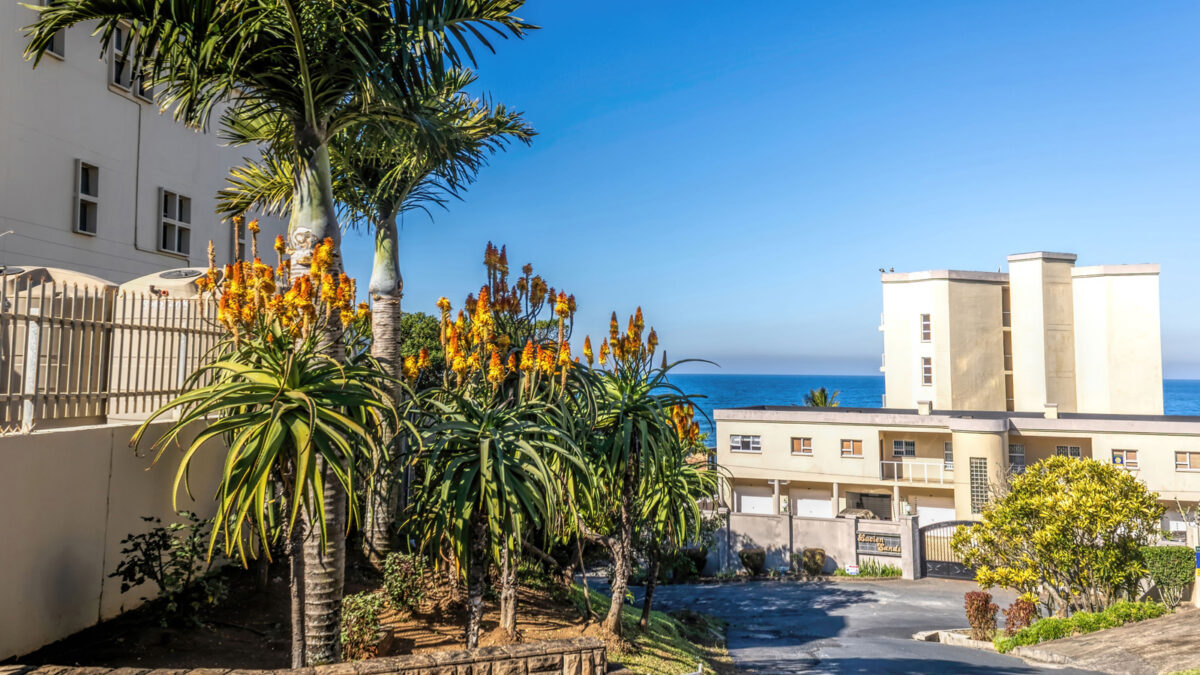
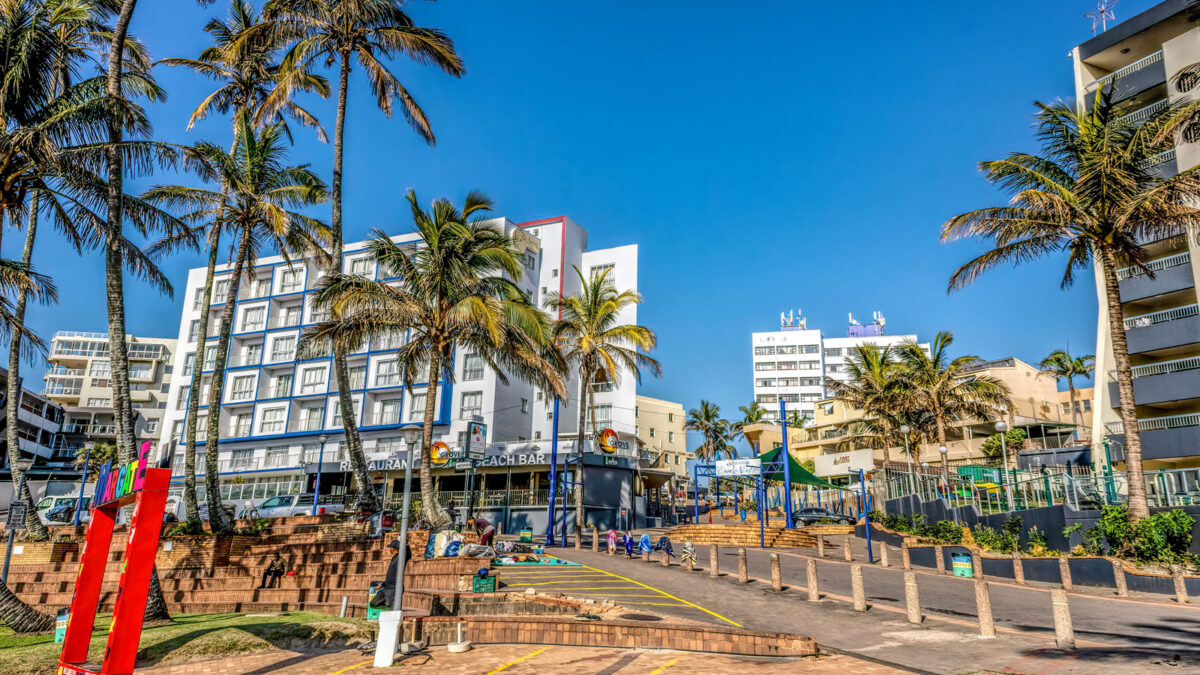
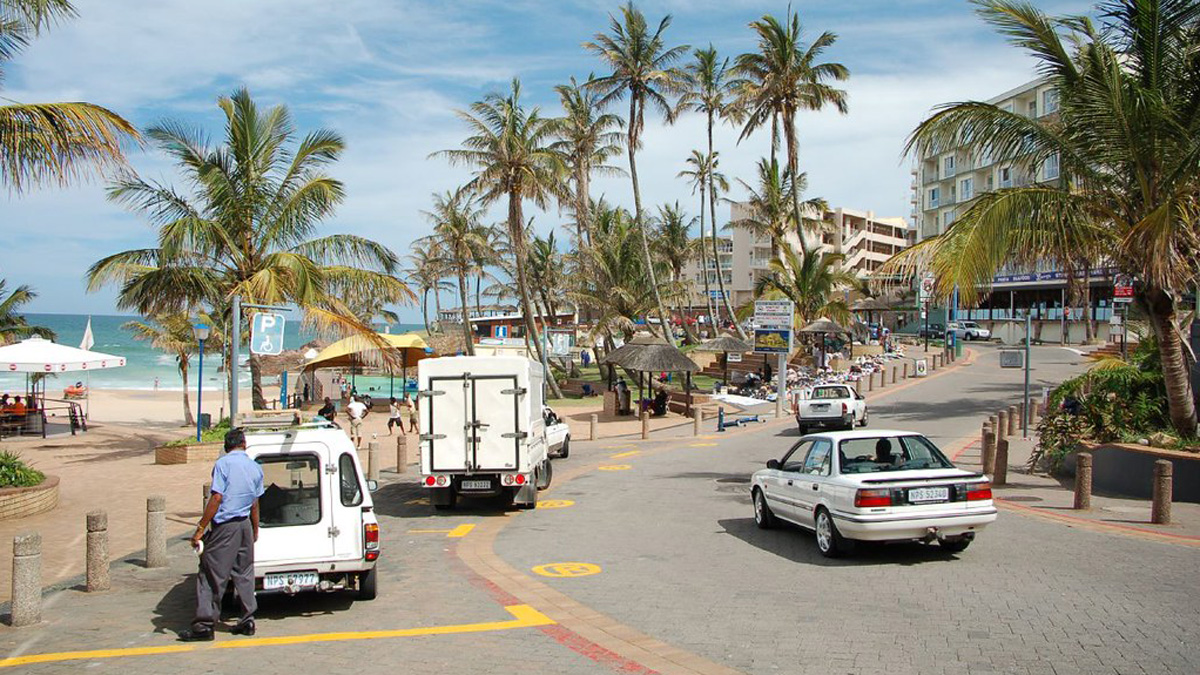
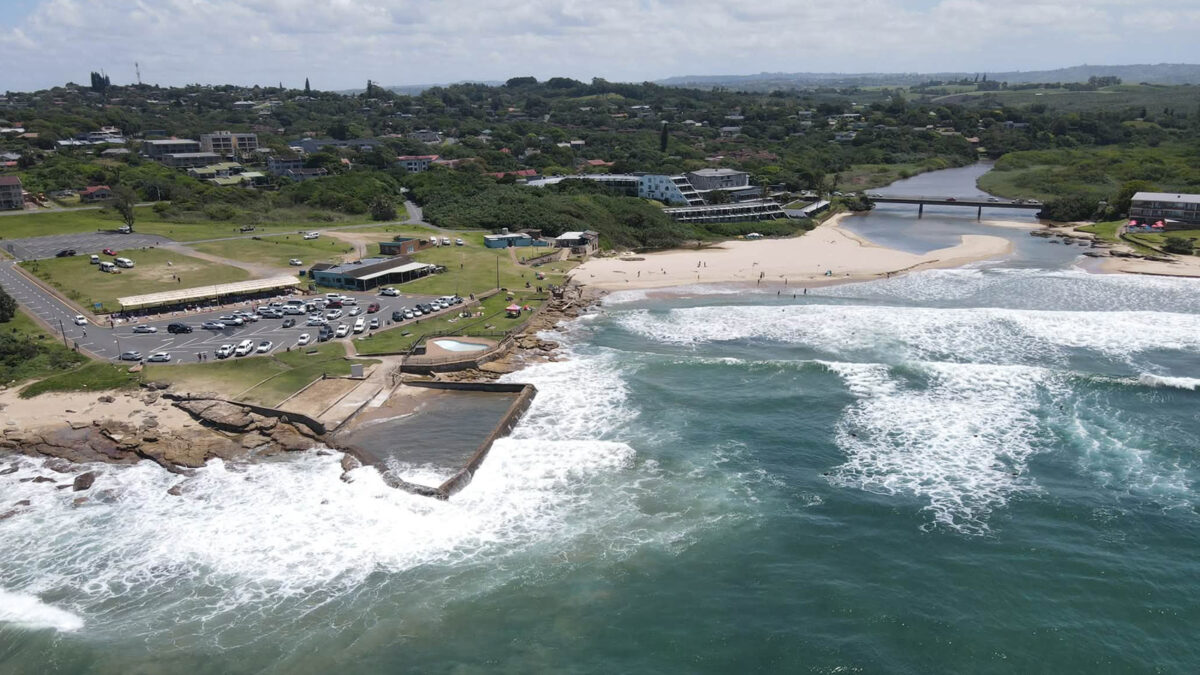
Photos of Margate






 Loading ...
It’s a crime-ridden dump